

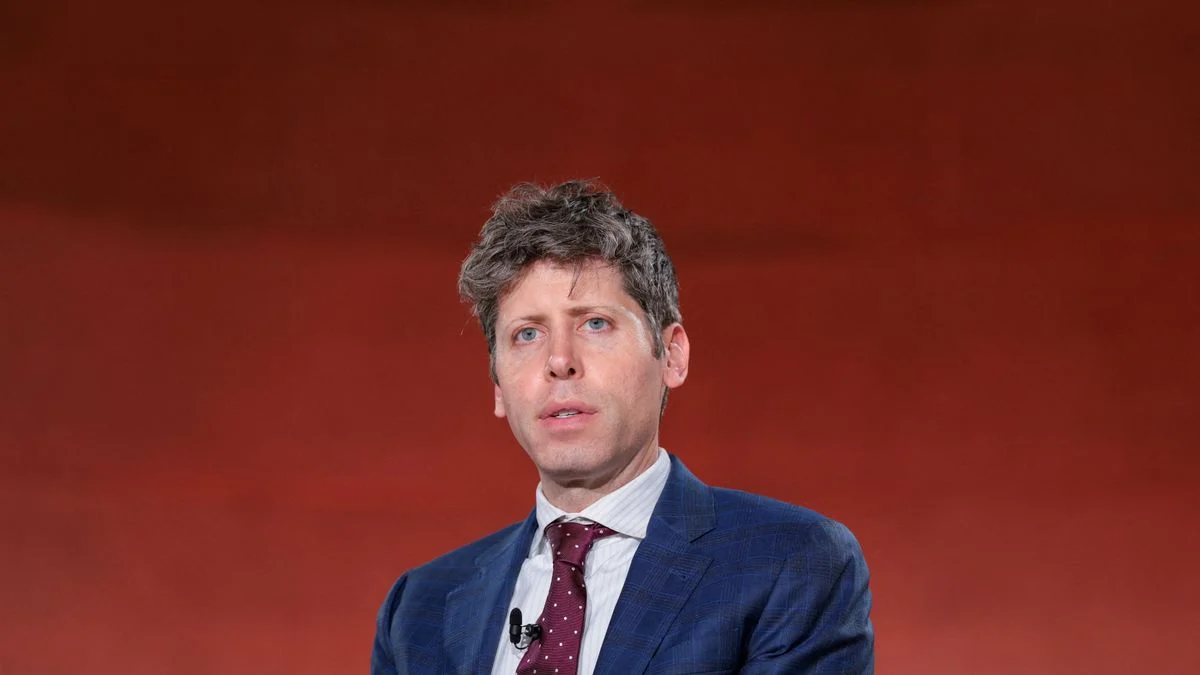
SAN FRANCISCO – In a disturbing escalation of the tensions surrounding the rapid proliferation of artificial intelligence, Sam Altman, the CEO of OpenAI and the public face of the generative AI revolution, became the target of a violent attack on Friday. Authorities in San Francisco confirmed that a Molotov cocktail was thrown at the tech executive’s private residence, an incident that has sent shockwaves through the Silicon Valley community and ignited a broader conversation regarding the safety of high-profile technology leaders.
While no physical injuries were reported, the event marks a significant departure from the typically digital-centric debates over AI ethics, bringing the conflict into the physical realm. The incident follows a series of growing grievances directed at OpenAI, an organization that has rapidly transitioned from a non-profit research lab to a global powerhouse at the center of a technological arms race.
The Chronology of the Attack
The events unfolded in the early hours of Friday morning, shattering the relative quiet of the affluent San Francisco neighborhood where Altman resides. According to the San Francisco Police Department (SFPD), the suspect arrived at the residence with a pre-constructed incendiary device.
The Assault on the Residence
At approximately dawn, the individual allegedly ignited and hurled a Molotov cocktail at the entrance of the property. The device struck the gate of the luxury estate, immediately igniting a fire. The suspect fled the scene on foot shortly after the detonation. Local authorities were alerted to the blaze, and emergency responders successfully prevented the fire from spreading to the main structure of the residence.
Escalation at OpenAI Headquarters
Following the attack on his home, the suspect reportedly traveled to the corporate headquarters of OpenAI in San Francisco. Staff at the facility reported that the individual began issuing direct, hostile threats against the company and its employees. The timing of the move suggests a calculated intent to terrorize both the person of Sam Altman and the institution he leads.
The Arrest
The SFPD responded rapidly to the call from OpenAI’s headquarters. Upon arrival, officers identified the individual as the same person who had allegedly carried out the arson attack at Altman’s home earlier that morning. The 20-year-old suspect was taken into custody without further incident. As of this report, the suspect remains in police custody, and the investigation into the precise motives behind the dual-pronged attack is ongoing.
Supporting Data: The Rising Tide of Anti-AI Sentiment
While the investigation into the suspect’s specific psychological state is in its infancy, industry analysts point to an increasingly volatile climate surrounding the development of artificial intelligence. OpenAI, in particular, has become a lightning rod for diverse, and sometimes radical, viewpoints.
The Controversy of Military Integration
One of the primary catalysts for recent protests against OpenAI is the company’s evolving relationship with the U.S. government. Critics, including various activist groups and privacy advocates, have raised significant alarms regarding OpenAI’s decision to offer its services and models to the U.S. Department of Defense. For many, the prospect of an AI entity that has become the "brain" of modern consumer technology also serving the interests of national defense represents an unacceptable crossing of ethical boundaries.
Public Fear and Existential Anxiety
Since the public release of ChatGPT in late 2022, OpenAI has been at the forefront of a paradigm shift. The sudden accessibility of sophisticated Large Language Models (LLMs) catalyzed a global realization of what AI is capable of—and what it might eventually become.
This rapid progress has fueled a dichotomy of public opinion:
- Techno-Optimism: Proponents argue that AI is the engine of the next industrial revolution, promising breakthroughs in medicine, climate science, and productivity.
- Existential Dread: Critics argue that the lack of guardrails, the potential for mass displacement of human labor, and the risk of "runaway" AI models pose an existential threat to humanity.
The attack on Altman’s home appears to be an extreme manifestation of the latter sentiment, reflecting a radicalized belief that the individuals building these systems are actively endangering the future of the human race.
Official Responses and Corporate Security
OpenAI issued a brief but firm statement regarding the incident, confirming that no staff or family members were harmed. "Today early this morning, someone threw a Molotov cocktail at the house of Sam Altman and also made threats at our headquarters in San Francisco," a company spokesperson confirmed.
The Response from Law Enforcement
The San Francisco Police Department has treated the case with high priority, given the combination of arson and direct threats against a high-profile figure. The SFPD has noted that while they are currently pursuing a criminal case against the suspect, the investigation will delve into whether this was an isolated act of a disturbed individual or part of a broader, coordinated campaign of intimidation.
Corporate Security Protocols
The incident has forced a re-evaluation of executive protection protocols within Silicon Valley. For years, the leaders of major tech firms were treated as public intellectuals or visionaries. The transition of these figures into targets of physical violence suggests that the security apparatus surrounding tech leadership must now mirror that of high-ranking government officials or heads of state. OpenAI is expected to bolster security measures at its headquarters and for its executive team in the coming weeks.
Implications for the Future of AI Development
The attack on Altman is not just a police matter; it is a cultural bellwether. It signals a potential "dark turn" in the public discourse surrounding technology.
The Politicization of Tech Leadership
Sam Altman has increasingly stepped into the public and political sphere. His involvement in the transition team for San Francisco’s newly elected Democratic mayor, Daniel Lurie, serves as a prime example. By positioning himself as a civic leader, Altman has moved beyond the corporate boardroom, making himself more visible—and consequently, more vulnerable—to the political frustrations of the city’s residents.
The Chilling Effect on Innovation
There is an internal fear among developers and researchers that such acts of violence could stifle the industry. If the leaders of AI development are forced to operate behind high walls, shielded from public scrutiny and engagement, the "open" part of OpenAI’s mandate may become increasingly theoretical. The incident risks creating a fortress mentality, where technology companies isolate themselves further from the public they serve, potentially leading to a feedback loop of suspicion and hostility.
A Call for Dialogue
Industry leaders have long debated the "alignment problem"—how to ensure AI goals align with human values. The tragedy of this event is that it highlights a parallel, perhaps more urgent, human alignment problem: how to maintain a civil society when the pace of technological change outstrips the public’s ability to process and adapt to it.
As the legal system processes the 20-year-old suspect, the tech world is left to grapple with uncomfortable questions. Is the vitriol directed at Silicon Valley reaching a breaking point? Can the democratization of AI continue if the creators themselves are under siege?
For now, Sam Altman and OpenAI find themselves at the center of a much larger fire than the one extinguished at their front gate. The challenge ahead is to ensure that the future of AI is shaped by robust, transparent, and—above all—peaceful debate, rather than the shadows of extremism. The coming months will likely see a surge in security, a tightening of public access to tech campuses, and a renewed, somber focus on the social responsibility that accompanies the creation of god-like technology.


















Leave a Reply