The Return of a Tech Giant
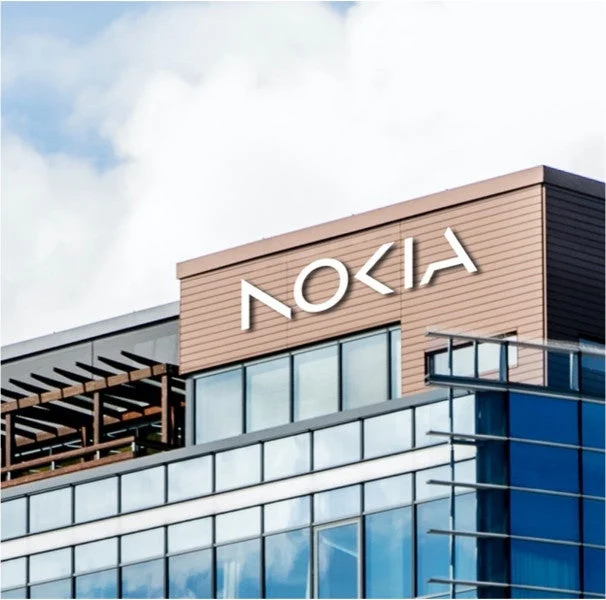
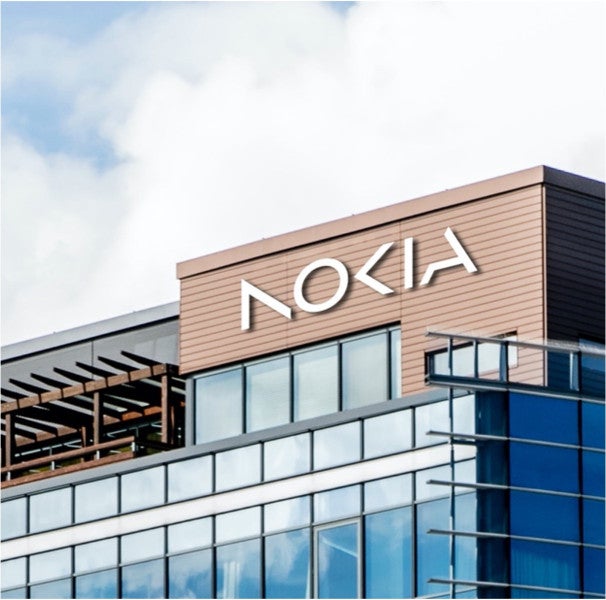
In May 2026, Nokia achieved a milestone that many industry observers deemed impossible a decade ago: the stock reached an 18-year high of €11.92. This resurgence is not merely a product of market fluctuation; it is the result of a strategic pivot that has seen the company reinvent itself as a cornerstone of global telecommunications infrastructure. Driven by an aggressive push to integrate Artificial Intelligence into mobile networks, the Finnish company has seen its share price more than double since the beginning of the year.
However, while the current market enthusiasm is palpable, it exists in the shadow of one of the most legendary financial growth stories in European history. The meteoric rise of Nokia between the early 1990s and the year 2000 remains a benchmark for rapid value creation, a period that transformed not just the company, but the very fabric of Finnish society.
I. Main Facts: The New Nokia
The current rally is built on the reality that modern telecommunications are no longer just about hardware—they are about the intelligent management of data flow. Nokia has positioned itself as an indispensable partner for telecom operators worldwide, focusing on 5G infrastructure and, increasingly, the integration of AI to optimize network efficiency, predictive maintenance, and energy consumption.
Investors have rewarded this transition. By moving away from the consumer-facing handset business—which the company struggled to maintain after the rise of the iPhone—and focusing on high-margin B2B infrastructure, Nokia has regained its status as a stable, growth-oriented tech play.
II. Chronology of a Financial Phenomenon
To understand the weight of today’s performance, one must look at the "Nokia Miracle" of the 1990s.
- 1991: Nokia shares were trading at a nominal value of approximately €0.09. At the time, the company was a conglomerate with fingers in every pie, from wood pulp and paper to rubber boots and car tires.
- 1995–1999: The company underwent a radical transformation, divesting its non-core assets to focus exclusively on telecommunications. As the global demand for mobile telephony exploded, so did Nokia’s market share.
- 2000: In the early summer, the stock reached its all-time high of roughly €65 per share on the Helsinki Stock Exchange. This represented an astronomical growth rate of over 72,000% in under a decade.
- 2001–2010: The post-dotcom bubble era brought severe correction. Nokia’s inability to keep pace with the smartphone revolution led to a prolonged decline in market value.
- 2014: The sale of the handset division to Microsoft marked a dark chapter, widely viewed as the "final surrender" of the company’s legacy consumer business.
- 2026: A new dawn. Through consistent R&D investment and a focus on network intelligence, Nokia has reclaimed its position as a high-performing asset, hitting its highest point in nearly two decades.
III. Supporting Data: The "Hausfrau" Millionaires
The most captivating aspect of Nokia’s 1990s ascent is not the institutional gain, but the grassroots impact. In the city of Nokia, where the company was headquartered, stock ownership was a cultural norm. Employees and local residents held shares as a form of long-term savings.
Financial historians often cite the phenomenon of the "Nokia housewives." Many women in the region had kept physical share certificates in drawers for years, viewing them as a modest "rainy day" fund. When the stock peaked in 2000, these women arrived at local bank branches with crumpled, decades-old paper certificates, only to discover they were suddenly multi-millionaires.
Unlike the flashy tech-boom stories of Silicon Valley, these Finnish shareholders were notably pragmatic. Reports from the era suggest that the newfound wealth was rarely squandered on luxury. Instead, it was reinvested into the community: buying modern agricultural machinery, renovating family homes, and securing the financial futures of their children. It was a rare instance where the "market" directly uplifted a blue-collar population.
IV. Official Responses and Strategic Shifts
The current leadership at Nokia, led by CEO Pekka Lundmark, has been vocal about the necessity of this pivot. In recent earnings calls, the company emphasized that the current growth is "sustainably anchored" in the digital transformation of the industrial sector.
"We are no longer selling phones; we are selling the nervous system of the digital economy," a spokesperson noted. The strategy involves deep-tech integration—using AI not as a buzzword, but as a practical tool for "self-healing" networks that can adjust to traffic loads in real-time. This focus has insulated the company from the volatile consumer electronics market and secured long-term contracts with major global telcos.
Regarding the past, the company acknowledges the volatility of the 2000s as a cautionary tale. "We learned that being a market leader is not a birthright," the board stated in a recent retrospective. "The focus today is on resilience, not just dominance."
V. Implications: What the Future Holds
The transition from a consumer-focused manufacturer to a specialized infrastructure provider has profound implications for the company’s valuation.
1. Decoupling from Consumer Trends
Nokia’s current success shows that technology companies can find a "second life" by moving upstream. By focusing on the infrastructure that powers the internet, Nokia is shielded from the whims of consumer brand loyalty, which destroyed its handset business in the late 2000s.
2. The AI-Infrastructure Nexus
As global demand for data grows, the efficiency of the underlying network becomes paramount. Nokia’s investment in AI-driven network management suggests that the company is betting on a future where "smart connectivity" is a utility as essential as water or electricity.
3. A Lesson in Long-Term Holding
The story of the Nokia shareholders serves as a poignant reminder of the power of long-term investment. While the stock eventually corrected, those who held through the initial growth phases saw a life-altering return on investment. It remains one of the most cited examples in financial education regarding the dangers of "missing the trend" and the potential rewards of "buying into the local economy."
4. The Legacy of the Handset Brand
While the Nokia brand lives on via HMD Global, the "Nokia Corporation" of 2026 is a fundamentally different beast. The separation of the brand (which still carries nostalgia) from the business (which is a high-tech utility) has been crucial for its recovery. The company no longer needs to compete with the likes of Apple or Samsung in the hardware arena; it provides the infrastructure that even those competitors rely on.
Conclusion
The path of Nokia is a trajectory of extreme highs and lows, tracing the history of the internet age itself. From the modest production of rubber boots in a small Finnish town to the global race for 5G and AI dominance, the company has proven that adaptability is the ultimate competitive advantage. As it sits at an 18-year high in 2026, the market is not just betting on a stock; it is betting on the necessity of the technology that connects the modern world. For the investors, the analysts, and the descendants of the original "Nokia millionaires," the story of the Finnish giant is far from over—it has simply entered its most intelligent chapter yet.