MAGDEBURG, SAXONY-ANHALT – The political landscape of Saxony-Anhalt has plunged into an unprecedented state of uncertainty, following a recent state election that has left the regional parliament deeply fragmented and unable to form a stable governing coalition. Amidst the deepening impasse, the far-right Alternative for Germany (AfD) has intensified its provocative stance by formally nominating its prominent state politician, Robert Siegmund, as a candidate for Minister-President. This move, widely seen as a challenge to the established "cordon sanitaire" against the party, has been met with staunch opposition from mainstream parties. Adding another layer of complexity to the volatile situation, Sahra Wagenknecht, the influential figurehead of the newly formed Bündnis Sahra Wagenknecht (BSW), has injected a radical proposal into the debate: advocating for a non-partisan head of government to steer the state through its current crisis.
The proposals from both the AfD and Wagenknecht underscore the profound challenges facing German federalism, particularly in states where traditional political allegiances are eroding and voter frustration with established parties is at an all-time high. Saxony-Anhalt, a state grappling with demographic shifts, economic restructuring, and a persistent sense of being overlooked by the federal government, has become a microcosm of broader national anxieties. The current deadlock threatens to paralyze the state’s administration, delay crucial policy initiatives, and further erode public trust in democratic institutions. As negotiations falter and political rhetoric escalates, observers nationwide are watching closely, aware that the outcome in Magdeburg could set a precedent for dealing with fragmented parliaments and the rise of populist forces across Germany.
The Saxony-Anhalt Stalemate: A Deepening Crisis
The roots of the current crisis trace back to the state parliamentary election held just weeks ago, which delivered a seismic shift in the distribution of power. While the Christian Democratic Union (CDU) managed to retain its position as the largest single party, its traditional strength was significantly diminished. The AfD, however, surged to an unprecedented second place, securing a substantial share of the vote and further solidifying its presence as a major political force in the eastern German state. The Social Democratic Party (SPD), the Left Party (Die Linke), the Greens, and the Free Democratic Party (FDP) all secured representation, but none with sufficient numbers to form a stable government with the CDU without requiring an unwieldy, ideologically diverse, and potentially fragile coalition.
Initial attempts to forge a so-called "Germany coalition" comprising the CDU, SPD, and FDP quickly collapsed under the weight of internal disagreements and the arithmetic reality of a very thin majority, barely clearing the threshold for stability. Subsequent explorations of other traditional alliances, such as a "Kenya coalition" (CDU, SPD, Greens) or even a broader "traffic light coalition" (SPD, Greens, FDP), proved equally fruitless. The ideological chasm between the Greens and the FDP, particularly on economic and environmental policy, along with deep-seated mistrust stemming from past political battles, rendered meaningful compromise seemingly impossible. Adding to the complexity was the emergence of the BSW, which, despite being a relatively new player, garnered enough votes to complicate coalition calculations further, drawing support from both the traditional left and disillusioned voters who might otherwise have turned to the AfD.
The failure of these conventional coalition talks has left Saxony-Anhalt without a clear path forward, raising the specter of either prolonged minority rule – a notoriously unstable form of governance – or the drastic measure of new elections, which few parties are eager to face given the current volatile climate and the potential for further gains by anti-establishment forces.
AfD’s Strategic Play: The Siegmund Candidacy
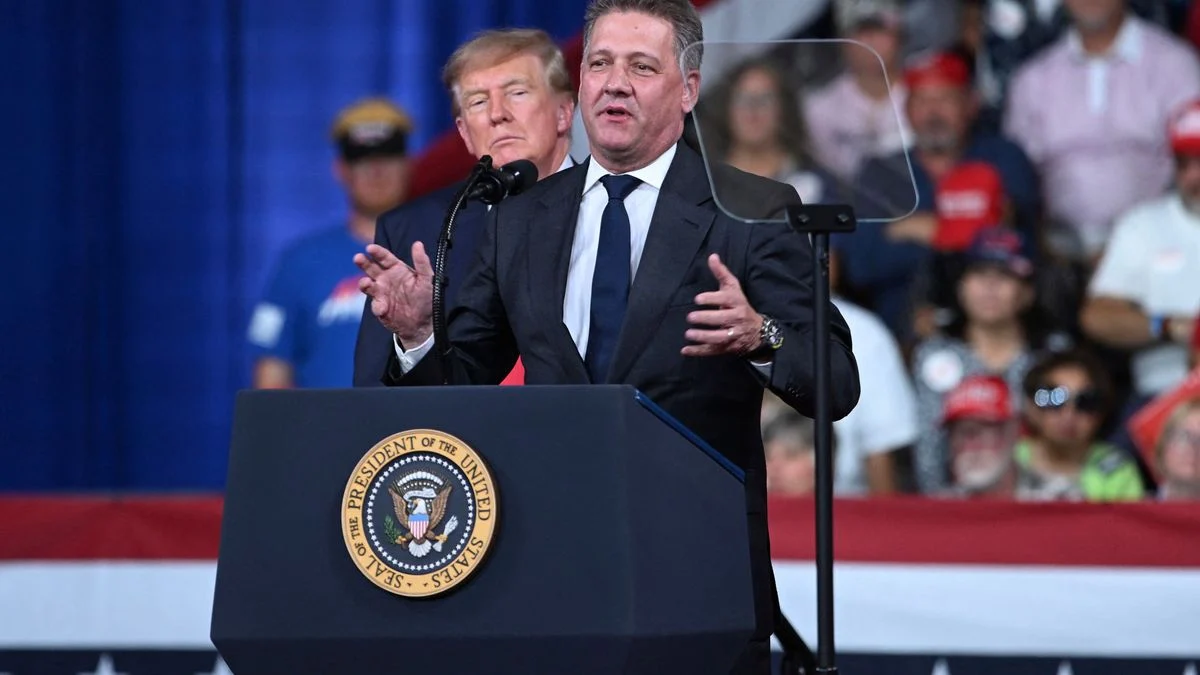
In this climate of deadlock, the AfD has seized the opportunity to press its agenda and challenge the established political order. On Tuesday, the party’s parliamentary group in Saxony-Anhalt formally announced its intention to nominate Robert Siegmund as its candidate for Minister-President. Siegmund, a veteran AfD politician in the state and known for his robust, often confrontational rhetoric, represents the party’s more nationalist and anti-immigrant wing. His candidacy is not a genuine attempt to form a government – the AfD knows full well that no other democratic party would enter a coalition with them – but rather a calculated strategic move.
By putting forward their own candidate, the AfD aims to achieve several objectives. Firstly, it seeks to underscore its electoral strength and claim a legitimate role in the state’s governance, despite the unanimous rejection from other parties. This plays directly into the party’s narrative of being "excluded" and "silenced" by the "old parties," thereby rallying its base and portraying itself as the only true voice of the people. Secondly, the nomination forces other parties to publicly reject an AfD candidate for the highest office, reinforcing the perception among some voters that the political establishment is undemocratic in its refusal to acknowledge the will of a significant portion of the electorate. Thirdly, it creates a public spectacle, drawing attention to the political paralysis and allowing the AfD to position itself as a radical alternative to the perceived failures of mainstream politics. Siegmund himself, in a statement to the press, declared that his candidacy was "a democratic necessity" and that "the people of Saxony-Anhalt deserve a government that reflects their actual votes, not one cobbled together by backroom deals and ideological exclusions."
Wagenknecht’s Unconventional Proposal: A Call for Non-Partisan Leadership
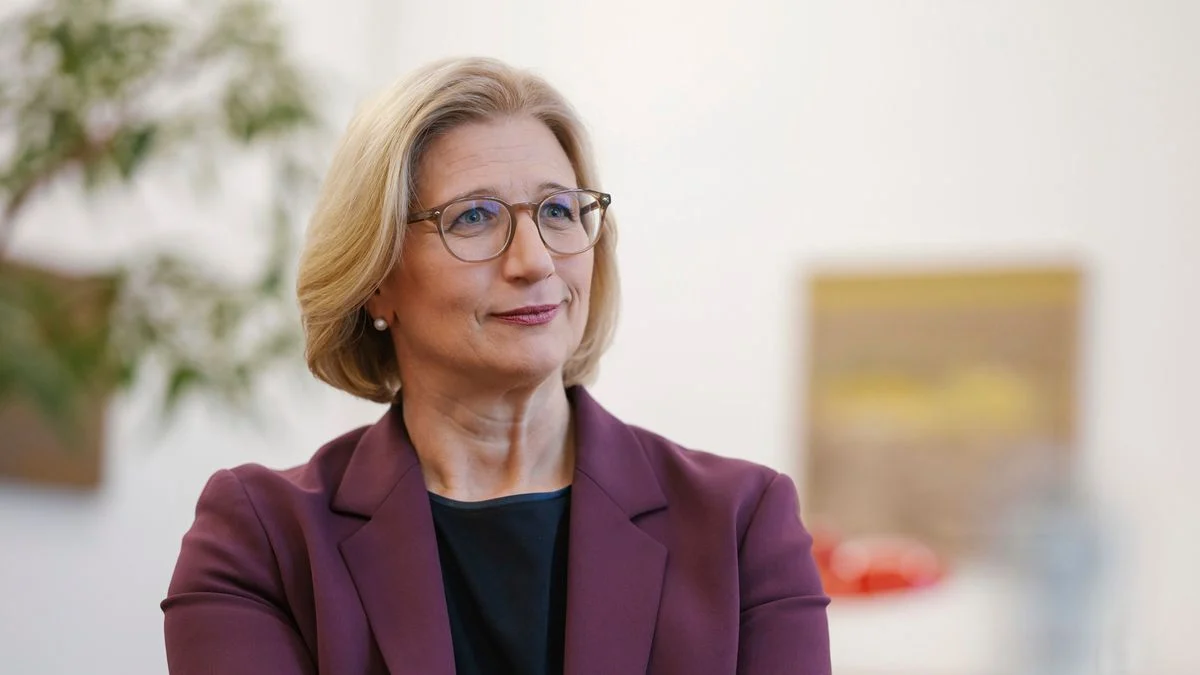
While the AfD’s move was largely anticipated as a provocative maneuver, Sahra Wagenknecht’s intervention has introduced a genuinely novel and highly unconventional element into the debate. Leveraging her significant national profile and the nascent momentum of her BSW, Wagenknecht publicly called for the appointment of a "non-partisan head of government" for Saxony-Anhalt. Her proposal envisions a technocratic leader, perhaps an expert from academia, industry, or public administration, who would temporarily lead a caretaker government with a limited mandate. The primary goals of such an administration, according to Wagenknecht, would be to restore administrative stability, address pressing, non-ideological issues (such as budget management, infrastructure maintenance, or public service reform), and potentially prepare the ground for new elections or a more stable, long-term coalition once the immediate political passions have cooled.
Wagenknecht argued that the current parliamentary deadlock is a symptom of a deeper crisis of trust in the traditional party system. She suggested that partisan interests have overshadowed the welfare of the state, leading to an intractable situation. "When parties fail to put the interests of the citizens first, and are incapable of forming a functioning government, it is time for new, unconventional solutions," Wagenknecht stated in a television interview. "A non-partisan expert, free from party dogma and coalition pressures, could provide the stability and effective governance that Saxony-Anhalt desperately needs right now."
While the concept of a technocratic government is not entirely alien to European politics (Italy, for instance, has resorted to such solutions in times of crisis), it is highly unusual and largely unprecedented in Germany’s post-war parliamentary democracy, which places a strong emphasis on direct political accountability and party-led governance. Wagenknecht’s proposal, therefore, represents a radical departure from established norms, reflecting her broader critique of what she perceives as an increasingly detached and self-serving political class.
A Chronology of Political Turmoil
The current crisis in Saxony-Anhalt has unfolded over several tense weeks, marked by intense negotiations, public pronouncements, and growing frustration.
- October 15, 2024: State parliamentary elections are held. Initial projections indicate a highly fragmented result, with no clear majority for traditional coalitions.
- October 16-20, 2024: Initial, informal discussions begin between parties. The CDU, as the largest party, takes the lead in sounding out potential partners.
- October 21, 2024: First round of formal exploratory talks between CDU, SPD, and FDP for a "Germany coalition" commences.
- October 28, 2024: Talks for the "Germany coalition" officially collapse, with both the SPD and FDP citing insurmountable differences on key policy areas and a lack of trust.
- November 1, 2024: CDU initiates exploratory talks with the SPD and the Greens for a "Kenya coalition." These talks are immediately fraught with tension, particularly over energy policy and agricultural subsidies.
- November 7, 2024: The "Kenya coalition" talks are also declared a failure, leaving the state in a profound political vacuum.
- November 8, 2024: Robert Siegmund, parliamentary group leader of the AfD in Saxony-Anhalt, announces the party’s intention to nominate him as a candidate for Minister-President. He calls upon all other parties to "respect the democratic mandate" of the AfD’s voters.
- November 9, 2024: Sahra Wagenknecht issues a public statement and gives several media interviews, proposing the establishment of a temporary, non-partisan government led by an expert. She criticizes the established parties for their inability to govern.
- November 10, 2024: Reactions from across the political spectrum begin to pour in, largely rejecting both the AfD’s and Wagenknecht’s proposals as either undemocratic or impractical. The acting Minister-President appeals for calm and renewed efforts at consensus-building.
- November 12, 2024: The state parliament is scheduled to convene for a special session to discuss the ongoing government formation crisis, with the election of the new Minister-President looming as a constitutional necessity.
Supporting Data and Electoral Landscape
The recent election results provide critical context for understanding the current impasse. The final tally showed:
- CDU: 28.1% (down from 37.8% in the previous election)
- AfD: 26.3% (up from 24.3%)
- The Left: 12.1% (down from 16.3%)
- SPD: 10.5% (down from 10.6%)
- Greens: 8.2% (up from 5.3%)
- FDP: 7.1% (up from 4.9%)
- BSW: 6.0% (new entry)
- Others: 1.7%
This distribution of seats means that forming a two-party coalition with a stable majority (requiring approximately 50% + 1 seat) is impossible without including either the AfD or BSW, or resorting to an unwieldy three-party alliance. The strength of the AfD, just two percentage points behind the CDU, highlights the deep dissatisfaction among a significant portion of the electorate, particularly in rural areas and former industrial towns. Many voters in these regions feel left behind by economic modernization, neglected by Berlin, and are concerned about issues like immigration and the perceived decline of traditional values.
Public opinion polls conducted in the wake of the election indicate a high degree of frustration. Over 60% of respondents expressed disappointment with the inability of parties to form a government, and a notable 35% stated they would consider supporting a non-partisan government if the deadlock persisted. However, support for the AfD’s specific candidate, Robert Siegmund, remained confined largely to their own voter base, with only 18% of the general populace endorsing his bid. Wagenknecht’s proposal for a technocratic leader, while unorthodox, garnered slightly more cross-party appeal, reflecting a yearning for practical solutions over ideological gridlock.
Saxony-Anhalt faces persistent economic challenges, including an aging population, out-migration of younger generations, and the ongoing structural transformation away from traditional industries. These factors contribute to a sense of precarity and a desire for strong, decisive leadership, which populist parties like the AfD and the BSW often promise to deliver. The state’s GDP per capita remains below the national average, and unemployment, while declining, still presents regional disparities. These underlying socio-economic conditions fuel the political discontent that makes consensus-building so difficult.
Official Responses and Party Stances
The proposals put forward by the AfD and Sahra Wagenknecht have elicited strong and varied reactions from the established political parties, highlighting the deep divisions within the state’s political class.
Christian Democratic Union (CDU): The acting Minister-President and state CDU leader, who remains in office in a caretaker capacity, firmly rejected the AfD’s candidacy for Minister-President. "There will be no cooperation with the AfD, not now and not in the future," he declared, reiterating the party’s long-standing policy. He also expressed skepticism regarding Wagenknecht’s call for a non-partisan leader, emphasizing the foundational principles of parliamentary democracy. "Our system is built on parties taking responsibility and forming governments through democratic mandates. While the situation is challenging, we must find a solution within the established democratic framework, not outside it." The CDU remains committed to exploring further coalition options, albeit with dwindling hope.
Social Democratic Party (SPD): The SPD’s state chair echoed the CDU’s rejection of the AfD. "Mr. Siegmund’s candidacy is a political provocation, not a serious offer to govern. We will not lend credibility to a party that undermines democratic institutions." On Wagenknecht’s proposal, the SPD expressed reservations about bypassing the parliamentary process. While acknowledging the frustration, an SPD spokesperson stated, "A technocratic government, however well-intentioned, risks diluting democratic accountability. The solutions must come from the democratically elected representatives." The SPD signaled a willingness to re-enter talks, but only if "fundamental policy differences can be genuinely bridged, not papered over."
Alliance 90/The Greens: The Green Party’s state leadership was unequivocal in its condemnation of the AfD’s move, labeling it a "cynical attempt to exploit a democratic crisis." They also voiced strong opposition to Wagenknecht’s idea, fearing it could set a dangerous precedent. "The idea of a non-partisan government, while superficially appealing to some, undermines the very essence of parliamentary democracy," said the Green Party’s co-leader in Saxony-Anhalt. "It removes the vital checks and balances provided by political parties and risks creating a power vacuum that could be exploited by undemocratic forces."
Free Democratic Party (FDP): The FDP, while equally critical of the AfD, was slightly more nuanced in its response to Wagenknecht. "We understand the call for pragmatic solutions in a deadlock," an FDP representative noted, "but a technocratic government is a measure of last resort that carries significant risks to democratic legitimacy. Our focus must remain on finding a political solution through dialogue and compromise between the democratically elected parties." The FDP emphasized the need for "responsible fiscal policy and a clear reform agenda," which they argued would be difficult to achieve with a non-partisan, temporary administration.
The Left (Die Linke): The Left Party joined the chorus of rejection against the AfD. "The AfD represents everything we stand against, and their candidate has no place leading this state," stated the Left Party’s parliamentary group leader. Regarding Wagenknecht’s proposal, which shares some ideological roots with the Left Party through Wagenknecht’s own history, the response was mixed. While some within the party expressed sympathy for the critique of established politics, the official line remained cautious. "While we share concerns about the current impasse, fundamentally, governance must be rooted in parliamentary mandates and clear political programs," a party spokesperson articulated, indicating a preference for a politically accountable government, even if it meant difficult compromises.
Alternative for Germany (AfD): Unsurprisingly, the AfD doubled down on its position. Robert Siegmund, in a fiery speech, accused the other parties of "anti-democratic behavior" and "disrespecting the voters." He portrayed the "cordon sanitaire" as an elitist conspiracy against the will of the people. "They are afraid of genuine opposition, afraid of those who speak uncomfortable truths," Siegmund proclaimed. He dismissed Wagenknecht’s proposal as "another attempt by the establishment to circumvent the true democratic mandate and maintain their failing system."
Bündnis Sahra Wagenknecht (BSW): Wagenknecht’s allies reiterated her call for a non-partisan solution, emphasizing the exceptional nature of the crisis. A BSW spokesperson highlighted the "failure of traditional parties" and the need for "a fresh start" that prioritizes "competence over partisan squabbling." They argued that a temporary, expert-led government could rebuild trust and create the necessary space for a more constructive political dialogue in the long run.
Implications for Saxony-Anhalt and German Politics
The ongoing political crisis in Saxony-Anhalt carries significant implications, both for the state itself and for the broader political landscape of Germany.
Local Implications for Saxony-Anhalt
The most immediate consequence is the risk of prolonged administrative paralysis. Without a stable government, crucial policy decisions – from budget planning and infrastructure projects to educational reforms and social welfare initiatives – could be delayed indefinitely. This uncertainty impacts public services, discourages investment, and further erodes public confidence in the state’s ability to function effectively.
There is a very real possibility of new state elections. If the parties remain unable to form a government, the only constitutional recourse might be to dissolve the parliament and call for fresh polls. However, this is a risky gamble. Given the current political volatility, new elections might not produce a clearer majority and could even strengthen the AfD further, deepening the crisis. Such an outcome would signify a major failure of the democratic process in the state.
The crisis could also lead to a further erosion of trust in democratic institutions. When elected representatives fail to deliver a functioning government, citizens may become increasingly disillusioned with the entire system, making them more susceptible to populist narratives that promise simple solutions to complex problems. This could exacerbate existing social and political divides within the state.
National Implications for German Politics
The situation in Saxony-Anhalt serves as a stark warning and a potential precedent for other German states, particularly in the eastern regions where the AfD’s support is strong. States like Thuringia and Brandenburg have also seen significant gains by the far-right, making coalition formation increasingly challenging. The tactics employed by the AfD, and the responses from other parties, could influence political strategies nationwide.
The crisis challenges the "cordon sanitaire" against the AfD. While mainstream parties continue to reject any formal cooperation, the AfD’s growing electoral strength means it cannot simply be ignored. Its ability to disrupt government formation and force other parties into difficult compromises highlights the tension between democratic inclusion and the protection of democratic values. The question of how to deal with a powerful, yet politically isolated, far-right party remains a central dilemma for German democracy.
Sahra Wagenknecht’s proposal for a non-partisan government, while currently seen as radical, could open a debate about alternative governance models in times of extreme political fragmentation. While unlikely to be adopted in Saxony-Anhalt immediately, it reflects a broader frustration with the perceived failures of established parties and could gain traction if deadlocks become more frequent. It poses a fundamental challenge to the traditional German understanding of parliamentary democracy.
Finally, the federal government in Berlin will be watching the situation with concern. Instability in a federal state can have ripple effects, impacting national policy coordination, economic development, and even Germany’s international standing as a stable democracy. The inability of state-level politics to resolve its own crises could necessitate federal intervention or at least put pressure on national party leaders to help broker a solution.
Conclusion
The political deadlock in Saxony-Anhalt represents a profound test for German democracy. With the AfD strategically leveraging the crisis to amplify its message and Sahra Wagenknecht proposing a radical departure from traditional governance, the state finds itself at a critical juncture. The failure of established parties to form a stable government, coupled with the rising influence of anti-establishment voices, underscores a deep-seated frustration among the electorate.
The coming weeks will determine whether Saxony-Anhalt can navigate this turbulent period and forge a path towards stable governance, or if it will descend further into political uncertainty. The solutions sought in Magdeburg will not only shape the future of this eastern German state but could also provide crucial lessons – or warnings – for the rest of Germany as it grapples with an increasingly complex and fragmented political landscape. The stakes are high, and the outcome remains entirely uncertain, highlighting the fragility of consensus in an era of profound political transformation.