


As millions of travelers prepare to hit the road for the upcoming long weekend, mobility experts are urging caution. With the Ascension Day holiday falling on Thursday, May 14, 2026, the German Automobile Club (ADAC) has issued a high-level travel warning, predicting severe congestion across the continent’s arterial motorways starting as early as Wednesday afternoon.
Main Facts: The Perfect Storm of Travel
The upcoming holiday period, anchored by Christi Himmelfahrt (Ascension Day), is traditionally one of the most volatile periods for European road traffic. According to the latest data from the ADAC, the combination of a mid-week public holiday and the desire for extended spring breaks creates a "perfect storm" for highway congestion.
The agency notes that the congestion is not limited to German borders. Because Ascension Day is observed as a public holiday in neighboring nations—including Austria, Switzerland, the Netherlands, Denmark, Luxembourg, and Belgium—the cross-border traffic volume is expected to reach near-peak capacity. The ADAC has advised motorists to prepare for significant delays, suggesting that travelers who are flexible with their schedules should avoid the peak departure windows on Wednesday afternoon and the return-leg rush on Sunday.
Chronology of the Gridlock
The traffic patterns for this specific weekend follow a predictable, yet intense, timeline:
- Wednesday, May 13: The surge begins. As commuters leave work early to bridge the gap until Thursday, highways will transition from normal commuter density to holiday-level congestion by mid-afternoon. Historical data from 2025 highlights this as the single most "staureich" (traffic-heavy) day of the entire year.
- Thursday, May 14: The holiday itself often sees a "second wave" of travel. While the morning may offer a brief reprieve, mid-day and afternoon traffic will be dominated by short-distance travelers heading toward recreational areas and day-trip destinations.
- Friday, May 15 & Saturday, May 16: A slight, temporary easing of pressure is expected. However, regional school holidays in various German states may sustain higher-than-average traffic levels.
- Sunday, May 17: The inevitable return migration. By mid-morning, the flow of traffic will reverse, with major motorways leading into urban centers and industrial hubs experiencing significant bottlenecks as vacationers return home.
Supporting Data: Why the Roads Will Be Stagnant
The ADAC’s predictive modeling relies on a synthesis of historical traffic counts and current infrastructure constraints. The "bottleneck factor" this year is exacerbated by two primary issues: the sheer volume of leisure travelers and the density of road maintenance.
The Construction Burden
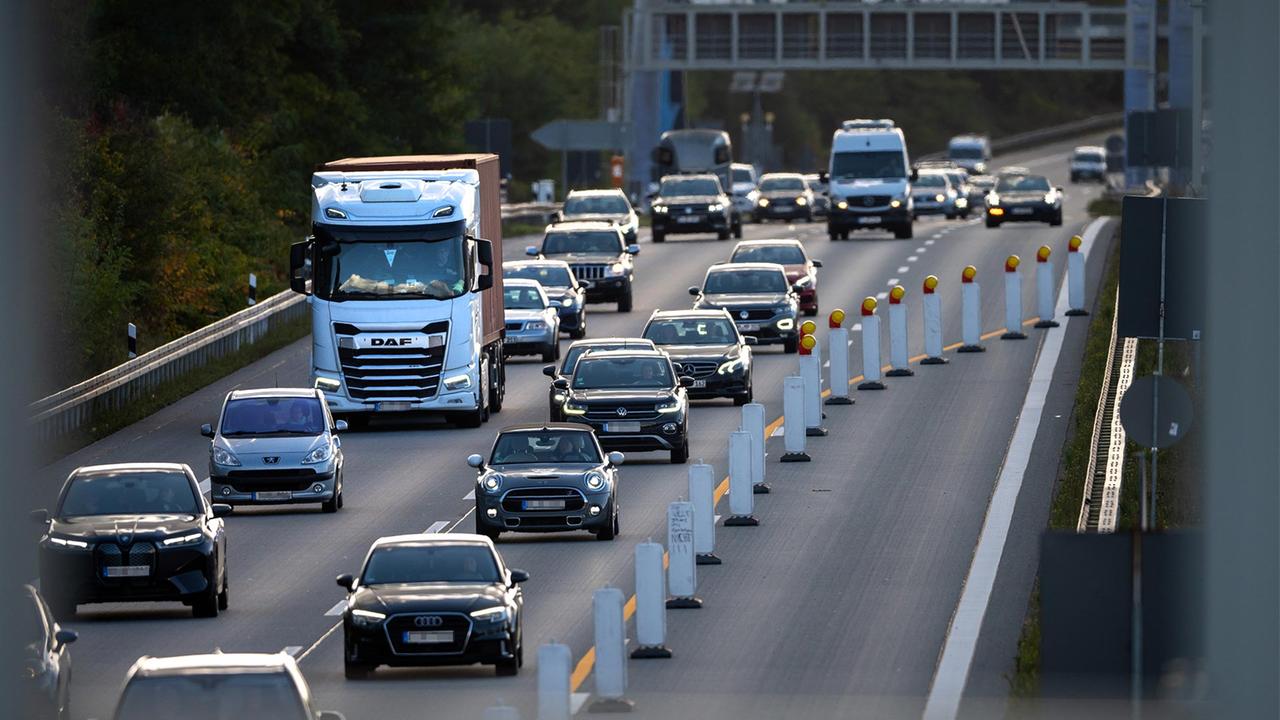
Currently, there are approximately 1,000 active construction sites on Germany’s motorway network. These zones, which require speed restrictions and lane closures, act as "traffic magnets," significantly reducing the capacity of major routes. When high traffic volume meets a narrowed lane, the resulting "stop-and-go" effect can create a ripple of congestion that extends for dozens of kilometers.
International Hotspots
The congestion is not isolated to Germany. Austria, a primary transit corridor for travelers heading to Italy and the Balkans, is currently undergoing major infrastructure projects. Notably, the Tauern Motorway (A10) and the Brenner Motorway (A13)—two of the most critical transit arteries in Europe—are both experiencing significant construction-related delays.
Furthermore, the Eurovision Song Contest (ESC) taking place in Vienna this year is expected to add a localized surge of traffic in and around the Austrian capital, further complicating regional transit.
Official Responses and Strategic Recommendations
The ADAC and other traffic authorities, including the Federal Ministry for Digital and Transport, have released a series of recommendations to mitigate the impact of the predicted traffic:
- Strategic Departure Planning: Authorities suggest departing either very early on Wednesday morning or pushing the trip to Thursday morning. Conversely, for those returning, leaving early on Sunday morning or waiting until Monday is highly recommended to avoid the primary Sunday evening crush.
- Navigation and Real-Time Data: Drivers are strongly encouraged to use live-traffic navigation systems. These tools are increasingly effective at rerouting drivers around localized incidents and construction-induced bottlenecks.
- Alternative Transit: For shorter distances, the ADAC suggests that travelers consider regional rail services. With the ongoing strain on the motorway network, trains often provide a more predictable arrival time for those traveling between major metropolitan hubs.
- Preparedness: Motorists are reminded to ensure their vehicles are in top condition—checking tire pressure, coolant, and battery health is essential, especially given that a breakdown in a traffic jam can lead to a dangerous and highly stressful situation for both the driver and emergency services.
Implications: A Broader European Dilemma
The situation underscores a broader European dilemma: the struggle to maintain aging infrastructure while facing a post-pandemic surge in road travel. The reliance on private vehicles for short-distance leisure travel remains at an all-time high, and the current road network is struggling to cope with the demand.
The implications for the economy and the environment are significant. Prolonged traffic jams result in substantial fuel waste, increased CO2 emissions, and a loss of productivity for those involved in commercial transport who share these routes. The conflict between the desire for individual mobility and the physical limits of the motorway network is expected to remain a central topic in European transport policy for the foreseeable future.
Summary for Travelers
If you are planning to travel this weekend, the message from the ADAC is clear: Patience is a prerequisite. Expect the journey to take significantly longer than standard GPS estimations suggest. Ensure you have adequate supplies, including water and snacks, and keep your fuel tank or battery charge topped up before entering major highways.
While the roads will be crowded, the spirit of the long weekend remains. By planning ahead, staying informed, and remaining calm behind the wheel, travelers can navigate the chaos of the Ascension Day weekend safely. As the ADAC concludes in its bulletin: "The holiday begins when you leave, but the relaxation starts when you stop rushing."








Leave a Reply