Executive Summary: A Cautious Upward Revision
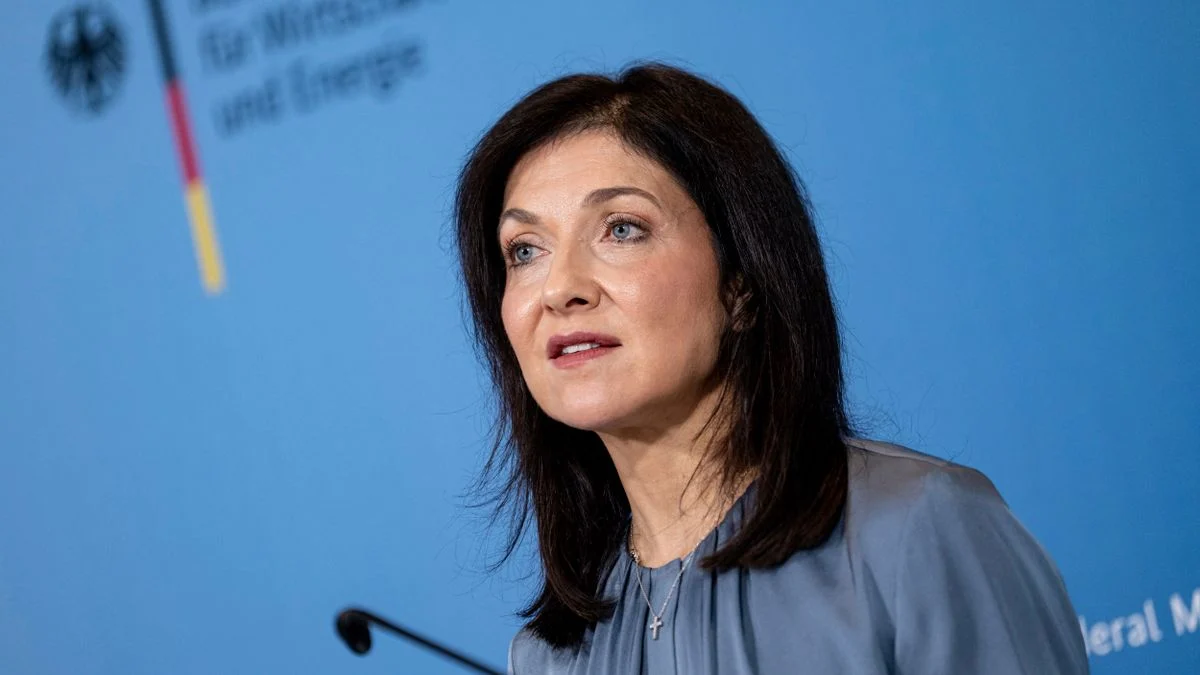
The German Federal Ministry for Economic Affairs, under the leadership of Minister Katherina Reiche (CDU), has unveiled its latest economic autumn forecast, signaling a more optimistic outlook for the nation’s economic trajectory than previously anticipated. The government now projects a 1.3 percent growth in Gross Domestic Product (GDP) for the current year. This marks a significant departure from the spring projection, where the ministry had estimated a modest growth of only 0.5 percent.
This shift in sentiment underscores a narrative of resilience. Despite the multifaceted challenges posed by the ongoing geopolitical instability in the Middle East and the protracted conflict in Ukraine, the German economy has defied earlier predictions of a stagnant, if not recessionary, period. The Ministry for Economic Affairs explicitly noted that the economy has proven "more resilient than expected," with a robust recovery observed throughout the first half of the year.
Chronology and Evolution of the Forecast
To understand the significance of the 1.3 percent growth figure, it is necessary to examine the evolution of these projections over the past several months.
The Spring Pessimism
In the spring, the German economic landscape was defined by high inflation, cooling industrial output, and widespread uncertainty regarding energy security. At that time, the government’s 0.5 percent forecast reflected a sense of caution, heavily influenced by the high-interest-rate environment imposed by the European Central Bank to combat inflation.
The Autumn Pivot
The autumn forecast acts as a corrective measure. As the year progressed, several factors—ranging from a stabilization in supply chains to stronger-than-anticipated export activity—contributed to an improved output. Government advisors and leading economic research institutes have largely aligned with the government’s newfound optimism, also forecasting a 1.3 percent growth rate for 2024.
The Mid-Term Horizon
Looking further ahead, the government’s outlook maintains a tempered perspective:
- 2027: The administration anticipates a growth of 1.1 percent.
- 2028: Growth is expected to decelerate to 0.6 percent.
This trajectory suggests that while the immediate recovery is gaining momentum, the structural challenges facing Germany—demographics, energy costs, and the pace of the green transition—remain significant hurdles that will likely dampen long-term growth potential.
Drivers of Growth: State Intervention and External Trade
The current economic revitalization is not being driven by a surge in private household consumption, but rather by deliberate, state-led initiatives.
The Engine of State Spending
The Ministry highlights that the economic uptick is largely supported by debt-financed government investments. These funds are primarily channeled into two strategic areas:
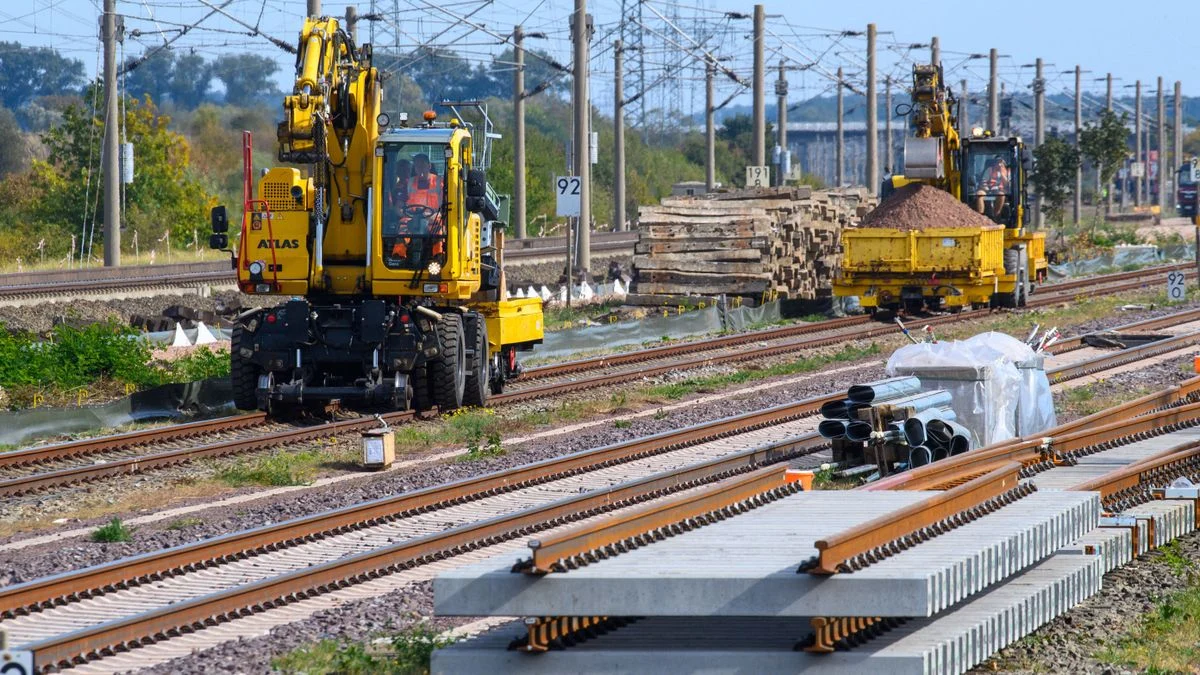
- Infrastructural Modernization: Long-overdue investments in digital and physical infrastructure.
- Defense Procurement: A substantial increase in funding for the Bundeswehr (German Armed Forces), necessitated by the shifting security landscape in Europe.
The Role of Foreign Trade
Beyond government spending, the German export sector has provided a crucial boost. Despite global economic cooling, German manufacturers have managed to capitalize on niche demand and remain a vital component of the international trade machinery.
The Consumption Paradox
A striking feature of the current forecast is the stark contrast between public and private consumption. While the government expects a robust 2.6 percent increase in public consumption, it anticipates a meager 0.3 percent rise in private consumption.
The Ministry explains this disparity by pointing to the lingering effects of the energy crisis. Although real wages are beginning to rise, the cumulative impact of previous price hikes continues to weigh heavily on consumer sentiment. Households remain cautious, prioritizing savings or debt reduction over discretionary spending. Furthermore, private business investments are expected to remain sluggish, with only a gradual recovery anticipated as the calendar turns into the next year.

Official Responses and Strategic Perspectives
Minister Katherina Reiche’s office has framed the current results as a testament to the fundamental strength of the German business model. The official messaging emphasizes that while external shocks—such as the volatility of energy markets—have been a drag on performance, the underlying industrial base remains capable of absorbing these impacts.
The Geopolitical Variable
The ministry is transparent about the risks that could derail this recovery. The forecast is explicitly contingent on the evolution of global conflicts, particularly in the Ukraine and the Middle East.
- The Energy Nexus: The ministry noted that a "sustainable solution" to these crises, which would facilitate a permanent decline in global energy prices, is a prerequisite for accelerating the current recovery.
- The Risk of Escalation: Conversely, any further escalation in these regions—potentially causing renewed spikes in commodity and energy costs—poses a significant risk to both corporate bottom lines and the purchasing power of the average consumer.
Comparative Analysis: Government vs. Economic Institutes
The German government is not acting in isolation with these figures. The leading German economic research institutes have mirrored these sentiments in their own autumn reports.
| Year | Gov. Forecast (Autumn) | Leading Institutes Forecast |
|---|---|---|
| 2024 | 1.3% | 1.3% |
| 2027 | 1.1% | 1.1% |
| 2028 | 0.6% | 0.4% |
While there is a consensus for the near term, a divergence appears as we look toward 2028. The research institutes are slightly more pessimistic, projecting a growth rate of only 0.4 percent, compared to the government’s 0.6 percent. This suggests that while both parties agree on the current momentum, the independent institutes may be factoring in more aggressive structural drags or fiscal constraints than the current political leadership is willing to acknowledge.
Implications for the German Economy
The implications of this forecast are broad and impact both policy and public perception.
Fiscal Policy Challenges
The reliance on "debt-financed investments" creates a complex debate within the German political sphere. While these investments provide the necessary impetus for growth, they collide with the constitutional "debt brake" (Schuldenbremse). Balancing the need for modernization—especially in defense and climate-neutral technology—with fiscal discipline will remain the defining challenge for the current coalition and future administrations.
Industrial Policy and Energy
The Ministry’s emphasis on energy prices as a determining factor for growth confirms that Germany’s "industrial heart" is still heavily dependent on energy affordability. The transition to renewable energy sources, while critical for the long-term, is currently perceived as a source of cost-pressure for companies. The challenge for the coming years will be to bridge the gap between high-cost, short-term energy transitions and the need for competitive industrial pricing.
Labor Market and Private Consumption
The "verdict of the consumer" is perhaps the most concerning aspect of the report. If private consumption does not pick up, the German economy will remain overly reliant on external shocks and government spending. For a sustained, organic recovery, the government needs to foster a climate where wage increases effectively translate into increased consumer confidence. This requires a stable inflationary environment and perhaps targeted tax relief, which remains a subject of intense domestic political debate.
Conclusion: A Delicate Balancing Act
The German government’s autumn forecast paints a picture of a nation that has successfully navigated the worst of the recent storm but is not yet in the clear. The move from 0.5 percent to 1.3 percent growth is a positive development that offers a much-needed morale boost to the economy.
However, the reliance on state spending and the vulnerability to geopolitical volatility indicate that Germany’s path forward is narrow. The country is in a transitional phase, moving away from an energy-heavy, export-dependent model toward one that must grapple with domestic investment, geopolitical risk management, and the slow recovery of the individual consumer. Whether this "growth course" can be sustained into 2028 and beyond will depend not just on government policy, but on the ability of the private sector to innovate under pressure and the capacity of global politics to move toward a more stable equilibrium.
For the policymakers in Berlin, the message is clear: the economy has proven its resilience, but long-term prosperity will require more than just reacting to crises—it will require a fundamental reassessment of how Germany finances its future and secures its place in a volatile global market.