Nvidia continues to push the boundaries of AI-driven graphical fidelity. Following the initial launch of DLSS 5 last month, the company has announced a significant mid-cycle update arriving this coming Friday, October 16. The update promises to double the efficiency of the AI model responsible for "3D-Guided Neural Rendering," marking a massive leap forward in how hardware handles complex visual reconstruction.
For gamers utilizing the latest RTX 50-series hardware and high-end "RTX Spark" laptops, this update represents more than just a minor patch; it is a fundamental shift in how effectively AI can balance raw performance with memory constraints.

The Evolution of DLSS: A Chronology of Progress
To understand the weight of this announcement, one must look at the rapid maturation of Nvidia’s DLSS (Deep Learning Super Sampling) technology. Since its inception, DLSS has evolved from a simple upscaling tool into a sophisticated suite of features that now includes frame generation, ray reconstruction, and, most recently, 3D-Guided Neural Rendering.
When DLSS 5 was first unveiled this past March, it set a new benchmark for image quality and stability. However, early benchmarks suggested that the computational overhead required to maintain such high-fidelity neural rendering was substantial.
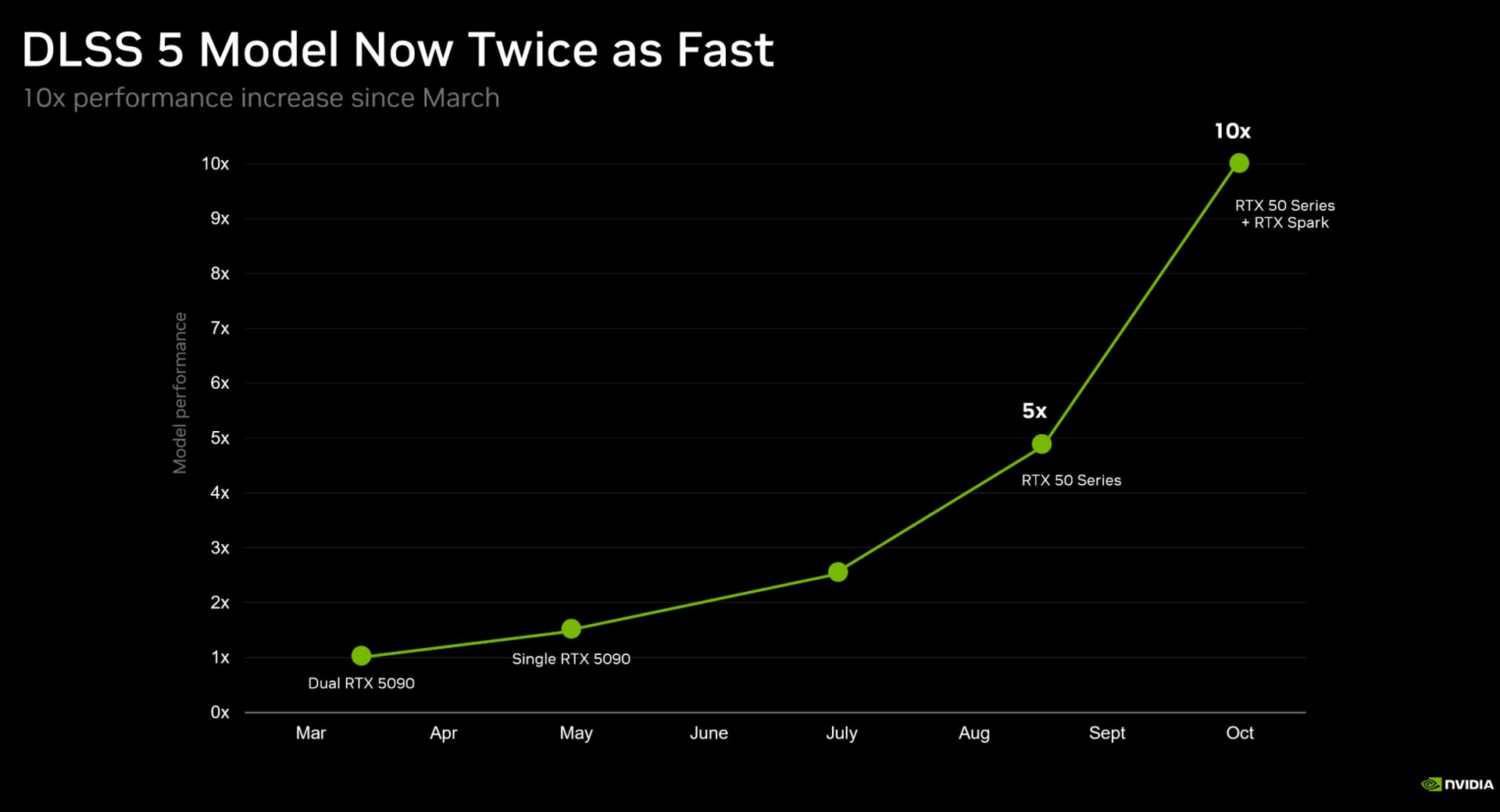
In September, the technology saw its official public debut in the basketball title NBA 2K27. The feedback was immediate: while the visual improvements were undeniable, users were keen to see how Nvidia would optimize the performance cost associated with the heavy AI processing. With the upcoming October 16 update, Nvidia is addressing those concerns directly, claiming that the runtime performance of the DLSS 5 model has increased tenfold since its initial announcement in March.
Technical Deep Dive: Efficiency Through Refinement
The core of the upcoming update lies in "systematic pipeline optimizations and refinements of the neural model." Nvidia has managed to achieve a 2x performance increase in the model’s execution speed compared to the version released just last month.
Shrinking the Model, Expanding the Performance
A critical aspect of this update is the reduction of the model’s complexity. By optimizing the neural network, Nvidia has managed to reduce the total number of parameters by 24 percent, bringing the total down to 118 million. This reduction is not merely a statistical curiosity; it has tangible benefits for the end-user.
Most notably, the VRAM (Video RAM) requirement for 4K rendering has dropped by approximately 20 percent. In an era where high-resolution textures and complex geometry often push GPU memory to its absolute limits, this reduction provides much-needed headroom for other graphical processes.

Furthermore, Nvidia claims that the GPU overhead—the "cost" of running the DLSS algorithm itself—will be halved compared to the September release. Crucially, the company asserts that this has been achieved without compromising visual fidelity, citing "comparable image quality" despite the streamlined nature of the model.
Supporting Data: Performance Gains in the Real World
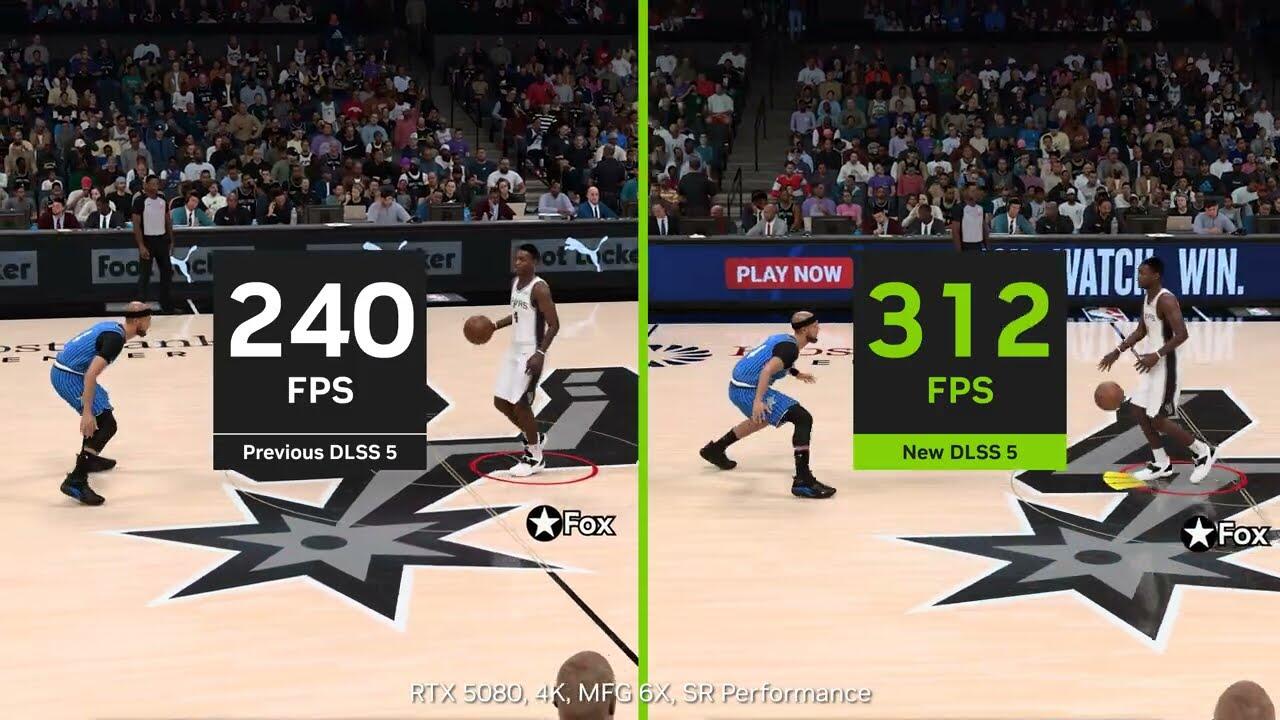
The most immediate beneficiary of this update is NBA 2K27, which will receive the patch on October 16. According to official performance metrics provided by Nvidia, players can expect up to 40 percent higher frame rates compared to the launch version of DLSS 5.

While the term "40 percent" is an "up to" metric, the implications are significant. For owners of RTX 50-series cards, this essentially means that high-refresh-rate 4K gaming becomes significantly more attainable, even in titles that push the boundaries of current rendering techniques.
The update is not restricted to desktop hardware. Users of the new "RTX Spark" laptop series, which also launches this Friday, will see the benefits of this optimized model out of the box. Additionally, the update will be deployed across the GeForce Now cloud gaming infrastructure, ensuring that even those who do not possess the latest hardware can experience the performance gains of the refined AI model.
Expanding the Ecosystem: Hogwarts Legacy and Beyond
Nvidia’s commitment to DLSS 5 extends beyond immediate performance patches; it is actively expanding the library of supported titles. Two major titles have been highlighted as the next beneficiaries of this technology.
Hogwarts Legacy: A New Visual Standard
Perhaps the most high-profile inclusion is the open-world RPG Hogwarts Legacy. Scheduled to receive a DLSS 5 patch on November 5, the game will integrate 3D-Guided Neural Rendering, which promises to significantly enhance the lighting, shadows, and overall atmospheric depth of the wizarding world.
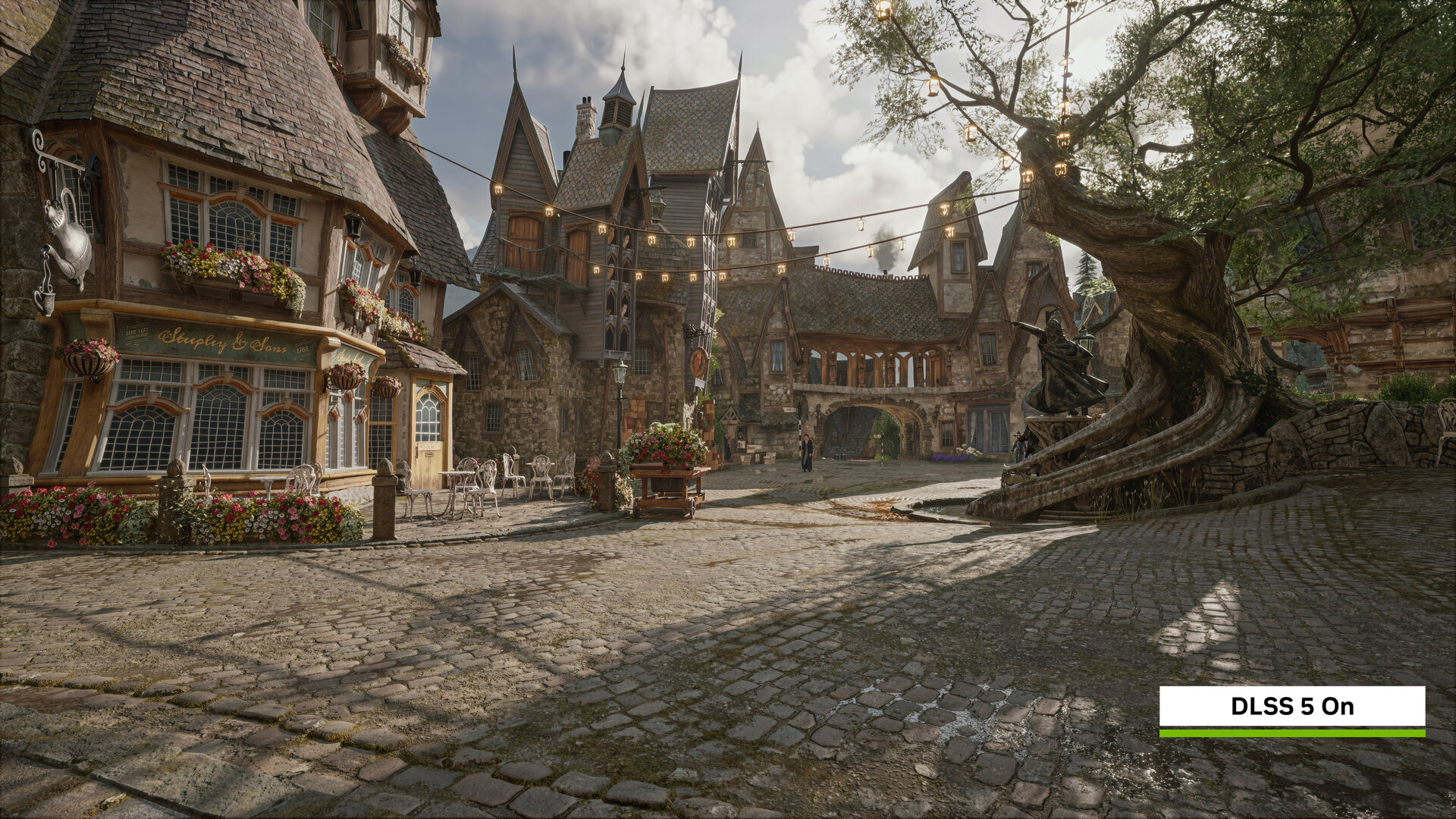
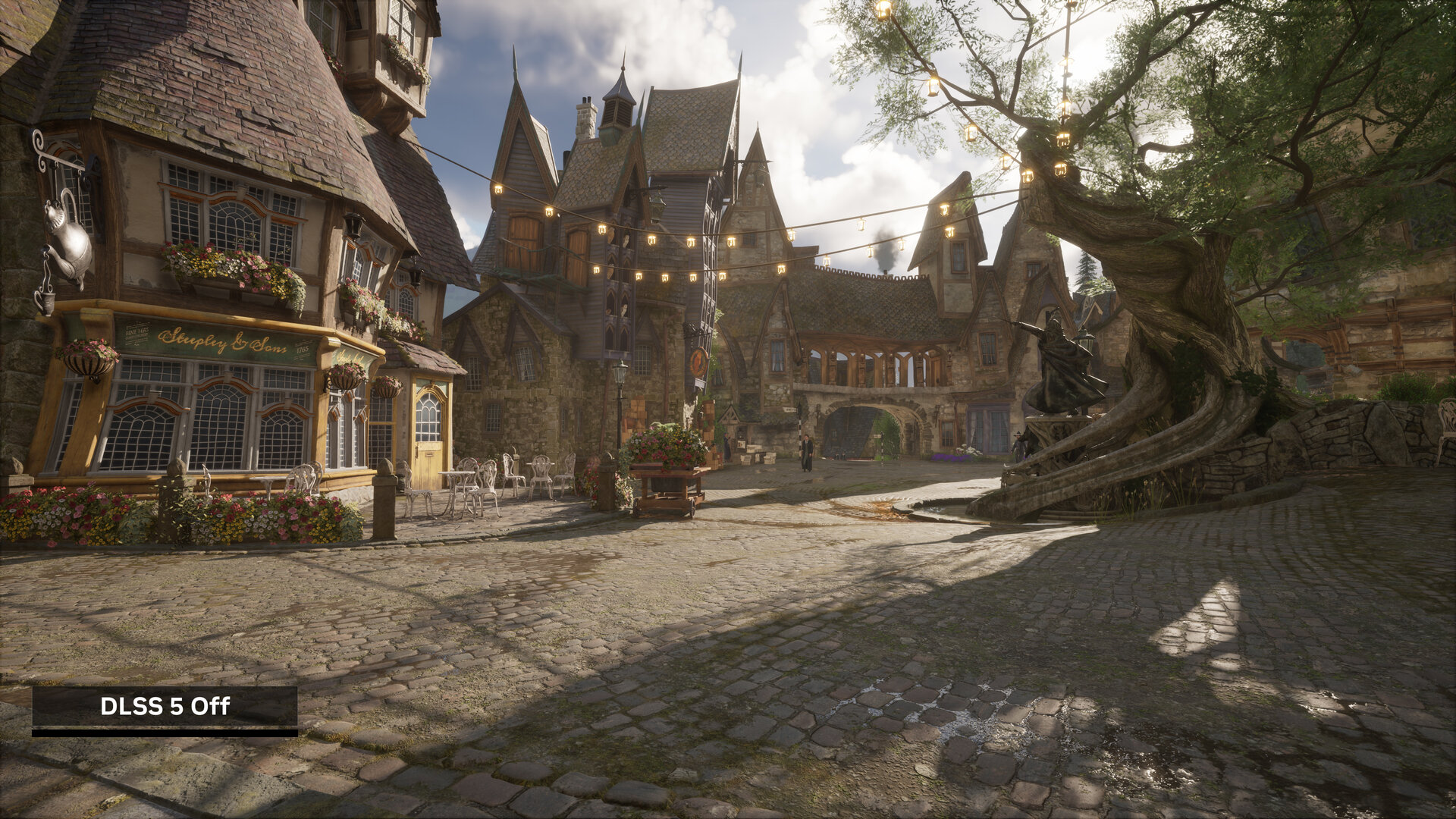
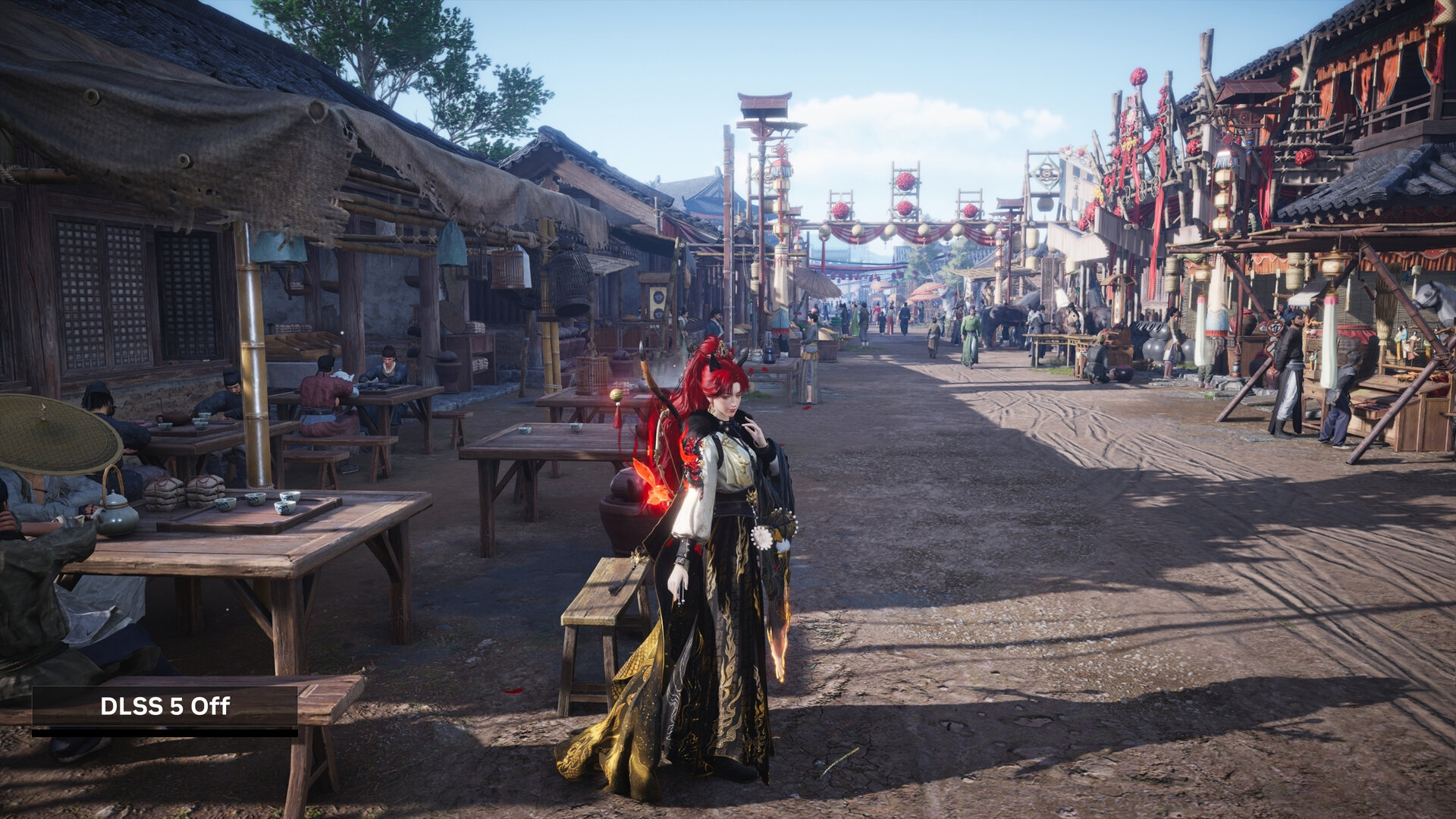
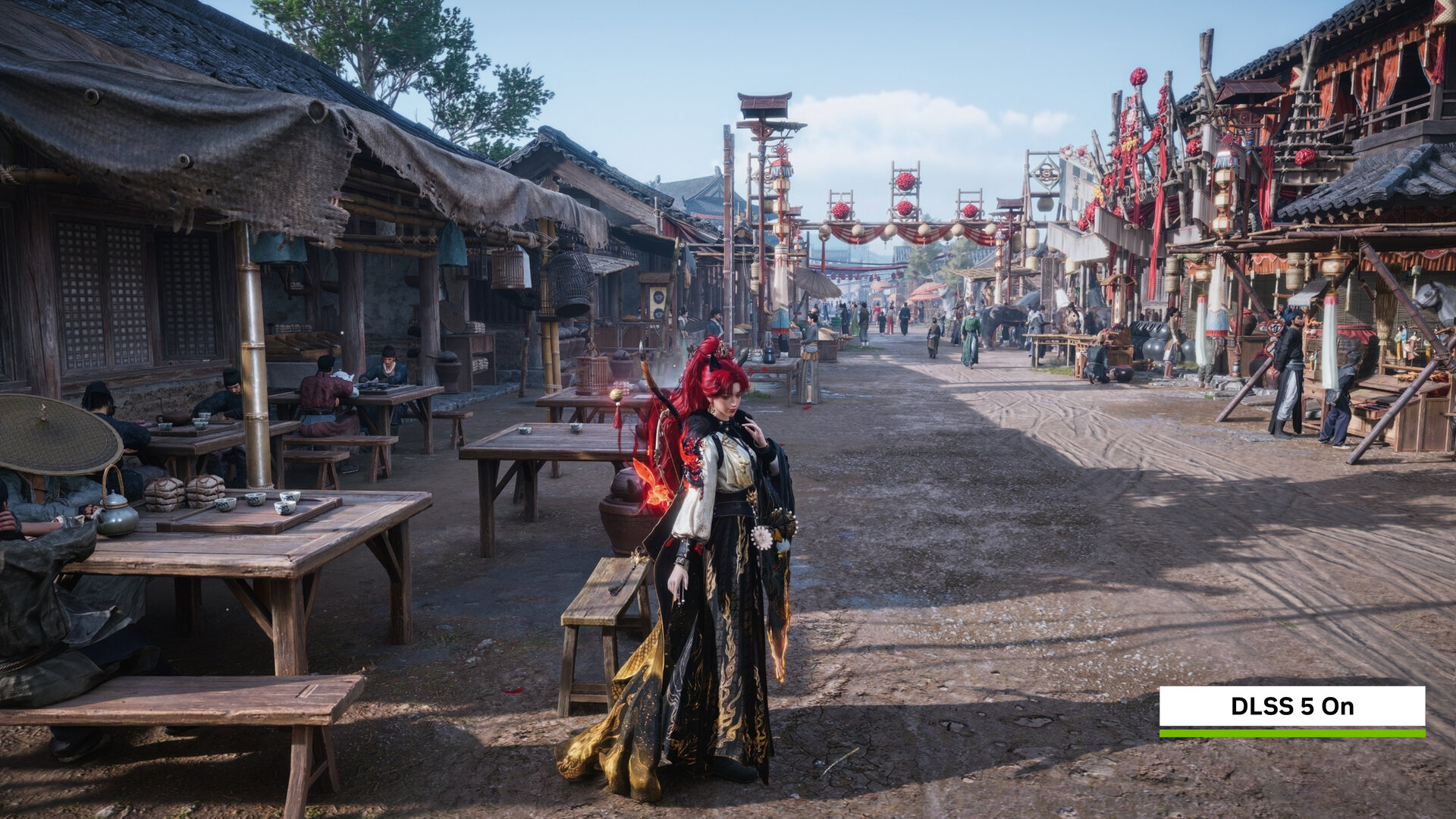
Nvidia has provided early side-by-side comparisons showing the game with and without the update. The differences in depth-of-field, ambient occlusion, and the handling of complex particle effects are distinct, suggesting that DLSS 5 will become the definitive way to experience the title for those with capable hardware.
Where Winds Meet
The action-adventure title Where Winds Meet is also slated for a DLSS 5 update, expected to arrive later in November. Given the game’s focus on fluid combat and sprawling, detailed environments, the integration of DLSS 5 is expected to provide the stability and sharpness required for high-motion gameplay.

Official Responses and Strategic Implications
Nvidia’s strategy appears to be a two-pronged approach: technical refinement and aggressive software integration. By constantly iterating on the model size and efficiency, Nvidia is effectively "future-proofing" its hardware.
The move to reduce the parameter count of the AI model suggests that Nvidia is moving toward a more efficient, scalable future. If the company can maintain—or even improve—visual quality while reducing the memory and compute burden, it effectively lowers the barrier to entry for users who may have previously been deterred by the high resource costs of early neural rendering techniques.
Industry analysts suggest that this rapid-fire release schedule—moving from a March announcement to an October optimization—indicates that the AI "arms race" in gaming is moving faster than any other sector of graphics development. Nvidia is not just selling hardware; they are selling a service that improves over time through software, which is a powerful incentive for long-term customer loyalty.
Conclusion: The Future of Neural Rendering
As we look toward the end of the year, it is clear that 3D-Guided Neural Rendering is no longer an experimental feature; it is becoming a cornerstone of the modern gaming experience. The ability to achieve a 40 percent performance increase through a software update is a testament to the power of AI-driven optimization.
For the average gamer, the message from Nvidia is clear: the hardware you own today will be significantly more capable in the coming months as these updates roll out. With Hogwarts Legacy and Where Winds Meet leading the charge into the November update cycle, the PC gaming community is witnessing the transition from traditional rasterization to an era where the GPU acts as an intelligent partner in constructing the digital worlds we inhabit.
Whether the claims of "comparable image quality" hold up under the scrutiny of independent technical reviewers remains to be seen. However, if the trajectory of the last six months is any indication, Nvidia is well on its way to cementing DLSS 5 as the gold standard for high-performance, high-fidelity gaming. As the industry shifts, one thing is certain: the software that drives our games is becoming just as important as the silicon that runs them.