

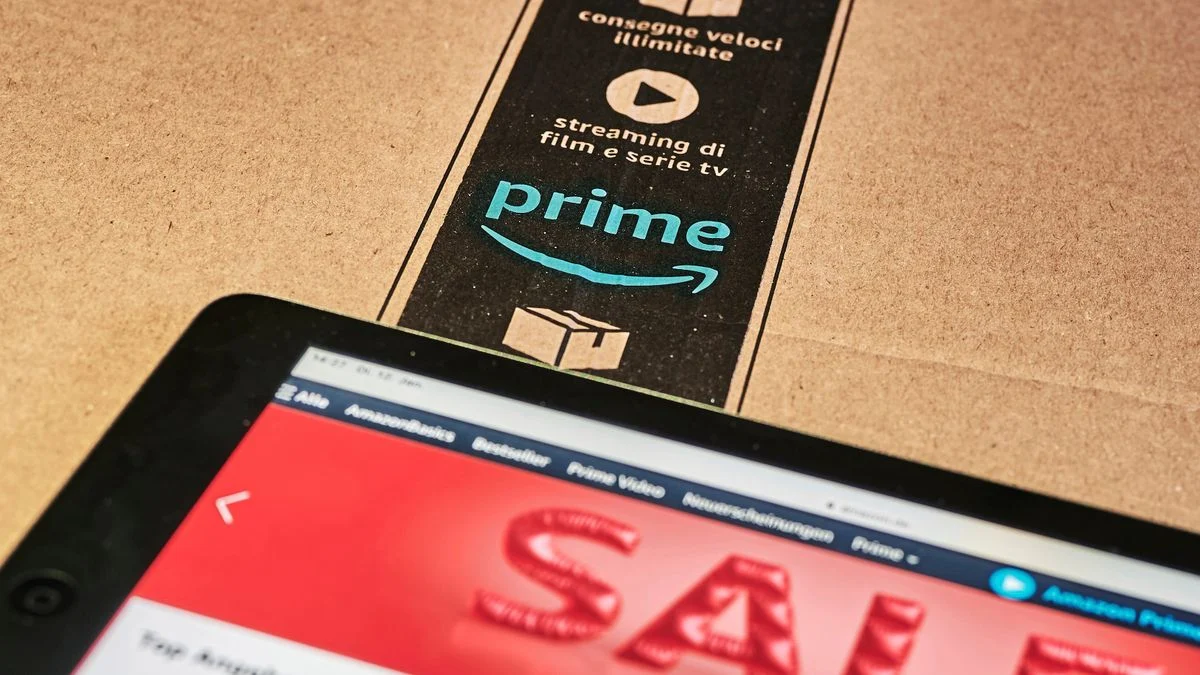
In the digital landscape of the 21st century, few subscriptions have become as ubiquitous as Amazon Prime. What began as a simple "free two-day shipping" service in 2005 has morphed into an all-encompassing digital ecosystem. From high-speed logistics and streaming entertainment to cloud storage and exclusive shopping events like the "Prime Day," Amazon has successfully woven itself into the fabric of daily consumer life.
However, as the company steadily increases its membership fees and integrates more advertising into its streaming platforms, a growing chorus of subscribers is asking a critical question: Is Amazon Prime still a value-for-money proposition, or has it become a "convenience trap"?
The Evolution of a Retail Titan
To understand the current skepticism, one must look at the trajectory of the service. Originally launched to incentivize repeat purchasing, Prime fundamentally altered consumer expectations regarding delivery times. By decoupling shipping costs from individual transactions, Amazon created a psychological "sunk cost" effect: members feel compelled to shop exclusively on Amazon to "get their money’s worth."
Over the last two decades, the service has expanded aggressively. The integration of Prime Video, Amazon Music, Prime Reading, and cloud photo storage turned the subscription from a retail utility into a media conglomerate. Yet, as the bundle has grown, so has the price tag, leading to a shift in the service’s value proposition.
Chronology of a Subscription Giant
- 2005: Amazon launches Prime in the United States, offering unlimited two-day shipping for $79 per year.
- 2011: The launch of Prime Instant Video (later Prime Video) marks the transition from a shipping service to a content platform.
- 2014: Prime Music is introduced, adding a streaming component to the existing bundle.
- 2015: Amazon inaugurates "Prime Day," a shopping event designed to rival Black Friday, effectively cementing the service’s role as a retail gatekeeper.
- 2018-2022: Amazon implements significant price hikes in major markets, citing rising operational costs and increased investment in original content.
- 2024: Amazon introduces advertising into Prime Video, requiring an additional fee to maintain an ad-free experience, sparking widespread consumer backlash.
The Economic Data: What are you actually paying for?
For the average consumer, calculating the return on investment (ROI) of a Prime subscription requires breaking down the utility of each component.
1. The Shipping Paradox
Logistics remain the core of Prime. However, the rise of "Third-Party Sellers" has complicated this. Many items available on Amazon are now shipped by independent vendors, meaning the "Prime" label does not always guarantee the same 24-hour turnaround as it did a decade ago. Furthermore, with the rise of competitive shipping options from retailers like Walmart+ or Target, Amazon’s logistical dominance is no longer unchallenged.
2. The Content Saturation
Data from recent market research suggests that the average subscriber uses less than 40% of the services included in the Prime bundle. While Prime Video holds prestige titles like The Lord of the Rings: The Rings of Power, the inclusion of ads—and the subsequent "pay-to-remove" tier—has effectively increased the cost of the service for long-term users.
3. The Hidden Costs of Convenience
Analysts argue that Prime’s greatest success is not the shipping speed, but the reduction of "friction." By keeping credit card data on file and offering "Buy Now" buttons, Amazon discourages price comparison. Studies indicate that Prime members spend, on average, two to three times more annually than non-members. In this context, the membership fee is arguably a "loyalty tax" that keeps the consumer within the Amazon silo.
Official Responses and Corporate Strategy
Amazon maintains that its pricing strategy is reflective of the immense value provided to members. In various shareholder communications and press releases, Amazon leadership has emphasized that the cost of Prime has not risen as fast as the cost of living or inflation.
"We continue to invest heavily in the Prime experience," an Amazon spokesperson noted in a recent fiscal briefing. "From the expansion of our same-day delivery network to the production of high-quality, award-winning entertainment, the breadth of the Prime membership remains unmatched in the industry."
However, the company remains tight-lipped regarding the specific revenue split between its advertising business and its subscription fees. As Prime Video becomes a significant source of ad revenue, industry experts suggest that the company is moving toward a hybrid model, where the subscriber is both the customer and the product being sold to advertisers.
Implications: A Shifting Consumer Sentiment
The implications of this shift are profound for both the tech industry and the retail sector.
The "Subscription Fatigue" Effect
Consumers are increasingly overwhelmed by the sheer number of monthly subscriptions—Netflix, Spotify, Apple iCloud, and Amazon Prime. This leads to "churn," where users subscribe for a specific event (like a major TV show release or the holiday shopping season) and cancel immediately after. This behavior forces companies like Amazon to introduce more "lock-in" mechanisms, such as long-term discounted annual plans, to stabilize their user base.
The Erosion of Brand Loyalty
The "Prime Day" phenomenon, once a hallmark of extreme savings, has faced criticism for "inflation-adjusted" deals where prices are raised weeks before the event only to be "discounted" during the sale. This has led to a measurable decline in consumer trust. Younger demographics, particularly Gen Z, are showing a higher propensity to shop via decentralized platforms or direct-to-consumer (DTC) brands, bypassing the Amazon ecosystem entirely.
Expert Analysis: Is it Time to Cancel?
Financial advisors often suggest that users perform an "annual subscription audit." If a user does not order from Amazon at least once every two weeks, or if they rarely use Prime Video or Amazon Music, the annual fee—often exceeding $100—is mathematically difficult to justify.
Furthermore, with the introduction of ad-supported streaming tiers, the value proposition has shifted. If the primary reason for a subscription was ad-free content, the current structure necessitates an upgrade that further inflates the cost.
Recommendations for the Modern Consumer:
- Track Usage: Monitor how many packages you actually receive in a month. If the shipping savings don’t exceed the monthly cost of the membership, the value is lost.
- Evaluate Content Needs: If you already subscribe to Netflix, Disney+, or Max, consider if Prime Video adds enough unique value to justify the bundle.
- Use Free Alternatives: Many retailers now offer free shipping with lower thresholds, and library-based digital services often provide free access to e-books and audiobooks, rendering Prime Reading and Prime Music redundant for many users.
Conclusion
Amazon Prime is currently at a crossroads. It has successfully captured a massive global audience, but the "gold rush" era of cheap, high-value, ad-free convenience is coming to a close. As the company pushes for higher margins through advertising and tiered services, the consumer must weigh the benefits of instant gratification against the reality of a recurring cost that, for many, no longer pays for itself.
Whether Amazon can maintain its dominance in the face of increasing subscription fatigue remains to be seen. What is clear, however, is that the era of "blind loyalty" to the Prime badge is over. In the current economic climate, the most valuable asset a consumer has is their attention and their wallet—and it is up to the individual to decide if the ecosystem remains worth the investment.

























