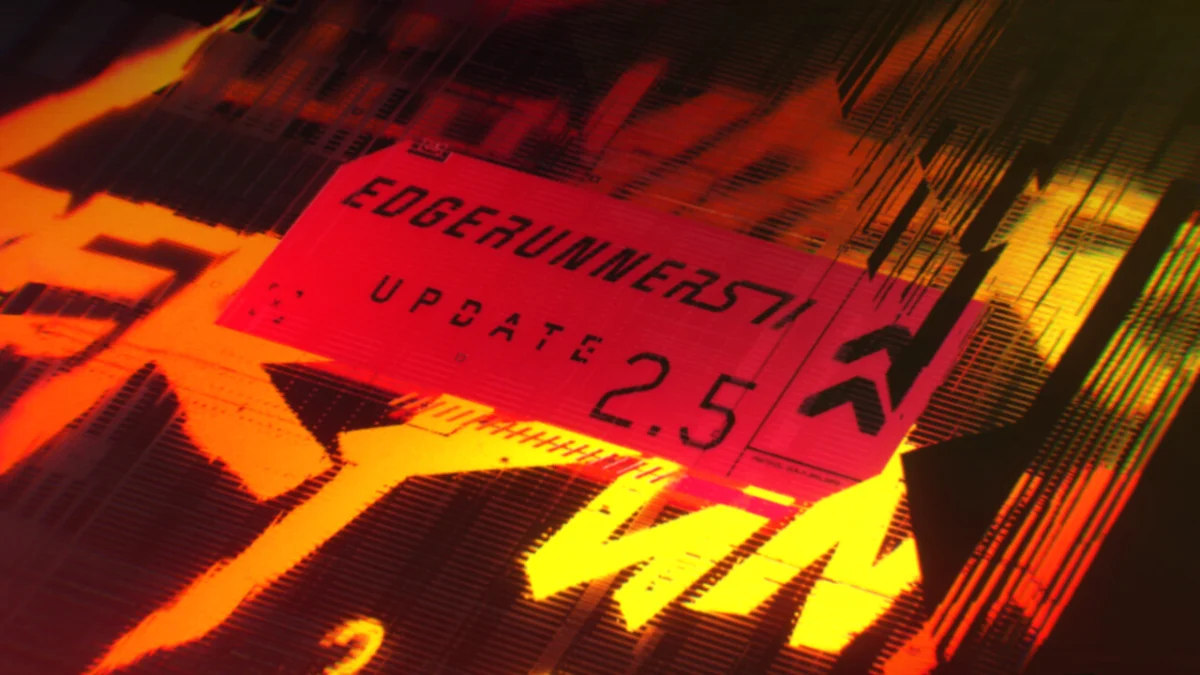
Nearly six years after its tumultuous debut, CD Projekt Red’s Cyberpunk 2077 continues to defy the typical lifecycle of a AAA title. With the release of the massive version 2.5 update on October 22, the developers have once again proven their commitment to transforming the game into a definitive RPG experience. This update is not merely a collection of bug fixes; it is a fundamental expansion of gameplay mechanics, visual fidelity, and community accessibility.
The Evolution of Night City: A Chronological Overview
To understand the significance of update 2.5, one must look at the trajectory of Cyberpunk 2077. Following a disastrous launch in December 2020, the game spent years in a state of rehabilitation. The turning point came with the transition to current-gen consoles, the release of the acclaimed Edgerunners anime, and the transformative 2.0 overhaul that revamped the core skill and police systems.
Version 2.5 represents the next logical step in this evolution. While previous updates focused on fixing foundational cracks, 2.5 is an act of "polishing the chrome." By integrating community modding into the console ecosystem and introducing experimental combat features like dual-wielding, CD Projekt Red is signaling that the game has moved past the "recovery phase" and into a phase of creative expansion.
Breaking the Console Ceiling: Official Mod Support
Perhaps the most groundbreaking change in this update is the formal integration of modding tools for PlayStation 5 and Xbox Series X|S. Historically, console players were relegated to the "vanilla" experience, while PC users enjoyed a vibrant ecosystem of community-made tweaks and content.
The mod.io Integration
By partnering with the platform mod.io, CD Projekt Red has bridged this gap. Players can now browse, search, and install mods directly within the game’s menu, bypassing the need for manual file management—a notoriously difficult task on closed console systems.
However, the implementation is curated. CD Projekt Red has clarified that the full catalog of PC mods will not be available immediately. The developers are opting for a "whitelisted" approach, ensuring that mods are stable and compatible with the console environment. As the studio refines the integration, they intend to expand this library over time.
The Cost of Modification
There is a trade-off for console players who opt into this new freedom: Achievement and Trophy support. Enabling mods will trigger a flag on save files, effectively disabling the ability to unlock progression-based accolades for that specific playthrough. This decision maintains the integrity of the game’s achievement ecosystem while allowing players to customize their experience as they see fit.
Expanding the Narrative: The Edgerunners Connection
Capitalizing on the cultural phenomenon of the Cyberpunk: Edgerunners Netflix series, version 2.5 deepens the lore of Night City. With the second season of the anime now live, CD Projekt Red has introduced two new narrative missions that serve as bridges to the show’s gritty world.
- "Clampdown": This mission serves as a prequel to the events of the second season. Players who have completed the "The Heist" mission and navigated the favor-based questline for the fixer Wakako can trigger this narrative. The reward—a five-piece gear set themed after the character King—provides a tangible incentive for fans of the series to jump back into the streets.
- "Welcome to Paradise": This mission offers a more atmospheric, lore-heavy experience. Players are invited on a guided city tour narrated by the enigmatic founder of Night City, Richard Night. It serves as a love letter to the game’s world-building, rewarding players who have reached a Street Cred level of 15 or higher.
Additionally, the expansion of the "Fool on the Hill" questline with twelve new hidden Tarot cards invites players to slow down and appreciate the intricate environmental storytelling that defines the game’s open world.
Combat and Cyberware: The Dual-Wielding Revolution
The combat mechanics of Cyberpunk 2077 have received a significant boost with the introduction of the "Double Trouble" perk. Located within the Coolness skill tree, this perk finally allows players to wield two pistols or revolvers simultaneously.
The system goes beyond a simple visual change; it is supported by four specialized sub-perks that deepen the tactical nuance of the dual-wielding style. This adds a new layer of fluidity to the gunplay, allowing for high-mobility, "gunslinger" character builds that were previously impossible.
Aesthetic Customization
The update also addresses the player’s desire for personal expression through "Glamdocs." Five new specialists have been added to Night City, offering services to customize the visual appearance of high-end cyberware like Mantis Blades, Gorilla Arms, and the Monowire. Each vendor features a unique, voice-acted introduction, further grounding these aesthetic choices in the game’s immersive social fabric.
Technological Prowess: DLSS 4.5 and Visual Advancements
For the PC demographic, version 2.5 is a technical showcase. The inclusion of DLSS 4.5 and the second-generation Transformer model represents the cutting edge of upscaling technology.
The 6x Multi Frame Generation
Perhaps the most impressive technical feat is the introduction of "dynamic Multi Frame Generation." On compatible Nvidia hardware, this allows for the generation of up to five additional frames for every single rendered frame. Nvidia is branding this as "6x Multi Frame Generation," a massive leap in fluidity for high-end users.
Conversely, while FSR 3.1’s frame generation is maintained, the team has opted to deprecate FSR 3.0 as an upscaling method in favor of the more stable FSR 2.1 and 4 iterations. AMD users also receive native integration of Anti-Lag 2 directly within the game’s settings menu, a welcome quality-of-life improvement for competitive shooters.
Display Innovations
The update also caters to high-end hardware enthusiasts, including support for the Samsung Odyssey 3D monitor, allowing players to experience Night City in stereoscopic 3D without the need for cumbersome glasses. Mac users, meanwhile, gain access to MetalFX Frame Interpolation, ensuring that the Apple ecosystem remains a viable platform for the game.
Official Responses and Strategic Implications
CD Projekt Red’s decision to continue supporting Cyberpunk 2077 this far into its lifecycle suggests a strategic pivot. By maintaining a high level of engagement, the studio is building a "forever" platform—a game that serves as a permanent showcase for their engine and design philosophy.
"Our goal with 2.5 was to listen to the specific, lingering requests from the community," a spokesperson for the studio noted during the press briefing. "Whether it was the desire for dual-wielding or the need for a more integrated modding experience on consoles, these changes reflect a desire to let the players define what Night City is for them."
The Road Ahead
The implications of this update are profound. By opening consoles to mods and pushing the boundaries of frame generation, CD Projekt Red is positioning Cyberpunk 2077 as a technical benchmark for the remainder of the current console generation.
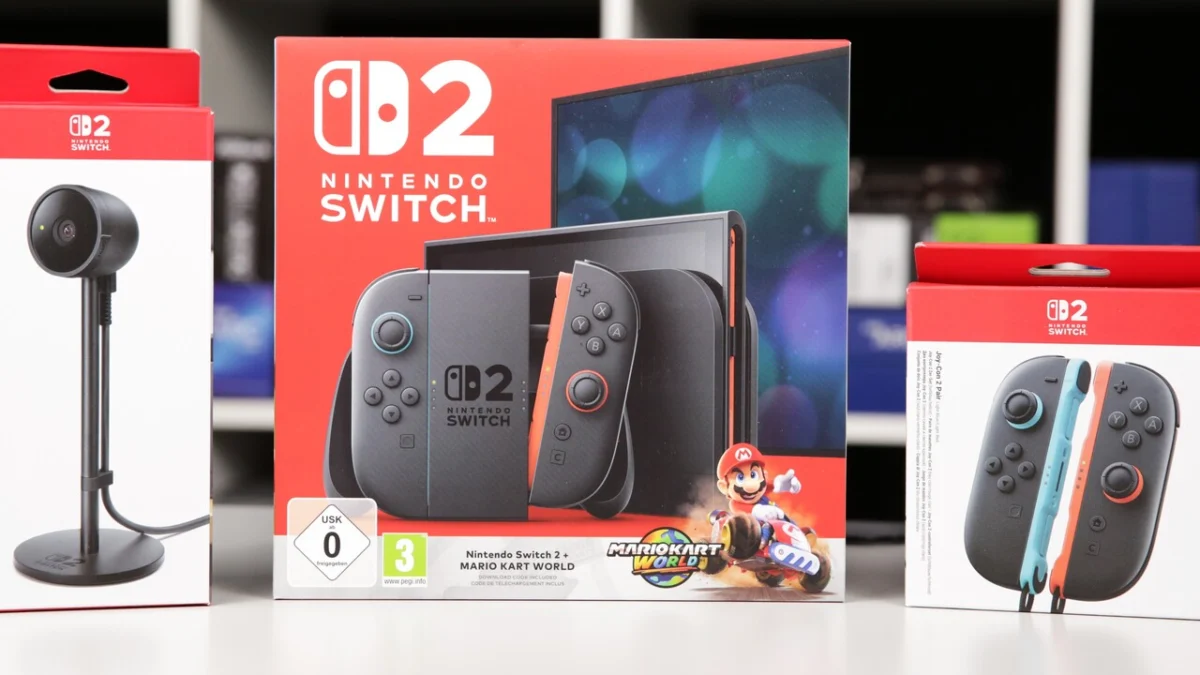
For the industry at large, the game stands as a testament to the "redemption arc." What was once the poster child for a botched launch has become a masterclass in post-launch support. As the Nintendo Switch 2 and additional Mac versions prepare for launch in the coming days, the footprint of Cyberpunk 2077 continues to grow, ensuring that even years after its release, Night City remains one of the most visited and vibrant digital destinations in gaming history.
The update is available now across all major platforms, including Steam, GOG, and the Epic Games Store, marking the beginning of yet another chapter in the neon-soaked history of V and their struggle for survival in a world that never sleeps.