Recent developments have plunged the critical satellite internet service, Starlink, into a fresh controversy, as its proprietor, tech billionaire Elon Musk, has publicly accused Ukraine of violating its terms of service. Musk alleges that the Ukrainian military leveraged the Starlink network for "deadly drone attacks," asserting that the system is intended as a "civilian system – not a means to kill." This accusation comes amidst reports of service disruptions and a deteriorating relationship between Kyiv and certain influential US figures, notably former President Donald Trump, as detailed in the original report.
The contentious claims, made by Musk on his social media platform X, underscore the complex ethical and operational challenges posed by commercial technology in modern warfare. While Starlink has been undeniably instrumental in Ukraine’s defense since the full-scale Russian invasion, Musk’s latest statements and the subsequent alleged "loophole" closure highlight the delicate balance between humanitarian aid, military necessity, and corporate policy. Ukrainian officials, after days of reporting service slowdowns, have since confirmed a return to "stable connection," though the underlying tensions persist.
Main Facts: An Unprecedented Accusation
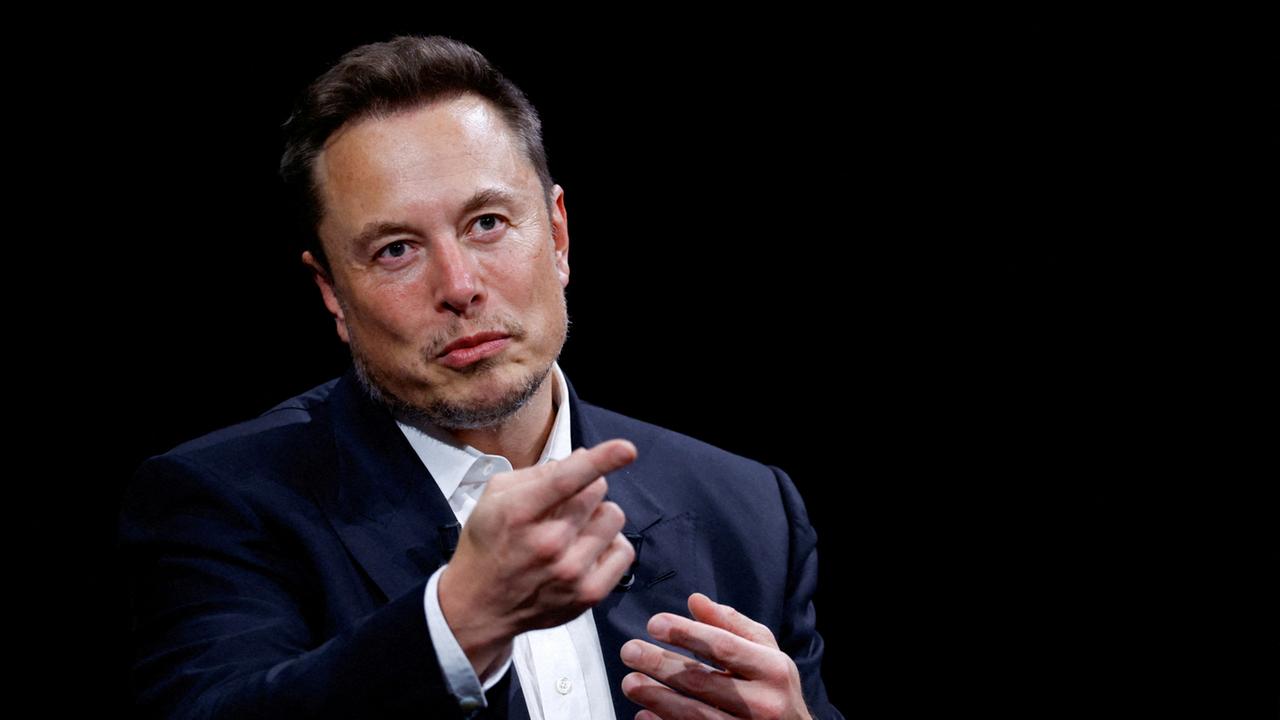
In a striking revelation that has sent ripples through both technological and geopolitical spheres, Elon Musk, CEO of SpaceX and owner of the Starlink satellite internet constellation, has leveled a serious accusation against the Ukrainian military. Speaking via his social media platform X, Musk claimed that Ukraine had been using Starlink for "offensive drone attacks… to kill people," a direct breach of the service’s terms of use. He emphatically stated that Starlink is fundamentally a "civilian system" and not designed to be "a means to kill."
Crucially, Musk also asserted that the alleged "loophole" enabling such misuse was identified and subsequently closed in the preceding week. This action, taken unilaterally by SpaceX, has raised significant questions about the control and oversight of critical infrastructure provided by private entities during wartime. Despite the stern accusation, Musk reiterated Starlink’s vital role in Ukraine’s ongoing defense, warning that without it, the "Ukrainian front line would immediately collapse," as it remains the only system "that at least currently cannot be jammed or destroyed."
The accusation followed days of complaints from Kyiv regarding a slowdown in Starlink services and its military-grade counterpart, Starshield. Ukrainian Defense Minister Jewhenij Chmara eventually reported that "monitoring systems record a recovery of Starlink speed," confirming a "stable connection" had been re-established. The episode, however, reignites debates about the conditions under which such technology is deployed, its dual-use nature, and the considerable influence wielded by private individuals like Musk in international conflicts.
Chronology of Escalation and Resolution
The current controversy around Starlink’s use in Ukraine is the latest chapter in a series of dynamic interactions and policy shifts concerning the vital satellite internet service.
Pre-Invasion to Early War: From the outset of Russia’s full-scale invasion in February 2022, Starlink emerged as a lifeline for Ukraine. With traditional communication infrastructure under severe threat, Musk quickly activated Starlink services, providing crucial internet access for both military and civilian purposes. This swift deployment earned him widespread praise and was deemed a significant strategic advantage for Kyiv.
Initial Dual-Use Concerns (Early 2023): As the conflict evolved, so did the capabilities of the Ukrainian military, particularly in drone warfare. Early in 2023, reports began to surface regarding Ukraine’s innovative use of commercially available drones, often enhanced with Starlink connectivity, for reconnaissance, targeting, and even direct attacks. This period saw the first explicit statements from Musk and SpaceX executives expressing discomfort with Starlink being directly integrated into offensive weapon systems. SpaceX President Gwynne Shotwell, for instance, stated that Starlink was "never intended to be weaponized" and that its use for offensive drone control went beyond the agreed-upon terms.
Musk’s Direct Accusation (Recently): The most recent and direct accusation from Elon Musk came via his X platform. He specifically charged the Ukrainian military with employing Starlink for "offensive drone attacks, to kill people." This statement marked a significant escalation from previous expressions of concern, directly alleging a violation of terms rather than simply reiterating policy.
Closure of the "Loophole" (Last Week): Following his public accusation, Musk confirmed that the "loophole" allowing this alleged misuse had been "closed in the past week." This implies a technical intervention by SpaceX to restrict certain functionalities or access points that were previously exploited for offensive operations. The exact nature of this closure, whether it involved geofencing, bandwidth restrictions, or specific protocol blocks, was not detailed, but its impact was immediately felt.
Ukrainian Service Disruptions (Days Leading Up): Prior to the confirmation of the "loophole" closure, Ukrainian officials had reported a noticeable degradation in Starlink service. Kyiv complained of "throttling" of both the standard Starlink service and its specialized military variant, Starshield. These slowdowns caused significant operational concerns for the Ukrainian defense forces, who rely heavily on Starlink for battlefield communications, intelligence sharing, and command and control.
Wall Street Journal Report and Musk’s Counter (Concurrent): Amidst the service issues, the Wall Street Journal published a report alleging that SpaceX CEO Musk had personally ordered the restrictions on Starshield for Ukraine. This report suggested a direct executive decision behind the service limitations. However, Musk swiftly countered this claim, stating that "all restrictions on speed or use" of the Starshield system were decided by the "US military and ultimately by the President." This introduced a layer of complexity, shifting accountability from SpaceX to the US government.
US Officials’ Rejection and Restoration (Following Musk’s Counter): The original report further indicated that former US President Donald Trump and a figure identified as Defense Minister Pete Hegseth (a notable discrepancy, as Pete Hegseth is a media personality, not a former Secretary of Defense) had rejected Musk’s claims regarding US government control over Starshield restrictions. According to the report, Trump then declared that Musk had "restored access" to Starlink for Ukraine. Furthermore, Trump reportedly warned that he would personally intervene and "speak with Musk" should Kyiv continue to experience problems with the satellite internet service.
Ukraine Confirms Stable Connection (Present): Following these developments, Ukrainian Defense Minister Jewhenij Chmara announced that Ukraine had regained a "stable connection" to Starlink, with "monitoring systems recording a recovery of Starlink speed." This marked a temporary resolution to the immediate service crisis, but the broader implications of Musk’s accusations and the alleged US involvement remain.
Supporting Data: Starlink’s Indispensable Role and the Dual-Use Dilemma
Starlink’s journey in Ukraine has been nothing short of transformative. From providing essential communication links in areas devastated by Russian attacks to enabling drone operations that have become a hallmark of Ukraine’s resistance, the satellite constellation has proven indispensable.
Starlink’s Criticality in Modern Warfare:
The service’s distributed nature, operating through a vast network of low-Earth orbit satellites, offers unparalleled resilience against jamming and physical destruction, unlike terrestrial infrastructure. This makes it vital for:
- Battlefield Communications: Ensuring seamless communication between front-line units, command centers, and support elements, even in contested electromagnetic environments.
- Intelligence and Reconnaissance: Facilitating real-time data transfer from drones and other sensors, providing crucial situational awareness.
- Command and Control: Enabling effective coordination of military operations across vast distances.
- Civilian Resilience: Maintaining connectivity for emergency services, government functions, and the general populace in war-torn regions.
The Dual-Use Conundrum:
Musk’s accusations highlight the inherent "dual-use" nature of many modern technologies, which can serve both civilian and military purposes. While Starlink was designed for commercial internet provision, its robust and ubiquitous connectivity makes it incredibly valuable for military applications.
- Ethical Implications: The dilemma centers on where a commercial entity’s responsibility ends and where its potential complicity in warfare begins. Musk’s stance that Starlink is "not a means to kill" reflects a desire to distance his company from direct involvement in lethal operations, even if the technology indirectly enables them.
- Technological Advancement vs. Policy: The rapid pace of technological innovation, particularly in areas like satellite internet and drone capabilities, often outstrips the development of international norms, regulations, and corporate policies governing their use in conflict zones.
- Precedent and Future Conflicts: The Starlink situation in Ukraine sets a critical precedent for how private companies and their technologies will interact with future conflicts, raising questions about accountability, neutrality, and the potential for a single CEO to influence the course of a war.
Previous Controversies and Interventions:
This isn’t the first time Musk has found himself at the center of Starlink-related controversies in Ukraine.
- Geofencing and Crimea: Early in the conflict, Musk reportedly refused to activate Starlink services in Crimea, citing concerns about potential escalation and the risk of his technology being used for a Ukrainian offensive that could trigger a wider, potentially nuclear, response from Russia. This decision drew both praise for caution and criticism for perceived unilateral foreign policy making.
- Funding Debates: There were also periods where Musk raised concerns about the financial burden of providing Starlink services to Ukraine, leading to a temporary threat to cut off funding, which was later resolved, partly through US government involvement. These incidents underscore the unique position of a private company CEO having such direct leverage over a nation’s wartime capabilities.
Official Responses: A Web of Denials and Assertions
The fallout from Musk’s accusations has prompted a flurry of responses from various stakeholders, revealing a complex interplay of corporate policy, national security interests, and international relations.
Ukraine’s Position:
Initially, Ukraine expressed deep concern over the reported slowdowns and potential restrictions on Starlink and Starshield. Such disruptions directly impact their operational capabilities, as the service is woven into the very fabric of their defense strategy. The reported "throttling" was a major point of contention, highlighting Ukraine’s vulnerability to the decisions of a private provider. However, the subsequent confirmation from Defense Minister Jewhenij Chmara that a "stable connection" had been restored offered a measure of relief, indicating at least a temporary resolution to the immediate technical issues. Ukraine’s public statements have consistently emphasized the existential nature of the conflict and the necessity of all available tools for defense, implicitly challenging any restrictions on technologies that aid their war effort.
Elon Musk’s Stance:
Musk’s position has been unwavering in its core principle: Starlink is a civilian communication system, not a weapon. His statements on X are not merely technical announcements but reflections of his philosophical stance on the role of technology in warfare. By closing the "loophole," he aims to enforce the terms of service and prevent Starlink from becoming directly implicated in lethal operations, regardless of its indirect utility to the military. His warning that Starlink’s shutdown would lead to the "immediate collapse" of the Ukrainian front line serves as a stark reminder of the service’s critical importance, while also underscoring the immense power he wields. His counter-claim, that "all restrictions on speed or use" for Starshield are determined by the "US military and ultimately by the President," attempts to shift the ultimate responsibility for any military-grade service limitations away from SpaceX.
The US Perspective (as reported):
The original article cites a contentious exchange involving former US President Donald Trump and a figure identified as Defense Minister Pete Hegseth. According to the report, both rejected Musk’s assertion that the US military or President were dictating Starshield restrictions. This rejection, if accurate, directly contradicts Musk’s attempt to attribute the decision-making to the US government, placing the onus back on SpaceX.
Furthermore, the report states that Trump "declared" Musk had "restored access" to Starlink for Ukraine. This suggests a direct line of communication or at least a significant influence from the former President on Musk’s decisions regarding Starlink in Ukraine. The reported threat from Trump to "speak with Musk" should Ukraine continue to face issues with the service further solidifies the perception of a powerful external actor influencing a private company’s operations in a war zone. It’s crucial to note the discrepancy regarding "Defense Minister Pete Hegseth," as Pete Hegseth is a well-known media personality, not a former US Secretary of Defense. This particular detail from the original report should be viewed with caution, even as we analyze its reported implications within the provided content.
These various responses paint a picture of a complex and sometimes contradictory narrative, where the lines between corporate responsibility, national security, and political influence are increasingly blurred.
Implications: Geopolitical Ripples and the Future of Private Power
The ongoing Starlink controversy has far-reaching implications, touching upon geopolitical dynamics, the unprecedented influence of private entities in global conflicts, and the urgent need for new regulatory frameworks.
Impact on Ukraine’s War Effort:
The most immediate impact is on Ukraine’s ability to wage war effectively. Starlink’s pivotal role means any disruption, restriction, or policy change directly affects battlefield operations, intelligence gathering, and the resilience of critical infrastructure. While service has reportedly been restored, the episode creates uncertainty and highlights Ukraine’s dependence on a single, privately-owned system. This vulnerability could prompt Kyiv to explore alternative, more secure, or domestically controlled communication solutions, though such endeavors are costly and time-consuming.
Geopolitical Ramifications:
- US-Ukraine Relations: The original report’s mention of deteriorating relations between Kyiv and Washington, citing former President Trump’s alleged diesel deal with Moscow, suspended sanctions, and call for Zelenskyy’s removal, adds a layer of complexity. If accurate, such actions would signal a significant shift in US foreign policy, potentially undermining Ukraine’s support and emboldening Russia. The Starlink dispute, in this context, could be seen as another point of friction, or even leverage, in a strained relationship.
- Russia’s Strategy: For Russia, any internal disagreement or disruption regarding Starlink’s service in Ukraine is a strategic advantage. It validates their attempts to disrupt Ukrainian communications and potentially encourages further efforts to exploit such vulnerabilities, whether through cyberattacks or diplomatic pressure on providers.
- International Norms: The incident compels a re-evaluation of international norms governing the use of commercial satellite services in armed conflicts. The lack of clear guidelines leaves companies like SpaceX navigating complex ethical and legal terrain, often making unilateral decisions with global consequences.
The Influence of Private Sector Power:
Elon Musk’s capacity to unilaterally alter the terms of service, restrict access, and ultimately influence a nation’s military capabilities in a major conflict is unprecedented. This highlights:
- Individual Power: The immense power wielded by a single individual and their private corporation in shaping geopolitical events. This raises questions about accountability, transparency, and the democratic oversight of such critical infrastructure.
- Ethical Boundaries: The blurred lines between technological innovation, corporate responsibility, and military engagement. Should tech companies be compelled to provide services without restriction during wartime, or do they have a right to enforce ethical boundaries on how their products are used?
- Market Dominance: Starlink’s current dominance in providing resilient satellite internet in conflict zones gives SpaceX a near-monopoly, amplifying the impact of its decisions.
Regulatory Challenges and Future Precedents:
The Starlink saga underscores the urgent need for:
- International Regulation: Clear international frameworks or agreements on the provision and use of commercial satellite services in conflict. This could involve defining "civilian use" versus "military use," establishing protocols for service termination or restriction, and ensuring accountability.
- National Security Implications: Governments worldwide must consider the national security implications of relying heavily on foreign-owned, privately controlled critical infrastructure during times of crisis.
- Technological Governance: A broader debate on the governance of emerging technologies, especially those with significant dual-use potential, to prevent unintended consequences and ensure alignment with international law and humanitarian principles.
The Starlink controversy is more than a technical dispute; it is a profound illustration of how rapidly evolving technology, coupled with the immense influence of private entities, is reshaping the landscape of modern warfare and international relations, demanding urgent attention from policymakers, ethicists, and the global community.