Chisinau, Moldova – October 5, 2026 – The Republic of Moldova is currently facing a severe confluence of crises, as a crippling drought exacerbates an already precarious energy situation. Low river levels, particularly along the vital Dniester River, have led to critical water shortages, while soaring global energy prices, amplified by geopolitical instability, have prompted the government to declare a state of energy emergency. This dual crisis is not only straining the nation’s resources and economy but is also becoming a potent weapon in the hands of pro-Russian opposition factions, who are leveraging public discontent to sow political discord and push their agenda.
The Arid Reality: Rivers Recede, Lives Imperiled
Reports from Moldovan media outlets, including Newsmaker and Moldova Libera, paint a grim picture of the country’s environmental state. Where once flowing waters sustained life and provided essential resources, now lie desolate riverbeds, choked with algae and littered with the carcasses of fish. The Dniester River, a crucial artery for water supply, has seen its banks remain dry for weeks. This dramatic decline in water levels is not an isolated incident; it is part of a broader regional environmental crisis.
Moldovan Minister of Environment, Gheorghe Hadjder, has characterized the situation as "critical on a regional level across all rivers in the area," extending beyond the Dniester to impact the Danube and the Prut. The Dniester, originating in Ukraine and traversing Moldova before emptying into the Black Sea, is particularly vital for the capital city, Chisinau. The Organization for Security and Cooperation in Europe (OSCE) has long recognized its importance for the city’s water security.
Moldova’s President, Maia Sandu, has publicly acknowledged the severity of the situation, warning citizens of impending supply shortages. The dry spell is not only threatening agricultural output and ecosystems but is also directly impacting the availability of potable water, a fundamental necessity for the nation’s population.
Economic Strain: Low Incomes Meet Soaring Prices
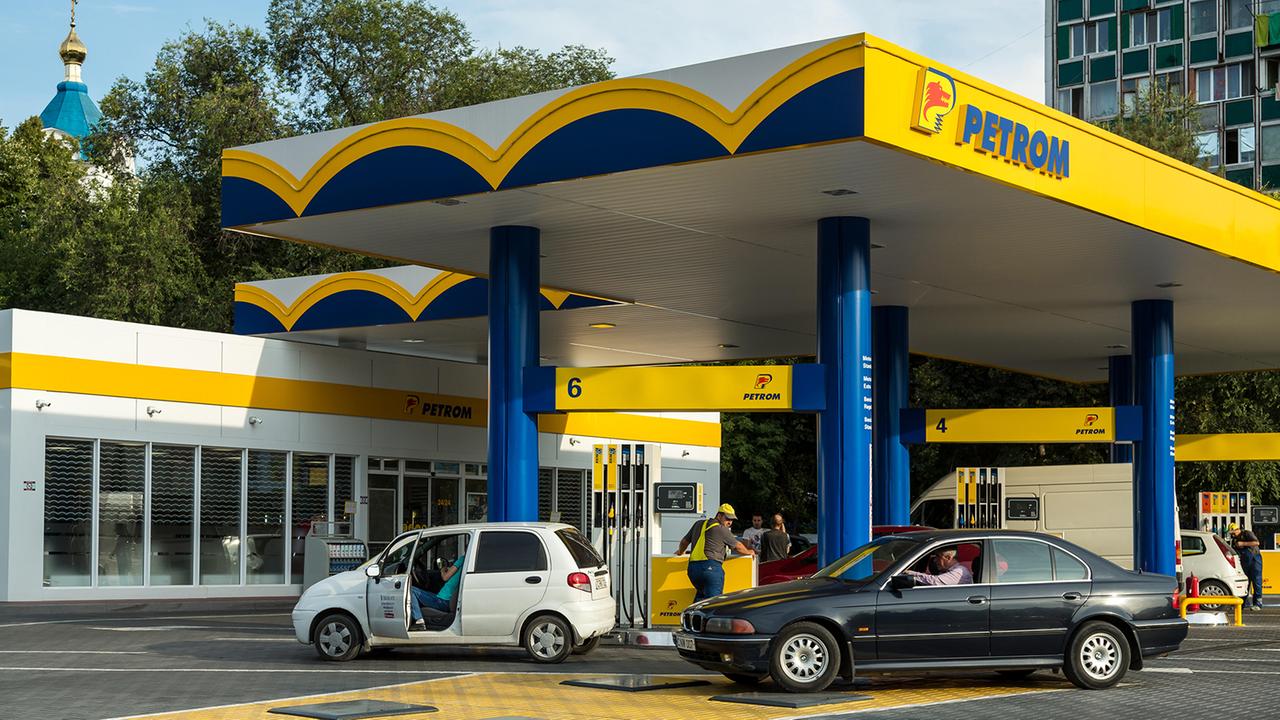
Compounding the environmental distress is a deep-seated energy crisis. Moldova, a small nation situated between Romania and Ukraine, remains heavily reliant on energy imports. The recent escalation of conflict between Iran and the United States has sent global energy prices skyrocketing, with devastating consequences for Moldovan households.
Sergiu Tofilat, an energy expert at the Moldovan think tank WatchDog, explains the stark economic reality. "In Moldova, citizens are essentially paying the same price for gas or electricity as European consumers," Tofilat stated in an interview with ARD. "However, the income of Moldovan consumers is two to three times lower – that is the core problem." This disparity creates an untenable situation, where essential utilities become a luxury many cannot afford. The government is deeply concerned that escalating energy bills will push an increasing number of households into crippling debt.
The current economic landscape is characterized by a profound disconnect between the cost of essential services and the earning capacity of the average Moldovan. This economic vulnerability makes the nation particularly susceptible to external shocks in the global energy market.
Political Fallout: Opposition Exploits Crisis for Pro-Russian Agenda
In response to the mounting pressure, the Moldovan Parliament recently declared a 60-day state of energy emergency. This extraordinary measure grants the government broad powers to ration and distribute energy and water resources as needed. However, the declaration has also become a focal point for political maneuvering.
Pro-Russian opposition groups have seized upon the crisis as an opportunity to undermine the pro-European government of President Sandu. They are actively propagating narratives that attribute the current hardships to the government’s policies and advocate for a return to closer ties with Russia, including the procurement of cheaper energy from Moscow.
"There are pro-Russian politicians who are proposing to ‘very kindly’ ask Russian President Vladimir Putin to supply gas," Tofilat observed, highlighting the political opportunism at play. However, he cautioned against the feasibility of such proposals. According to Tofilat, Russia’s Gazprom is no longer in a position to supply Moldova with gas through traditional routes. The sole remaining pipeline capable of supplying Moldova with gas, the TurkStream pipeline via Turkey, has its capacity fully booked by Gazprom to meet its contractual obligations to Serbia, Hungary, and Slovakia. Consequently, it lacks the surplus capacity to accommodate Moldovan demand.
This situation underscores the complex geopolitical landscape in which Moldova operates. The opposition’s calls for Russian energy are not only economically questionable but also politically charged, aiming to reorient Moldova away from its Western trajectory.
The Government’s Response: Resilience and European Alignment
President Sandu has vehemently rejected the opposition’s accusations, asserting her mandate and commitment to serving the Moldovan people. In an interview with Radio France International, she dismissed the opposition’s attempts to impeach her as mere "showmanship," designed to simulate activity rather than address the root causes of the crisis.
"Indeed, the pro-Russian opposition and Russian propaganda are trying to exploit the people’s dissatisfaction with high prices and shift the blame onto the government," Tofilat commented. He emphasized that the opposition’s actions are a deliberate attempt to leverage public frustration for political gain.
Despite the internal political challenges, Moldova continues to pursue its strategic goal of closer integration with the European Union. The nation has been an EU candidate country for two years, and ongoing discussions regarding its accession are a testament to this commitment. The government views its alignment with the EU as a crucial pathway towards economic stability, democratic consolidation, and enhanced security.
The current crisis, while deeply challenging, is also serving as a litmus test for Moldova’s resilience and its strategic choices. The nation is navigating a treacherous path, balancing immediate survival needs with its long-term aspirations for a prosperous and secure future, intrinsically linked to its European destiny.
Supporting Data and Expert Analysis
Water Scarcity:
- Dniester River Levels: Reports indicate historically low water levels, with some sections of the riverbed completely dry. This is crucial as the Dniester is a primary source for Chisinau’s water supply.
- Regional Impact: The drought is affecting multiple rivers, including the Danube and the Prut, indicating a broader ecological crisis.
- Consequences: Potential for widespread water rationing, impact on agriculture, and ecological damage.
Energy Crisis:
- Import Dependency: Moldova relies heavily on external sources for its energy needs.
- Global Price Volatility: The conflict between Iran and the US has triggered significant increases in global energy prices.
- Income Disparity: Moldovan incomes are significantly lower than those in Western Europe, making current energy prices unaffordable for a large segment of the population.
- Expert Opinion: Sergiu Tofilat highlights that Moldovan consumers pay similar prices for energy as Europeans but have much lower incomes, creating an unsustainable economic burden.
- Government Concern: Fear of household debt accumulation due to high energy bills.
Political Landscape:
- State of Emergency: A 60-day energy emergency has been declared, granting the government extraordinary powers.
- Opposition Tactics: Pro-Russian opposition groups are exploiting public discontent by blaming the government and advocating for Russian energy.
- Gazprom’s Capacity: Expert analysis suggests Gazprom lacks the capacity to supply Moldova due to prior commitments through the TurkStream pipeline.
- Impeachment Attempts: 46 opposition politicians have attempted to impeach President Sandu, though they lack sufficient support.
Implications and Future Outlook
The intertwined crises of drought and energy insecurity pose a significant threat to Moldova’s stability and economic well-being. The government’s ability to manage these challenges will be critical in navigating the coming months.
- Economic Stabilization: The government will need to secure substantial financial assistance, likely from the EU, to provide targeted support to vulnerable households and businesses. This could involve energy subsidies and social welfare programs.
- Diversification of Energy Sources: Long-term solutions will require investing in energy efficiency, renewable energy sources, and further diversifying import routes to reduce reliance on any single supplier.
- Combating Disinformation: The government and civil society must actively counter pro-Russian disinformation campaigns that seek to exploit the current hardships for political gain. Promoting factual information and transparent communication is paramount.
- Geopolitical Strategy: Moldova’s unwavering commitment to its pro-European path remains a crucial anchor. Continued engagement with the EU and other Western partners will be vital for securing economic and security support.
- Social Cohesion: Addressing the economic anxieties of the population and demonstrating effective governance will be key to maintaining social cohesion amidst these challenging times.
The current situation in Moldova is a stark reminder of the interconnectedness of environmental, economic, and geopolitical factors. The nation’s ability to weather this storm will depend on its resilience, strategic foresight, and the continued support of its international partners as it strives to secure a stable and prosperous future.