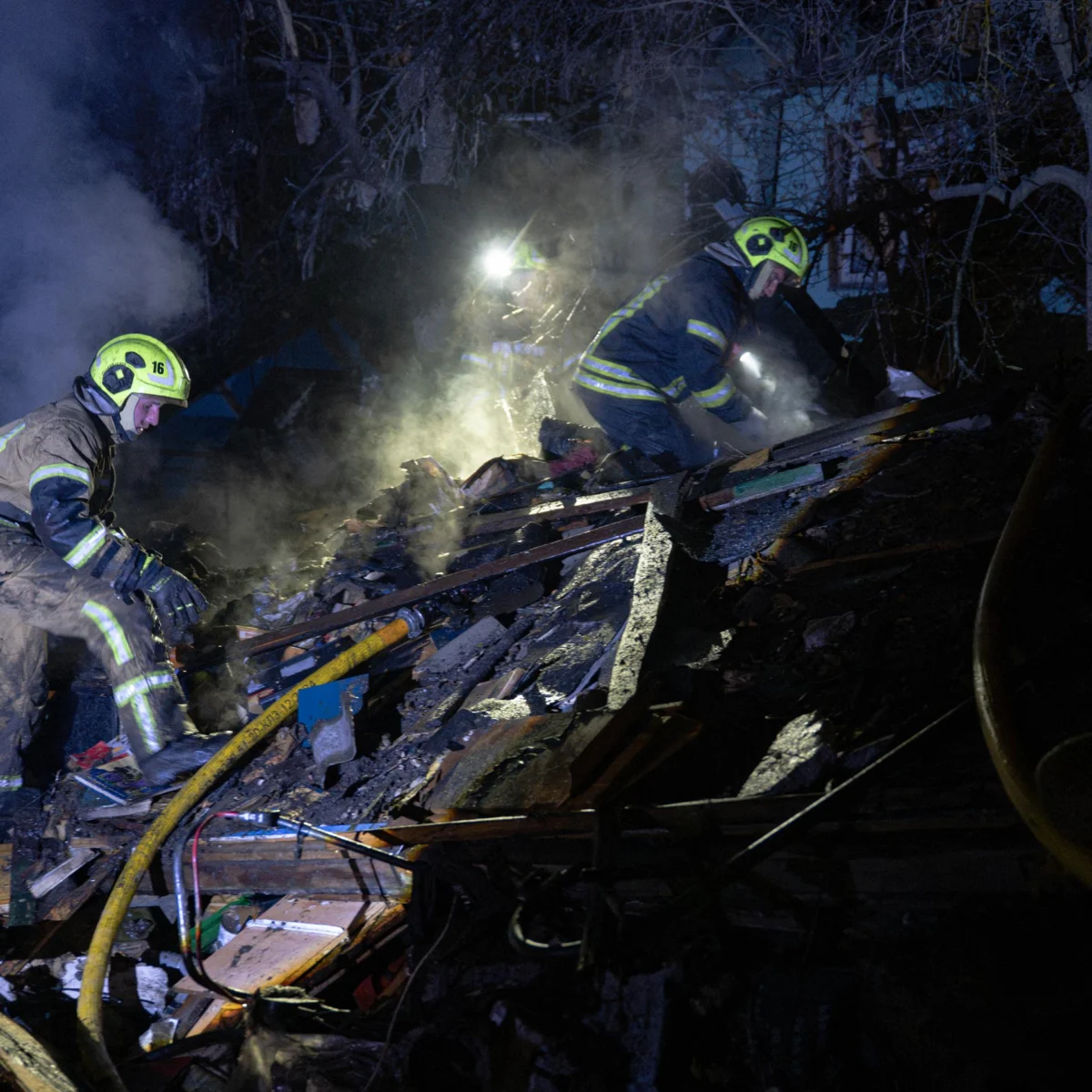
Kyiv, Ukraine – October 22, 2026 – In a move highlighting the stark contradictions defining the protracted conflict, the Kremlin has declared its willingness to engage in discussions with the United States and Ukraine regarding its ongoing invasion, with talks slated to commence in mid-November. This diplomatic overture, however, arrives amidst a severe escalation of Russian military operations, which have unleashed a fresh wave of devastating missile and drone attacks across Ukraine, claiming at least seven lives and causing widespread destruction.
Ukrainian officials reported intense shelling and missile strikes primarily targeting the capital, Kyiv, but also extending to other strategic regions such as Kharkiv and Odesa. President Volodymyr Zelenskyy condemned the latest assaults as a "demonstrative strike" by Moscow, deliberately timed to follow recent diplomatic engagements, and underscored the grim reality that Russia’s professed openness to dialogue has not translated into a de-escalation of hostilities.
The announcement of potential trilateral talks has been met with considerable skepticism by international observers and former diplomats alike, who question the sincerity of Russia’s intentions given the immediate intensification of its military aggression. The juxtaposition of diplomatic signaling and battlefield brutality underscores the profound challenges in navigating a path towards peace in a conflict that has reshaped geopolitical landscapes and inflicted immense human suffering.
Main Facts: A Paradox of Diplomacy and Destruction
The current situation presents a deeply unsettling paradox: Russia expresses a readiness for talks while simultaneously intensifying its war efforts. This dual approach casts a long shadow over the prospects of any meaningful diplomatic breakthrough.
- Kremlin’s Stance: Moscow announced its readiness to discuss the conflict with the U.S. and Ukraine starting in mid-November. However, it has clarified that these discussions are aimed at establishing a "security system after the end of the war," explicitly ruling out an immediate ceasefire or an end to the conflict itself.
- Escalated Aggression: Coinciding with this announcement, Russia launched a series of brutal attacks across Ukraine. Ukrainian authorities reported at least seven fatalities, predominantly from strikes targeting civilian infrastructure and residential areas.
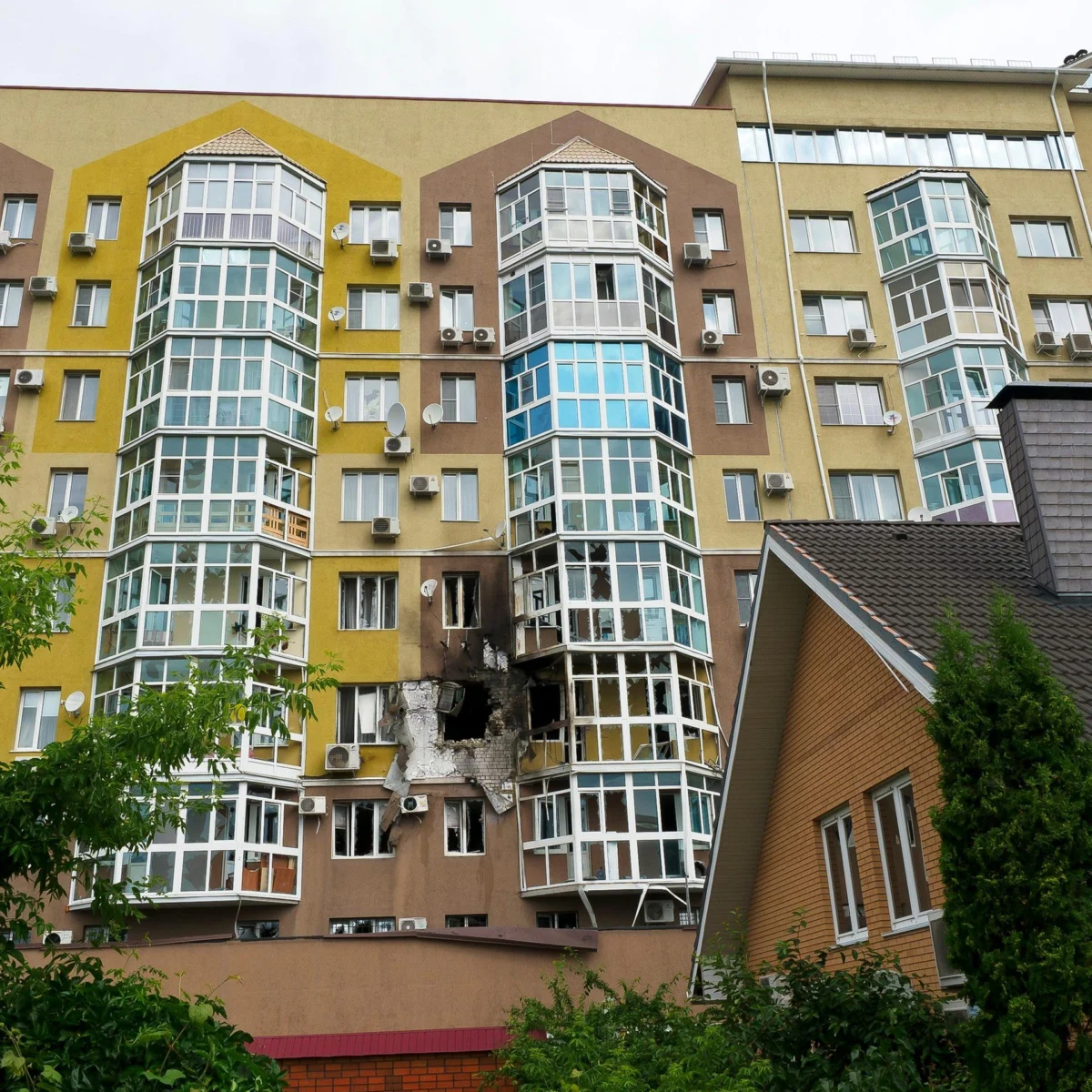
- Key Targets: Kyiv bore the brunt of the assaults, with residential buildings, critical energy infrastructure, railway and metro facilities, shopping centres, and businesses coming under fire. Attacks were also reported in the regions of Kharkiv and Odesa.
- Ukrainian Retaliation: Ukraine, in turn, reported drone attacks on Moscow, resulting in two injuries from falling debris.
- Zelenskyy’s Reaction: President Zelenskyy labeled the intensified strikes as a "demonstrative blow" by Russia, a cynical response to the preceding day’s discussions about potential negotiations. He reiterated Ukraine’s demand for a ceasefire, suggesting that freezing the current front lines could serve as an initial step towards de-escalation.
- Expert Skepticism: Peter Wittig, Germany’s former ambassador to Washington, voiced strong doubts about the likelihood of a breakthrough, noting that the planned talks are at an expert level and deliberately exclude discussions on a ceasefire or an immediate end to hostilities.
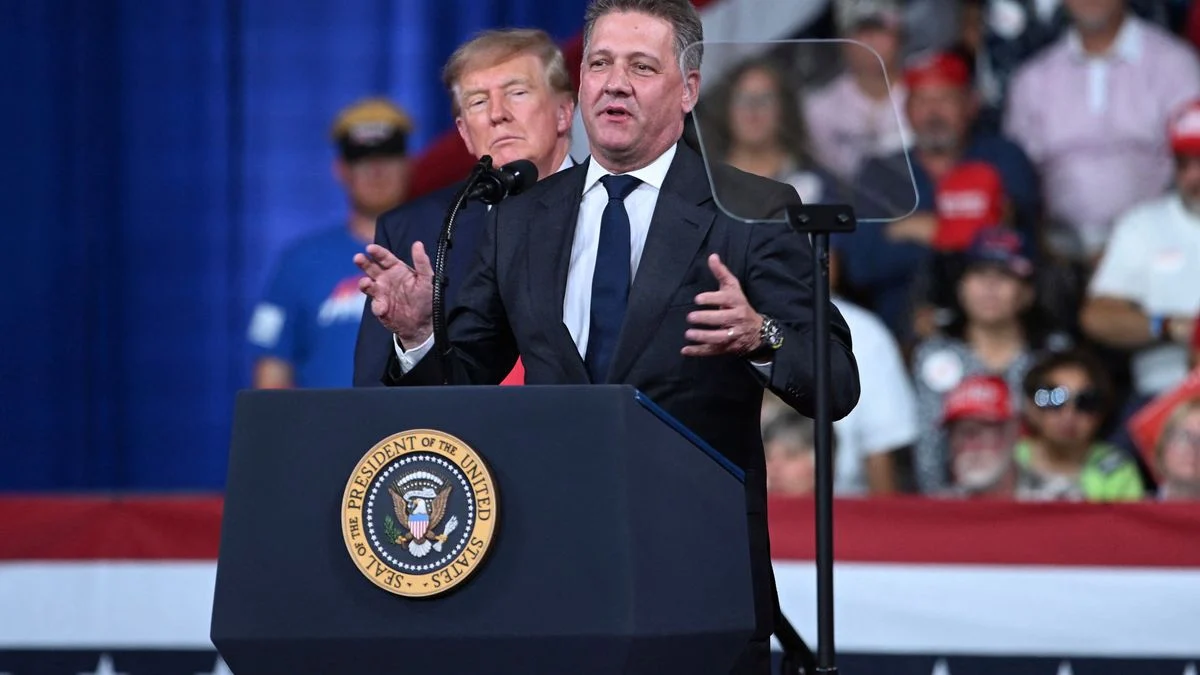
- US Aid Concerns: Amidst the ongoing conflict, the German Green Party urged Chancellor Merz to pressure the U.S. government, particularly President Trump, to ensure unrestricted access to the Starlink satellite system for Ukraine and to release promised air defense missiles, citing concerns over weakened Ukrainian capabilities. The U.S. government denies responsibility for any delays or throttling of services.
Chronology of a Volatile Conflict: From Invasion to Ambiguous Talks
The current events are the latest chapter in a war that began with Russia’s full-scale invasion of Ukraine in February 2022. What started as a rapid advance quickly devolved into a grinding conflict, marked by shifting frontlines, immense destruction, and persistent diplomatic deadlock.
The Genesis of the Conflict and Ongoing War
Russia’s unprovoked invasion aimed at overthrowing Ukraine’s government and installing a pro-Moscow regime. Despite initial setbacks for Russian forces, the conflict escalated into a brutal war of attrition, particularly in the eastern and southern regions of Ukraine. The ongoing fighting has seen both sides inflict heavy casualties and significant damage to infrastructure, with millions displaced and a profound humanitarian crisis unfolding.
Recent Diplomatic Manoeuvres
The context for the Kremlin’s latest announcement stems from a period of what the original report refers to as "shuttle diplomacy" – a series of engagements aimed at exploring pathways, however narrow, out of the conflict. The previous day’s discussions, alluded to by Zelenskyy, likely involved intermediaries or direct communications that led to Russia’s conditional agreement to future talks. While the specifics of these "yesterday’s talks" are not fully detailed in the provided content, the referenced Deutschlandfunk link suggests that Russia had indeed signalled a readiness for discussions with Ukraine and the USA, with Zelenskyy proposing a freeze of the frontline. This diplomatic engagement, however tentative, seemingly set the stage for Moscow’s subsequent public declaration regarding mid-November talks.
The Immediate Escalation: October 21-22, 2026
The Kremlin’s announcement of readiness for talks was immediately overshadowed by a dramatic escalation of military actions. On October 21, the day preceding the publication of this report, the diplomatic channels were reportedly active. However, by October 22, Russia launched a widespread series of attacks, described by President Zelenskyy as a "demonstrative blow."
- Widespread Strikes: Ukrainian cities, most notably Kyiv, experienced a barrage of missile and drone attacks. These were not precision military strikes but rather broad assaults targeting civilian infrastructure. Residential areas, vital energy facilities, critical transport hubs like train stations and metro infrastructure, and even commercial centres were hit. This pattern of targeting civilian infrastructure aligns with Russia’s strategy of undermining Ukrainian morale and capability through sustained pressure on its urban centres and essential services.
- Human Cost: The immediate consequence was the tragic loss of at least seven lives, a stark reminder of the human toll extracted by each new wave of aggression. The wounded and displaced figures, though not specified in the immediate report, would undoubtedly be significantly higher.
- Retaliatory Actions: In response to the intensified Russian attacks, Ukraine reported launching its own drone strikes on Moscow. While these attacks are typically aimed at military or strategic targets within Russian territory, the report notes two injuries from falling debris, indicating the inherent risks to civilians even in such retaliatory actions.
This chronological sequence—diplomatic overtures followed swiftly by military escalation—highlights the complex and often contradictory nature of the current phase of the conflict, where peace initiatives appear to coexist uneasily with continued warfare.
Supporting Data: The Cost of Conflict and Strategic Challenges
The intensified attacks underscore the profound and ongoing impact of the conflict on Ukraine’s population, infrastructure, and strategic capabilities. The specifics of the damage, combined with broader geopolitical considerations, paint a grim picture.
Impact of Strikes on Ukrainian Infrastructure and Civilians
The latest Russian strikes have deliberately targeted a broad spectrum of civilian and critical infrastructure, demonstrating a continued strategy to cripple Ukraine’s ability to sustain itself and resist.
- Kyiv’s Ordeal: The capital, a symbol of Ukrainian resilience, once again became a primary target. Residential buildings, housing thousands of civilians, were hit, leading to casualties and widespread displacement. The targeting of energy infrastructure, including power plants and distribution networks, aims to plunge cities into darkness and cold, especially as winter approaches. This tactic is designed to break civilian morale and hinder industrial activity.
- Transportation Chaos: Attacks on train station and metro infrastructure disrupt vital public transport systems and logistics networks, impacting both civilian movement and military supply lines.
- Economic Disruption: The destruction of shopping centres and businesses not only inflicts economic losses but also undermines the daily lives and livelihoods of ordinary Ukrainians.
- Regional Devastation: Beyond Kyiv, the regions of Kharkiv and Odesa, strategically important urban centres, also suffered significant damage. Kharkiv, located close to the Russian border, has been particularly vulnerable throughout the conflict, while Odesa, a key Black Sea port, is crucial for Ukraine’s economy and maritime access.
- Civilian Casualties: The reported seven fatalities are a tragic indicator of the immediate human cost. These figures are often just an initial count, with the full extent of casualties and injuries typically emerging over time as rescue efforts continue. Since the start of the full-scale invasion, the UN estimates tens of thousands of civilian casualties, with millions displaced, underscoring the relentless human toll of the war.
The Military Landscape: Stalemate and Strategic Objectives
As of late 2026, the conflict on the ground appears to be largely a stalemate, particularly along the eastern and southern front lines. Russia controls significant territories in eastern and southern Ukraine, including Crimea, which it annexed in 2014, and parts of the Donbas region. Ukraine, despite receiving substantial Western aid, has faced immense challenges in dislodging Russian forces from deeply entrenched positions.
- Frontline Stability: The proposal by President Zelenskyy to "freeze the current frontline" reflects the current reality of a largely static conflict, where significant territorial gains by either side have become increasingly difficult and costly. This proposal, while offering a potential pathway to de-escalation, also implicitly acknowledges Russia’s current territorial control.
- Russia’s Objectives: Russia’s insistence on discussing a "post-war security system" rather than a ceasefire or an end to the war suggests that its military objectives remain largely unfulfilled or that it seeks to consolidate its gains and dictate the terms of any future settlement from a position of strength.
- Ukraine’s Resilience: Despite overwhelming military disparity, Ukraine has demonstrated remarkable resilience, largely thanks to international military, financial, and humanitarian aid. However, the sustainability of this aid, particularly from the United States, is becoming a growing concern.
The Critical Role of US Aid and the "Trump Factor"
The debate surrounding U.S. support for Ukraine is a critical element of the conflict’s broader context, with the "Trump factor" introducing significant uncertainty.
- Starlink’s Importance: The Starlink satellite system, provided by SpaceX, has been indispensable for Ukraine’s military communications, intelligence gathering, and civilian connectivity. Its reliability and resilience have been crucial in counteracting Russia’s efforts to disrupt communication networks. Any throttling or restriction of access, as alleged by Zelenskyy, would severely hamper Ukraine’s operational capabilities.
- Air Defense Imperative: The delay in delivering promised air defense missiles is particularly alarming given Russia’s strategy of aerial bombardment. Ukraine’s ability to protect its cities and critical infrastructure hinges on robust air defense systems. Without them, it remains highly vulnerable to missile and drone attacks.
- Political Interference: The accusation by the German Green Party, and implicitly by Zelenskyy, that "President Trump" is breaking promises and weakening Ukraine "in an irresponsible manner" highlights a deep concern among allies. This suggests that U.S. foreign policy regarding Ukraine may be subject to political shifts or personal agendas, potentially compromising the consistent and reliable support that Ukraine desperately needs. The U.S. government’s denial of these claims further complicates the narrative, creating an atmosphere of mistrust and uncertainty among allies.
- Broader Aid Context: Beyond Starlink and air defense, the U.S. has been the largest single provider of military and financial aid to Ukraine. Any significant reduction or interruption of this aid would have catastrophic consequences for Ukraine’s ability to continue its defense and for its long-term viability. The internal political dynamics within the U.S., particularly leading up to and following presidential elections, have a direct and profound impact on the war’s trajectory.
The combination of sustained Russian aggression, a grinding military stalemate, and increasing uncertainty surrounding crucial international support creates a highly volatile and precarious environment for Ukraine, even as tentative diplomatic signals emerge.
Official Responses: A Cacophony of Contradictions
The official reactions from key players reflect the deep divisions and conflicting agendas that continue to fuel the conflict, making a clear path to resolution elusive.
The Kremlin’s Position: Strategic Ambiguity and Military Resolve
The Kremlin’s announcement of readiness for talks, coupled with its simultaneous military escalation, projects a message of strategic ambiguity. On one hand, it signals an openness to dialogue, perhaps to appease international pressure or to test the resolve of its adversaries. On the other hand, its actions demonstrate an unwavering commitment to its military objectives and a willingness to use force to achieve them.
- Conditional Dialogue: Russia has made it explicitly clear that the proposed mid-November discussions with the U.S. and Ukraine are not about ending the war or negotiating a ceasefire. Instead, they are framed as talks on a "security system after the end of the war." This condition immediately limits the scope and potential impact of any negotiations, suggesting Russia is more interested in dictating post-conflict terms from a position of strength rather than genuinely seeking a cessation of hostilities.
- Justification of Attacks: While not explicitly stated in the provided text, the Kremlin typically justifies its ongoing military operations as necessary to protect its security interests, counter perceived threats, or "demilitarize" and "denazify" Ukraine – pretexts widely rejected by the international community. The attacks on Ukrainian infrastructure are often framed as responses to Ukrainian provocations or as targeting military-related facilities, despite evidence to the contrary.
- Denial of Blame: Russia consistently denies responsibility for civilian casualties and the targeting of non-military infrastructure, often attributing such incidents to Ukrainian air defense systems or false flag operations.
Ukraine’s Stance: Resilience, Defiance, and a Call for Ceasefire
President Volodymyr Zelenskyy’s reaction to the latest Russian attacks underscores Ukraine’s resolve to defend itself while maintaining a pragmatic approach to potential peace initiatives.
- "Demonstrative Strike": Zelenskyy’s characterization of the latest attacks as a "demonstrative strike" highlights Ukraine’s perception of Russia’s cynical use of force to exert pressure even as it speaks of talks. This suggests a deep mistrust of Moscow’s intentions.
- Insistence on Ceasefire: Ukraine continues to prioritize an immediate ceasefire as the essential first step towards any meaningful peace process. This reflects the urgent need to stop the bloodshed and protect its civilian population and infrastructure.
- Freezing the Frontline: Zelenskyy’s proposal to freeze the current frontline, articulated to Fox News, represents a significant, albeit painful, concession. While it acknowledges the current military reality of Russia’s territorial gains, it aims to halt active combat and create a stable basis for further negotiations. This pragmatic approach seeks to prevent further territorial losses and human casualties, even if it does not immediately resolve the issue of occupied territories.
- Accusations against US: Zelenskyy’s direct criticism of the U.S. government regarding the throttling of Starlink services and delays in missile deliveries indicates the immense pressure Ukraine is under and its frustration with perceived inconsistencies in crucial Western support.
International Reactions: Skepticism and Calls for Steadfast Support
The international community, particularly Western allies, continues to grapple with the complexities of the conflict and Russia’s unpredictable behaviour.
- Expert Skepticism (Peter Wittig): Peter Wittig, the former German ambassador to Washington, encapsulated the prevailing skepticism regarding the proposed talks. His assessment that "no breakthrough is to be expected" is rooted in Russia’s stated limitations for the discussions (post-war security, not immediate cessation of hostilities) and the low-level "expert" nature of the planned negotiations. This suggests that such talks are unlikely to yield substantial progress towards ending the war.
- German Green Party’s Demands: The German Green Party’s call for Chancellor Merz to lobby the U.S. government for unrestricted Starlink access and the release of air defense missiles reflects broader European concerns about the reliability of U.S. support under a potentially shifting political landscape (referencing "President Trump" breaking promises). This highlights the perceived vulnerability of Ukraine’s defense, which relies heavily on consistent and robust Western military aid.
- US Government’s Denial: The U.S. government’s denial of responsibility for Starlink throttling and missile delays underscores the internal and external pressures on American foreign policy regarding Ukraine. While the U.S. has been Ukraine’s largest donor, political dynamics can create friction and uncertainty, complicating allied efforts.
- Broader International Disappointment: The overall international response to Russia’s actions continues to be one of condemnation for its aggression and calls for adherence to international law. However, the latest developments reinforce the widespread disappointment with Russia’s lack of genuine commitment to a peaceful resolution, even when expressing readiness for talks.
In essence, the official responses form a discordant chorus: Russia’s strategic maneuvering, Ukraine’s desperate calls for peace and aid, and the international community’s frustrated skepticism, all playing out against a backdrop of continued violence.
Implications: A Precarious Path Forward
The latest developments carry profound implications for the future trajectory of the conflict, regional stability, and the geopolitical order. The inherent contradictions in Russia’s approach – offering talks while escalating violence – create a highly precarious path forward.
Diplomatic Deadlock and Prolonged Conflict
The most immediate implication is the deepening of the diplomatic deadlock. Russia’s insistence that talks focus on a "post-war security system" rather than an immediate ceasefire or an end to the war itself fundamentally undermines the potential for meaningful negotiations. This approach suggests that Moscow views the talks not as a means to de-escalate, but possibly as a tactic to gain leverage, buy time, or project an image of diplomatic engagement while continuing its military objectives.
- Low Expectation for Breakthroughs: As Peter Wittig highlighted, the expert-level nature of the proposed talks and Russia’s restrictive conditions mean that any significant breakthrough, such as a comprehensive peace agreement or a lasting ceasefire, is highly unlikely. This sets a low bar for the negotiations, potentially leading to prolonged, inconclusive discussions that fail to alleviate the suffering on the ground.
- Propaganda Tool: There is a risk that Russia might use the appearance of readiness for talks as a propaganda tool, attempting to shift blame for the ongoing conflict or portray itself as a reasonable actor, even as its forces continue their destructive campaign. This could further complicate international efforts to maintain a united front against Russian aggression.
Exacerbated Humanitarian Crisis
The continued and intensified Russian attacks, particularly on civilian infrastructure and residential areas, will inevitably exacerbate the already dire humanitarian crisis in Ukraine.
- Increased Casualties and Displacement: More lives will be lost, more people injured, and millions more displaced from their homes as cities endure relentless bombardments.
- Infrastructure Collapse: The targeting of energy, transport, and commercial infrastructure threatens to cripple essential services, plunging communities into hardship, especially as colder weather approaches. This deliberate strategy aims to make life untenable for civilians, potentially forcing further internal and external migration.
- Psychological Trauma: The constant threat of attacks inflicts severe psychological trauma on the Ukrainian population, particularly children, with long-term consequences for mental health and societal well-being.
Erosion of Trust and Geopolitical Instability
The contradictory signals from Moscow further erode trust, not only between the warring parties but also between Russia and the wider international community.
- Deepened Mistrust: Ukraine’s condemnation of the attacks as a "demonstrative strike" underscores its profound mistrust of Russia’s diplomatic intentions. This makes it incredibly difficult to build the necessary confidence for any future, more substantive peace negotiations.
- Challenges for Mediation: The lack of trust complicates any efforts by international mediators to facilitate a genuine peace process, as Russia’s sincerity will constantly be questioned.
- Regional and Global Security: The ongoing conflict and Russia’s aggressive posture continue to destabilize regional security in Eastern Europe and beyond, influencing military spending, alliance structures, and global energy markets. The world remains on edge, with the conflict carrying the risk of wider escalation.
Uncertainty in US-Ukraine Relations and Western Unity
The concerns raised by the German Green Party and President Zelenskyy regarding U.S. support highlight critical vulnerabilities in the Western alliance backing Ukraine.
- The "Trump Factor": The explicit mention of "President Trump" breaking promises and weakening Ukraine indicates that political shifts within the U.S. have direct and potentially detrimental consequences for Kyiv. Any perceived or actual reduction in U.S. aid, or restrictions on crucial systems like Starlink, could severely undermine Ukraine’s defensive capabilities and morale. This uncertainty creates a critical strategic dilemma for Ukraine and its European allies, forcing them to consider alternative support mechanisms.
- Strained Alliances: If the U.S. commitment to Ukraine wavers, it could strain transatlantic relations and challenge the unity of the Western alliance that has been crucial in opposing Russian aggression. European nations might be compelled to assume a larger share of the burden, which could lead to internal debates and potential fragmentation within the EU and NATO.
- Long-Term Support: The debate over Starlink and missile deliveries signals that consistent, long-term support for Ukraine cannot be taken for granted. This necessitates a proactive strategy from European partners to ensure Ukraine’s continued resilience, irrespective of political changes in key allied nations.
In conclusion, the current situation is a stark reminder that peace in Ukraine remains a distant prospect. Russia’s strategy of engaging in superficial diplomacy while intensifying military pressure points to a prolonged conflict, with devastating humanitarian consequences and profound implications for global stability and the future of international relations. The onus remains on the international community to maintain unwavering support for Ukraine while cautiously navigating the complex and often contradictory signals emanating from Moscow.
This report was compiled on October 22, 2026, based on available information.