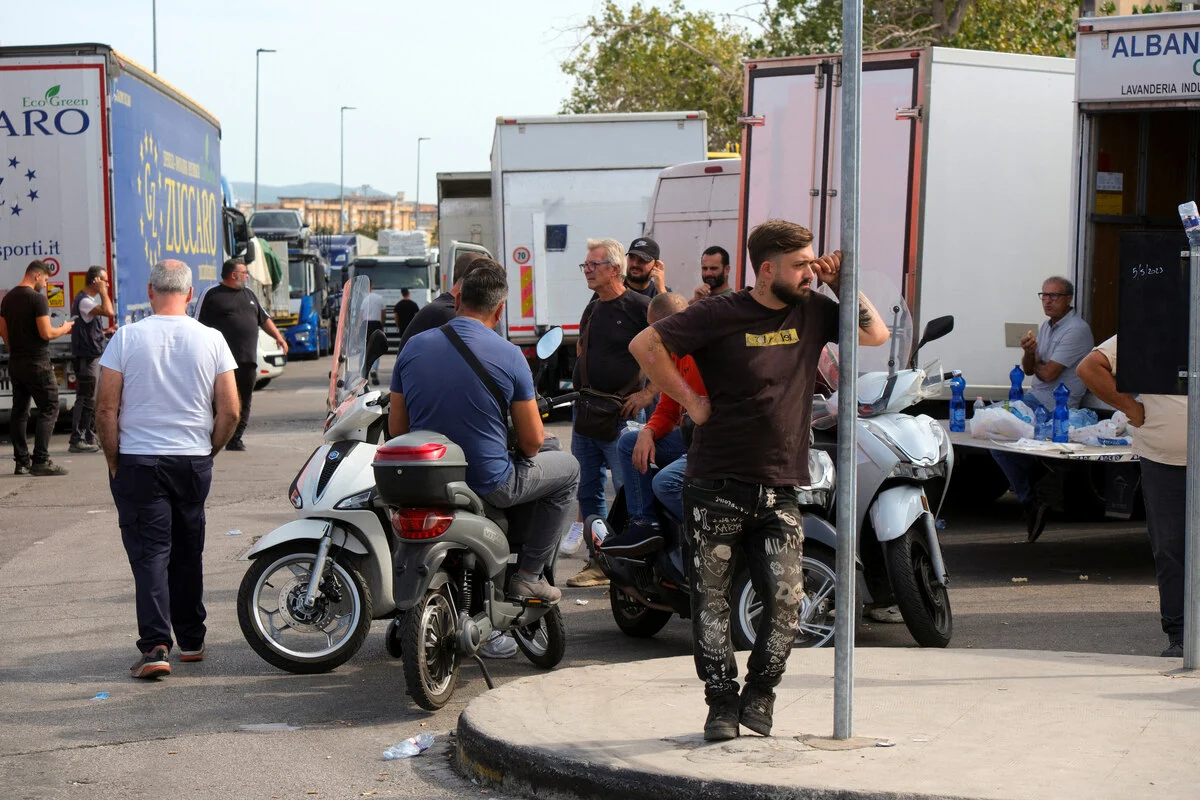
The streets of Southern Italy are quiet, but the silence is deceptive. Across Sicily, Calabria, and Campania, the roar of heavy engines has been replaced by the eerie stillness of abandoned rigs blocking major arteries. From the bustling markets of Naples to the desolate fuel stations of Sicily, Italy is facing a logistics nightmare that threatens the nation’s food security, industrial output, and political stability.
What began as a localized expression of frustration has metastasized into a national crisis. Supermarket shelves in the south, stripped bare of fresh produce, meat, and dairy, serve as a visual testament to the power of the logistics sector. As the strike enters its third week, the reality is setting in: without the truck, Italy stops.
The Genesis of the Blockade: A Fragile Supply Chain
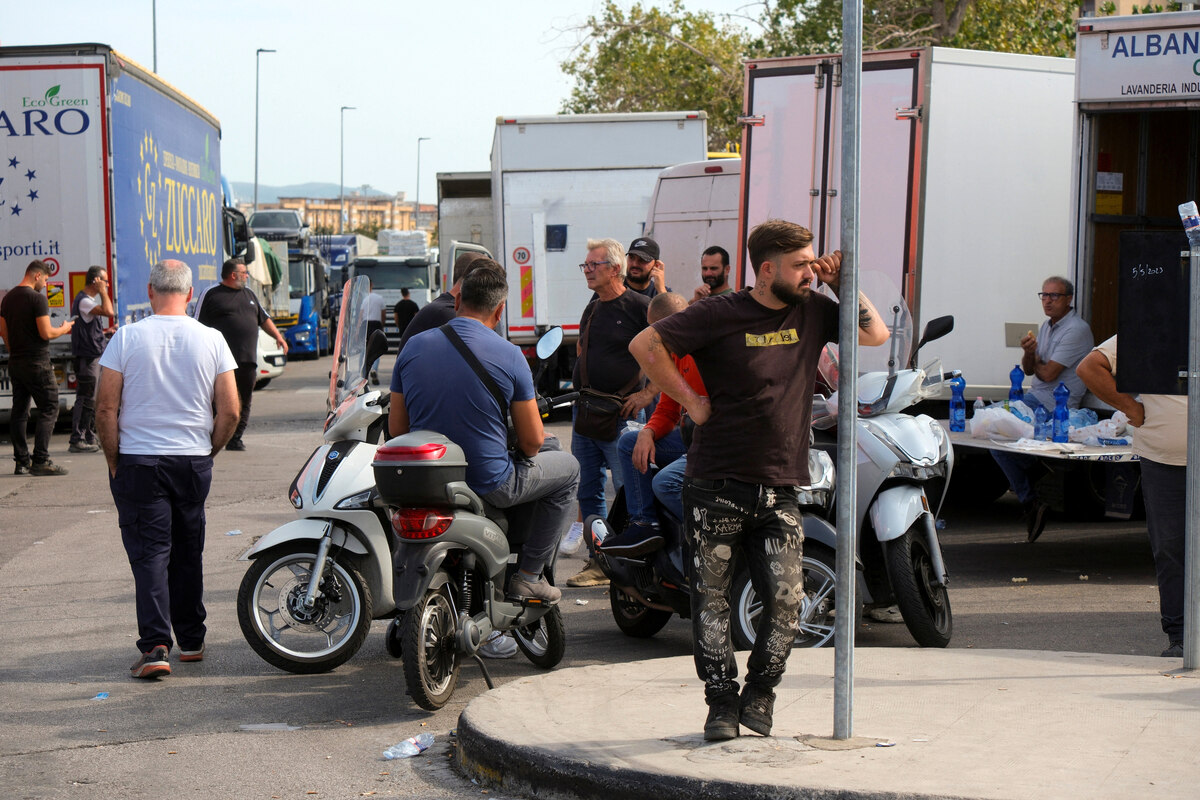
The current disruption, which intensified around October 20, 2026, was not an overnight occurrence. It began on the island of Sicily, where independent truckers, pushed to the brink by the relentless rise in diesel prices, organized convoys to occupy critical transit routes. These were not merely picket lines; they were strategic maneuvers designed to highlight the indispensability of the transport sector.
The protests quickly spread to the mainland, engulfing the regions of Apulia, Calabria, and Campania. The epicenter, Naples, has been hit particularly hard. Images emerging from the city show grocery stores with empty aisles, mirroring the aftermath of a natural disaster or a looting spree—though, as authorities have clarified, the void is a result of supply chain strangulation rather than civil unrest.
While there have been sporadic reports of youth-led protests in other parts of Italy, the current food shortage is distinctly a product of the trucking sector’s "strike of the silent." It is a calculated, systematic withdrawal of labor that has paralyzed the flow of goods from the ports of the south to the tables of the north.
Chronology of a Crisis
The escalation of the conflict followed a predictable yet alarming trajectory:
- Early October: Initial rumblings in Sicily. Independent owner-operators begin organizing on social media platforms, expressing collective outrage over fuel costs and stagnant freight rates.
- Mid-October: The "convoy" tactic is adopted. Major highways connecting industrial hubs are partially obstructed. Supply chains for perishable goods begin to fracture.
- October 20-22: The movement reaches critical mass. Ports in Palermo and major refineries are blockaded. Retailers report the first major stockouts of fresh food.
- October 24: Government intervention begins. Interior and Transport ministries announce police escorts for essential shipments, while the government pushes through a billion-euro emergency relief package.
- Present Day: Despite official concessions, local "Basiskomitees" (grassroots committees) continue to maintain pressure, refusing to yield until their specific demands—most notably the reduction of the fuel excise tax—are met.
Economic Implications: The Cost of Stagnation
The economic fallout is mounting by the hour. The agricultural sector, the backbone of the Southern Italian economy, is witnessing a catastrophe. Fresh produce is rotting in fields and distribution centers because it cannot reach the markets.
Particularly hard hit is the iconic buffalo mozzarella industry in Campania. The production cycle of this high-value product is delicate; it requires the daily collection of fresh buffalo milk and the immediate transport of finished goods to consumers. With the roads blocked, the supply chain is broken at both ends. Industry leaders have estimated losses of approximately 3 million euros per day.
Beyond agriculture, the manufacturing sector is beginning to feel the tremors. "Just-in-time" production models, which rely on the steady arrival of parts, are collapsing. Factories are reporting production halts, signaling that the ripple effect of the trucker strike will soon be felt in the broader European economy if the blockade is not resolved.
The Government’s Balancing Act
Prime Minister Giorgia Meloni’s administration finds itself in a precarious position. The government is celebrating its four-year anniversary, a milestone that should be defined by stability, not by the image of empty shelves and burning roadblocks.

The government’s response has been a classic display of political maneuvering: a mix of praise, police enforcement, and fiscal appeasement.
The "Friendly" Rhetoric
Initially, the Meloni government adopted a surprisingly conciliatory tone. Prime Minister Meloni herself praised the truckers for conducting a "peaceful protest," explicitly contrasting them with the more violent, youth-led unrest seen recently in Milan. Political analysts suggest this rhetoric is driven by the ideological alignment between the government and many of the protesters, who tend to lean toward the political right.
The Financial Package
On October 22, Transport Minister Matteo Salvini, leader of the Lega party, met with industry representatives to announce a release of 490 million euros in previously promised tax relief. When this failed to quell the grassroots movement, the government doubled down, passing a decree that increased the total aid package for the transport and agricultural sectors to 1 billion euros.
Law and Order
Despite the "friendly" discourse, the government has not shied away from using the iron fist when necessary. As of late October, over 70 legal complaints have been filed against protesters. The state has also authorized police escorts for convoys carrying medicine and essential food supplies—a move designed to minimize the humanitarian impact while signaling that the state retains control over the nation’s vital arteries.
The Conflict Within the Ranks
It is important to note that the protest is not a monolithic movement. There is a clear divide between the large, institutionalized trade unions—which signaled satisfaction with the government’s 490-million-euro offer—and the smaller, more radical "Basiskomitees" in the south.

These smaller groups view the larger unions as out of touch with the reality of the independent driver. They argue that the 25-cent-per-liter fuel surcharge is the true enemy of their livelihood and that tax credits are insufficient when the daily cost of operation remains prohibitive.
This internal friction has led to reports of intimidation. Non-striking drivers have reported acts of sabotage, including slashed tires and forced detentions at rest stops. One driver told the Italian news agency Ansa that he felt "held hostage" by his colleagues, illustrating the desperation that has permeated the sector.
Looking Ahead: The October 27th Negotiations
The eyes of the nation are now turned toward October 27, the date set for a critical meeting between Minister Salvini and the leaders of the Southern Basiskomitees.
If the government fails to offer a concrete path toward reducing fuel costs, the strike is likely to intensify, potentially spreading further into Northern Italy. Conversely, if the government concedes to the demand for a fuel tax cut, it risks setting a precedent that could embolden other sectors to strike as well.
The current situation is more than a labor dispute; it is a stress test for the Italian state. As the nation watches the empty shelves and the quiet highways, the question remains: Can a modern European economy function when the veins of its commerce are held by those who can no longer afford to pump the fuel?

The events of the coming days will determine not just the price of a kilo of tomatoes, but the viability of the current administration’s economic policy in the face of widespread social discontent. For now, the trucks remain parked, the engines are off, and the message from the roadside is clear: the cost of silence has become too high to bear.