Escalating Tensions: Israel Prepares for West Bank Lockdown Amidst Attack
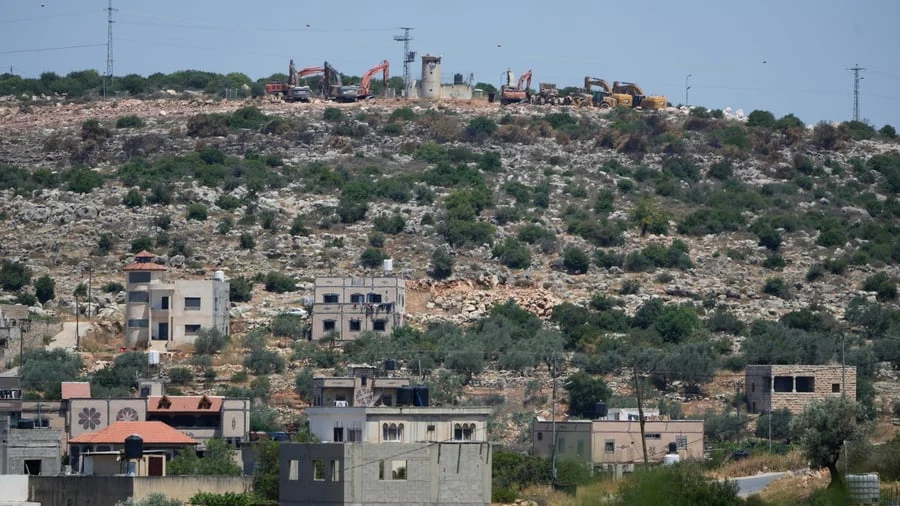
In a significant move underscoring the severe security concerns, the Israeli government has directed its military to prepare for a complete lockdown of the West Bank. This directive came in the wake of a lethal attack near Hebron, a flashpoint city in the southern West Bank, further inflaming an already volatile situation just days before Israel’s national elections.
Immediate Fallout from the Hebron Attack
The Israeli army reported that two armed assailants were neutralized near Hebron after they allegedly attempted a terror attack. The attackers were found to be carrying an M16 assault rifle and a handgun. The incident resulted in at least five individuals being injured, with two reportedly in critical condition. Details regarding the specific target of the alleged attack and the identities of the deceased assailants and injured parties were not immediately released.
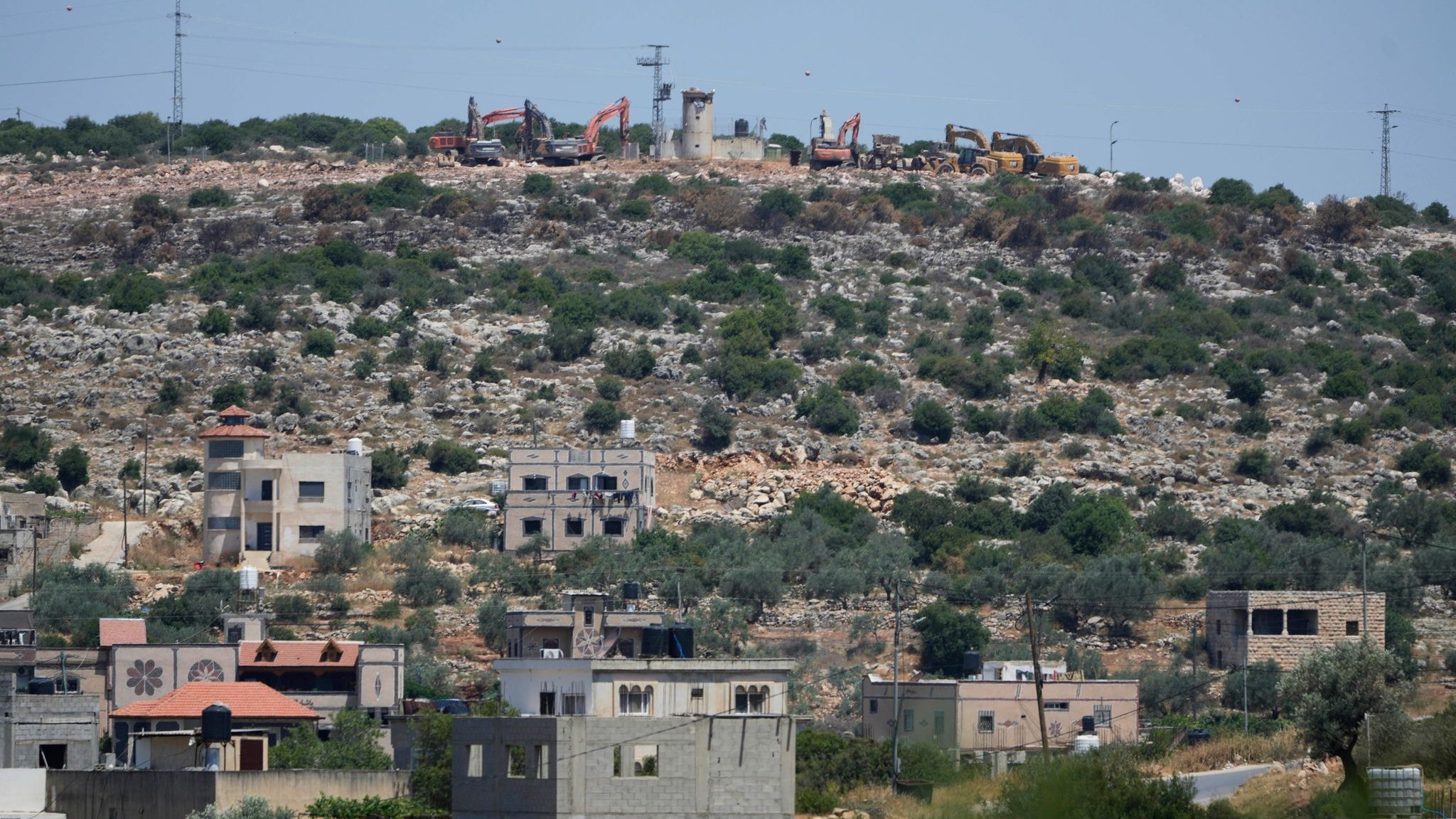
Following the attack, the Israeli military swiftly implemented security measures, establishing roadblocks and sealing off Palestinian communities in the vicinity. Prime Minister Benjamin Netanyahu’s office subsequently announced the order for an immediate lockdown of Hebron and preparations for a full closure of the entire West Bank to commence on Friday. Such extensive closures severely impact the daily lives and movement of hundreds of thousands of Palestinians, often leading to increased economic hardship and social disruption.
Political Undercurrents and Civilian Impact
The timing of these events, occurring just four days before a crucial Israeli election, adds a layer of political complexity. Security incidents in the West Bank frequently become central issues in Israeli political discourse, influencing voter sentiment and government policy. The planned lockdown is indicative of the Israeli leadership’s determination to project a strong security posture.
Further highlighting the fraught environment, American congressional candidate Brad Lander was briefly detained by Israeli security forces in the occupied West Bank. Lander, a Democratic politician, was held alongside dozens of other activists while participating in an olive harvest near Bethlehem. Human rights groups stated that the activists were accompanying Palestinian farmers to protect them from potential aggression by Israeli settlers. While Lander was quickly released due to his status, more than 30 other US citizens remained in custody. The Israeli army justified the detentions by stating that the harvesting activities in the area lacked prior coordination. This incident underscores the broader context of civilian activism, international observation, and the ongoing clashes between Israeli security forces, Palestinian residents, and their supporters in the West Bank.
The Looming Shadow of Conflict: US, Israel, and Iran
Beyond the immediate crisis in the West Bank, the broader geopolitical landscape of the Middle East is dominated by an intensifying confrontation between the United States, Israel, and Iran, characterized by veiled threats, strategic posturing, and reports of impending military action.
Trump’s Ominous Hints and Attack Plans
US President Donald Trump has been notably cryptic yet assertive regarding potential actions against Iran. On Thursday, he told journalists that while the US was not negotiating with Iran, something "significant" would happen "soon." He added, "Most people seem to think it will only be after the election," a remark interpreted by many as a hint that strikes could occur even before the upcoming US midterm elections on November 3rd.

These statements align with a report by the esteemed New York Times, which indicated that US and Israeli armed forces had reportedly finalized plans for renewed attacks on Iran following the US midterms. This strategic timing suggests a potential desire to avoid accusations of politicizing military action before domestic elections, while still signaling a firm stance against Tehran.
Netanyahu’s Unambiguous Objective
Israeli Prime Minister Benjamin Netanyahu has been far more explicit in his rhetoric. At an officers’ graduation ceremony, he unequivocally declared the overthrow of the Iranian leadership as the "express goal" of Israeli security forces. Netanyahu asserted that this was the only way to "once and for all" eliminate the threat posed by Iran’s nuclear program. He accused Iran’s Supreme Leader, Mojtaba Khamenei, of "stepping into his father’s footsteps" and "releasing the safety catch" to develop "death bombs." Netanyahu’s directive to the Israeli army and Mossad was clear: "As long as Iran wants to destroy Israel, there is an existential threat." This declaration signals an unprecedented level of aggression in Israel’s stated policy towards Iran, moving beyond containment to regime change.
Iran’s Nuclear Defiance and Strategic Delays
In response to international pressure, Iran has maintained a defiant stance on its nuclear program. Mohsen Rezaei, Secretary-General of Iran’s powerful Security Council, stated that the Islamic Republic would "not surrender a single particle of enriched nuclear material." He also reiterated that negotiations with the US would not proceed without Washington taking confidence-building measures and meeting Tehran’s demands.
This defiance comes in the wake of an International Atomic Energy Agency (IAEA) confidential report from September 2025, which indicated that Iran had significantly expanded its stockpiles of highly enriched, near-weapons-grade uranium just before the "Twelve-Day War" in June of the previous year, during which the US and Israel reportedly bombed Iranian nuclear facilities. Iran, however, continues to deny any intention of developing nuclear weapons.
According to insiders, Tehran’s leadership is convinced that President Trump is prepared for new strikes. To politically weaken Trump before the US congressional elections, Iran is reportedly intentionally delaying negotiations aimed at ending hostilities, unwilling to grant the US president a political victory.
International Support and Regional Alignment
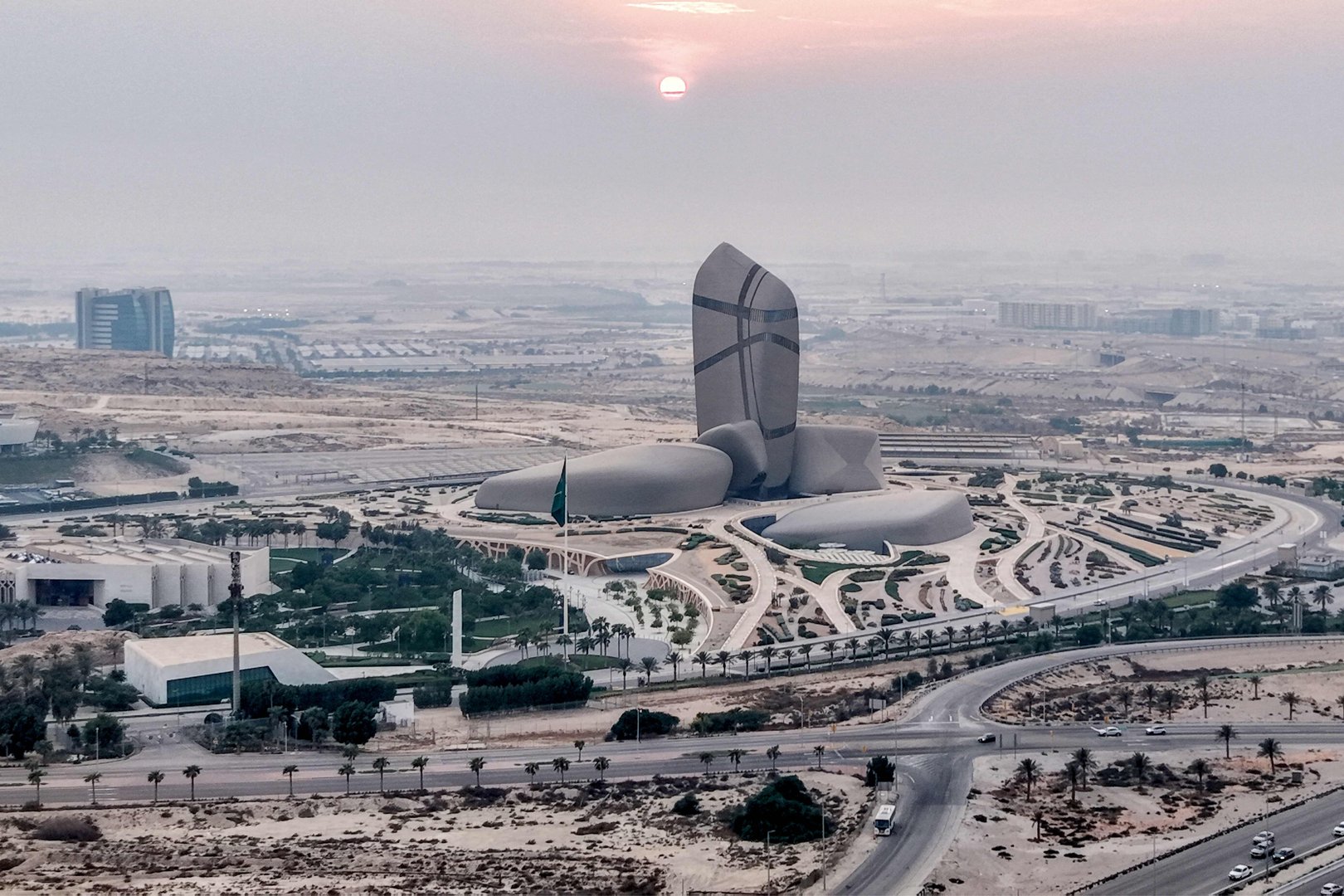
The escalating rhetoric and potential for conflict have led to increased military support for regional allies. Great Britain, for instance, has announced an expansion of its military assistance to Saudi Arabia in its fight against the Houthi rebels. British Royal Air Force Typhoon fighter jets are slated to conduct "defensive" patrols over Saudi Arabia to protect cities, civilian populations, and critical infrastructure from Houthi attacks. While these British aircraft will not engage in offensive strikes against Houthi targets, their presence underscores a Western commitment to Saudi security in the face of perceived Iranian-backed threats.
The Volatile Strait of Hormuz: A Global Flashpoint
The Strait of Hormuz, a narrow waterway crucial for global oil shipments, has emerged as a major flashpoint, with a series of incidents involving oil tankers and explicit threats from Iran raising alarm bells worldwide.
Attacks on Tankers and Contradictory Accounts
Reports from the Iranian state television, citing the Revolutionary Guard Navy, claimed that seven oil tankers were damaged in the Strait of Hormuz. Four of these tankers were reportedly attacked and set ablaze overnight while illegally transferring oil, having been pursued by Iranian naval forces. Additionally, three other vessels were said to have struck sea mines west of the Strait of Hormuz, sustaining damage that rendered them unable to proceed.
Separately, the UK Maritime Trade Operations (UKMTO), a British Navy-funded shipping security authority, reported that two tankers were hit by unidentified projectiles in the Persian Gulf. One vessel caught fire off the Omani coast, though the blaze was later extinguished, while another was shelled off the Iraqi coast. The crews of both ships were reported safe. These incidents, whether attributed to direct attacks or mines, highlight the extreme danger to commercial shipping in one of the world’s most critical maritime choke points. The price of oil immediately reacted, rising by more than two percent in response to the heightened uncertainty.
Iran’s Warnings and Strategic Targets
The Iranian Revolutionary Guard has issued stark warnings to the US military, threatening a "broader response" against US bases in the region if "persistent provocations" continue, particularly if the US attempts to facilitate oil tanker passage through other parts of the strait.
Furthermore, Iran’s armed forces have threatened to target undersea internet cables in the Persian Gulf if their civilian infrastructure comes under attack. A Revolutionary Guard general, speaking to state broadcaster Al-Alam, explicitly stated, "If they (the US) want to harm our infrastructure, it is obvious that the Islamic Republic will use all its power to easily destroy their capital and assets." He added, "This includes internet cables, including seven important cables that run underwater through the Strait of Hormuz." Such an action would cause severe damage to the US and its regional allies, disrupting global communication and data flow.
International Condemnation and Economic Investigations
US Secretary of State Marco Rubio reacted strongly to Iran’s actions, drawing parallels to historical conflicts. During a visit to India, Rubio likened Tehran’s conduct in attacking commercial shipping to "Nazi tactics" and Germany’s U-boat warfare during World War II. He stated, "You haven’t seen anything like this since World War II," urging the international community to stand against such behavior.
The financial ramifications of the escalating tensions are also under scrutiny. The US derivatives regulator, the CFTC, has reportedly initiated an investigation into suspicious oil trading activities linked to the US military operation in Iran. Bloomberg news agency reported that a politically appointed CFTC official had ordered the market surveillance team to withdraw a notice to investigators regarding unusual transactions around President Trump’s March decision to cancel planned attacks on Iranian power plants. This suggests concerns about potential insider trading or market manipulation related to geopolitical developments.
The Yemen Front: A Proxy Conflict’s Devastating Impact
The civil war in Yemen, largely seen as a proxy conflict between Saudi Arabia and Iran, continues to destabilize the Arabian Peninsula, with Houthi rebels intensifying their attacks on Saudi territory and critical infrastructure, prompting defensive measures and diplomatic withdrawals.
Houthi Attacks on Saudi Arabia and Beyond
The Iran-backed Houthi rebels have significantly escalated their attacks on Saudi Arabia, regularly targeting airports and vital energy infrastructure. One of the most alarming incidents involved an alarm at the headquarters of Saudi Aramco, the world’s largest oil exporter, in Dhahran. The incident led to the evacuation of the main office on Thursday, with employees instructed to work from home. This evacuation follows a previous Houthi strike that hit a tower on the Aramco complex the week prior, damaging three floors and causing a fire. These attacks underscore the vulnerability of Saudi Arabia’s crucial oil industry to the ongoing conflict.
Houthi aggression has also extended to other critical locations. The Houthi militia claimed responsibility for attacking a military camp at Aden airport, a southern port city, with a ballistic missile. Houthi military spokesman Yahya Sari stated the camp housed a command center for the Saudi-led military coalition. A representative from the Ministry of Transport in Aden confirmed a civilian plane had just departed before the attack, leading to the evacuation of the departure hall and a temporary suspension of operations, though the runway itself was undamaged. Further, Saudi Arabia’s military coalition spokesperson, Turki al-Maliki, reported that five Houthi drones were intercepted and destroyed over Medina, one of Islam’s holiest cities. These attacks on civilian and holy sites further escalate tensions and draw international condemnation.

US Diplomatic Withdrawal and Yemeni Government Threats
In response to the increasing Houthi attacks on civilian targets in Saudi Arabia, the US State Department ordered the withdrawal of non-essential US government personnel and their families from Saudi Arabia. Reuters, citing four US officials, also reported that family members of diplomats from other Gulf states were advised to leave the region. This move reflects the heightened security risks for American citizens in the area.
Adding another layer of severity to the conflict, the Yemeni government issued a stark warning, threatening to attack Houthi militia rallies and mobilization programs, deeming them "legitimate military targets." The Defense Ministry also cautioned residents in Houthi-controlled areas against participating in such events. This announcement, circulated on social media, marks a significant escalation, as targeting civilians could constitute a war crime under international law. Rallies and "cultural courses" are key tools for the Houthis to mobilize supporters and fighters, making the government’s threat particularly impactful.
Diplomatic Chessboard: Seeking Stability Amidst Chaos
Amidst the military escalations and rising tensions, diplomatic efforts are underway to de-escalate the various conflicts and find pathways to regional stability, though trust remains a significant hurdle.
Turkey’s Initiative for Regional Dialogue
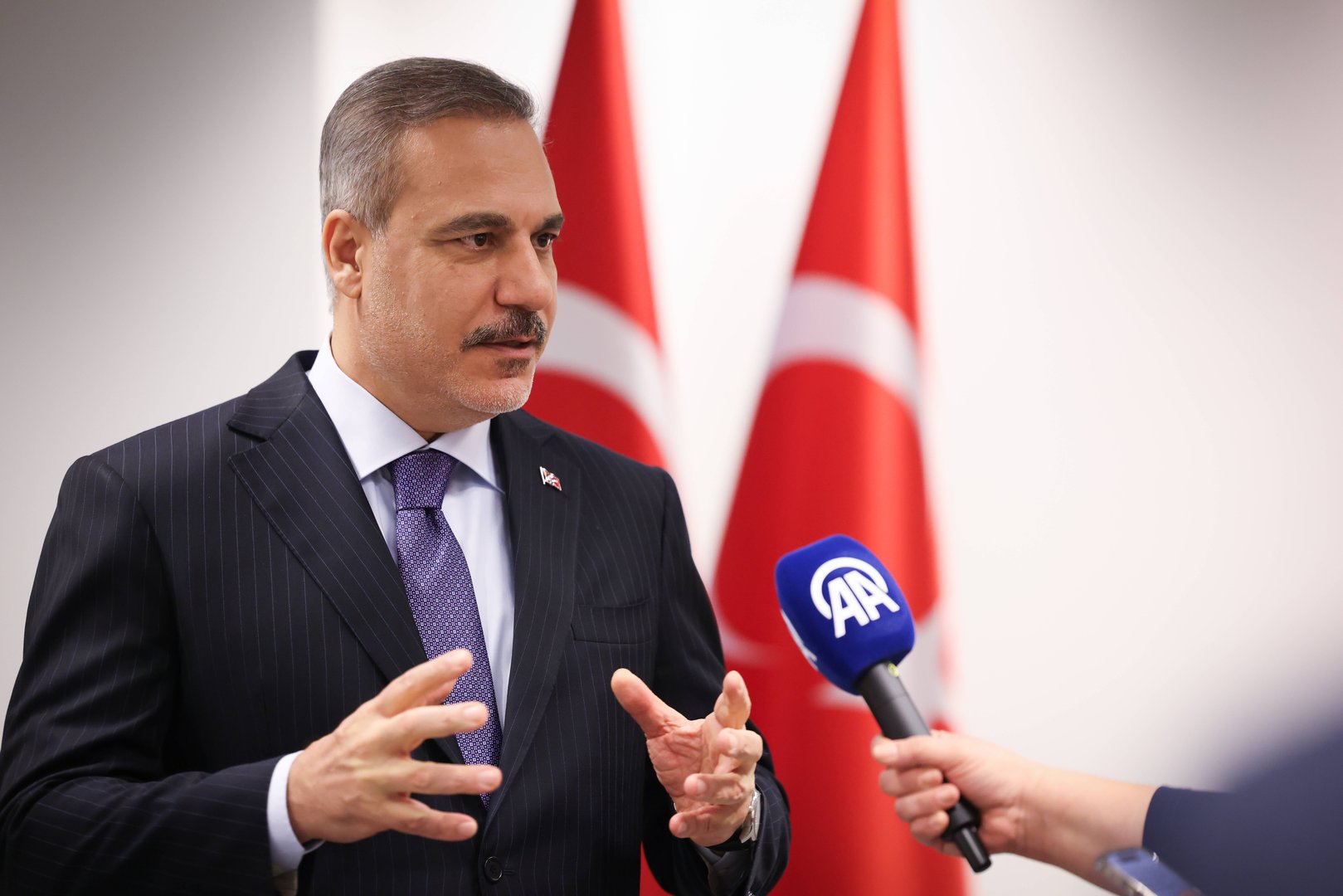
Turkey has taken a proactive role in fostering regional dialogue. Turkish Foreign Minister Hakan Fidan hosted his counterparts from Germany, France, Great Britain, Egypt, Pakistan, and Saudi Arabia in Istanbul for discussions on regional conflicts. This marks the first time these seven nations have convened in such a format at Turkey’s initiative. Turkish diplomatic sources indicated that the meeting’s backdrop included the wars involving Iran, the conflict in Yemen, and the war in Ukraine, all of which threaten shipping lanes and regional security.

The agenda for the Istanbul meeting covered the Israeli-Palestinian conflict, the situation in the Strait of Hormuz and Yemen, and efforts to end the Ukraine war. Ministers also aimed to discuss closer cooperation between regional and European countries. Fidan reportedly advocated for a diplomatic resolution to the US-Iran conflict and stressed the importance of freedom of navigation in the Straits of Hormuz and Bab al-Mandab. He also reaffirmed Turkey’s support for Saudi Arabia’s security in light of the Houthi attacks.
Macron’s Surprise Visit to Riyadh
In a notable diplomatic maneuver, French President Emmanuel Macron made an unannounced stop in the Saudi capital, Riyadh, during his Middle East tour. He was received by Saudi Crown Prince and de facto ruler Mohammed bin Salman. The Élysée Palace announced that France and Saudi Arabia had agreed to extend additional diesel supplies for "as long as necessary," without providing further details. Furthermore, both nations pledged to enhance cooperation on protecting critical energy infrastructure and to advance infrastructure projects aimed at reducing their dependence on the Strait of Hormuz. This visit signals efforts to strengthen bilateral ties and find alternative solutions to energy security challenges posed by the volatile Strait.
Iran’s Diplomatic Overtures Amidst Distrust
Despite deep mistrust in negotiations with the US, Iran’s Foreign Minister Abbas Araghtschi publicly advocated for a diplomatic solution in an op-ed published in the Financial Times. He wrote, "We have no confidence whatsoever in the sincerity of the US government’s stated desire for peace with Iran," acknowledging that "given the threats from the White House, there is little reason to expect progress." However, he added, "Despite all this, as a professional diplomat, I am obliged to do my utmost to give diplomacy a chance, even if the hope of success is low."
Araghtschi referred to a seven-day negotiation proposal that Iran had conveyed to the US via mediators during the UN General Assembly. This plan reportedly envisioned an end to the ongoing conflict and a resolution to the dispute over the Strait of Hormuz. He emphasized Iran’s "unparalleled influence" over shipping traffic through the Strait due to its geographical location. The minister’s statements come as concerns about a return to open warfare between the US/Israel and Iran have resurfaced in recent weeks, with Pakistan and Russia reportedly attempting to mediate between Tehran and Washington.

Implications and Future Outlook
The confluence of these events paints a grim picture of a region in constant flux, where localized conflicts easily escalate into broader international confrontations. The immediate consequences of Israel’s West Bank lockdown will undoubtedly be felt by Palestinians, exacerbating existing humanitarian challenges and potentially fueling further unrest. The explicit threats and counter-threats between the US, Israel, and Iran suggest a high risk of military engagement, particularly given the approaching US midterm elections and Netanyahu’s stated goal of regime change in Tehran.
The incidents in the Strait of Hormuz underscore the fragility of global energy supply chains and the potential for a regional conflict to have severe worldwide economic repercussions. Iran’s threats to target undersea internet cables highlight a new dimension of potential warfare, extending beyond traditional military targets to critical digital infrastructure.
While diplomatic channels remain open, as evidenced by Turkey’s initiative and Macron’s visit, the deep-seated mistrust, particularly between Washington and Tehran, makes breakthroughs challenging. The Yemeni conflict continues unabated, serving as a dangerous proxy battleground that destabilizes its neighbors and draws in international actors. The withdrawal of US diplomatic personnel from Saudi Arabia signifies a tangible recognition of heightened risk, further solidifying the perception of a region on the precipice. The coming weeks, particularly around the US midterm elections, will be critical in determining whether the current cycle of escalation can be broken or if the Middle East will descend into a wider, more devastating conflict.