Main Facts: A Return to Triple-Digit Inflation
For the first time since the end of 2023, Germany has seen its annual inflation rate climb above the critical three-percent mark. According to preliminary data released by the Federal Statistical Office (Destatis), consumer prices in September were 3.3 percent higher than in the same month last year. This represents a significant acceleration from the 2.9 percent rate recorded in August, signaling that the respite from inflationary pressures seen earlier in the year may be coming to an abrupt end.
The primary engine behind this upward trajectory is the relentless surge in energy prices. As households and businesses brace for the colder months, the cost of living is being squeezed by volatile commodity markets and a precarious geopolitical landscape that has sent oil prices soaring past the $100 per barrel mark for Brent crude.
Chronology: From Stability to Escalation
The path to this September peak was paved by a series of compounding factors throughout the third quarter of 2026.
- Mid-Summer Stability: In July and August, inflation remained largely anchored below the 3 percent mark, buoyed by base effects and a temporary stabilization in global supply chains.
- The Geopolitical Pivot: In early September, the security situation in the Middle East deteriorated rapidly. The escalation of the Iran conflict, combined with the strategic positioning of Houthi militants near the Bab al-Mandab Strait—a vital artery for global oil tanker traffic—triggered market panic.
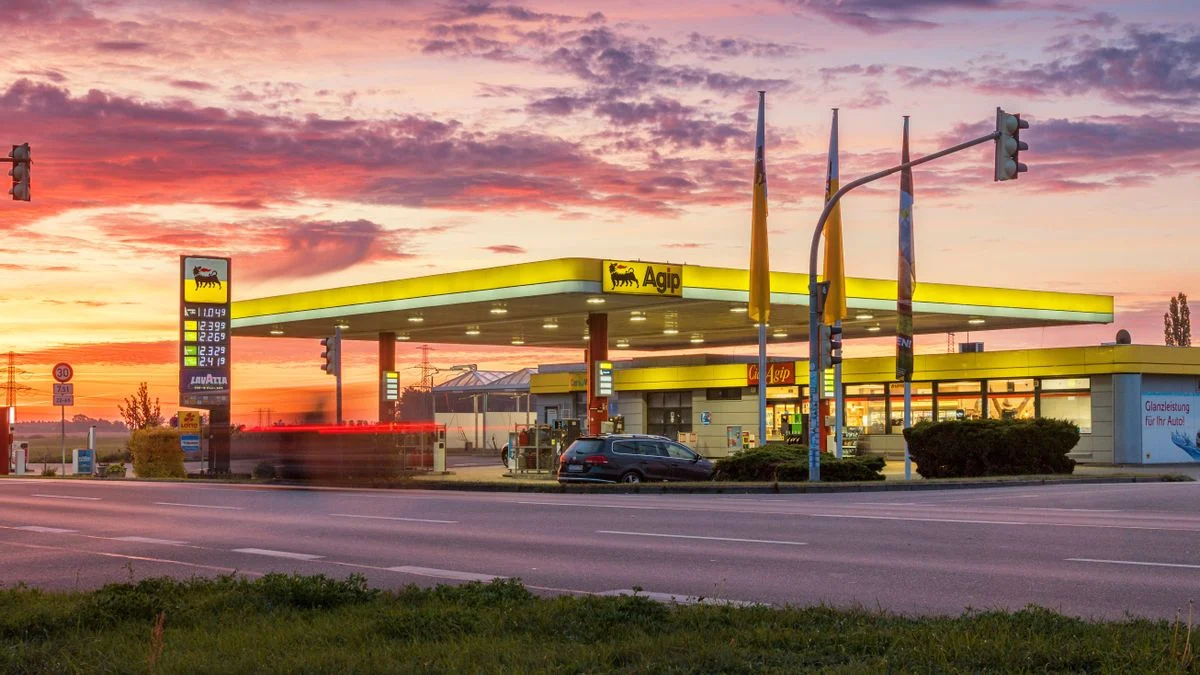
- Market Reaction: Brent crude oil prices breached the $100 threshold, marking a psychological and economic turning point. This immediately translated into record-high prices at the pump for German consumers, as documented by the ADAC (Allgemeiner Deutscher Automobil-Club).
- September Acceleration: By the final week of September, the cumulative impact of these energy costs began to manifest fully in the national price indices, culminating in the 3.3 percent reading.
Supporting Data: The Anatomy of the Price Hike
To understand the severity of the situation, one must look at the granular data provided by regional and national statistical bureaus. The impact is not uniform, but it is pervasive.
The Energy Squeeze
In North Rhine-Westphalia, Germany’s most populous state, the statistics reveal a staggering reality. Consumers faced a 48.7 percent increase in the cost of diesel compared to the previous year. Gasoline prices followed closely with an increase of 33.8 percent, while heating oil—a staple for residential heating—surged by a massive 49.9 percent. Across the entire nation, energy prices overall rose by 14.9 percent in September, a stark jump from the 10.5 percent recorded in August.
The Core Inflation Concern
While energy captures the headlines, the "core inflation" rate—which excludes volatile food and energy components—has also shown stubborn resilience, rising by 2.4 percent. This suggests that the inflationary pressure is beginning to broaden. Food prices rose by 0.4 percent, while services, including insurance and travel, saw a 2.7 percent increase. When comparing month-to-month figures, consumer prices jumped by 0.6 percent between August and September alone, indicating that the trend is currently gathering momentum rather than cooling down.
Official Responses and Policy Interventions
The German government and economic institutions are currently engaged in a high-stakes balancing act.
The Tank Rebate Strategy
In an effort to provide immediate relief, the government has introduced a "tank rebate" (Tankrabatt) effective October 1st. Economists at the Landesbank Helaba suggest this measure could reduce fuel costs by up to 17 cents per liter in the short term. Holger Schmieding, Chief Economist at Berenberg Bank, expects this policy to shave roughly 0.3 percentage points off the inflation rate in October. However, experts warn that this is a temporary palliative measure rather than a structural solution.
The View from the Commerzbank and Ifo Institute
Jörg Krämer, Chief Economist at the Commerzbank, remains cautious. "The massively increased energy prices are taking their toll," he noted, adding that despite the state’s intervention, the underlying inflationary trend is hardening. The Munich-based Ifo Institute echoes this sentiment; their researchers forecast an average inflation rate of 3.0 percent for 2027, suggesting that price volatility will remain a fixture of the German economic landscape for the foreseeable future.
Implications: A Looming Winter of Discontent
The broader economic implications of these data points are profound, affecting both monetary policy and private sector behavior.
Monetary Policy and the ECB
The European Central Bank (ECB) faces mounting pressure to act. With the Eurozone-wide inflation rate having already reached 3.3 percent in August, the ECB’s mandate of price stability is under duress. Jörg Krämer argues that the central bank will have no choice but to continue raising interest rates. Having already hiked the key interest rate twice in 2026 to the current 2.50 percent, the ECB may be forced into more aggressive tightening to prevent inflation expectations from becoming unanchored.
Corporate Pricing Power
Perhaps the most concerning indicator is the shift in corporate sentiment. The Ifo Institute’s survey of German companies reveals that the "price expectation barometer" has risen to 22.7 points, up from 21.4 in August. This index serves as a leading indicator of inflation, suggesting that businesses are increasingly willing and able to pass on higher energy costs to their customers.
Timo Wollmershäuser, head of economic forecasting at the Ifo Institute, warns that the current price shocks are merely the beginning. "Fuel and heating oil have already become noticeably more expensive; in the winter, energy providers are expected to raise prices for electricity and gas," he stated. As these utility costs filter through the economy, the price pressure on manufactured goods and professional services is expected to compound.
Social and Political Stability
The economic data suggests a challenging winter for the average German household. As the cost of essential goods continues to climb, the real purchasing power of wages is being eroded. The government’s reliance on subsidies like the tank rebate reflects a fear of social unrest. However, as the Ifo data indicates, businesses are preparing for a sustained period of higher costs, suggesting that "temporary" measures may struggle to mitigate the long-term structural changes in the cost of living.
In conclusion, the rise of inflation to 3.3 percent is more than just a statistical blip; it is a symptom of a deeply interconnected global crisis. With energy markets held hostage by geopolitical conflicts and corporate entities shifting toward aggressive price-setting strategies, Germany finds itself in a precarious economic position. Whether the ECB’s interest rate hikes or government fiscal support can prevent this from turning into a long-term wage-price spiral remains the defining question for the German economy heading into the winter of 2026.