Date: October 26, 2026 | Financial Analysis
The political landscape in Brazil has undergone a dramatic transformation, sending shockwaves through the nation’s financial markets. In a result that defied the expectations of many market analysts and institutional investors, Luiz Inácio Lula da Silva has secured a fourth term as President of Brazil, defeating his right-wing predecessor, Jair Bolsonaro, by a margin of over four million votes.
While the international diplomatic community, particularly within the European Union, has greeted the transition of power with optimism, the immediate reaction from the financial sector has been one of profound skepticism. As the dust settles on the election, Brazil’s capital markets are experiencing a severe correction, characterized by double-digit losses in equities and a sharp devaluation of the national currency, the Real.
The Chronology of a Shifted Landscape
The volatility gripping the Brazilian markets is best understood by looking at the trajectory of the preceding weeks. Following the first round of the election earlier in October, which saw a strong performance by Jair Bolsonaro, the markets had priced in a continuation of his market-friendly, fiscally conservative policies.
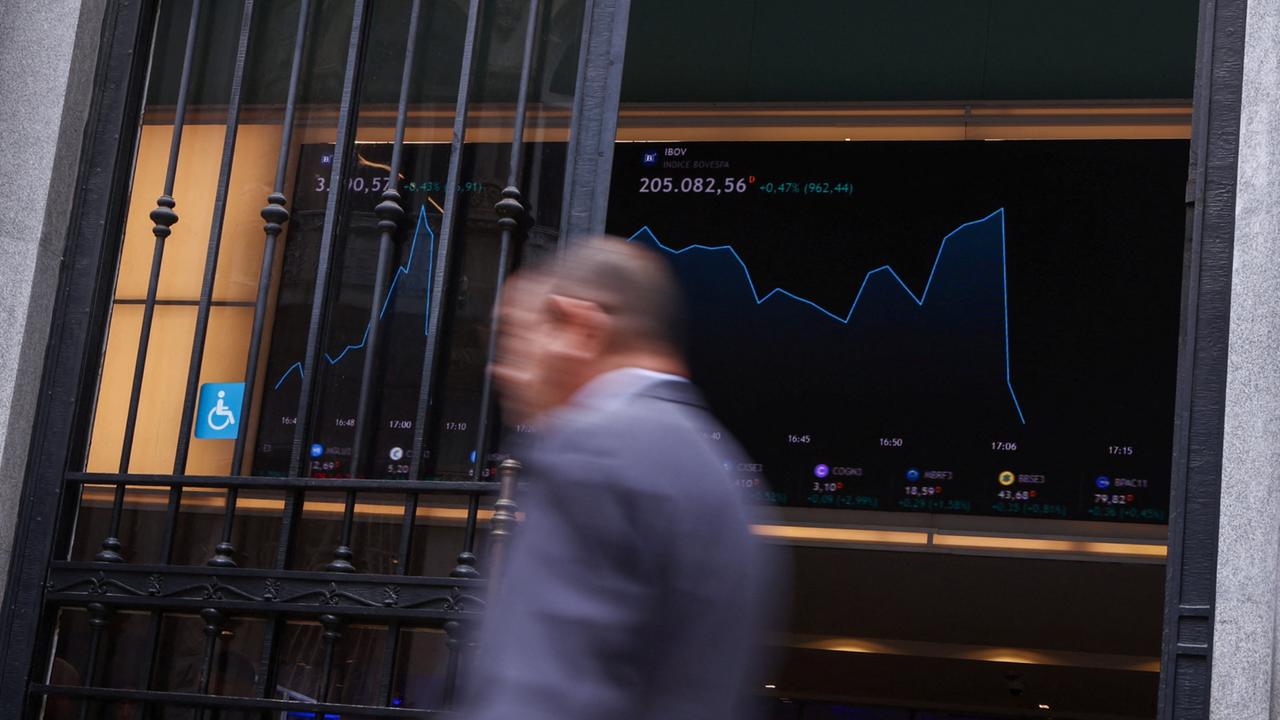
Between October 9 and the days leading up to the runoff, the Bovespa index reached an all-time high of over 200,000 points. Investors had flocked to sectors like energy, particularly the state-controlled oil giant Petrobras, betting on a platform of deregulation and reduced environmental oversight.
However, the late-stage momentum of the Lula campaign caught the financial establishment off guard. The final vote count represented a reversal of the initial polling trends that had characterized the early October period. When the markets opened following the announcement, the reaction was immediate and punishing: index funds tracking the Bovespa plummeted by as much as 25 percent in early trading, while the Brazilian Real depreciated by more than eight percent against the U.S. Dollar.
Fiscal Fragility: The Core of Investor Anxiety
The primary driver of the current market rout is not merely a preference for one political candidate over another, but a deep-seated fear regarding the trajectory of Brazil’s national debt.
Under President-elect Lula, Brazil’s debt-to-GDP ratio currently sits at approximately 83 percent. However, market participants are increasingly concerned that the spending commitments made during the campaign—coupled with a potential return to interventionist economic policies—could push this figure toward 100 percent in the coming years.
The World Bank and various private-sector analysts have repeatedly cautioned that without strict adherence to a fiscal framework, the country risks losing its investment-grade status. The lack of clarity regarding the incoming administration’s cabinet, specifically the position of Finance Minister, has exacerbated this uncertainty. Investors are currently in a "wait-and-see" mode, desperately searching for signals of fiscal discipline.
The Role of the Finance Ministry and Economic Policy
For international investors, the most critical appointment in the coming weeks will be that of the Finance Minister. Graham Stock, an emerging markets strategist at RBC Bluebay Asset Management, notes that the markets are looking for a "credible commitment to fiscal responsibility."
There is, however, a glimmer of hope among observers who point to the role of Vice President-elect Geraldo Alckmin. A seasoned, center-right politician, Alckmin’s presence at the heart of the transition has led some to speculate that he might serve as a moderating influence on the new administration’s economic policy.
"We are of the opinion that even a Lula administration will be forced by the sheer reality of the numbers to adopt measures for fiscal consolidation," says Thierry Larose, a senior portfolio manager at Vontobel. "The market is reacting to the worst-case scenario, but there is a structural reality that any government must face."
International Perspectives: The EU and the Mercosur Deal
In contrast to the panic seen on the trading floors of São Paulo, the European Union has adopted a stance of cautious, diplomatic engagement. European Commission President Ursula von der Leyen was among the first to congratulate Lula, signaling a desire to restart stalled trade negotiations.
The potential revival of the Mercosur trade agreement is being viewed by analysts as a silver lining. Stephan Rieß, an investment strategist at the fund management firm Acatis, suggests that Lula’s stated openness to the deal could provide a necessary boost to Brazil’s export-oriented sectors. Furthermore, from an ESG (Environmental, Social, and Governance) perspective, Lula’s commitment to curbing the deforestation of the Amazon—which had accelerated under Bolsonaro—is being viewed favorably by international institutional investors who prioritize sustainability mandates.
The Geopolitical Shadow of the Election
The market’s anxiety is further compounded by the ongoing refusal of Jair Bolsonaro to formally concede the election. Given the support Bolsonaro received from figures like former U.S. President Donald Trump, the political climate remains volatile.
Financial markets despise uncertainty, and the prospect of a contested transition, or even localized civil unrest, is causing a "risk-off" environment. Foreign direct investment (FDI) often flows toward countries with stable, predictable legal and political frameworks. As long as the legitimacy of the electoral process remains a talking point in the domestic political discourse, the risk premium on Brazilian assets will likely remain elevated.
Comparative Market Dynamics: The DAX and Global Context
Interestingly, while Brazil is in the midst of a sharp correction, other global indices have shown resilience. The German DAX, for example, has seen a recovery, supported by a surprisingly robust ifo business climate index and a cooling of oil prices.
This divergence highlights that the current crisis in Brazil is largely domestic and idiosyncratic. Unlike the 2008 financial crisis or the 2020 pandemic-induced downturn, this is a localized shock driven by domestic fiscal policy concerns. The ability of the DAX to trade higher while the Bovespa crashes suggests that global liquidity is not the issue; rather, the issue is the specific risk appetite of investors regarding Brazilian sovereign credit and domestic equity valuations.
Looking Ahead: The Path to Stabilization
The coming quarter will be decisive for Brazil’s economic future. The transition team, led by Lula, faces a daunting dual mandate: they must appease a domestic base that expects expanded social spending, while simultaneously reassuring global credit markets that the country remains solvent.
The path to stabilization likely involves several key milestones:
- Cabinet Selection: The appointment of a market-friendly or "technocratic" Finance Minister is essential to stem the outflow of capital.
- Fiscal Rule Communication: The administration must articulate a clear, legally binding framework for public spending that prevents the debt-to-GDP ratio from breaching the 100 percent threshold.
- Diplomatic Trade Ties: Successfully leveraging the EU-Mercosur agreement could provide a much-needed boost to the manufacturing and agricultural sectors, potentially offsetting the negative sentiment from the financial sector.
- Domestic Unity: A formal and peaceful transition of power is the baseline requirement for the return of foreign institutional capital.
Conclusion
Brazil stands at a critical juncture. The sharp decline in its stock market and currency is a clear message from the international investment community: the appetite for fiscal profligacy is nonexistent in the current global economic environment. While the election of Lula brings with it potential benefits in terms of environmental policy and international trade cooperation, these gains are currently being eclipsed by fears of a ballooning deficit.
For the new administration, the honeymoon period will be short, if it exists at all. The markets have already begun the process of "pricing in" the new reality. Whether this current volatility turns into a long-term crisis or a temporary correction will depend entirely on the legislative and executive actions taken in the first 100 days of the new government.
As investors look toward the future, the sentiment remains cautious. The "Lula trade"—once synonymous with commodity-driven growth—now faces the challenge of managing a more complex, highly leveraged, and politically polarized nation. The next few weeks of cabinet announcements will not just define the incoming administration; they will determine the financial trajectory of the largest economy in Latin America for the remainder of the decade.