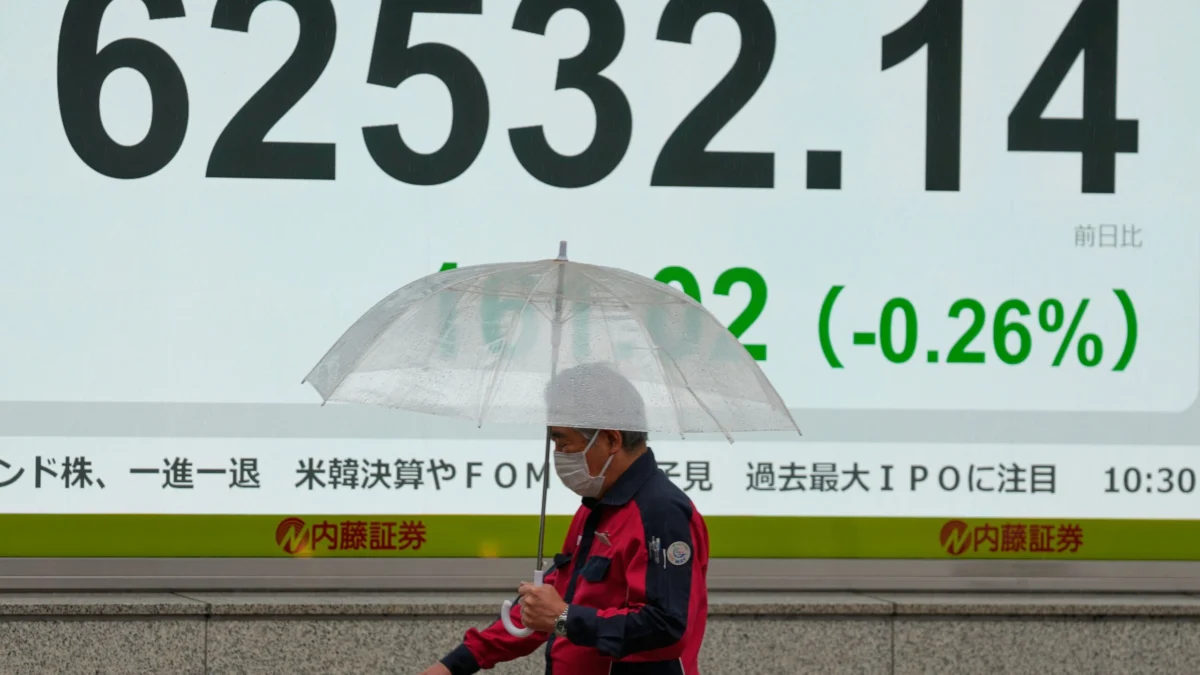
TOKYO/SINGAPORE – As the trading week commenced, Asian equity markets displayed a distinct lack of momentum, with most major indices drifting into negative territory. Investors across the region are exercising heightened caution, paralyzed by a "wait-and-see" approach as they brace for a pivotal series of central bank policy meetings and a deluge of upcoming corporate earnings reports.
The prevailing mood in the financial hubs of Tokyo, Shanghai, and Singapore is one of defensive positioning. Market participants are increasingly wary of the dual pressures of persistent inflationary expectations and the geopolitical undercurrents emanating from Beijing, creating a volatile backdrop for global capital flows.
Main Facts: The Market Landscape at the Week’s Opening
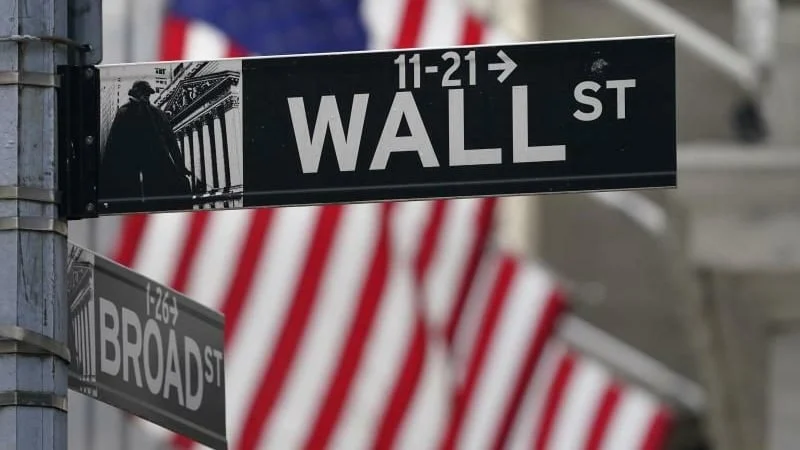
The session began under the shadow of negative cues from Wall Street, where a cooling in the tech sector’s enthusiasm rippled across the Pacific. In Japan, the Nikkei 225 index faced immediate selling pressure, led by a sharp retreat in semiconductor-related stocks. This trend mirrored the broader international sell-off in growth-oriented assets, which have struggled to find a new catalyst following a robust mid-year performance.
Conversely, the energy sector provided a rare pocket of resilience. As crude oil prices continued their recent ascent, investors pivoted toward commodity-sensitive equities. The divergence between the struggling technology sector and the emboldened energy sector highlights a market grappling with contradictory signals: the fear of a potential economic slowdown in the West versus the tangible reality of constrained energy supplies.
Chronology of Market Events
The Early Session Sell-off
The morning hours were dominated by the decline in Japanese chipmakers. Shares of Sumco plummeted by more than 4% in early trading, a significant move that sent a tremor through the Tokyo Stock Exchange. Kokusai Electric and Screen Holdings followed suit, suffering notable losses as investors recalibrated their portfolios to account for the softening demand for high-end electronics components.
Mid-day Consolidation
By midday, the market began to find a degree of stabilization. Analyst Satoshi Saito of Monex Securities noted that the Nikkei was displaying signs of "short-term technical undervaluation," suggesting that the sell-off may have been overextended in the short term. This cooling-off period allowed for a rotation into cyclical stocks, specifically within the energy and trading house sectors, where Inpex, JGC Holdings, and Mitsubishi Corp saw significant buy-side interest.
The Afternoon Stagnation
As the day progressed, the focus shifted toward the macroeconomic narrative. The lack of major positive news from the corporate sector, coupled with the anticipation of the Federal Reserve’s upcoming policy rhetoric, led to a tightening of trading ranges. By the market close, the lack of conviction was palpable, with many indices finishing the day near their intraday lows.
Supporting Data: Why Investors Are Holding Back
The underlying anxiety in Asian markets is supported by a confluence of macroeconomic factors that have persisted for several weeks.
- The Fed’s "Higher-for-Longer" Stance: Despite initial optimism that the US Federal Reserve might pivot to interest rate cuts, current market consensus has shifted toward a sustained high-interest-rate environment. This strength in the US dollar continues to pressure emerging market currencies and increases the cost of capital for highly leveraged Asian tech firms.
- China’s Binnennachfrage (Domestic Demand) Crisis: While China’s export data remains relatively strong, the domestic economic engine continues to stutter. Chinese stock markets have now faced a grueling eleven-week period of downward pressure. The dichotomy between the country’s manufacturing output and its internal consumption habits is a primary concern for institutional investors.
- Oil Price Sensitivity: The recent volatility in oil prices has created a "K-shaped" reaction in the markets. While energy firms profit, the increased cost of energy acts as a tax on the rest of the economy, particularly in energy-importing nations like Japan and South Korea, where high input costs threaten to erode profit margins.
Official Responses and Political Context: The Beijing Plenum
A significant portion of the current regional uncertainty stems from the Chinese political scene. The ruling Communist Party has convened for its fifth plenum in Beijing, a high-stakes, closed-door gathering.
Why This Meeting Matters
While typically a bureaucratic necessity, this specific meeting is viewed as a critical barometer for the future of the Chinese economy. It is the final major gathering before the structural transformation of the party leadership scheduled for 2027. For President Xi Jinping, this is an opportunity to consolidate authority, refine the long-term industrial policy, and address the stagnation in the domestic property and retail sectors.
Market analysts are looking for signals regarding fiscal stimulus. The current "11-week slump" in Chinese equities is a direct reflection of investor frustration with the lack of aggressive, direct support for the struggling consumer sector. If the plenum fails to deliver a concrete roadmap for domestic revitalization, analysts fear the current "bearish sentiment" could persist well into the next quarter.
Implications: Navigating a Period of "Strategic Patience"
The current market environment is one defined by "strategic patience." For investors, the next two weeks will be transformative.
1. The Earnings Trap
Corporate earnings are currently the primary source of volatility. With analysts adjusting their outlooks downward, even companies that meet their revenue targets may find their share prices punished if their guidance for the remainder of the year is perceived as too cautious. The "tech-heavy" nature of Asian indices means that any negative surprise from major global semiconductor players will have outsized impacts on the regional benchmarks.
2. Central Bank Policy Divergence
The Bank of Japan (BoJ) is facing increasing pressure to normalize its ultra-loose monetary policy, even as the global environment remains uncertain. The interplay between the Fed’s interest rate policy and the BoJ’s potential move creates a complex currency risk for international investors holding Japanese assets. A strengthening Yen, should the BoJ hike rates, would likely put further pressure on Japanese exporters.
3. Geopolitical Risk Premiums
As the Beijing plenum progresses, the "geopolitical risk premium" applied to Chinese assets remains elevated. Institutional investors are waiting to see if the government will prioritize state-led technological self-sufficiency or attempt to re-engage with foreign capital to stimulate the domestic economy. The lack of clarity is currently driving capital away from mainland exchanges and toward safer, yield-bearing assets in other parts of the world.
Conclusion: A Precarious Equilibrium
The current state of Asian markets is one of precarious equilibrium. Investors are caught between the gravitational pull of historical valuation metrics—which suggest some markets are cheap—and the looming threats of structural economic changes and aggressive central bank policies.
As the week continues, the focus will remain on the intersection of political rhetoric from Beijing and the data-driven decisions from the Federal Reserve. For now, the "wait-and-see" approach appears to be the only rational strategy for market participants. The lack of clear direction is not necessarily a sign of market failure, but rather a reflection of the profound uncertainty regarding the path of global interest rates and the durability of the Chinese economic model.
Investors should expect continued volatility as market sentiment shifts from one headline to the next. The resilience of the energy sector suggests that the market is attempting to hedge against inflation, while the weakness in technology remains a stark reminder that the post-pandemic era of "easy money" has definitively come to an end. Whether the upcoming policy meetings provide the necessary clarity to break this cycle remains the most important question for the remainder of the quarter.