Executive Summary: The Scope of the Crisis
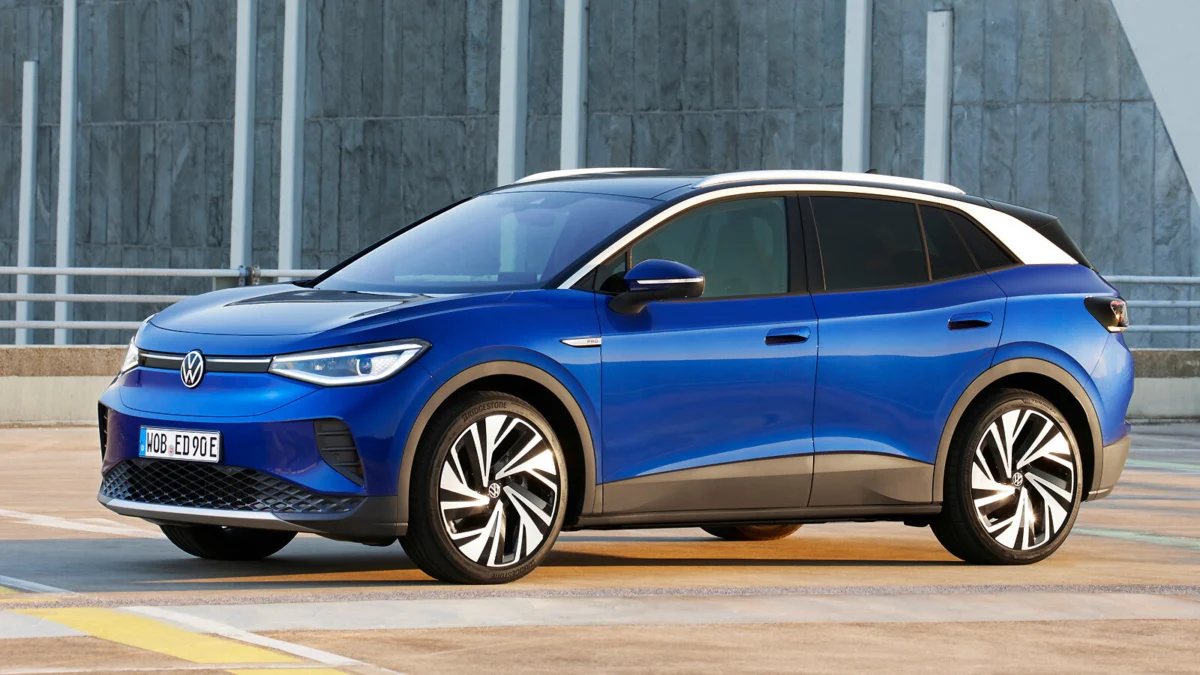
Volkswagen, the German automotive giant, has launched a significant global recall affecting approximately 72,700 electric vehicles (EVs) due to critical defects identified within their high-voltage battery systems. The recall, which is currently being coordinated with international traffic authorities—including the Kraftfahrt-Bundesamt (KBA) in Germany—highlights the ongoing challenges legacy automakers face in scaling up complex battery-electric vehicle (BEV) architectures.
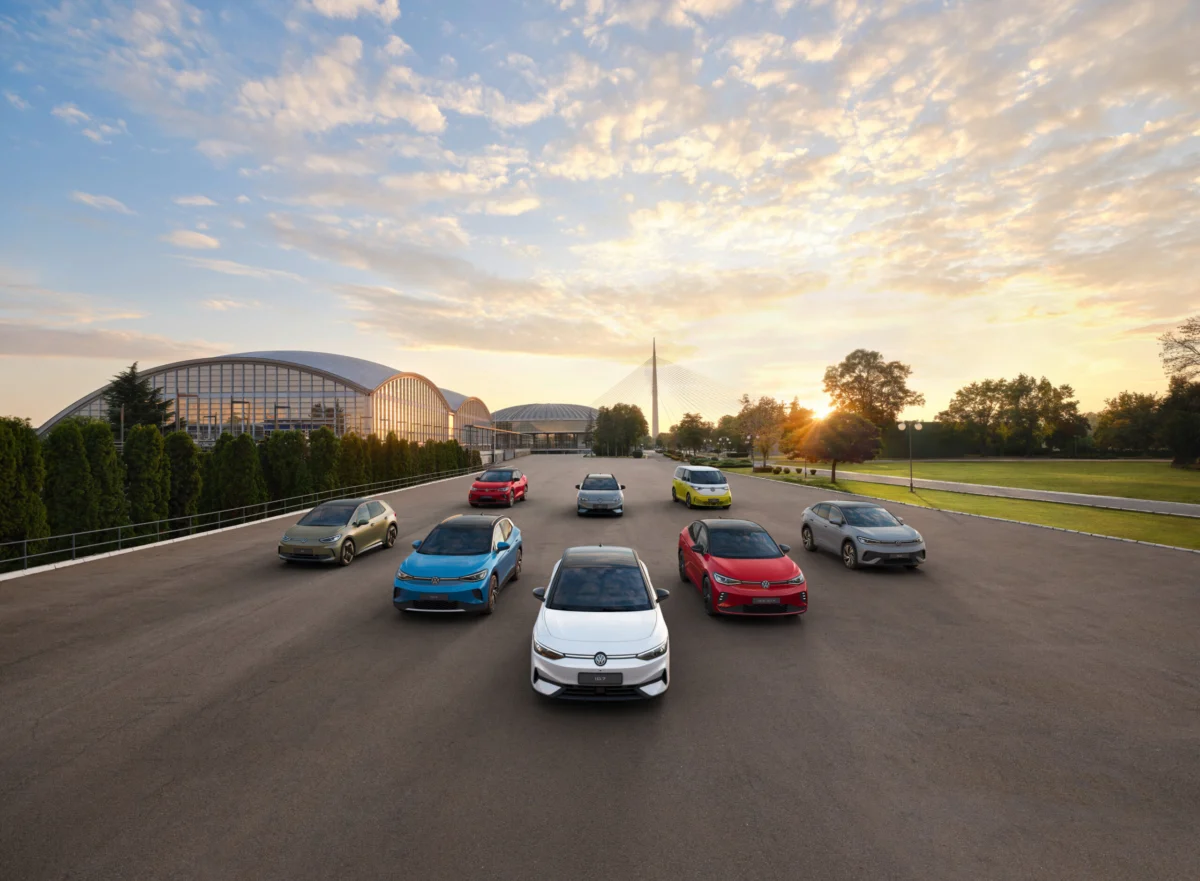
In Germany alone, approximately 10,000 vehicles are impacted across three distinct recall campaigns. The affected models include the core of Volkswagen’s ID. series—the ID.3, ID.4, ID.7, and the retro-inspired ID. Buzz—as well as the Cupra Born, produced by Volkswagen’s Spanish subsidiary. The root cause of the issue has been traced back to manufacturing defects at the supplier level, leading to potential thermal instability within the battery cells. While the company maintains that these instances are rare, the potential for a vehicle fire has necessitated immediate and decisive intervention.
Chronology of Events and Discovery
The path to this recall began with internal quality assurance protocols. During routine diagnostic testing, Volkswagen’s engineering teams discovered that a specific batch of high-voltage battery cells failed to meet the company’s stringent safety and durability benchmarks.
- Initial Discovery: Volkswagen’s internal monitoring systems flagged anomalies in battery cell performance, triggering an immediate forensic investigation into the supply chain.
- The Confirmation: By the second week of October, Volkswagen confirmed that production errors at a third-party battery component supplier had introduced vulnerabilities into the cells.
- Official Notification: By mid-October, the KBA issued formal recall notices. Volkswagen subsequently began the process of notifying vehicle owners via official correspondence, outlining the necessary steps to maintain vehicle safety while awaiting a permanent repair.
- Production Windows: The recall encompasses a specific manufacturing window. For the ID.3, ID.4, ID.7, and ID. Buzz, the vehicles were produced between 2022 and 2025. The Cupra Born models affected were manufactured between 2022 and 2024.
Technical Analysis: Understanding the Battery Defect
The core of the issue lies in the chemistry and physical integrity of the lithium-ion battery modules. According to internal technical briefings, the production errors result in a failure of the internal separators within the cells.
Thermal Runaway Risk
Under specific operating conditions—such as high-speed charging or sustained high-load driving—the defect can lead to an internal short circuit. This creates a localized "thermal hotspot." In extreme, albeit rare, circumstances, this heat can propagate to surrounding cells, leading to a thermal runaway event. This is the industry term for a fire that is exceptionally difficult to extinguish once it begins, as the battery provides its own oxygen supply during the chemical breakdown.
The Interim Mitigation Strategy
Recognizing that a full fleet-wide hardware replacement would be logistically daunting and time-consuming, Volkswagen has implemented a sophisticated "software-first" mitigation strategy:
- Charging Caps: Owners are strictly advised to limit their maximum state-of-charge (SoC) to 80%. By reducing the total energy stored in the pack, the physical stress on the defective cells is significantly lowered, effectively reducing the probability of a thermal event.
- Automated Limiting: For many vehicles, Volkswagen is pushing an over-the-air (OTA) update or a workshop-based software adjustment that automatically prevents the battery management system (BMS) from charging beyond this 80% threshold.
- Physical Labeling: In some instances, owners are being provided with warning stickers to be placed near the charging port or dashboard as a reminder of the charging limitation.
These measures will remain in effect until the vehicle has been physically inspected by an authorized service center. Once a technician confirms the battery module is within safe operating parameters, the charging restriction will be lifted.
Official Responses and Customer Guidance
Volkswagen has moved to contain the potential reputational damage by emphasizing transparency and proactive communication.
The Communication Strategy
Volkswagen is currently in the process of sending out formal recall letters to all affected registered owners. These letters contain:
- The specific VINs (Vehicle Identification Numbers) affected.
- Detailed instructions on how to book a service appointment.
- A clarification that, in many cases, a full battery pack replacement may not be necessary. A spokesperson for the company noted that a software update, or at most, the replacement of specific battery modules, is the most likely outcome for the majority of the fleet.
Addressing Consumer Anxiety
The company has reiterated that, to date, there have been no confirmed reports of injuries or significant property damage resulting from this defect. By acting ahead of any "in-field" failure events, Volkswagen is attempting to maintain consumer confidence in its modular electrification platform, the MEB (Modular Electric Drive Matrix).
Implications for the Automotive Industry
This recall is not an isolated incident but rather a symptom of the "growing pains" associated with the global transition to electric mobility.
Supply Chain Fragility
The reliance on specialized suppliers for battery components creates a single point of failure. When a supplier’s manufacturing process drifts—even by a fraction of a millimeter or a milligram of chemical composition—the impact on the OEM (Original Equipment Manufacturer) can be catastrophic in terms of recall costs and logistics.
The Precedent of Recent Recalls
This incident follows a turbulent year for the Volkswagen Group regarding vehicle safety.
- The September Lenkung (Steering) Recall: Just weeks prior, VW and Audi announced a global recall of nearly five million vehicles due to a corrosion-prone screw in the steering assembly. That recall involved 1.4 million vehicles in Germany alone, highlighting that the company is currently juggling multiple complex quality control challenges.
- The March Battery Recall: Earlier this year, in March, VW and Cupra had to recall 90,000 vehicles worldwide due to separate battery-related concerns. This recurrence suggests that the company is currently under intense pressure to optimize its battery quality management systems.
Impact on EV Adoption
Industry analysts suggest that while high-profile recalls are damaging, they are also a standard part of the automotive lifecycle. However, for electric vehicles, the "battery fire" narrative carries a disproportionate weight in public perception. Every recall involving a battery risk provides fodder for critics of the EV transition, even if the actual statistical risk remains lower than that of internal combustion engine vehicles, which carry thousands of liters of highly flammable liquid fuel.
Future Outlook: Engineering Resilience
As Volkswagen moves forward, the company is expected to tighten its supplier audit processes. The move toward "in-house" battery cell production at their new "Gigafactories" is partly a strategic response to these types of issues. By vertically integrating the production of the battery cells, Volkswagen hopes to exert greater control over the manufacturing variables that lead to these defects.
For the owners of the 72,700 affected vehicles, the immediate future involves a visit to the dealership. While the prospect of a vehicle recall is an inconvenience, the industry consensus is that the swift identification of this defect—before any accidents occurred—is a victory for the current safety monitoring systems.
Summary of Next Steps for Affected Owners:
- Check your VIN: Owners can visit the official Volkswagen website or the KBA portal to input their vehicle identification number to see if their specific car is part of the recall.
- Adhere to the 80% Rule: Do not bypass the software charging limit or charge to 100% until the vehicle has been cleared by a professional.
- Await the Letter: Ensure that your contact information with the manufacturer is up-to-date so that the recall notice reaches you promptly.
- Consult your Dealer: If you are unsure about the safety of your vehicle, contact an authorized service center immediately for guidance on temporary vehicle use.
In conclusion, while the scale of this recall is significant, it reflects a broader industry-wide commitment to safety in the face of rapidly evolving technology. Volkswagen’s ability to manage the technical repair and maintain customer trust will be a critical test for the brand as it competes for dominance in the global EV market.