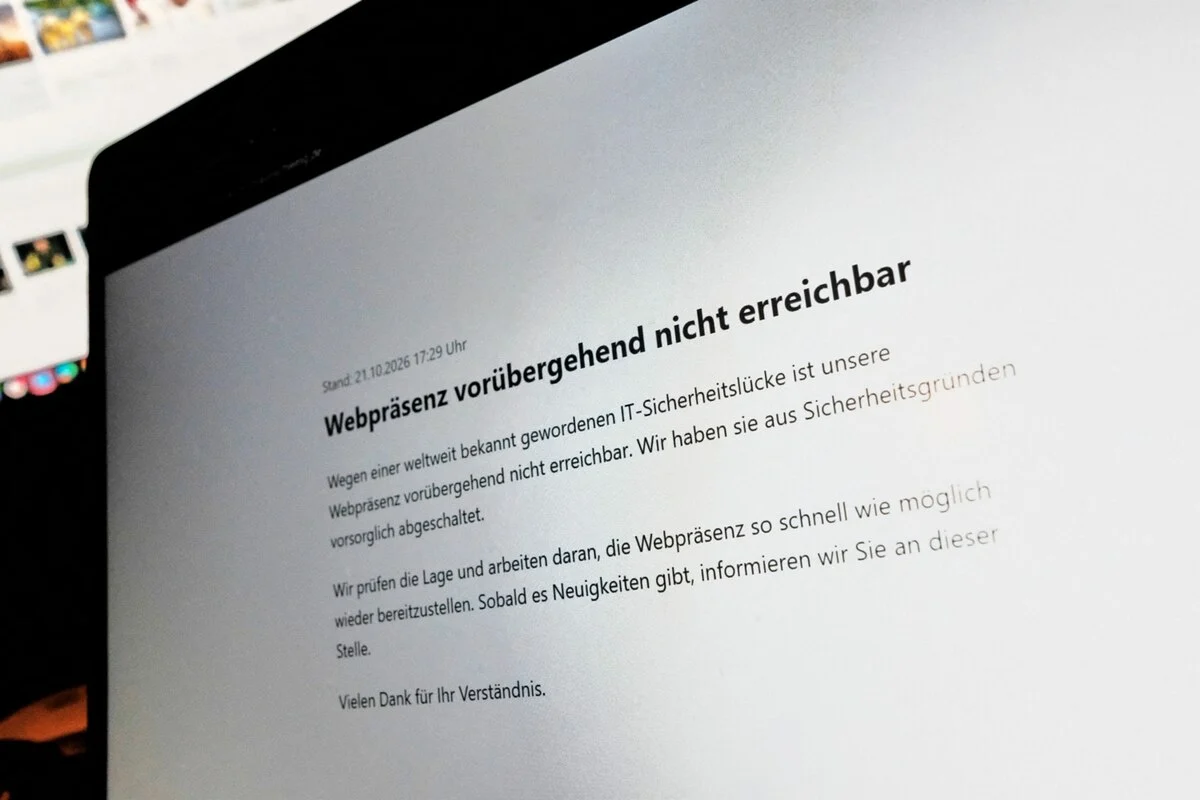
In an unprecedented move that has sent shockwaves through the global digital infrastructure, government agencies, major corporations, and public service providers across the globe have taken the drastic step of disconnecting significant portions of their web presence. The trigger for this sweeping "digital blackout" is the discovery of a critical, high-severity security vulnerability within PHP, the ubiquitous server-side scripting language that powers an estimated 70 percent of the world’s websites.
The coordinated response, involving institutions from Germany to Australia, follows urgent warnings from the US National Security Agency (NSA) and the German Federal Office for Information Security (BSI). Authorities are characterizing the flaw as a potential catastrophe, capable of granting unauthorized actors full administrative access to sensitive server databases and internal systems.
The Scope of the Crisis: A Global Web Disruption
The reach of the vulnerability is profound. Because PHP is the backbone of the modern web—supporting everything from simple personal blogs to complex government databases and international e-commerce platforms—the potential attack surface is nearly infinite.
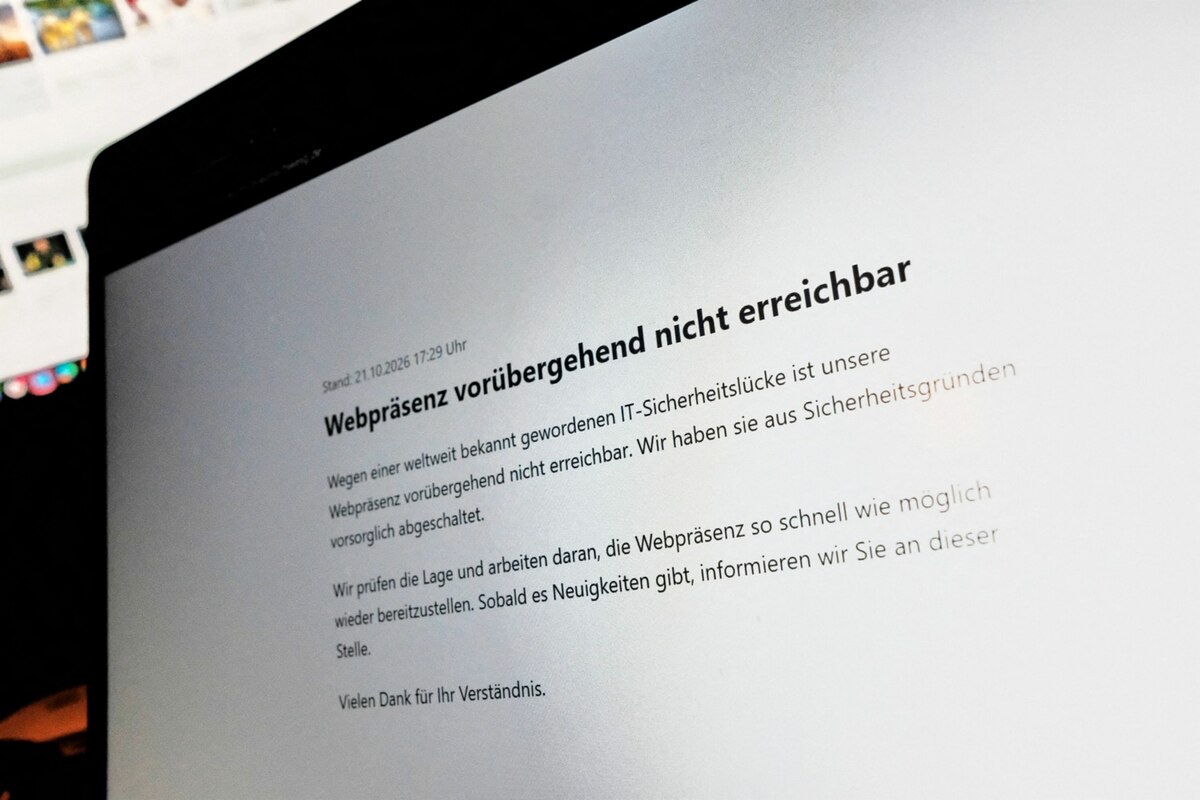
On Wednesday, the impact was visible and immediate. In Germany, local, state, and police authorities preemptively pulled their online services offline to prevent exploitation while engineers scrambled to apply emergency security patches. The ripple effects were felt across Europe, with outages reported in France, the Netherlands, and Belgium.
In the Netherlands, the incident caused significant disruption to critical national services, including the digital identity portal DigiD, the parliamentary website, and the national cybersecurity center. Meanwhile, in Australia, the government’s own cybersecurity hub, cyber.gov.au, was forced to acknowledge that its infrastructure was among those vulnerable, highlighting that even the most security-conscious organizations are not immune to the inherent risks of legacy coding standards.
Even global information repositories were not spared. The Wikimedia Foundation, which hosts the ubiquitous online encyclopedia Wikipedia, confirmed that it was affected by the vulnerability, warning users that service interruptions were inevitable as the foundation worked to secure its servers against potential intrusion.
Chronology of a Digital Security Nightmare
The timeline of this crisis reveals a complex interplay between private security research and public safety.
- August: The vulnerabilities were first identified independently by the security firm Wiz and engineers at OpenAI. Both entities reported the findings to the PHP development community under strict confidentiality, following standard responsible disclosure protocols.
- The "Silent" Period: For several weeks, developers worked behind the scenes to engineer a comprehensive patch, keeping the nature of the vulnerability under wraps to prevent malicious actors from reverse-engineering the flaw before a fix could be deployed.
- Tuesday: The security landscape shifted from a controlled remediation effort to a full-blown emergency when technical details regarding the vulnerability were leaked online. The premature exposure of the exploit code effectively stripped away the "security through obscurity" that had protected global servers during the patch-development phase.
- Wednesday: Facing the imminent threat of active exploitation, the NSA and the BSI issued urgent public advisories. The directive was binary and absolute: either install the emergency security update immediately or disconnect the affected server from the internet entirely.
- Wednesday Evening to Present: A frantic period of recovery began. While many institutions in Germany (such as those in Rheinland-Pfalz, the Saarland, and Thuringia) were able to restore their services by late Wednesday, others remained offline as a precautionary measure to ensure the integrity of their data.
Anatomy of the Vulnerability: Why PHP?
The severity of this incident cannot be overstated. Security analysts at Wiz have described these flaws as potentially the most dangerous vulnerabilities ever discovered in the history of PHP, and arguably among the most severe in the history of software development.
PHP is a foundational element of the internet. It is the engine that allows a server to interact with a database, process user logins, and generate dynamic content in real-time. Because the flaw exists within the core language itself, rather than in an isolated third-party plugin, it is exceptionally difficult to mitigate without a total system update.
When exploited, this vulnerability allows an attacker to bypass authentication mechanisms entirely. In essence, a remote actor could execute commands on a server as if they were a legitimate administrator. This means the ability to read, modify, or delete entire databases containing citizen data, medical records, or classified government information.

"If you are using PHP, it is mandatory that you update now," the PHP Foundation stated in an urgent blog post. The urgency is compounded by the fact that many platforms, particularly legacy government systems, are still running older iterations of the software—versions that are not only vulnerable but often no longer officially supported.
Official Responses and Strategic Guidance
The response from official bodies has been marked by a transition from quiet coordination to public alarm. Thomas Caspers, Vice President of the BSI, provided a stark assessment of the situation in an interview with the ARD "Tagesthemen."
"As of this moment, we have not yet observed a massive, widespread exploitation resulting in catastrophic damage," Caspers noted on Wednesday evening. However, he immediately pivoted to a warning: "However, anyone who does not patch their web applications and install the latest version is running a very real risk of being compromised in the very short term."
Caspers emphasized that the danger is not just to the servers themselves, but to the end-users who trust those servers. "We must expect that in the coming days, attackers will attempt to use compromised websites to distribute malware to visitors," he warned, urging consumers to remain vigilant.
The consensus among cybersecurity experts, including Ethan Mollick of the University of Pennsylvania, is that this incident exposes a dangerous weakness in the modern digital ecosystem: the inability of human-managed systems to keep pace with the speed of vulnerability discovery and the sophistication of modern exploits.

Implications for the Future of Cybersecurity
The mass shutdown of public-facing web services serves as a sobering wake-up call for the digital age. It highlights three critical areas of concern:
1. The Fragility of Core Infrastructure
The fact that a single programming language, when compromised, can bring down government agencies, hospitals (such as the Charité university clinic in Berlin), and international information portals underscores the systemic fragility of our digital architecture. We have built a world on top of a relatively small number of foundational software tools, and when these tools fail, the consequences are universal.
2. The Dangers of Leaked Intel
The transition from a controlled patch deployment to a global emergency on Tuesday was triggered by an information leak. This highlights the vulnerability of the "responsible disclosure" model. In an era where hackers, state-sponsored actors, and independent researchers are constantly probing for weaknesses, the time between the discovery of a flaw and its public disclosure is a period of extreme risk.
3. The AI and Automation Factor
The involvement of OpenAI in identifying the vulnerability alongside traditional security firms points to a new reality. AI is being used both to discover vulnerabilities faster than ever before and to automate the creation of exploits. Security professionals are now finding themselves in an "arms race" where they must patch systems at a speed that often exceeds the operational capacity of human IT departments.
Conclusion: A Turning Point
As of now, the world remains in a state of high alert. While many services have returned to functionality, the true test lies in the days ahead. Security experts anticipate a "second wave" of attacks, where malicious actors attempt to exploit the servers that were not patched in time.

The incident serves as a stark reminder that the internet is not a static, safe environment, but a living, breathing, and constantly evolving battlefield. For government institutions and businesses alike, the lesson is clear: in an age of global connectivity, cybersecurity is no longer an "IT issue"—it is a core component of national security and public trust. The "digital blackout" of this week may have prevented a widespread disaster, but it has also exposed the precarious nature of the digital foundations upon which modern society stands.