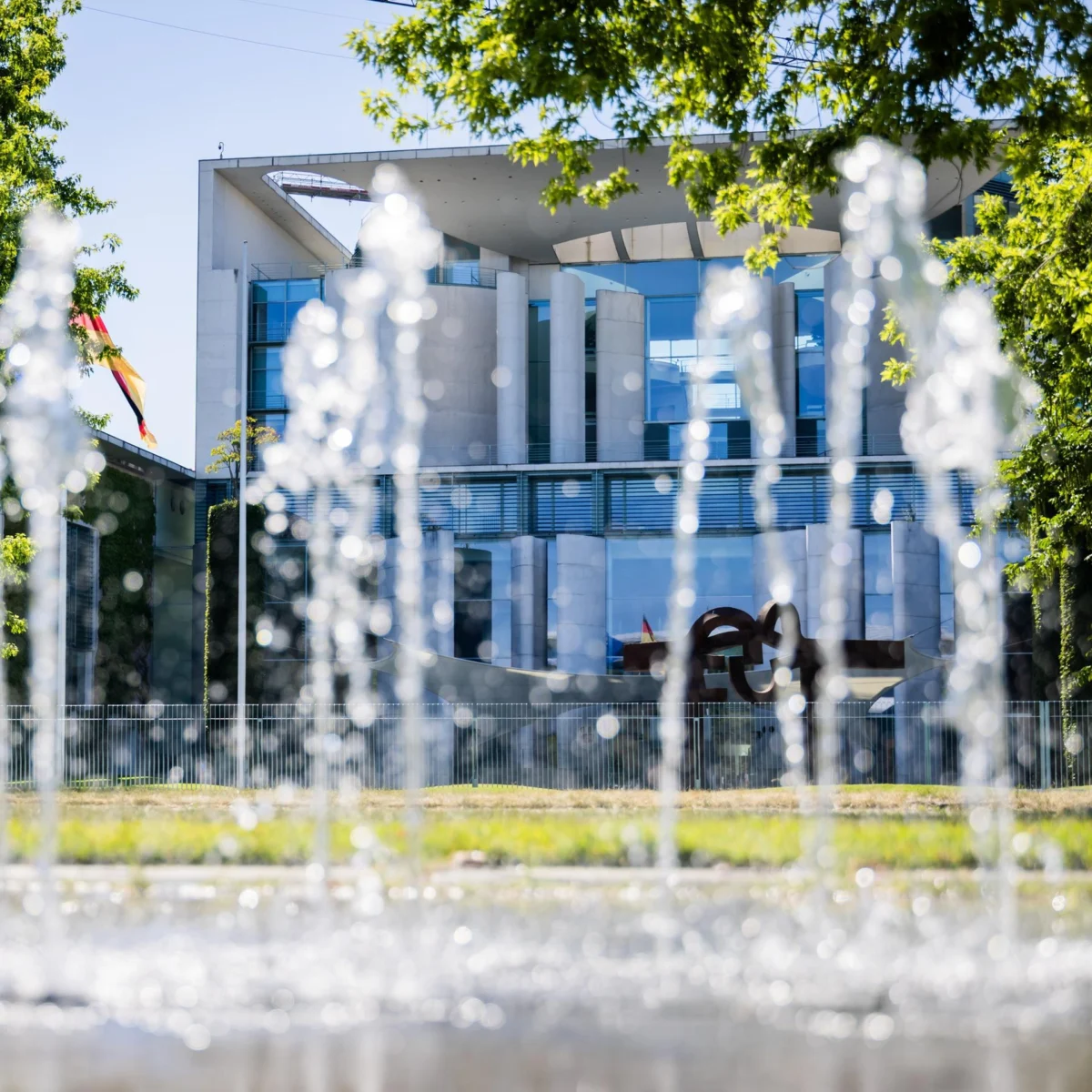
Berlin, Germany – June 21, 2026 – The German Federal Government today concluded its annual "Tag der Offenen Tür" (Open Day), a two-day initiative designed to bridge the gap between political institutions and the public. Thousands of citizens have flocked to Berlin’s governmental quarter over the weekend, gaining unprecedented access to the Federal Chancellery, various ministries, and the periphery of the iconic Reichstag Building. The event, which commenced yesterday, aimed to demystify the workings of the capital’s political machinery, offering a unique opportunity for direct engagement with policymakers and civil servants.
Highlights of the concluding day included a highly anticipated dialogue session with Federal Chancellor Merz at the government headquarters and the robust celebration of the National Veterans’ Day, an initiative introduced last year, held in the vicinity of the Reichstag. This annual tradition underscores the German government’s commitment to transparency, civic education, and fostering a deeper understanding of democratic governance among its populace. The vibrant atmosphere and extensive program offered a rare glimpse behind the normally closed doors of power, inviting citizens to become active participants in the ongoing conversation about Germany’s future.
A Weekend of Open Doors: From Youth Engagement to Chancellery Dialogue
Day One: Laying the Foundation for Public Engagement
The "Tag der Offenen Tür" commenced with considerable public enthusiasm on Saturday, June 20, 2026, under bright Berlin skies. Early morning queues formed outside key government buildings, signaling a keen public interest in the democratic process and a desire to engage directly with the country’s political heart. Families, students, and curious citizens alike eagerly awaited the chance to explore the institutions that shape their daily lives.
A significant highlight of the opening day was a special press conference tailored for children and young people, hosted by Government Spokesperson Kornelius. Held in a specially designated briefing room, the session saw young, aspiring journalists pose a range of questions, from the serious — "How does a law get made?" — to the delightfully inquisitive — "What does the Chancellor eat for breakfast?" Kornelius, known for his approachable demeanor and ability to distill complex governmental functions into understandable terms, engaged thoughtfully with the children. He emphasized the importance of youth participation in shaping Germany’s future and encouraged them to remain curious and engaged citizens. This initiative aimed to spark an early interest in civic responsibility and political literacy among the youngest generation, demonstrating that their voices and perspectives are valued.
Throughout Saturday, several federal ministries opened their doors, inviting visitors to explore their premises and engage directly with civil servants and ministerial staff. The Ministry of Finance, for instance, offered comprehensive insights into the national budget and economic policy, with experts explaining Germany’s fiscal strategies and answering questions about taxation and public spending. The Federal Foreign Office showcased its extensive diplomatic efforts, featuring interactive displays on international relations, cultural exchange programs, and Germany’s role in global peace and security. Visitors to the Ministry of the Interior and Community learned about national security, public safety, and integration policies, with live demonstrations of police work, border control technologies, and discussions on cyber security challenges. These encounters provided a tangible connection to the often abstract work of government, allowing citizens to witness firsthand the dedication and expertise behind policy implementation.
The atmosphere across the governmental quarter on the first day was described as vibrant and constructive, with numerous feedback stations and informal discussion forums facilitating direct exchanges between the public and government representatives. Initial visitor numbers surpassed expectations, reflecting a strong desire among the German populace to connect with their political leaders and institutions, reinforcing the value of such direct engagement opportunities.
Day Two: Chancellor’s Dialogue and National Remembrance
Today, Sunday, June 21, 2026, the "Tag der Offenen Tür" continues with an equally compelling program, broadening the scope of public access to other crucial government departments. Ministries such as the Federal Ministry of Defence, the Federal Ministry for Economic Affairs and Climate Action, and the Federal Ministry for Family Affairs, Senior Citizens, Women and Youth offered their unique perspectives on national priorities.
The Ministry of Defence, for example, hosted extensive exhibitions on Bundeswehr operations, showcasing military equipment, discussing Germany’s contributions to international peacekeeping missions, and providing information on career opportunities within the armed forces. The Ministry for Economic Affairs and Climate Action focused on Germany’s ambitious transition to a green economy, presenting innovative projects in renewable energy, digital transformation, and sustainable industry, engaging with public concerns about environmental protection and economic competitiveness. Meanwhile, the Ministry for Family Affairs addressed critical social policies, gender equality initiatives, and support systems for various demographic groups, inviting public discourse on pressing societal issues like childcare, elder care, and youth empowerment.
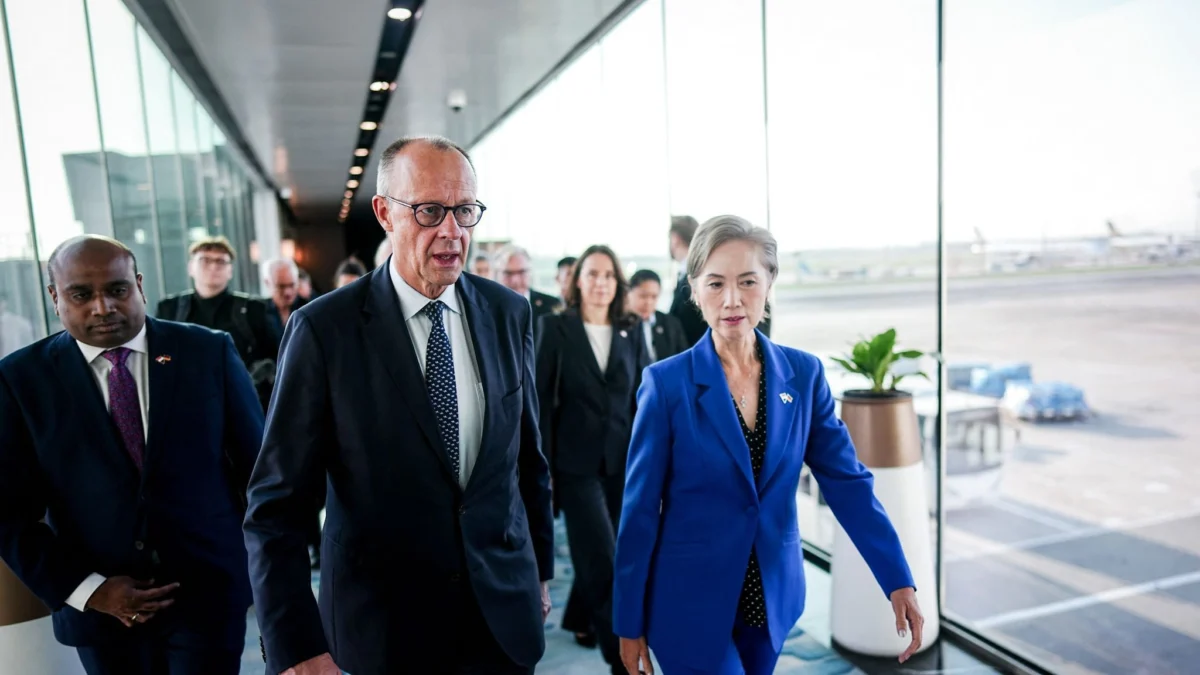
The day’s pinnacle was undoubtedly the "Bürgergespräch" (citizen dialogue) with Federal Chancellor Merz, scheduled to take place at the Bundeskanzleramt. This direct interaction offered citizens a rare opportunity to pose questions directly to the head of government on topics ranging from domestic policy challenges – such as inflation, housing, and social justice – to Germany’s position on the global stage, including foreign policy dilemmas and European integration. The format was designed to be open and unscripted, emphasizing authentic dialogue over prepared statements, allowing the Chancellor to hear directly from the people he serves. Such an event serves as a powerful symbol of democratic accountability and accessibility, reinforcing the idea that leadership involves active listening.
Complementing the governmental access, the area surrounding the historic Reichstag Building was once again the focal point for the National Veterans’ Day. Introduced last year, this day is dedicated to recognizing and honoring the service and sacrifices of Germany’s veterans. Activities included solemn ceremonies, exhibitions detailing the history of the Bundeswehr and its veterans’ contributions to peace and security, and opportunities for the public to meet active service members and veterans. The integration of Veterans’ Day into the "Tag der Offenen Tür" highlights the government’s commitment to both civilian engagement and military appreciation, fostering a holistic understanding of public service. This year, special emphasis was placed on the ongoing support systems for veterans, including mental health initiatives, reintegration programs, and educational resources for their families.
Decades of Openness: Evolution of the "Tag der Offenen Tür"
A Tradition Rooted in Transparency
The "Tag der Offenen Tür" tradition by the German Federal Government is not a recent phenomenon but a cornerstone of its transparency efforts, tracing its origins back to the post-reunification era. While informal open days might have occurred earlier, the formalized annual event gained significant traction in the late 1990s and early 2000s, as the government sought to establish closer ties with its citizens in the new capital, Berlin, following the move from Bonn. The primary motivation was, and remains, to demystify the political process, making government more approachable and understandable to the average citizen. It aims to counteract political alienation by allowing people to literally walk through the doors of power, fostering a sense of ownership and belonging.
Over the decades, the event has evolved from simple building tours to a comprehensive program featuring interactive exhibits, expert talks, cultural performances, and extensive direct dialogue opportunities. This evolution reflects a growing understanding within the government of the diverse ways in which citizens wish to engage with their institutions, adapting to changing societal needs and expectations.
Impressive Visitor Engagement and Demographic Reach
Annually, the "Tag der Offenen Tür" attracts hundreds of thousands of visitors. While official final figures for 2026 are still being compiled, preliminary estimates suggest that this year’s event is on track to welcome over 150,000 visitors across the two days. In previous years, numbers have often soared beyond 200,000, underscoring the enduring appeal and public appetite for direct government interaction. This robust attendance figure positions the event as one of Berlin’s most significant public engagement initiatives, a testament to the public’s desire for direct access and information.
The demographic profile of attendees is remarkably broad, encompassing families with young children eager to learn about democracy, students exploring career paths in public service, academics and researchers keen on policy insights, and senior citizens reflecting on the country’s political trajectory. Special programs are often curated to cater to these diverse groups. For instance, children’s workshops on basic civics, youth forums on environmental policy, and accessible tours for individuals with disabilities ensure inclusivity. The event truly transforms the governmental district into a vibrant, accessible public forum for all segments of society.
Beyond the Buildings: The Program’s Rich Tapestry
The scope of activities extends far beyond mere access to government buildings. Visitors are treated to a rich tapestry of experiences designed to educate and engage:
- Exhibitions: Detailed displays on critical policy areas such as renewable energy, digital infrastructure, social welfare, international development cooperation, and cultural heritage.
- Interactive Stations: Simulations of parliamentary debates, virtual reality tours of historical government sites, and interactive quizzes on German history and civics, offering hands-on learning experiences.
- Expert Panels and Lectures: Opportunities to hear directly from leading scientists, economists, legal experts, and diplomats affiliated with government ministries, discussing current challenges and future strategies.
- Cultural Performances: Live music, theatrical sketches, and art installations often reflecting themes of democracy, unity, and national identity, performed by local artists and cultural groups, adding an artistic dimension to the civic event.
- Security Demonstrations: Insightful presentations by the Federal Police and Bundeswehr on their operational capabilities, disaster relief efforts, and the advanced technology they employ to ensure national security. This often includes demonstrations by K9 units or explanations of specialized equipment used in various missions.
- Career Information: Dedicated booths providing comprehensive information on careers in the civil service and public administration, fostering interest in a new generation of public servants.
The sheer variety ensures that there is something of interest for everyone, transforming what could be a formal, intimidating environment into an inviting, educational, and entertaining space.
Logistical Feat and Economic Ripple Effect
Organizing an event of this magnitude, which opens numerous high-security government buildings to hundreds of thousands of people, is a significant logistical undertaking. It requires meticulous planning and coordination involving thousands of federal employees, dedicated security personnel, volunteers, and emergency services. The seamless collaboration between various ministries, the Federal Chancellery, the Reichstag administration, and municipal authorities is a testament to German organizational prowess and commitment to public service.
While not its primary goal, the "Tag der Offenen Tür" also provides a notable economic boost to Berlin. Local businesses, particularly in the hospitality and retail sectors, benefit significantly from the influx of visitors. Hotels experience increased occupancy, restaurants and cafes see a surge in customers, and public transport services experience increased demand, contributing to the city’s vibrant tourism economy during the event weekend.
Voices from the Heart of Government: Embracing Dialogue
Chancellor Merz on Democracy and Engagement
Speaking ahead of his citizen dialogue session, Federal Chancellor Merz emphasized the fundamental importance of direct public engagement. "The ‘Tag der Offenen Tür’ is more than just an event; it is a vital expression of our democratic principles," Merz stated. "It allows us to open our doors, literally and figuratively, to the people we serve. In an era of complex national and global challenges, fostering direct dialogue, listening to concerns, and explaining our decisions transparently is paramount to strengthening trust in our institutions. I look forward to an honest and constructive exchange with our citizens today, hearing their perspectives and answering their questions firsthand." His remarks underscored the government’s unwavering commitment to accessibility and accountability.
Spokesperson Kornelius on Youth and Transparency
Government Spokesperson Kornelius reflected on the success of the children’s press conference with evident satisfaction. "It was truly inspiring to see the curiosity, intelligence, and even the challenging questions from our young participants yesterday," he remarked. "Their questions, often unvarnished and direct, remind us of the core issues that matter to everyday people. Engaging with the next generation is not merely a formality; it is crucial for the future health and vitality of our democracy. It teaches them that their voices matter, and that government is not an abstract entity, but a group of people working tirelessly for their country. Events like these help demystify politics and encourage critical thinking from an early age, fostering future active citizens." Kornelius reiterated the government’s dedication to making its operations understandable and accessible to all age groups.
Ministerial Perspectives: Bridging the Gap
Representatives from various ministries echoed these sentiments, highlighting the unique value of the direct interactions. A spokesperson for the Federal Ministry of the Interior and Community noted, "Opening our doors allows us to showcase the diverse and often unseen work that goes into ensuring public safety, managing internal affairs, and strengthening our societal cohesion. It builds crucial bridges between citizens and the institutions dedicated to their well-being, fostering a sense of shared responsibility."
From the Federal Foreign Office, a senior diplomat commented, "Public diplomacy begins at home. By explaining Germany’s role on the international stage directly to our citizens, we foster a shared understanding of our global responsibilities, the complexities of international relations, and the challenges we face as a nation in a rapidly changing world. It’s an invaluable opportunity to show how foreign policy directly impacts daily lives and national interests."
The Ministry for Family Affairs, Senior Citizens, Women and Youth highlighted the profound value of direct feedback. "These interactions are invaluable," a ministry official stated. "They provide us with direct, unfiltered insights into the real-life impacts of our policies and help us fine-tune our strategies to better serve the evolving needs of families, seniors, women, and youth across Germany. It’s a crucial feedback loop that informs our future legislative work."
Honoring Service: The Significance of Veterans’ Day
The integration of the National Veterans’ Day into the "Tag der Offenen Tür" was met with strong affirmation from veterans’ organizations. A representative from the Bundeswehr Veterans’ Association commented, "This day provides crucial recognition for the men and women who have served our country, often under difficult and dangerous circumstances. It’s not just about remembrance, but about acknowledging the ongoing contributions and challenges faced by our veterans as they transition back to civilian life. Having it alongside the ‘Tag der Offenen Tür’ sends a powerful message that their service is an integral part of our national fabric and worthy of public appreciation and support." The focus on comprehensive support programs for veterans, including mental health and reintegration services, was particularly welcomed, signaling a holistic approach to veteran welfare.
Long-Term Impact: Strengthening Democracy and Trust
Fostering Transparency and Rebuilding Trust
The annual "Tag der Offenen Tür" serves as a powerful instrument for fostering transparency in German governance. By allowing citizens to physically enter and explore the centers of political power, the event actively works to dismantle perceptions of an opaque or distant government. This direct exposure can significantly contribute to rebuilding and strengthening public trust in political institutions, a critical challenge for many democracies globally. In an age characterized by rapid information dissemination, potential misinformation, and growing skepticism towards traditional authority, tangible demonstrations of openness and accountability become increasingly valuable. It underscores the fundamental principle that government ultimately belongs to the people, and its operations should be accessible to them.
Enhancing Civic Education and Political Literacy
Beyond transparency, the event plays a crucial role in civic education. For students and young people, it offers a hands-on learning experience that goes far beyond textbook knowledge. Witnessing the legislative process, understanding the diverse functions of different ministries, and interacting with policymakers directly can inspire a deeper, more personal interest in civic participation and democratic processes. This foundational understanding is vital for cultivating an informed and engaged electorate capable of making thoughtful decisions and holding their representatives accountable. It helps to ensure that future generations are not merely passive recipients of policy, but active and critical participants in Germany’s