The German energy transition, or Energiewende, has long been heralded by a handful of bold, technology-driven companies that promised to decentralize power production and empower consumers. Among the most prominent of these was the Sonnen GmbH, based in the idyllic Allgäu village of Wildpoldsried. Once celebrated as a trailblazer for its "SonnenCommunity"—a digital platform allowing users to share surplus solar energy—the company has officially filed for insolvency.
This move marks a spectacular fall from grace for a firm that was, for years, the poster child for sustainable, consumer-centric energy solutions. Despite reaching a valuation that once attracted a half-billion-euro acquisition by oil giant Shell, the company failed to bridge the gap between visionary technology and basic financial viability.
The Core Facts: A Financial Dead End
The insolvency filing by Sonnen GmbH follows years of persistent financial instability. Despite a business model that emphasized rapid growth and global scaling, the company struggled to achieve profitability. Even as revenue figures climbed—partially bolstered by high-profile corporate backing—the operational costs required to sustain its massive infrastructure consistently outpaced its income.
According to the latest 2024 financial reports, the company recorded a staggering loss of nearly 107 million euros. This figure sits atop a cumulative loss carryforward from previous years exceeding 135 million euros. The decline was sharp and unforgiving: after reporting revenues of 263 million euros in 2023, the 2024 fiscal year saw revenue plummet to just 78 million euros.
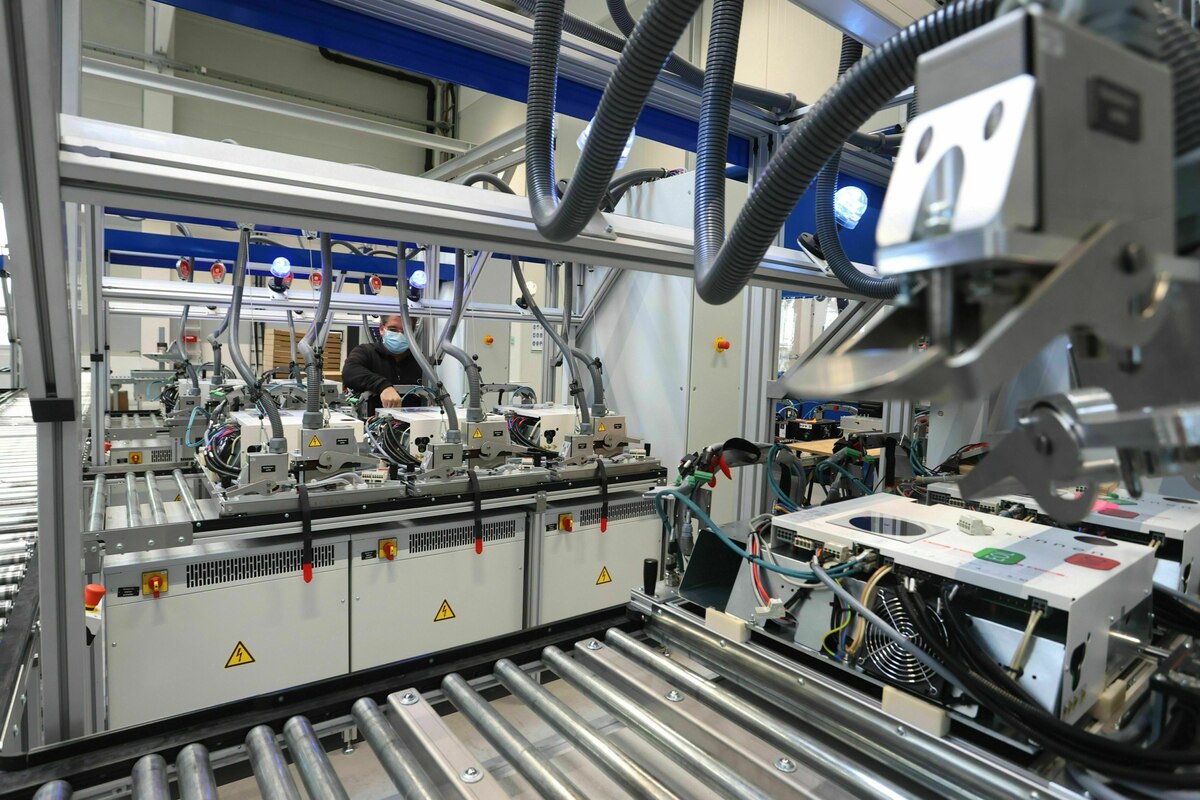
The insolvency filing in "self-administration" (Eigenverwaltung) suggests that management hopes to restructure the business under the protection of the court, though industry experts describe the company as "highly dysfunctional" and currently burning through cash at an unsustainable rate.
A Chronology of Ambition and Decline
2010: The Dawn of the Vision
Founded in 2010, Sonnen GmbH aimed to revolutionize the energy market. Their core concept was simple yet revolutionary: enabling households to store excess electricity produced by their rooftop solar panels in intelligent battery systems. By creating the "SonnenCommunity," the company facilitated a peer-to-peer electricity-sharing network, earning them the reputation of an "Ökostrompionier" (green electricity pioneer).
2018–2019: The Shell Acquisition
The company’s growth trajectory caught the eye of the fossil fuel giant Shell. In May 2018, Shell entered as a strategic investor, eventually acquiring the company entirely in February 2019 for approximately 500 million euros. The hope was that Shell’s capital would provide the runway needed to stabilize the business and scale its global operations across 11 markets, including Italy, Australia, and the United States.
2020: The Brief Flash of Profit
Against all odds, 2020 proved to be the only year in the company’s history where it managed to record a profit. However, this success was short-lived, as the company returned to its pattern of heavy operational losses immediately thereafter.

2023–2024: The Search for an Exit
Recognizing the structural issues, Shell attempted to offload the company starting in 2023, describing the move as a portfolio optimization strategy. It is estimated that Shell lost hundreds of millions of euros on the venture before finally selling it in August 2024 to the family office Tiven, led by Gert Purkert—a co-founder of the Munich-based restructuring investor Aurelius.
October 2024: The Filing
After just two months of ownership, Tiven determined that the business was unviable in its current form, leading to the formal insolvency application.
Supporting Data: The Market Reality
The failure of Sonnen GmbH cannot be attributed to a single factor, but rather a perfect storm of internal mismanagement and external market pressures.
- The "China Effect": One of the primary drivers for the collapse of revenue in 2024 was the rapid influx of high-quality, lower-cost battery storage solutions from Chinese manufacturers. As global competition intensified, Sonnen’s premium-priced hardware struggled to maintain its market share.
- Operational Inefficiency: Despite employing at one point roughly 1,700 people globally, the company was unable to streamline its internal processes. Reports from those close to the company describe a bloated, dysfunctional organizational structure that could not adapt to the shifting economic landscape.
- High Anlaufkosten (Start-up Costs): The company’s "mass growth" strategy required massive upfront investment that never materialized into long-term customer lifetime value. The cost of acquiring and maintaining customers in 11 different global jurisdictions proved to be a financial black hole.
Official Responses and Stakeholder Impact
To date, both Sonnen GmbH and its owner, Tiven, have remained largely silent, offering no official statement regarding the specifics of the insolvency or the future of the 400 employees at the Wildpoldsried headquarters.

For the company’s customers, however, there is a glimmer of stability. Reports indicate that service and maintenance for existing "SonnenBatterie" owners will continue for the time being. With over 150,000 units installed globally and 250,000 people relying on their systems, the immediate priority for the insolvency administrator is likely to preserve the value of the customer base to make the company an attractive target for a potential buyout or liquidation.
Industry analysts suggest that while the "Sonnen" brand may survive in some capacity, it will likely be stripped down, with the majority of its subsidiaries being liquidated or shuttered to focus on the one remaining viable production site.
Implications for the Energy Sector
The collapse of such a high-profile player sends a chilling message to the renewable energy sector. It highlights the brutal reality of the transition to green technology: innovation alone is insufficient.
1. The Challenge of Scaling
Sonnen’s struggle demonstrates that scaling a hardware-based energy solution internationally requires not just capital, but extreme operational discipline. The "visionary" model of decentralized energy, while environmentally necessary, remains difficult to monetize in a market increasingly dominated by commodity-style pricing from Asian manufacturers.

2. Corporate Governance
The involvement of Shell, while providing initial stability, arguably delayed the necessary, painful restructuring that the company needed years ago. The lesson for future "green" start-ups is clear: reliance on corporate venture capital can be a double-edged sword. While it provides the funds to grow, it often masks fundamental business flaws until the financial bleeding becomes fatal.
3. Impact on the Energiewende
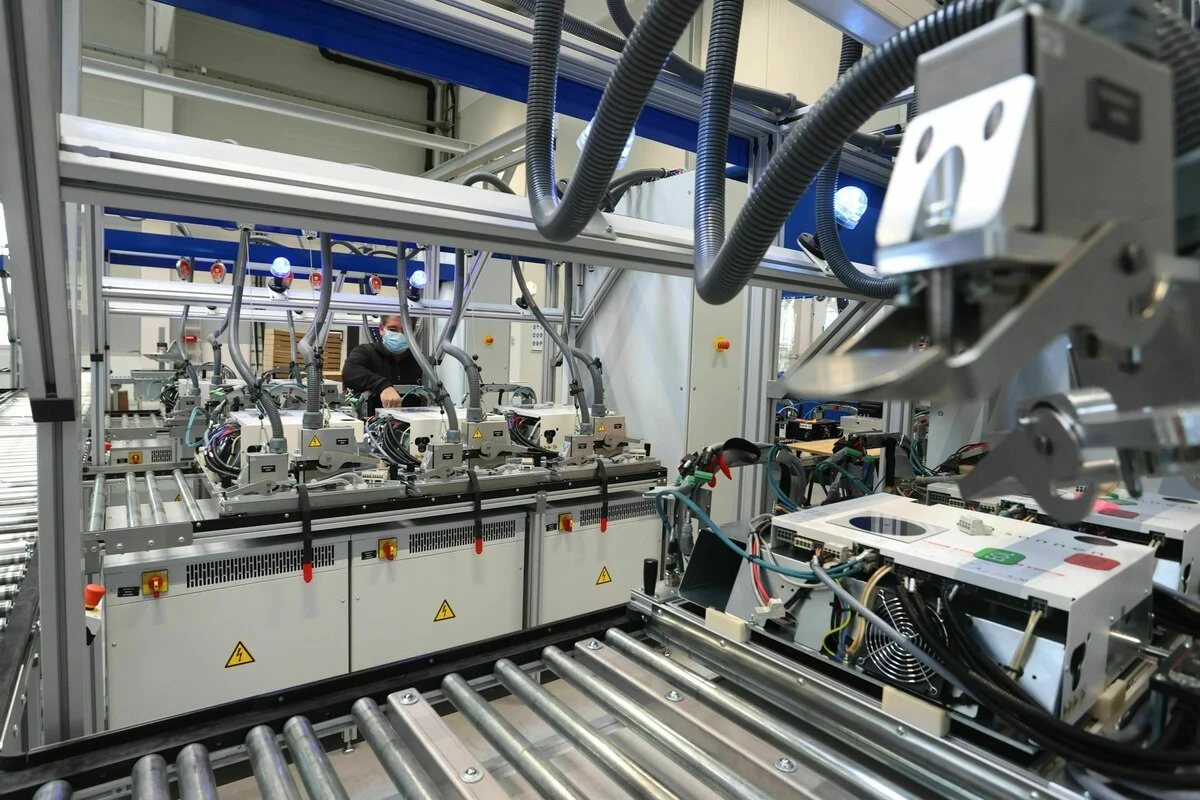
Despite the company’s failure, the technology it championed—home storage—remains a cornerstone of the future power grid. The collapse of Sonnen does not mean the end of solar storage; rather, it marks the end of the "pioneer phase" of the industry. The market is maturing, and future winners will likely be those who can balance the "community-driven" ethos with lean, automated, and cost-competitive manufacturing.
Conclusion
The insolvency of Sonnen GmbH is a sobering reminder that the path to a sustainable future is rarely a straight line. While the company failed to find its footing, the 150,000 households that invested in its technology remain a testament to the public’s desire for energy independence. As the dust settles in Wildpoldsried, the energy industry will be watching closely to see if the pieces of this once-great pioneer can be salvaged or if this serves as a final, cautionary tale for the next generation of climate tech innovators.