Düsseldorf. A strategic ambition for Europe’s green future, once brimming with promise, now lies in a delicate state of suspension. The Jadar Valley in Serbia, home to what is believed to be Europe’s largest lithium deposit, was earmarked by the European Union as one of 13 critical raw material projects, deserving of special priority to secure the continent’s supply chain for electric vehicle batteries and renewable energy technologies. Yet, this vital initiative, championed by both Brussels and Belgrade, has been effectively dormant for nearly two years, caught in a complex web of environmental concerns, local protests, and political maneuvering.
According to the Anglo-Australian mining giant Rio Tinto, the project’s operator, the Jadar initiative has been in "care and maintenance" since early 2022, with no new developments on the horizon. This period of inactivity has been accompanied by a noticeable silence from both the Serbian government and the European Union, who had previously been vocal proponents of the project. However, this quietude may soon be shattered. Serbia recently held snap parliamentary elections, a political gambit orchestrated by former President Aleksandar Vučić to consolidate his power base as he seeks to transition into the role of Prime Minister. The outcome of these elections is widely seen as a pivotal moment that could determine the fate of the controversial Jadar project, potentially paving the way for its revival or its definitive demise.
Main Facts: A Stalled Strategic Asset
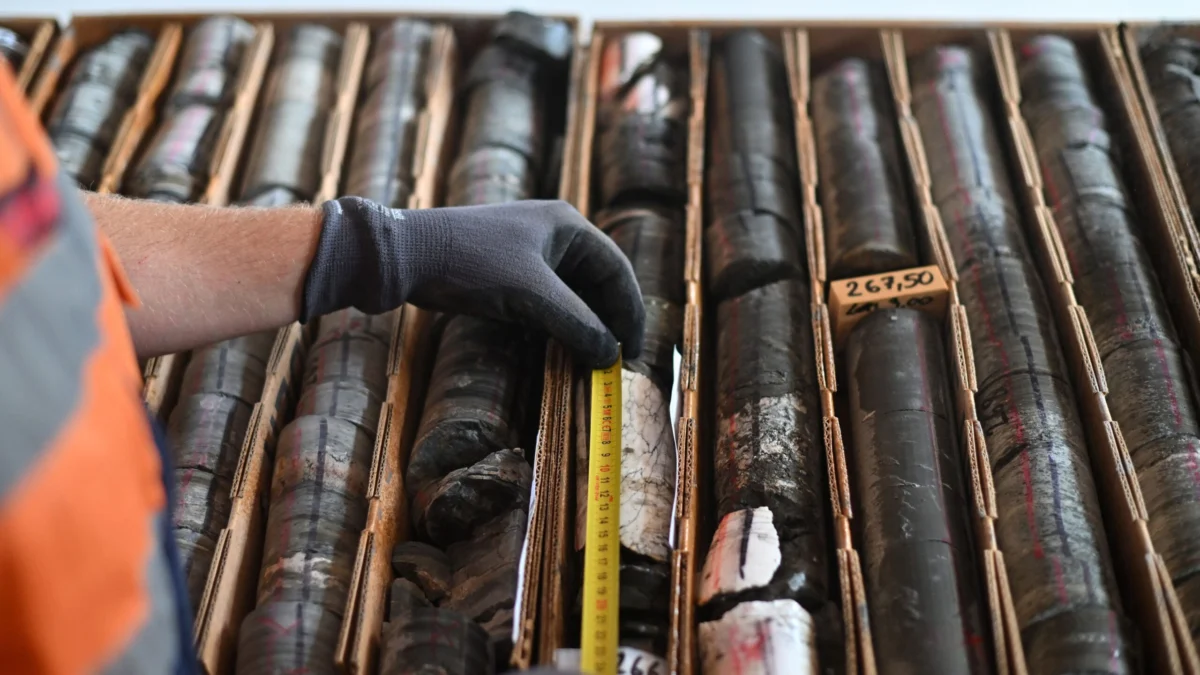
The Jadar project represents a cornerstone of Europe’s ambition to reduce its reliance on external sources for critical raw materials, particularly lithium, which is indispensable for the burgeoning electric vehicle industry and energy storage solutions. Discovered by Rio Tinto in 2004, the Jadarite mineral deposit in western Serbia is unique, containing both lithium and boron, and is considered one of the largest in the world. Its potential output could supply a significant portion of Europe’s lithium needs, strengthening the continent’s strategic autonomy in the transition to a greener economy.
The European Union, through its Critical Raw Materials Act (CRMA), has underscored the strategic importance of such projects, aiming to diversify supply chains and reduce dependencies, especially on China, which currently dominates lithium processing. The Jadar project perfectly aligned with these objectives, promising a domestic source of a crucial component for the European Green Deal.
However, despite its immense strategic value, the project has been effectively halted since early 2022. Rio Tinto, having invested hundreds of millions of dollars in exploration and feasibility studies, now maintains a skeleton crew at the site, focusing on environmental monitoring and asset preservation. This indefinite pause has left the future of Europe’s most significant potential lithium source hanging in the balance, a stark reminder of the intricate challenges inherent in balancing economic development, environmental protection, and local community concerns. The recent Serbian elections have injected a new layer of political uncertainty, with the project’s fate now closely intertwined with the country’s domestic political landscape.
Chronology: A Tumultuous History of Hope and Opposition
The journey of the Jadar project has been marked by periods of optimistic progress intertwined with intense public opposition and political reversals.
Early Discovery & Development
The story began in 2004 when geologists from Rio Tinto discovered a new mineral near the Drina River in western Serbia. Named Jadarite, the mineral was found to contain significant quantities of both lithium and boron, immediately signaling its immense commercial potential. Over the next decade and a half, Rio Tinto invested over $450 million in exploration, geological surveys, and extensive feasibility studies, confirming the deposit’s world-class status. The initial plans envisioned an underground mine, a processing plant, and associated infrastructure, promising thousands of jobs and substantial economic benefits for Serbia. The Serbian government, eager to attract foreign investment and boost its economy, initially provided strong support, viewing the project as a catalyst for national development and a pathway to closer integration with European supply chains.
Rising Environmental Concerns
As Rio Tinto’s plans solidified, so did local awareness and concern. From around 2019 onwards, environmental groups and local communities in the Jadar Valley began to voice increasingly vocal opposition. Their primary anxieties centered on the potential environmental impact of large-scale mining and chemical processing. Concerns included the vast quantities of water required for the process, the risk of contamination to the Jadar and Drina rivers (crucial for agriculture and drinking water), the potential for soil degradation, and the disposal of industrial waste, particularly sulphuric acid byproducts. Activists highlighted the sensitive ecological balance of the region, which is predominantly agricultural, and warned of irreversible damage to local ecosystems and the health of residents. They questioned the adequacy of environmental impact assessments and the transparency of the decision-making process.
Escalating Protests & Political Backlash
The environmental concerns rapidly galvanized into a nationwide protest movement in late 2021 and early 2022. Organized by a coalition of environmental NGOs, local residents, and opposition political parties, the protests escalated dramatically. Thousands of Serbians took to the streets, blocking major highways and bridges, demanding a halt to the project. The demonstrations were fueled by a broader sense of disillusionment with perceived government corruption, lack of transparency, and concerns over environmental degradation across the country. The "Ecological Uprising" became a significant political force, putting immense pressure on President Aleksandar Vučić’s government. The movement successfully framed the Jadar project as a symbol of unchecked foreign corporate power and environmental recklessness, resonating with a wide segment of the Serbian population.
Revocation of Licenses
Facing parliamentary elections in April 2022 and amidst intense public outcry, the Serbian government made a dramatic U-turn. In January 2022, then-Prime Minister Ana Brnabić announced the revocation of all licenses and permits for the Jadar project, effectively bringing Rio Tinto’s operations to a standstill. This decision was widely interpreted as a political move to appease voters ahead of the elections and to defuse social unrest. While the government cited environmental concerns and a lack of public acceptance as reasons for its decision, critics suggested it was a populist maneuver by President Vučić to secure his party’s electoral victory. The revocation sent shockwaves through the mining industry and raised questions about the stability of investment in Serbia.
The Project in Limbo
Since the revocation of its permits, the Jadar project has remained in a state of indefinite suspension. Rio Tinto confirmed that the project was placed into "care and maintenance" mode, preserving its assets and continuing environmental monitoring, but halting all active development. The company expressed disappointment, maintaining that it had adhered to all Serbian and international environmental standards and was committed to transparent dialogue. Legal challenges and potential international arbitration remain possibilities, as Rio Tinto has invested considerable capital and resources. However, with the political climate still sensitive and public sentiment largely against the project, any immediate resumption of activity seems unlikely without significant political will and a renewed public mandate.
Supporting Data: The Geopolitical and Economic Stakes
The Jadar project is not merely a local mining venture; it is an issue imbued with profound geopolitical, economic, and environmental significance, both for Serbia and for the wider European continent.
Lithium’s Critical Role
The global demand for lithium is experiencing an unprecedented surge, driven primarily by the rapid expansion of the electric vehicle (EV) market and the increasing need for large-scale energy storage solutions for renewable energy grids. Lithium-ion batteries are at the heart of this green transition. Projections indicate that demand for lithium could increase tenfold by 2030. This exponential growth has transformed lithium into a critical raw material, often referred to as "white gold."
The European Union’s ambition to become climate-neutral by 2050 necessitates a robust and secure supply of lithium. Currently, Europe is heavily reliant on imports, particularly from Australia (for raw ore) and China (for refined lithium and battery components). This dependency poses significant supply chain risks, geopolitical vulnerabilities, and economic disadvantages. The EU’s Critical Raw Materials Act, unveiled in March 2023, explicitly aims to bolster domestic extraction, processing, and recycling of key materials like lithium. It sets ambitious targets: by 2030, the EU should extract at least 10% of its annual consumption of strategic raw materials, process at least 40%, and recycle at least 15%. Jadar, with its potential to meet a substantial portion of Europe’s lithium needs for EV batteries, was seen as a flagship project for achieving these targets, offering a strategically vital source within the continent’s immediate periphery.
Serbia’s Economic Potential
For Serbia, a non-EU candidate country, the Jadar project represented a transformative economic opportunity. Rio Tinto’s initial estimates suggested the mine could directly employ thousands of people during construction and operation, with many more indirect jobs created in related industries. The project was projected to contribute significantly to Serbia’s GDP, attract substantial foreign direct investment, and enhance the country’s position in the global raw materials market. It held the promise of higher wages, improved infrastructure, and technological transfer. However, this economic potential is balanced against the concept of the "resource curse," where resource-rich nations struggle to translate natural wealth into broad-based, sustainable development due to corruption, environmental degradation, and societal divisions. The Jadar debate has highlighted this tension, forcing Serbia to weigh immediate economic gains against long-term environmental and social costs.
Environmental Concerns Detailed
The core of the opposition to the Jadar project lies in detailed environmental concerns. Critics argued that the specific method of lithium extraction proposed by Rio Tinto, which involves crushing Jadarite ore and processing it with sulphuric acid at high temperatures, posed significant risks.
Key concerns included:
- Water Pollution: The process requires large volumes of water, and there were fears of contaminating the Jadar and Drina rivers, which are vital for local agriculture and as sources of drinking water. Effluent discharge and potential groundwater contamination were major worries.
- Waste Management: The processing would generate substantial quantities of solid and liquid waste, including gypsum and other chemical residues. The safe and long-term disposal of these byproducts in tailings ponds was a major point of contention, with fears of leakage and long-term environmental degradation.
- Soil Contamination: The potential for heavy metals and chemical spills to contaminate agricultural land was a serious concern for local farmers, whose livelihoods depend on fertile soil.
- Biodiversity Loss: The project’s footprint, including the mine, processing plant, and associated infrastructure, would impact local ecosystems and biodiversity.
- Air Quality: The use of chemicals and industrial processes could lead to air pollution, affecting the health of nearby communities.
While Rio Tinto maintained that it would implement world-class environmental standards and mitigation measures, including advanced water treatment and waste management technologies, local activists and international environmental NGOs remained skeptical. They often cited Rio Tinto’s past environmental incidents, such as the destruction of the Juukan Gorge caves in Australia, as reasons for distrust, despite that incident being unrelated to lithium mining. The debate underscored the complex challenge of "green mining" – how to extract essential minerals for the green transition in an environmentally and socially responsible manner.
Official Responses and Diplomatic Silence
The Jadar project’s current state of limbo is characterized by a mix of cautious official statements and a notable diplomatic silence, reflecting the sensitive political and economic currents at play.
Rio Tinto’s Stance
Since the revocation of its permits, Rio Tinto has consistently maintained a position of disappointment tempered with a long-term commitment. In official communications, the company reiterated that it had adhered to all Serbian laws and international standards throughout the project’s development. It emphasized its readiness to engage in transparent dialogue with all stakeholders, including the Serbian government and local communities, to address concerns. The company’s statements typically highlight the project’s significant economic potential for Serbia and its critical role in the global energy transition. While acknowledging the current "care and maintenance" status, Rio Tinto has refrained from declaring the project definitively abandoned, signaling its strategic importance to their portfolio and a hope for future resumption. The financial implications of the halt are substantial, representing a significant sunk cost for the mining giant.
The EU’s Delicate Position
The European Union finds itself in a particularly delicate position regarding Jadar. On one hand, securing a domestic supply of lithium from a strategically located partner like Serbia aligns perfectly with its Critical Raw Materials Act and the broader goals of the European Green Deal. The project was a prime example of how the EU aimed to diversify its supply chains and reduce reliance on geopolitical rivals. On the other hand, the EU is a strong proponent of democratic principles, environmental protection, and the rule of law. Intervening too forcefully in Serbia’s domestic affairs, particularly on an issue with such strong public opposition, could be seen as undermining these values and alienating a candidate country.
Consequently, the EU’s public statements have been notably restrained. While acknowledging the strategic importance of lithium, EU officials have generally emphasized the need for projects to respect environmental standards and gain social acceptance. Behind the scenes, however, diplomatic efforts likely continue, exploring pathways to reconcile Serbia’s economic aspirations with environmental concerns, perhaps by encouraging stricter regulations or enhanced community engagement. The EU’s "carrot and stick" approach with Serbia, linking accession hopes to reforms and adherence to European norms, adds another layer of complexity to its stance on Jadar.
Serbian Government’s Shifting Narrative
The Serbian government, primarily under the influence of President (and now aspiring Prime Minister) Aleksandar Vučić, has displayed a shifting narrative on Jadar. Initially an ardent supporter, recognizing the economic benefits, the government dramatically reversed course in January 2022 by revoking permits. This move was a direct response to widespread public protests and was widely seen as a pragmatic political decision to secure electoral victory ahead of the April 2022 general elections.
Since then, the government’s official line has been that the project is halted due to public opposition and environmental concerns. However, Vučić has occasionally hinted at the possibility of a revival, often framing it in terms of national interest and economic necessity, particularly when addressing international audiences or investors. This dual approach allows him to appease domestic environmentalists while keeping the door open for future development, demonstrating his characteristic political pragmatism and ability to navigate complex issues by adapting his message to different audiences. The resource nationalism sentiment also plays a role, with some Serbians feeling that foreign companies should not exploit national resources without sufficient local benefit or environmental safeguards.
Implications: A Crossroads for Serbia and Europe
The recent Serbian parliamentary elections and their potential aftermath mark a critical juncture for the Jadar project, with far-reaching implications for Serbia’s economy, its relationship with the EU, and Europe’s broader green transition strategy.
The Upcoming Elections and Vučić’s Strategy
The snap parliamentary elections, held in December 2023, were a calculated move by Aleksandar Vučić. Having served two terms as President, he was constitutionally barred from seeking a third. By resigning as President to run for Prime Minister, he aimed to retain his dominant political influence and consolidate power under a new mandate. This maneuver reflects his deep understanding of Serbian politics and his populist appeal. Vučić’s ability to command significant public support, often by presenting himself as the guarantor of stability and economic progress, positions him uniquely to revisit controversial projects like Jadar.
Marina Vulović, a West Balkans expert at the German Institute for International and Security Affairs (SWP), articulates this possibility clearly: "If Vučić wins the parliamentary elections, he could try to restart the project." A fresh electoral victory would provide him with renewed political capital and a stronger mandate to tackle sensitive issues. He could argue that a mandate from the people gives him the authority to make tough decisions for the country’s economic future, potentially re-engaging with Rio Tinto under revised terms that might include stricter environmental safeguards or greater local benefits to mitigate public opposition. His political acumen suggests he would frame any revival as a necessary step for Serbia’s economic sovereignty and integration into European supply chains, carefully managing public perception.
Future Scenarios for the Jadar Project
The post-election landscape presents several distinct scenarios for the Jadar project:
- Revival: The most significant possibility, particularly if Vučić secures a strong majority, is a concerted effort to restart the project. This would likely involve new negotiations with Rio Tinto, potentially focusing on a revised environmental impact assessment, stricter regulatory oversight, and enhanced community engagement strategies. The government might offer new concessions or demand greater returns for the state. Public acceptance would still be a major hurdle, requiring a robust communication strategy and perhaps a modified project design to address key environmental concerns.
- Permanent Halt: Conversely, if public opposition remains unyielding or if a new government (or a weakened Vučić) finds it politically unfeasible to revive the project, Jadar could be permanently halted. This would represent a major loss for Serbia’s economic development and a significant setback for Europe’s raw material autonomy. Rio Tinto would likely pursue legal avenues for compensation, potentially leading to costly international arbitration.
- Compromise: A middle ground could involve a scaled-down project, perhaps focusing on a smaller extraction footprint or employing alternative, less impactful processing technologies. This scenario would require significant flexibility from both Rio Tinto and the Serbian government, alongside a willingness from environmental groups to engage in constructive dialogue. Increased local benefits, such as direct investment in community infrastructure or profit-sharing schemes, could also be part of a compromise package aimed at building social license.
Broader Geopolitical Ramifications
The fate of the Jadar project carries broader geopolitical ramifications. For EU-Serbia relations, a revival could strengthen economic ties and demonstrate Serbia’s commitment to European green industrial policies, potentially aiding its EU accession path. Conversely, a permanent halt could signal a missed opportunity for both sides, complicating Serbia’s economic integration.
For other potential investors in critical raw materials across Europe and the Western Balkans, the Jadar experience serves as a cautionary tale. It highlights the importance of robust environmental and social impact assessments, transparent community engagement, and strong governance in resource-rich nations. The project’s travails underscore the increasing power of civil society and environmental movements in shaping large-scale industrial projects.
Ultimately, the Jadar dilemma is a microcosm of the global challenge posed by the "Green Transition." The urgent need for critical minerals like lithium to decarbonize economies clashes with equally pressing concerns about environmental protection, indigenous rights, and local livelihoods. How Serbia, with the influence of its political leadership, navigates this complex intersection will not only determine the future of Europe’s largest lithium deposit but also offer a crucial lesson in balancing economic ambition with sustainable development and democratic accountability in the 21st century. The world watches, waiting to see if Europe’s strategic lithium dream will finally awaken or fade into history.