Executive Summary: A Sudden Change of Course
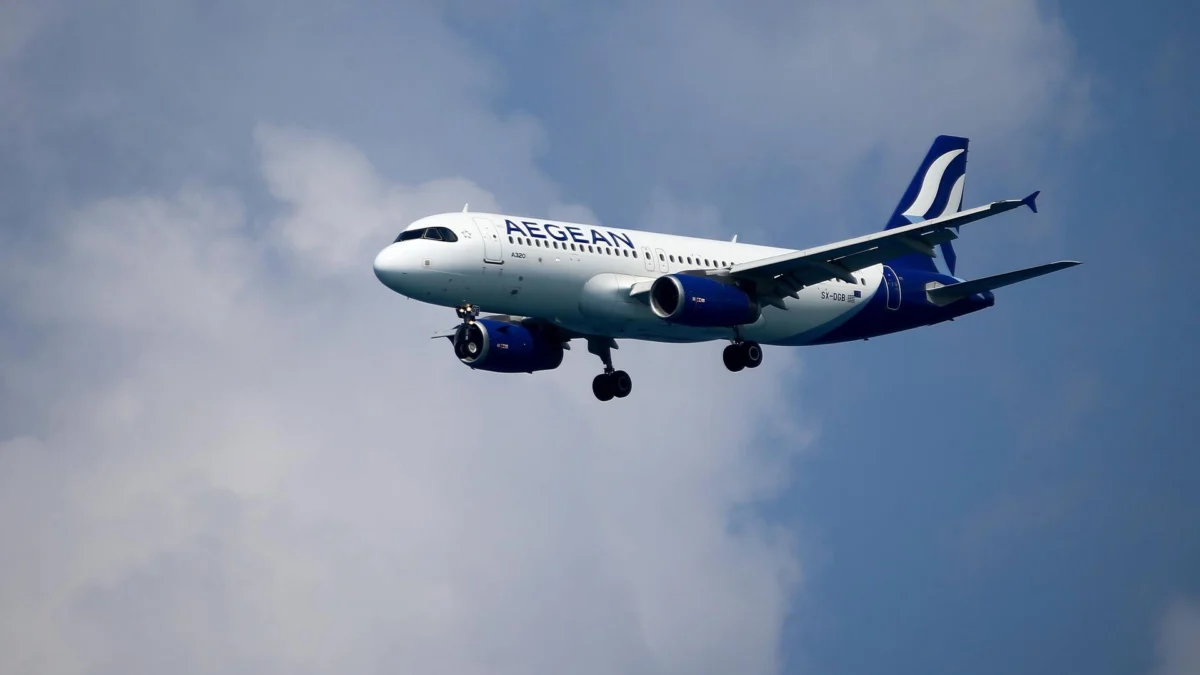
In an incident that drew immediate attention from aviation monitors and authorities, an Aegean Airlines flight traveling from Thessaloniki, Greece, to Frankfurt, Germany, was forced to divert its course on Tuesday evening. The flight, identified as A3532, was nearing its final destination when the pilots broadcast the international emergency code "7700," signaling a general emergency on board.
The Airbus A320-200, which was originally scheduled to touch down at Frankfurt Airport (FRA) at 7:25 PM local time, was redirected to Munich Airport (MUC). The unscheduled landing occurred at 7:13 PM, just minutes before the aircraft would have reached the Frankfurt airspace. While the sudden diversion caused inevitable confusion among passengers and ground crews, the aircraft eventually completed its journey to Frankfurt later that same evening, landing safely shortly before 9:00 PM. Aegean Airlines has since confirmed that the emergency was not related to any mechanical failure of the aircraft, though the specific nature of the incident remains the subject of ongoing inquiries.
Chronological Breakdown of the Event
The timeline of the flight’s trajectory highlights the rapid decision-making process required of flight crews when an in-flight emergency arises.
- Departure: The Airbus A320-200 departed from Thessaloniki International Airport (SKG) according to schedule.
- The In-Flight Emergency: As the aircraft entered German airspace and began its descent phase toward Frankfurt, the flight crew identified a situation that necessitated immediate action. The pilots activated the transponder code 7700.
- The Diversion: Approximately 15 minutes before its anticipated arrival in Frankfurt, the aircraft altered its heading toward Munich.
- Emergency Landing: The flight touched down safely at Munich Airport at 7:13 PM. Emergency services were placed on standby as a standard protocol following a "7700" declaration, though no major incident was reported upon arrival.
- The Final Leg: After a brief period on the ground in Munich—during which the aircraft was inspected and the situation assessed—the flight was cleared to continue its journey.
- Arrival in Frankfurt: The plane departed Munich and finally landed at its original destination, Frankfurt Airport, shortly before 9:00 PM.
Technical Context: Understanding the 7700 Transponder Code
To the general public, a "flight emergency" often conjures images of engine failure or structural damage. However, in aviation, the emergency transponder code "7700" is a broad signal that alerts Air Traffic Control (ATC) that the aircraft is in distress.
Decoding Aviation Signals
- Code 7700 (General Emergency): This code is utilized when a flight crew needs to signal that they are experiencing a situation that requires priority handling from ATC. This can range from medical emergencies involving passengers or crew, to cabin pressure issues, or suspicious activity.
- Code 7600 (Radio Failure): Used exclusively when a pilot loses communication with ground control, necessitating specific procedures to ensure safe separation from other air traffic.
- Code 7500 (Unlawful Interference): This is the most serious code, reserved for instances of hijacking or other criminal acts on board the aircraft.
By broadcasting 7700, the pilots of the Aegean flight ensured that they were given "priority status," allowing them to clear a direct path to the nearest suitable airport (Munich) with minimal interference from other traffic.

Official Responses and Investigative Status
As of late Tuesday night, the primary stakeholders—Aegean Airlines and aviation authorities—had provided limited details regarding the "why" behind the diversion.
A spokesperson for Aegean Airlines confirmed in a statement that the cause of the emergency did not originate from the aircraft itself. In the aviation industry, this is a significant clarification, as it effectively rules out mechanical, electrical, or structural malfunctions of the Airbus A320. By process of elimination, this shifts the focus of any internal inquiry toward external factors, such as a medical emergency among the passengers, a security concern, or an unforeseen issue with the cabin environment.
When asked for further clarification on whether the emergency involved a passenger health crisis, the airline maintained its position that the investigation is ongoing. Given that an A320-200 typically carries between 150 and 180 passengers, the logistics of a medical diversion are complex, requiring coordination between the flight crew, the flight dispatch center, and ground-based medical professionals.
Implications for Passenger Safety and Aviation Protocol
The incident serves as a poignant reminder of the rigorous safety protocols governing modern commercial aviation. While passengers may find a mid-flight diversion distressing, it is a testament to the safety-first culture of the industry.
Why Munich?
When a pilot selects an alternate airport, several factors come into play: proximity, runway length, the availability of specialized ground handling, and the ability of the airport to handle the specific aircraft type. Munich, as a major international hub with extensive medical and emergency infrastructure, provided the safest and most efficient alternative for the crew once the decision to divert was made.

The Human Element
Beyond the technical aspects of the flight, the incident highlights the stress placed on flight crews. The decision to divert an aircraft is never taken lightly, as it involves significant operational costs, scheduling disruptions for hundreds of passengers, and the need for complex coordination with ground support. Pilots are trained to prioritize the safety of those on board above all other operational considerations, and the execution of the 7700 protocol demonstrates that these systems are functioning as designed.
Ongoing Analysis
As the aviation community waits for the formal report on the incident, the focus remains on the "human factor." With mechanical issues ruled out, observers are left to consider potential scenarios:
- Medical Crisis: A sudden illness requiring specialized care not available in the air.
- Unruly Passenger: Instances where an individual’s behavior threatens the safety or security of the cabin, forcing a diversion to ensure the protection of other travelers.
- Environmental Factors: Unforeseen issues within the cabin air quality or other non-mechanical environmental concerns that necessitate an immediate landing.
While the passengers eventually reached their destination in Frankfurt, the psychological impact of such a diversion—being told by flight deck crew that a "General Emergency" has been declared—is not insignificant. Airlines typically offer support and communication to passengers after such events to mitigate the stress of the unexpected landing.
Conclusion: A Successful Safety Operation
Despite the disruption, the flight from Thessaloniki to Frankfurt serves as a successful example of aviation safety protocols in action. The ability of the Aegean Airlines crew to identify a problem, signal it clearly via the 7700 code, and execute a safe, prioritized landing at an alternate airport underscores the effectiveness of the global air traffic management system.
As the inquiry continues, the aviation world will likely receive more details regarding the specific nature of the event. For now, the successful landing and the confirmation of the aircraft’s airworthiness remain the most important takeaways from this high-stress event. The incident reinforces the reality that in the skies, safety is not merely a goal, but a strictly enforced operational mandate that allows for the safe management of unforeseen emergencies, regardless of their origin.