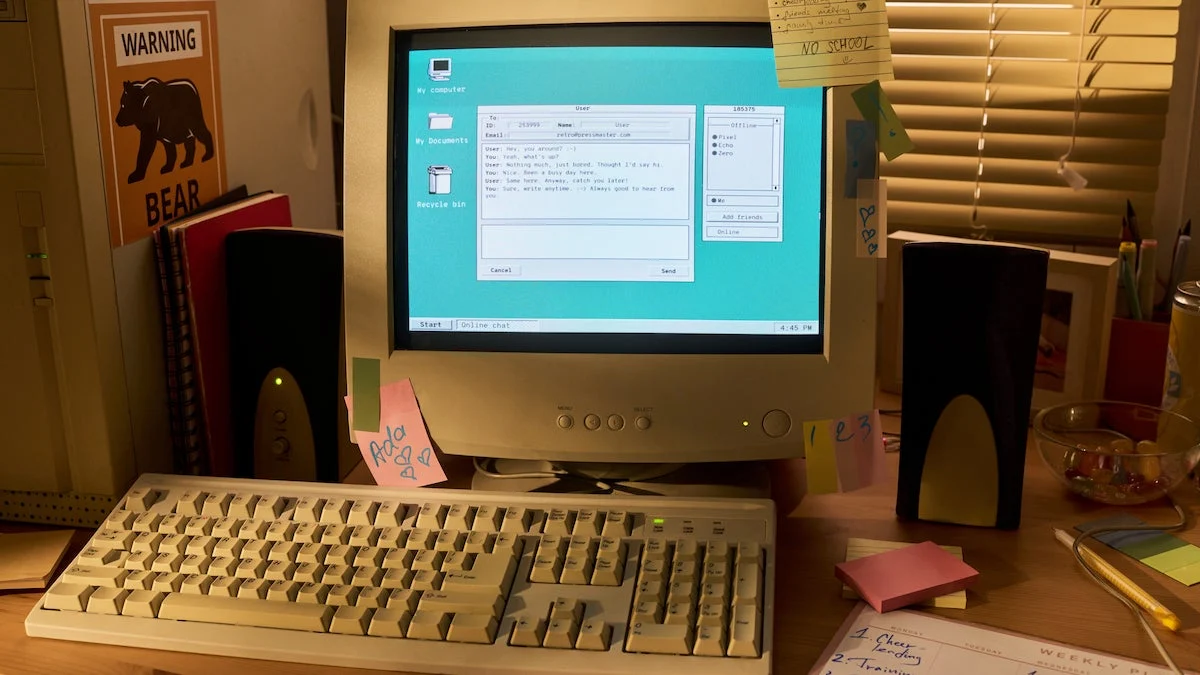
In an era dominated by the seamless, hyper-fast, and minimalist interfaces of WhatsApp, Slack, and Discord, a growing segment of the digital population is experiencing a peculiar form of tech-nostalgia. For those who came of age during the dawn of the public internet, the current landscape of communication feels efficient, yet strangely hollow. The tactile "ping" of a modem, the deliberate pace of early chat rooms, and the aesthetic chaos of the late 90s are now being reclaimed. Enter Cometlink, a web-based project that isn’t just an application—it’s a time machine.
By stripping away the modern expectations of instant synchronization and high-definition UI, Cometlink invites users to return to a simpler, albeit slower, digital era. It is a calculated exercise in retro-design that raises fundamental questions about how our communication tools have evolved—and what we might have lost along the way.
Main Facts: The Cometlink Experience
Cometlink is a browser-based application that functions as a functional, interactive tribute to the chat culture of the mid-to-late 1990s. Unlike modern apps that pride themselves on "zero-latency" communication, Cometlink deliberately leans into the friction of the past.
Upon visiting the site, users are not greeted by an instant dashboard. Instead, they are met with a classic, grainy login mask that mimics the operating systems of yesteryear. The experience begins with a "warterei"—a deliberate, slow-loading progress bar that replicates the agonizing anticipation of dial-up internet connections.
Once authenticated, the user enters a virtual hub consisting of six distinct chat rooms:
- Lobby: The central meeting point for general discussion.
- Music & Sci-Fi: Specialized spaces catering to the era’s dominant subcultures.
- Late Night: A dedicated channel for those inhabiting the "night owl" hours of the internet.
- Mac vs. PC: A tongue-in-cheek homage to the eternal hardware wars that defined tech forums.
- Hometown: A localized channel intended to foster connections based on geographic proximity.
The attention to detail extends beyond the visual. Users can customize their experience in the "Prefs" menu, including the ability to toggle audio notifications. Remarkably, the developers have integrated original, authentic login sounds—hissing, clicking, and chirping audio files recorded from vintage hardware—to ground the user in the 1996 aesthetic.
Chronological Evolution: From ICQ to the Web 2.0 Shift
To understand why Cometlink resonates, one must look at the chronology of the digital social landscape.
1996–1999: The Wild West of Chat. This was the golden age of IRC (Internet Relay Chat), ICQ, and early web-based chat portals like Knuddels. Connectivity was expensive, limited, and tethered to a desktop PC. The internet was a "place" you went to, rather than a state of being you existed in 24/7.
2000–2005: The Rise of Instant Messaging. As broadband began to replace dial-up, platforms like MSN Messenger and AIM (AOL Instant Messenger) took center stage. This period introduced status updates, away messages, and basic profile customization.
2006–2015: The Mobile Revolution. The launch of the iPhone and the subsequent explosion of smartphone culture shifted the paradigm. Communication became mobile, persistent, and increasingly visual. Apps moved away from "rooms" and toward "threads" and "direct messages."

2016–Present: The Nostalgia Pivot. As the digital space became cluttered with algorithmic feeds and data-tracking, users began gravitating toward "walled gardens" and retro-aesthetics. Cometlink sits at the tail end of this timeline, acting as a curated museum piece that functions as a living room.
Supporting Data: The Psychology of Nostalgia
Why are people flocking to a site that intentionally performs poorly? Psychologists suggest that "Anemoia"—nostalgia for a time one has never known, or a yearning for a simplified version of the past—is a powerful driver in digital design.
According to recent industry analysis, the "Retro-UI" market has seen a 22% increase in consumer interest over the last three years. This isn’t just about the look; it’s about the pace. Modern messaging apps are designed to induce FOMO (Fear Of Missing Out) and provide constant dopamine hits through notifications. Cometlink, conversely, forces the user to wait.
- Load times: While modern apps aim for <100ms latency, Cometlink’s artificial delays act as a "breathing space," forcing users to slow their cognitive processing to match the speed of the hardware.
- Content Moderation: Despite the retro facade, the app utilizes modern automated moderation protocols. This ensures that the nostalgia doesn’t devolve into the toxicity that plagued many unmoderated 90s chat rooms, effectively creating a "safe space" version of the past.
Official Responses and Developer Intent
The developers behind Cometlink have been explicit about their goals. In various project manifestos, they describe the app as an "archival project with a heartbeat." The goal was not to create a functional replacement for WhatsApp, but to preserve the feeling of a specific digital epoch.
"The login sound isn’t just a sound effect," one developer noted in a recent forum post. "It’s a signal. When you hear that specific electronic chirping, your brain immediately recognizes the context of the mid-90s. We wanted to rebuild the architecture of that anticipation."
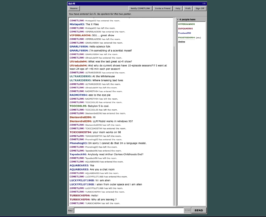
The team also addressed the inclusion of strict rules. "The internet of the 90s was a frontier, but it was also lawless. We wanted to recreate the charm of the era without the systemic harassment that often went unchecked. Our automated moderation ensures that the space remains a community rather than a digital dumping ground."
Implications: Is the Future "Retro"?
The success of Cometlink signals a broader trend in software development. We are reaching a point of "interface fatigue." As our tools become more powerful, they also become more complex and invasive.
1. The Death of Efficiency as the Primary Metric
For years, the gold standard for software was efficiency. Cometlink suggests that "engagement through friction" might be a viable alternative. By making the user work for the interaction, the interaction itself becomes more intentional.
2. The Rise of "Curated" Digital Spaces
The internet is currently moving away from massive, open-access social networks toward smaller, community-focused hubs. Cometlink’s model of six distinct rooms—each with a specific purpose—prefigures a return to the "Small Web." This suggests that users are tired of the "global square" and are looking for smaller, more manageable digital environments.
3. Ethical Implications of Moderation
The project highlights an interesting paradox: we want the freedom of the 90s, but we demand the safety of the 2020s. Cometlink manages this by layering modern moderation algorithms over an archaic UI. This "Hybrid Model" is likely to influence future social platforms that wish to offer a distinct, nostalgic atmosphere without compromising user safety.
Conclusion: A Window to a Simpler Web
Cometlink is not going to replace your primary messaging app. It is not designed for business productivity or high-speed collaboration. However, it serves as a vital reminder that technology is not just about what it does, but how it makes us feel.
By forcing us to wait for a loading bar, choose a room, and engage in slower, more deliberate discourse, Cometlink provides a much-needed sanctuary from the breakneck speed of modern communication. It proves that the "old" internet—for all its technical limitations—offered a level of intimacy and intentionality that we are only now starting to miss.
As we look toward the future of the metaverse and AI-driven interfaces, Cometlink stands as a grounded, static, and wonderfully pixelated anchor. It reminds us that sometimes, to move forward, we have to look back—even if we have to wait a few extra seconds for the page to load.