In the world of cybersecurity, trust is the primary currency. For millions of Windows devices worldwide, that trust is maintained through a complex web of digital certificates that verify the authenticity of updates downloaded from Microsoft servers. However, this infrastructure is not permanent. Microsoft has recently issued a formal warning to IT administrators and professional users regarding the upcoming rotation of security certificates essential for the Windows Update service.
Failure to address these changes by the designated dates in 2027 could lead to a catastrophic breakdown in update delivery, leaving systems vulnerable, non-compliant, and effectively severed from the official patch stream. While the vast majority of consumer users will remain unaffected due to automated maintenance, specific enterprise environments and legacy systems face a significant operational hurdle.
The Core Facts: Why Certificates Matter
At its most fundamental level, a digital certificate acts as a "passport" for your computer. When your Windows machine attempts to connect to Microsoft’s servers to check for updates, the server presents a certificate to prove its identity. Simultaneously, your system uses its own internal store of root certificates to verify that the incoming data is authentic and hasn’t been tampered with.
The upcoming "certificate rotation" is a standard, albeit critical, security practice. Cryptographic keys have a finite lifespan; periodically replacing them prevents attackers from exploiting potentially weakened keys. Microsoft’s latest advisory, published via the Windows IT Pro Blog, highlights that the current certificates governing the connection between Windows Update and client machines are nearing their expiration. Without the updated certificate stores, your operating system will lose the ability to establish a secure handshake with the Microsoft update infrastructure.
Chronology: Key Deadlines for 2027
Microsoft has outlined two distinct "cliff edges" in 2027. It is vital for administrators to differentiate between these dates to ensure their specific server and client environments remain operational.
The May 17, 2027 Deadline (LTSC and Legacy Servers)
The first wave of action is required by May 17, 2027. This deadline primarily affects specialized, long-term environments where stability is prioritized over feature updates.
- Target Systems: Windows 10 Enterprise 2019 LTSC, Windows Server 2019, and Windows Server 2016.
- Required Action: These systems must have the security update released in July 2026 installed. Failure to apply this specific update will result in a loss of connectivity to the Windows Update service.
The June 19, 2027 Deadline (Modern Windows and Servers)
The second, broader deadline falls on June 19, 2027. This date concerns a wider range of operating systems, including modern versions of Windows 11 and server iterations.
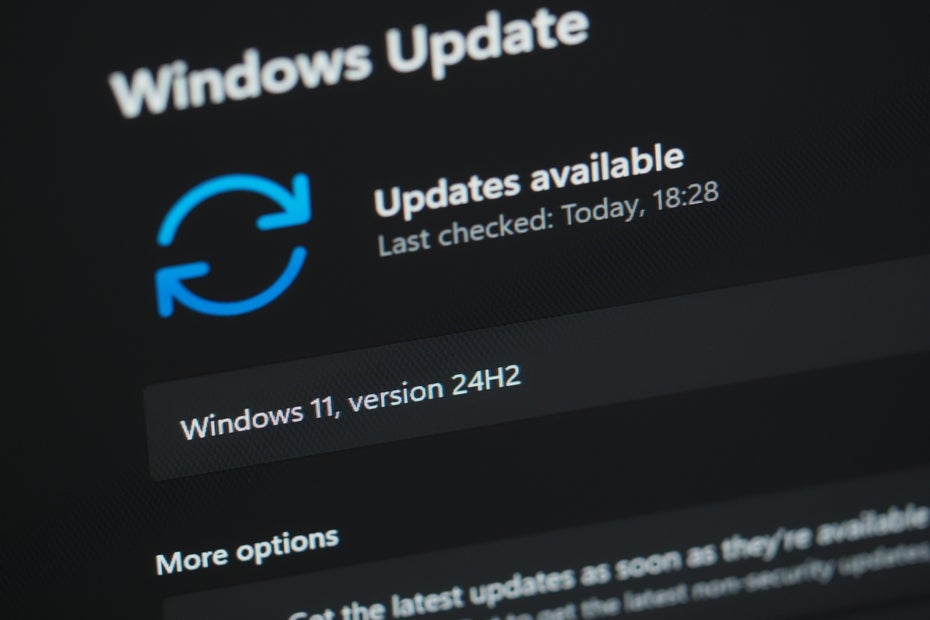
- Windows 11 (24H2) and Windows Server 2025: Administrators must ensure these systems have the September 2025 security update installed.
- Windows 11 (Older versions), Windows Server 2022, and Windows 10 (Standard): These systems must have the July 2026 security update installed.
Supporting Data: Who Needs to Act?
To better understand the scope of this migration, it is helpful to segment the user base into three distinct categories based on their risk profile and required maintenance.
Category 1: The "Set-it-and-Forget-it" User
For the average consumer running a standard version of Windows 11, the process is largely invisible. Microsoft delivers these updated certificates through the routine, monthly "Patch Tuesday" update cycle. If your device is set to receive automatic updates and you are running a currently supported version of the OS, your machine will likely receive the necessary patches long before the 2027 deadline. If you are on Windows 11 version 25H2 or later, the new certificates are already baked into the operating system at the factory level.
Category 2: The Enterprise Administrator
This group faces the highest risk. Enterprise environments often utilize WSUS (Windows Server Update Services) or Configuration Manager to control when and how updates are deployed. In these scenarios, "automatic" updates are often blocked or deferred. Administrators must manually verify that the specific security patches mentioned above—the July 2026 and September 2025 updates—are deployed across their entire fleet. Neglecting this could result in thousands of endpoints losing their ability to pull security patches, creating a massive security hole in the corporate perimeter.

Category 3: The Legacy/Unsupported User
Systems that are no longer receiving standard support—such as older versions of Windows 7, 8, or early iterations of Windows 10—are at the highest risk. Because these systems are no longer receiving the monthly security updates that contain the new certificates, they will essentially be "orphaned" from the update service once the old certificates expire. For these users, the only viable path forward is to upgrade to a supported operating system version.
Official Responses and Strategic Guidance
Microsoft’s stance is clear: this is not a optional "feature" update, but a mandatory security evolution. The company emphasizes that the rotation is a necessary component of maintaining the Public Key Infrastructure (PKI) that keeps the internet—and Windows specifically—secure.
"Our goal is to ensure that all devices remain secure and have access to the latest protections," a spokesperson noted in the official documentation. "By rotating these certificates, we ensure that the communication between the client and our update servers remains encrypted and authenticated against modern threats."
For IT departments, Microsoft advises performing a comprehensive audit of all server and client versions currently active on the network. This audit should cross-reference existing patch levels against the specific July 2026 and September 2025 requirements. Furthermore, Microsoft recommends that organizations prioritize the migration of any legacy systems still running on unsupported versions, as these machines will face a permanent disconnection from the update service regardless of patch deployment.
Implications: The Risks of Inaction
The consequences of ignoring these dates extend beyond mere "inconvenience." A machine that cannot connect to Windows Update is a machine that cannot receive critical security patches for zero-day vulnerabilities.
Security Degradation
In the event of a new, high-severity vulnerability (such as a remote code execution bug), a system that has lost its update certificate will be unable to download the remediation. This renders the machine a sitting duck for ransomware, worms, and other malicious actors.
Operational Silos
In an enterprise environment, losing the ability to patch devices leads to "configuration drift." Security teams lose visibility and control over the patch status of their endpoints. This often triggers compliance violations, particularly in sectors like healthcare, finance, and critical infrastructure, where keeping systems up-to-date is a legal requirement.
The "Last Mile" Challenge
Perhaps the most difficult aspect of this change is the "last mile" of deployment. If a device misses the deadline, it may not be able to connect to the internet to download the fix required to fix the connection issue. This could necessitate manual intervention, such as side-loading updates via USB or local network shares, which is a resource-intensive and error-prone process for large organizations.
Conclusion
The 2027 certificate rotation serves as a stark reminder of the complexity behind modern computing. While the transition is routine for the average home user, it represents a significant logistical challenge for IT professionals managing vast, diverse networks.
By acting now—auditing your systems, ensuring your update management policies are robust, and prioritizing the move to supported software versions—organizations can avoid the disruption that would otherwise arrive in the spring and summer of 2027. The window for preparation is wide, but as with all things in IT, the best time to address a critical infrastructure update is long before the deadline.