Berlin, Germany – July 21, 2026 – In a landmark move aimed at significantly enhancing safety and order, Deutsche Bahn (DB), Germany’s national railway company, has announced a comprehensive, nationwide ban on alcohol consumption at all of its 5,400 train stations. Effective in a phased rollout beginning September 1st, the new policy prohibits the consumption of alcoholic beverages on platforms and in station halls, with the exception of designated gastronomic areas. The decision, spearheaded by DB CEO Evelyn Palla, marks a significant shift in public transport policy, driven by a reported increase in violence and a desire to create more secure environments for both passengers and staff.
The announcement, initially reported by the Bild-Zeitung and subsequently confirmed by DB, underscores the company’s commitment to tackling rising incidents of aggression and public disorder that have plagued Germany’s railway network. Palla explicitly linked alcohol consumption to an escalation in violent behavior, stating, "We want more order and safety at our train stations and in our trains. Too often we have found that where too much alcohol flows, violence also increases."
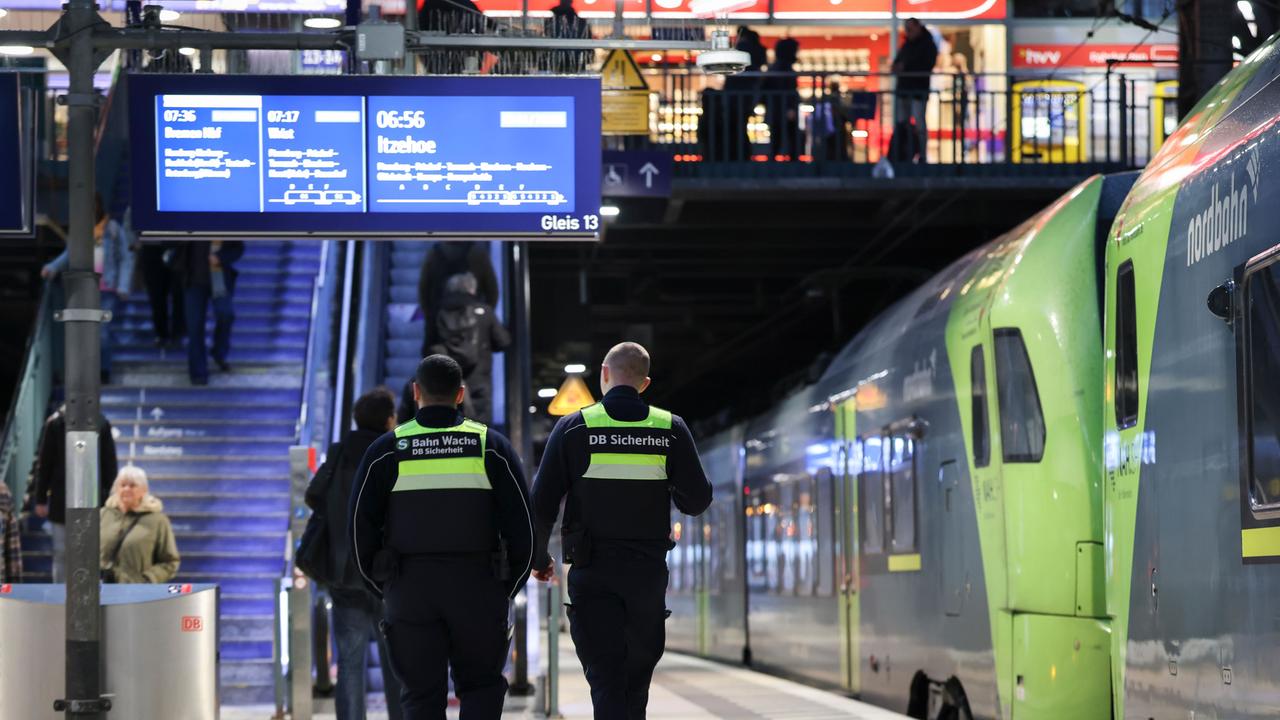
The new regulations will involve amending the house rules for all stations, a process that DB intends to coordinate closely with local municipalities and relevant authorities. Passengers found in violation of the ban face immediate eviction from the premises, with repeat offenders risking a permanent ban from accessing station property. Importantly, the prohibition does not extend to the purchase and transport of sealed alcoholic beverages within luggage or shopping bags, nor does it impact consumption within licensed station restaurants and bars. Enforcement will be a joint effort, with DB’s own security personnel working in conjunction with the Federal Police, who are ultimately responsible for security across the national railway infrastructure.
A Sweeping Policy Shift: Nationwide Alcohol Ban
The directive from Deutsche Bahn represents an unprecedented expansion of a policy previously implemented with notable success in several major German cities. Currently, alcohol bans are already in effect in bustling transport hubs such as Hamburg, Munich, and Frankfurt. The positive outcomes observed in these pilot locations have evidently provided the impetus for this nationwide mandate, signaling a firm resolve from DB leadership to replicate these improvements across the entire network.
The Rationale: Prioritizing Safety and Order
At the heart of DB’s decision is a clear focus on improving the travel experience and ensuring the well-being of everyone using the railway system. The company’s internal data, corroborated by reports from the Federal Police, indicates a worrying trend of increasing aggression and anti-social behavior in and around train stations. Alcohol is frequently identified as a significant contributing factor in these incidents, ranging from verbal abuse and public disturbances to more severe physical altercations.
CEO Evelyn Palla’s statement highlights this direct correlation, emphasizing that the ban is a proactive measure to mitigate these risks. The aim is to foster an atmosphere of calm and respect, where passengers can feel safe and secure, and DB employees can carry out their duties without fear of harassment or violence. This move aligns with a broader public desire for safer public spaces and reflects a growing intolerance for disruptive behavior fueled by excessive alcohol consumption.
Scope and Implementation
The sheer scale of the implementation is considerable, encompassing all 5,400 train stations under Deutsche Bahn’s purview. This includes not only major urban hubs but also smaller regional stations, ensuring a consistent policy across the entire network. The phased rollout is designed to allow for a structured and coordinated introduction of the new rules.
The first wave of "alcohol-free" stations is scheduled for September 1st, including high-traffic locations like Berlin Hauptbahnhof, Berlin Gesundbrunnen, Kiel, and Braunschweig. This initial phase will serve as a crucial testbed for the wider implementation, allowing DB and law enforcement to refine their enforcement strategies and address any unforeseen challenges. By mid-October, the ban is expected to be fully operational across all remaining stations in Germany, marking a swift and decisive transformation of the railway environment.
The adaptation of station house rules is a critical legal and administrative step. This process requires careful coordination with various local authorities, ensuring that the ban is legally sound and can be effectively enforced within each specific municipal context. This collaborative approach underscores the complexity of implementing such a far-reaching policy across diverse local jurisdictions.
A Chronology of Concern and Action
The nationwide alcohol ban is not an isolated policy decision but rather the culmination of growing concerns and concrete actions taken by Deutsche Bahn and authorities over recent years.
The Genesis of the Ban: Lessons from Pilot Programs
The concept of alcohol-free zones in German train stations is not entirely new. As early as April 2024, a similar ban was successfully introduced at key stations in Hamburg. The positive outcomes from this pilot program provided compelling evidence for the efficacy of such measures. Initial reports from Hamburg highlighted a "noticeable reduction" in conflicts and altercations. Beyond the immediate safety improvements, the ban also led to a tangible enhancement in the perceived security for travelers and a significant decrease in cleaning efforts, as fewer instances of litter, broken bottles, and public urination were reported.
These results served as a powerful testament to the transformative potential of such a policy, convincing DB leadership that a broader application was warranted. "The experience there is unequivocal," stated CEO Palla, reiterating the direct link: "Alcohol-free means: less violence and less litter." This success story from Hamburg became the blueprint for the current nationwide initiative.
Escalating Violence: A Catalyst for Change
The urgency behind DB’s decision has been exacerbated by a disturbing trend of increasing violence on trains and at stations. Statistics released by the Federal Police have consistently shown a rise in various forms of crime, including physical assaults, threats, and property damage. While specific figures for the most recent period are still being compiled, the trajectory has been clear for several years. For instance, in 2023, the Federal Police reported over 150,000 criminal offenses across the railway network, marking a significant increase compared to previous years, with violent crimes forming a growing proportion of these incidents.
These statistics are not merely abstract numbers; they represent real-world impacts on the lives of passengers and, critically, on the dedicated staff of Deutsche Bahn. Train conductors, security personnel, and service staff frequently bear the brunt of aggressive behavior, often fueled by alcohol.
The Security Summit: A Turning Point
The escalating violence reached a critical juncture earlier this year following a horrific incident: the fatal attack on a train conductor. This tragic event sent shockwaves across Germany, prompting widespread outrage and a renewed national debate on public safety in transport. In response to this profound tragedy and the overall increase in assaults against its employees, Deutsche Bahn convened a high-profile "security summit."
This summit brought together key stakeholders, including representatives from DB management, employee unions, the Federal Police, and political figures. The discussions at this gathering focused intensely on identifying effective strategies to protect staff and passengers. While the specific outcomes of the summit were not immediately detailed, the announcement of the nationwide alcohol ban clearly emerges as a direct and significant policy outcome, demonstrating DB’s determination to implement tangible measures following the summit’s urgent call for action.
Data-Driven Decisions: The Hamburg Precedent
The decision to extend the alcohol ban nationwide is firmly rooted in the empirical success observed in cities where similar restrictions have already been implemented. The Hamburg pilot program, in particular, has served as a powerful case study, providing concrete evidence of the policy’s effectiveness.
Tangible Improvements: Beyond Anecdote
When the alcohol ban was introduced in Hamburg’s major stations in April 2024, skeptics questioned its enforceability and impact. However, within months, the results were clear and widely acknowledged. Beyond the "merklich zurückgegangen" (noticeably decreased) conflicts and altercations, a more detailed analysis revealed several key improvements:
- Reduced Incidents of Disorder: Reports from station managers and security staff indicated a significant drop in public urination, verbal altercations, and disruptive behavior directly attributable to alcohol intoxication. This contributed to a more peaceful and pleasant environment for commuters and travelers.
- Enhanced Sense of Safety: Passenger surveys conducted by DB in Hamburg revealed a marked improvement in the subjective feeling of safety among travelers. Many expressed greater comfort, particularly during evening hours, and reported fewer instances of encountering intoxicated individuals who might cause discomfort or alarm. This psychological benefit is as crucial as the reduction in actual incidents.
- Decreased Cleaning Costs: The operational benefits were also substantial. Fewer spilled drinks, broken bottles, and instances of litter directly linked to alcohol consumption translated into a tangible reduction in cleaning efforts and associated costs for Deutsche Bahn. This efficiency gain underscores a practical advantage beyond just safety.
- Improved Employee Morale: DB staff working in Hamburg stations reported a noticeable decrease in confrontations with aggressive passengers. This reduction in occupational hazards contributed to improved morale and a safer working environment for those on the front lines.
These multifaceted improvements in Hamburg provided compelling quantitative and qualitative data that underpinned the rationale for scaling up the initiative to a national level.
The "Alkoholfrei" Mandate
The success in Hamburg solidified the "Alkoholfrei" (alcohol-free) concept as a viable and effective strategy for public order management in transport hubs. It demonstrated that while individual liberties are important, the collective right to a safe and orderly public space can, at times, necessitate certain restrictions. The mandate is not merely about prohibition but about fostering a different culture and expectation within Germany’s railway stations – one that prioritizes tranquility and respect.
Official Reactions: Support, Scrutiny, and Skepticism
The announcement of such a wide-ranging policy has naturally elicited a spectrum of reactions from political figures, law enforcement, and other stakeholders, highlighting the complex interplay between public safety, individual freedom, and practical enforcement.
Deutsche Bahn Leadership: A Firm Stance
DB CEO Evelyn Palla has been unequivocal in her defense of the new policy, framing it as a necessary and evidence-based step to address a pressing issue. Her statements consistently emphasize the direct link between alcohol consumption and increased violence, positioning the ban as a protective measure for both passengers and the railway company’s extensive workforce. Palla’s firm stance reflects a corporate commitment to prioritizing safety and improving the overall quality of service, even if it means implementing unpopular restrictions for a segment of the population. For DB, the benefits observed in pilot cities like Hamburg provide sufficient justification for the national rollout, signaling a determined effort to reclaim public spaces within its infrastructure.
Federal Interior Ministry: Weighing Principles and Practicality
Federal Interior Minister Alexander Dobrindt (CSU), whose ministry oversees the Federal Police responsible for railway security, offered a nuanced response. While he acknowledged the "diskussionswürdiger Vorschlag" (debatable proposal) as "principally good," he immediately raised concerns about its practical enforceability. Dobrindt’s cautious welcome reflects the inherent tension between the desire for enhanced public safety and the significant logistical and resource challenges associated with implementing and maintaining such a ban across thousands of locations.
The Minister expressed a desire to engage in further discussions with Palla, specifically seeking clarity on the underlying data, information, and studies that informed DB’s decision. This request for evidence underscores the need for robust justification when introducing policies that impact public behavior on such a broad scale. Dobrindt’s concern about "Durchsetzung" (enforcement) hints at the potential strain on Federal Police resources and the practical difficulties of monitoring countless individuals in dynamic public spaces. His ministry’s role as the ultimate authority for federal police operations on the railway network places him in a critical position to evaluate the feasibility and resource implications of the ban.
Police Unions: The Challenge of Enforcement
The Gewerkschaft der Polizei (GdP), Germany’s police union, largely welcomed the initiative in principle, acknowledging the potential benefits for public safety. However, their primary concern revolves around the critical issue of enforceability, particularly in light of existing personnel shortages within law enforcement. Alexander Poitz, Deputy Federal Chairman of the GdP, articulated these reservations to broadcasters RTL and ntv.
Poitz argued that while an alcohol ban might be "gerechtfertigt" (justified), its effective implementation is highly contingent on adequate staffing. He questioned the practicality of "konsequent zu kontrollieren und eine hundertprozentige Entfernung des Alkohols von Bahnhöfen und Zügen" (consistently controlling and 100% removing alcohol from stations and trains) without a substantial increase in personnel. Furthermore, Poitz highlighted a potential loophole: the ban currently applies only to stations, not to the trains themselves. He suggested that for the policy to be truly effective and to prevent the displacement of alcohol-related issues from platforms to carriages, the prohibition would ideally need to extend to the trains as well. The GdP’s perspective underscores a crucial operational challenge: a policy, no matter how well-intentioned, can only be as effective as its capacity for consistent and comprehensive enforcement.
Broader Stakeholder Perspectives
Beyond official bodies, the announcement is likely to spark debate among various other stakeholders:
- Passenger Associations: While many passengers will likely welcome the improved safety and cleanliness, some may express concerns about the restriction on personal freedoms, particularly for those who enjoy a casual drink while waiting for a train. Balancing security with passenger comfort will be a key discussion point.
- Hospitality Industry: Businesses operating within train stations that rely on alcohol sales (beyond designated bars/restaurants) could face a direct impact on their revenue. While specific gastronomic outlets are exempt, kiosks and convenience stores that sell alcoholic beverages for immediate consumption on platforms may see a decline in sales.
- Civil Liberties Groups: Organizations advocating for civil liberties might raise questions about the scope of the ban and its potential to infringe on individual rights, particularly if enforcement is perceived as overly broad or discriminatory. The debate often centers on whether such blanket bans are proportionate responses to the problem at hand.
Implications and the Road Ahead
The nationwide alcohol ban at German train stations is poised to have far-reaching implications, reshaping the daily experience for millions of travelers and presenting both opportunities and challenges for Deutsche Bahn and law enforcement.
For Passengers: A New Travel Experience
For the vast majority of passengers, the ban is expected to translate into a more pleasant and secure travel environment. The reduction in alcohol-related disturbances means fewer instances of public intoxication, verbal harassment, and potentially violent confrontations. This enhanced sense of security, particularly for vulnerable groups or those traveling late at night, could significantly improve public perception of rail travel. The cleaner, more orderly stations, as evidenced by the Hamburg pilot, will also contribute to a more positive experience. However, for a minority, the ban represents a restriction of personal liberty, potentially leading to frustration or a feeling of over-regulation in public spaces. The success of the policy will depend on how well DB communicates its benefits and manages potential public discontent.
For Deutsche Bahn: Operational Shifts and Public Perception
For Deutsche Bahn, the ban represents a strategic investment in its brand and operational efficiency. By actively addressing safety concerns, DB aims to restore public trust and encourage greater use of its services. Operationally, the anticipated reduction in incidents of violence and vandalism could lead to lower costs associated with security interventions, damage repair, and cleaning. Furthermore, improved employee morale stemming from a safer working environment could reduce staff turnover and enhance overall service quality.
However, DB also faces significant challenges. The company will need to invest in robust enforcement mechanisms, potentially requiring an expansion of its own security personnel. Managing the public relations aspect of the ban, particularly in the initial phases, will be crucial to ensure public buy-in and minimize backlash. The effectiveness of the ban will also be a key metric for DB’s leadership, influencing future policy decisions regarding public behavior on its network.
For Law Enforcement: Resource Demands and Strategic Adjustments
The Federal Police, already stretched thin, will undoubtedly face increased demands on their resources. While the ban aims to reduce certain types of incidents, it simultaneously introduces a new set of regulations that require active monitoring and enforcement. This could necessitate a strategic reallocation of personnel or even calls for additional funding and recruitment. The police will need to develop clear guidelines for enforcement, ensuring consistency and fairness across all stations. There is also the potential for alcohol-related issues to be displaced from stations to adjacent public spaces, requiring greater vigilance from local police forces outside DB’s direct jurisdiction. This highlights the need for continued, close coordination between federal and local law enforcement agencies.
Societal Ramifications: Alcohol Culture and Public Space
The nationwide alcohol ban at train stations is likely to ignite broader societal discussions about alcohol culture in Germany and the permissible limits of behavior in public spaces. Germany has traditionally maintained a relatively liberal approach to alcohol consumption in public, in contrast to some other European countries. This policy could be seen as a step towards a more regulated public sphere, prompting debates about individual freedoms versus collective safety, and the role of corporations in shaping public norms. It may also encourage a re-evaluation of alcohol consumption habits in other public transport settings or urban areas.
The Future of Public Transport Safety
This initiative sets a precedent for how public transport operators might address safety and order in the future. If successful, it could inspire similar measures in other parts of Germany or indeed in other countries. The emphasis on data-driven policy-making, learning from pilot programs, and responding directly to concerns about violence reflects a modern approach to managing complex public spaces. The true measure of its success will not only be in the statistics of reduced incidents but also in the subjective experience of millions of daily commuters and travelers who rely on Germany’s extensive railway network.
The coming months will be critical as Deutsche Bahn embarks on this ambitious undertaking. The phased implementation, coupled with ongoing evaluation and coordination with authorities, will determine whether this nationwide alcohol ban successfully transforms German train stations into safer, more orderly, and more welcoming gateways for all.