BREMERHAVEN/SCHWENNINGEN – The current season of the Deutsche Eishockey Liga (DEL) is quickly becoming a nightmare scenario for the Fischtown Pinguins. In a match that served as a painful microcosm of their ongoing struggles, the North German side suffered a crushing 4-2 defeat against the Schwenningen Wild Wings on Thursday night.
Despite an authoritative start that saw them build a comfortable 2-0 lead, the Pinguins once again proved unable to sustain their performance, succumbing to a fierce second-half rally from the hosts. The result, their seventh defeat in eleven outings, has sent the club plummeting to 13th place in the league standings, casting a long shadow over a team that has long been considered a model of consistency and tactical discipline.
The Perfect Storm: An Unprecedented Injury Crisis
The root cause of the Pinguins’ current slide is no longer a matter of speculation; it is an undeniable statistical reality. Entering the clash in Schwenningen, head coach Alexander Sulzer was forced to navigate the game without nine key personnel. The last-minute scratching of defenseman Vladimir Eminger brought the injury count to a staggering nine players, leaving the roster threadbare and exhausted.
For a team that relies heavily on a structured system and high-intensity skating, such a profound loss of depth is crippling. The “Pinguins Way”—a philosophy rooted in defensive stability and high-percentage puck management—is predicated on having a full bench to rotate and maintain high energy levels. With the infirmary at capacity, that foundation has crumbled. The club is currently navigating a period of personnel instability that is arguably the most severe in its recent top-flight history.
Chronology of a Collapse: From Dominance to Despair
The Early Ascendancy
The game began with a promise that contradicted the dire headlines surrounding the team. The Pinguins looked sharp, organized, and clinical. Within the first five minutes, Philip Bruggisser silenced the Schwenningen crowd with a precise strike to open the scoring. The goal seemed to settle the visitors, who maintained their composure and increased the pressure.
In the 8th minute, the lead doubled. Andy Miele, showcasing the veteran poise that the coaching staff relies upon, capitalized on a defensive lapse by the Wild Wings to put the Pinguins 2-0 ahead. For the remainder of the first period, the Bremerhaven side looked like the team of old: compact, positionally disciplined, and defensively airtight. They frustrated the Wild Wings, controlling the neutral zone and forcing the hosts to play on their heels.
The Turning Point: The Middle Frame
The transition into the second period marked the beginning of the end. The game’s complexion shifted from a tactical chess match to a physical, high-octane brawl. As the intensity escalated, so did the friction on the ice. The Pinguins, likely feeling the physical toll of their thin bench, began to show signs of fatigue.
In the 27th minute, the momentum swung decisively toward Schwenningen. Kyle Platzer broke through the Bremerhaven defense to net the opening goal for the hosts, injecting new life into the Wild Wings’ bench. The Pinguins’ defensive shell began to crack under sustained pressure. The game became scrappy, filled with intermittent scuffles and increased physical play. As the clock wound down to the end of the second period, a crucial power-play opportunity allowed Platzer to strike again, knotting the game at 2-2. The wind had been completely taken from the Pinguins’ sails.
The Final Surrender
The third period was an uphill battle that the visitors were not equipped to win. The Wild Wings, sensing blood, swarmed the Pinguins’ zone. In the 43rd minute, Kyle Platzer completed his hat-trick, a historic individual performance that pushed Schwenningen into the lead for the first time.
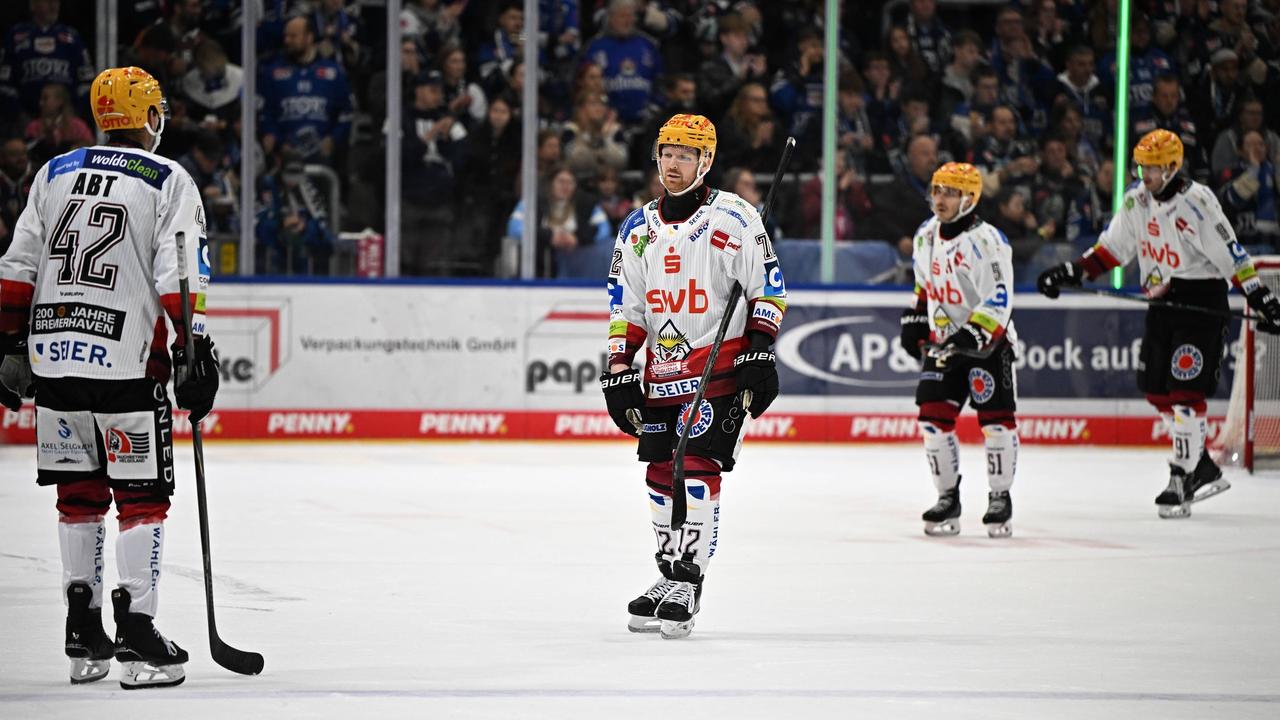
Three minutes later, Hakon Hänelt hammered the final nail into the coffin with a 4-2 goal. The Pinguins attempted a late-game resurgence, pulling their goaltender for an extra attacker, but the lack of "fresh legs" was glaring. The clinical edge they had shown in the first ten minutes had evaporated, replaced by the heavy-footedness of a squad operating on fumes.
Supporting Data: A Statistical Reality Check
The defeat in Schwenningen is not an isolated incident but a continuation of a worrying trend. The Pinguins are currently statistically ranked as having the lowest shooting percentage in the entire DEL. This lack of offensive efficiency, paired with a defensive unit that is being stretched to its absolute limits due to the injury crisis, has created a "perfect storm."
- Total Games Played: 11
- Total Victories: 4
- Total Defeats: 7
- League Position: 13th (Second to last)
- Trend: The team is on track to finish the weekend at the very bottom of the table if results elsewhere go against them.
The metrics suggest that while the Pinguins are not being "outplayed" in terms of possession or territorial control, they are being "out-executed" in the critical areas: in front of the net and in the defensive crease.
Official Responses and Tactical Outlook
Head coach Alexander Sulzer was visibly frustrated during the post-game press conference. "You cannot expect to sustain a high-tempo system when your roster is being cut in half," he noted, though he was careful not to use the injuries as an excuse for the second-period collapse. "We played excellent hockey for 20 minutes. We moved the puck, we found the lanes, we were disciplined. But this league does not forgive mental lapses, and when you are physically drained, those lapses happen."
The organization’s management has remained largely silent, choosing to back the coaching staff amidst the turmoil. The prevailing sentiment within the club is one of "survival mode." The goal for the next two weeks is simple: bridge the gap, get key players back from injury, and stop the bleeding.
Implications: The Road Ahead
The implications of this loss are profound. For a team that has aspirations of competing for a playoff spot, the 13th-place ranking is an alarm bell. With the league parity being as high as it is this year, digging out of a hole in the bottom third of the table requires a significant winning streak—a task that seems Herculean given the current squad’s physical condition.
The immediate future looks daunting. The Pinguins have little time to lament their shortcomings in Schwenningen. They are set to host Ingolstadt this Sunday at 19:00. This match is no longer just a regular-season fixture; it is a "must-win" game. Another defeat could leave the team anchored at the bottom of the DEL, creating a psychological barrier that will be difficult to overcome as the winter schedule intensifies.
The Path to Redemption
To turn the season around, the Pinguins must address two critical areas:
- Special Teams Discipline: The second-period equalizer conceded on a power play was a critical error. The team must return to the high-percentage defensive play that defined their first period.
- Roster Management: The medical staff will be under immense pressure to accelerate the recovery of key players. The depth of the organization is being tested, and it is clear that the current reliance on a handful of veterans is not sustainable over a 50+ game schedule.
As the Pinguins bus travels back to Bremerhaven, the mood is somber. The fans, who have stood by the team through thick and thin, are beginning to express their concern on social media and in the stands. The upcoming game against Ingolstadt will define the narrative of the next few weeks. Whether this is a temporary dip or the beginning of a lost season remains to be seen, but one thing is certain: the Fischtown Pinguins are currently the most wounded animal in the DEL, and their survival depends on their ability to weather the storm of their own making.