By [Journalist Name/Agency]
Updated: October 25, 2026
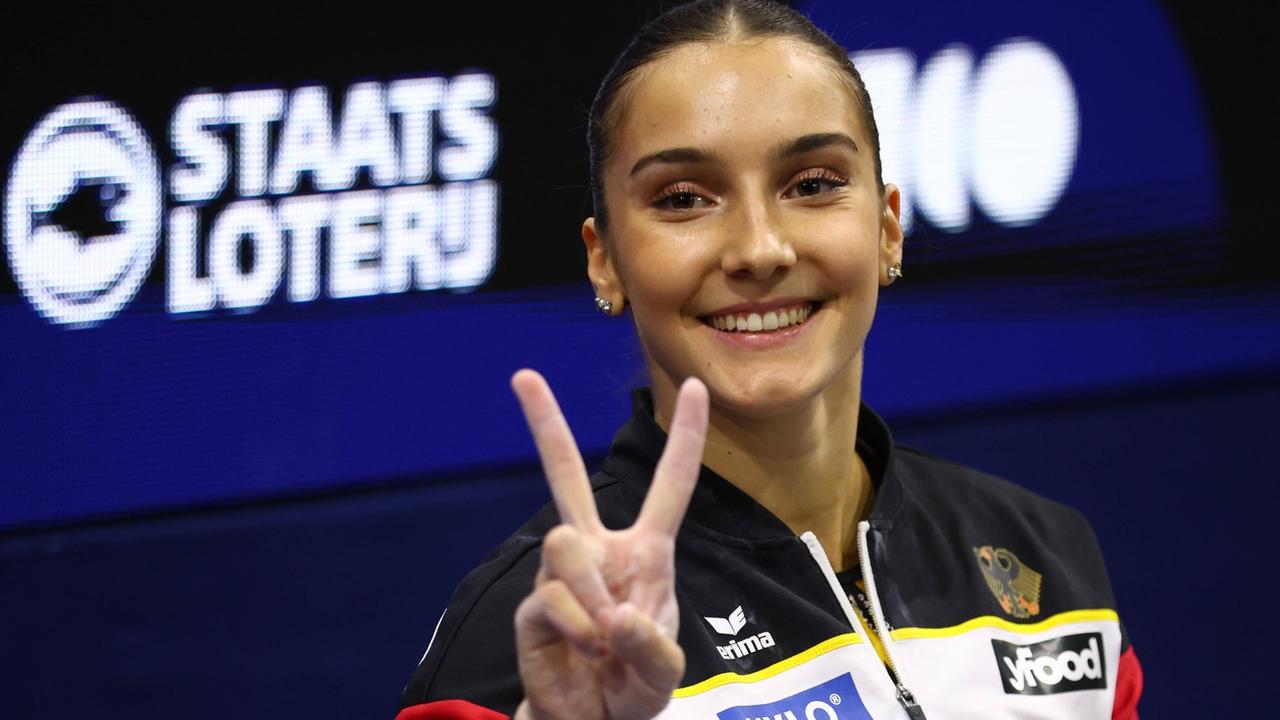
In the blinding, strobe-lit aftermath of the World Gymnastics Championships in Rotterdam, 18-year-old Helen Kevric stood on the podium, clutching a silver medal that represented far more than a technical achievement on the uneven bars. For the German Gymnastics Federation (DTB), the medal was a desperate lifeline in a season defined by underperformance and institutional uncertainty. Yet, for the Stuttgart native, the moment was bittersweet, defined by a poignant dedication to an "old coach" and a stark reminder of the void left by a lingering scandal that continues to haunt the German gymnastics landscape.
The Main Event: A Performance of Resilience
Helen Kevric’s performance in Rotterdam was nothing short of a masterclass in composure. Scoring 14.833, she significantly improved upon her qualification score, demonstrating the precision and nerve that have made her one of the most promising talents in international gymnastics. While she ultimately finished behind the dominant Algerian athlete and defending champion Kaylia Nemour—who secured a formidable 15.333—Kevric’s silver medal was arguably the most significant result for Germany in recent memory.
"I know that she is an incredible athlete, and the routine was simply incredibly good," Kevric said with sportsmanship, acknowledging Nemour’s dominance. "I have great respect for her."
For those watching from the stands, the 18-year-old’s maturity was palpable. Despite being at the center of a storm involving coaching changes and organizational turbulence, she delivered when it mattered most, effectively saving the DTB from a complete shutout in the medal tally.
The Chronology: A Path Defined by Instability
To understand the weight of Kevric’s silver medal, one must look at the timeline of events that have defined her last two years. The crisis began in late 2024, when allegations of abuse surfaced at the Kunst-Turn-Zentrum in Stuttgart. The subsequent legal and administrative fallout left many athletes, including Kevric, in a professional limbo.
- Late 2024: Abuse allegations trigger an investigation at the Stuttgart training center.
- Early 2025: Kevric suffers a significant knee injury, necessitating a long recovery period.
- Spring 2025: Legal proceedings regarding the coaching staff are initiated. While the labor disputes have since been settled, the criminal investigation by the Stuttgart public prosecutor remains active.
- Summer 2026: Kevric makes her return to competition. She struggles to find a consistent coaching structure, experimenting with high-profile international coaches, including Aimee Boorman and LaPrise Williams, before ultimately training in isolation or with temporary mentors like Anatol Ashurkov and Tatjana Bachmayer.
- October 2026: Kevric secures silver at the World Championships in Rotterdam, marking her return to the global elite.
The Coaching Dilemma: A "Temporary Construct"
The most glaring issue for the DTB remains the absence of a permanent, stable training environment for their brightest star. Bundestrainer (National Coach) Gerben Wiersma has been vocal about the precarious nature of the current situation.
"Helen needs a full-time, dedicated coach, and I am supporting her as best I can," Wiersma stated. However, he admitted that the current support system, which relies on rotating trainers from Chemnitz and temporary stints in Italy under Enrico Pozzo, is unsustainable.
The federation’s leadership, represented by Sports Director Thomas Gutekunst, has been notably guarded. "I don’t want to talk about it in detail right now," Gutekunst said when pressed on the future of Kevric’s training setup. "It was a construct that worked for the last few months leading up to this World Championship, but we all know it is a temporary one."
This lack of a long-term strategy is causing growing concern within the gymnastics community. For an athlete of Kevric’s caliber, the transition from "hopeful" to "world-class competitor" requires a level of stability that the current, fragmented environment fails to provide.
Institutional Implications: The DTB at a Crossroads
The success of Kevric serves to mask deeper structural failures within the German Gymnastics Federation. As the world looks toward the 2028 Los Angeles Olympics, the contrast between the women’s and men’s teams is stark.
The Men’s Struggle
The German men’s team finished 15th at the World Championships—a result that many within the federation have labeled "not Olympic-worthy." The failure to qualify for the final in the team competition is a massive blow to the nation’s ambitions for 2028. National Coach Jens Milbradt was unsparing in his critique: "We keep talking about having the talent and the environment, but we have to actually perform. We haven’t done that."
The Women’s Path Forward
While the women’s team fared better, finishing tenth despite the absence of key performers like Pauline Schäfer-Betz and Silja Stöhr, the reliance on individuals rather than a cohesive team unit is a vulnerability. The upcoming qualification tournament in Chengdu, China, next autumn will be the deciding factor for the German teams. Failure there would represent a significant setback for the German Olympic cycle.
Looking Ahead: The Goal of the All-Around
The primary objective for 2027, according to the coaching staff, is the reintegration of the "All-Around" discipline into Kevric’s repertoire. Since her comeback from her 2025 knee injury, she has been limited to the uneven bars and the balance beam.
"I don’t just hope; I expect that Helen will compete in an all-around program next year," said Wiersma. This transition is critical. If Germany is to challenge the dominance of the United States, China, or Japan, they need an athlete who can contribute across all apparatuses.
The Human Element: Dedication and Resilience
Perhaps the most telling moment of the championships occurred when, during the press conference, Kevric dedicated her medal to her "old coach." This comment, while brief, spoke volumes about the emotional toll the last two years have taken on the young athlete.
It highlights a recurring theme in modern sports: the tension between administrative reform and the personal relationships that drive athletic excellence. As the legal investigations continue and the DTB struggles to define its new era, the athletes themselves are often left to navigate the wreckage of broken systems.
For Helen Kevric, the silver medal in Rotterdam is a testament to her individual grit. She has survived a professional upheaval that would have ended the careers of many. Yet, her future—and the future of German gymnastics—remains contingent on whether the federation can move past its "temporary constructs" and provide the stability necessary to nurture its greatest asset.
As the team returns to Germany, the celebratory atmosphere of the podium will quickly fade, replaced by the cold reality of the boardroom. The DTB has one year to rectify its coaching structure, solidify its team culture, and ensure that when the Olympic flame is lit in Los Angeles in 2028, Germany is not merely a spectator, but a force to be reckoned with. Whether they can achieve this while reconciling their internal past is the defining question of the next season.