

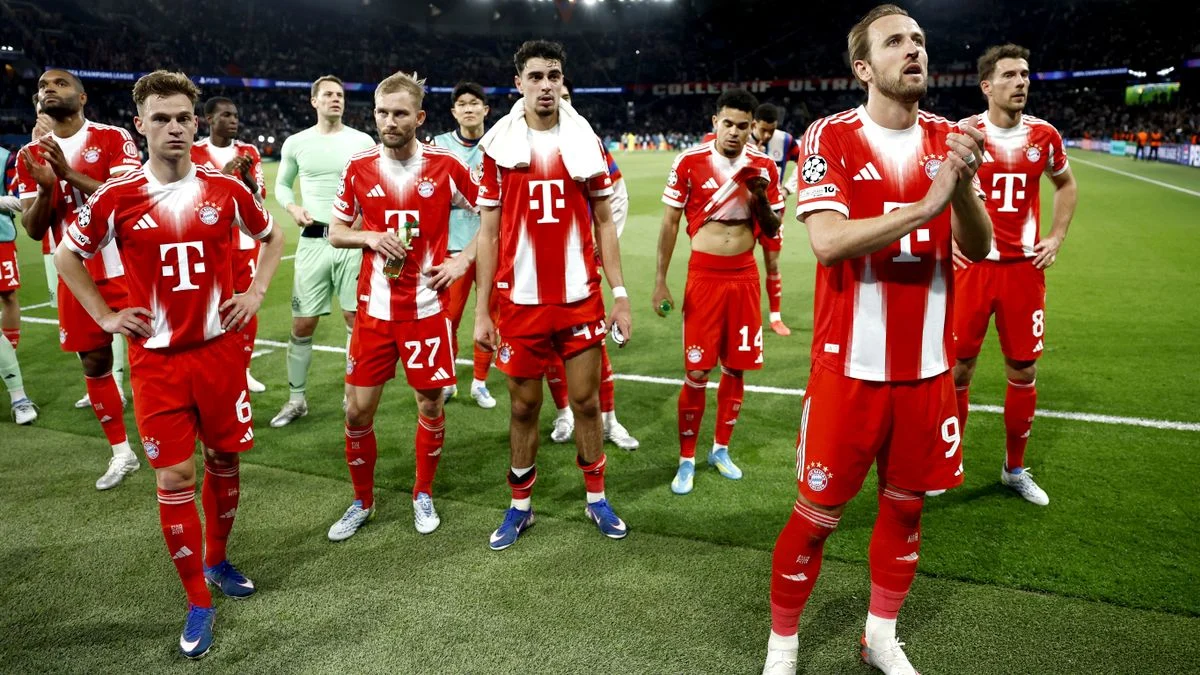
The UEFA Champions League remains the pinnacle of European club football, a stage where history is written in ninety-minute increments. This Wednesday, at 21:00 CET, the Allianz Arena in Munich will host a high-stakes clash as FC Bayern Munich welcomes Paris Saint-Germain for the second leg of their pivotal tie. As anticipation builds across the continent, fans are grappling not only with the tactical preparations of Vincent Kompany and Luis Enrique but also with an increasingly fragmented and costly broadcast landscape.
For supporters in Germany, witnessing the drama unfold requires navigating a labyrinth of subscription tiers, exclusive rights, and pricing models that have fundamentally altered how the "beautiful game" is consumed.
The Broadcast Reality: A One-Platform Monopoly
The distribution of Champions League rights in Germany has undergone a significant transformation. Unlike the era of free-to-air dominance, the modern era is defined by exclusivity. For this specific fixture, the rights reside solely with DAZN.
While the first leg was broadcast via Amazon Prime Video, the return leg follows a different path. This shift highlights a broader trend: the fragmentation of sports media rights, where fans are often forced to juggle multiple subscriptions to follow a single tournament throughout a season. For the casual viewer or the die-hard Bayern supporter who does not already subscribe to the streaming giant, the barrier to entry is substantial. Unlike Amazon’s occasional flexibility, DAZN operates on a rigid subscription-based model that prioritizes long-term commitment over single-match access.
Chronology of a Broadcast Strategy
To understand why the cost of entry is so high, one must look at the evolution of DAZN’s market positioning. In previous seasons, the platform sought to capture the mass market through aggressive pricing. However, as the cost of broadcasting rights for elite competitions like the Champions League has skyrocketed, the platform has pivoted toward a more segmented, premium-tier strategy.
- Phase 1: Market Entry: DAZN entered the German market as a disruptive force, offering a low-cost, all-inclusive monthly subscription. This period was characterized by customer acquisition at the expense of profitability.
- Phase 2: Tiered Segmentation: Recognizing the need to stabilize revenue, the platform introduced "Unlimited," "Super Sports," and "World" packages. Crucially, the Champions League rights were siloed into the most expensive tier, effectively insulating their most valuable content from cheaper, peripheral offerings.
- Phase 3: The "Unlimited" Era: Today, the "Unlimited" monthly pass—priced at approximately €45—is the standard for those seeking live access to the Champions League. While annual contracts offer a slight reduction in monthly costs (bringing the price down to roughly €35), the upfront commitment remains a significant deterrent for those who only wish to watch the occasional high-profile knockout game.
Supporting Data: The Financial Burden on Fans
For the average consumer, the math is sobering. When compared to the cost of a traditional cable subscription or even the per-match price of a cinema ticket, the current streaming model presents a steep value proposition.
The platform’s marketing often highlights a "starting price" of €24.99 per month, a figure that appears prominently on their website. However, this headline rate is misleading for the vast majority of users. It is almost exclusively tied to long-term contracts or specific promotional bundles that do not include the flexibility required by a fan who simply wants to watch one or two matches a month.

Furthermore, the absence of a "Day Pass" or "Single Match" purchase option remains a point of contention among football enthusiasts. In an era where digital consumption is often modular, the lack of a pay-per-view model for Champions League fixtures feels increasingly out of step with consumer expectations. This rigid structure effectively forces users into a recurring billing cycle, ensuring that the platform captures revenue long after the final whistle of the Bayern-PSG match has blown.
Official Stance and Market Logic
From the perspective of the broadcasters, these pricing structures are a direct consequence of the astronomical fees paid to UEFA. The rights to show Champions League matches in a major market like Germany are arguably the most expensive assets in the sports media portfolio.
Industry analysts argue that the "bundling" of content is a necessary evil to maintain the sustainability of the streaming service. By forcing users into higher-tier packages, broadcasters can cross-subsidize the less popular leagues and sports with the massive viewership numbers generated by the Champions League.
However, this logic is increasingly scrutinized by consumer protection agencies and football fan associations. There is a growing argument that the "all-or-nothing" approach to sports streaming is contributing to "subscription fatigue," where households are forced to prioritize which leagues they follow based purely on financial capacity rather than sporting interest.
Tactical Implications: Bayern vs. PSG
Beyond the financial screen, the match itself represents a defining moment for both clubs. Bayern Munich, under the stewardship of Vincent Kompany, is looking to assert domestic and European dominance, while PSG, despite their internal transitions, remains a formidable threat on the counter-attack.
The match will likely be decided in the midfield, where Bayern’s high-pressing system will be tested by the pace and technical proficiency of the Parisian attackers. The tactical battle between the managers—Kompany’s desire for control and Enrique’s preference for fluid, positional play—will determine the tempo of the game. For the fans who have invested in the subscription to watch this match, the hope is that the quality of football on the pitch will justify the complexity and cost of the viewing experience.
The Broader Implications for Sports Consumption
The situation surrounding this week’s Champions League fixture is a microcosm of the wider media industry. We are witnessing the end of the "unified" sports experience. As rights become more expensive, they are increasingly partitioned, leading to a landscape where the right to view elite sports is becoming a luxury service.

1. The Death of the "Casual" Fan
The high cost of entry is effectively pricing out the casual viewer. When a single match costs nearly €45 to access, the incentive to "tune in" for curiosity vanishes. This may lead to a long-term erosion of the broader fanbase, as younger generations are less likely to commit to expensive, recurring subscriptions for a sport they are only just beginning to follow.
2. The Rise of Alternative Consumption
As official channels become more expensive, there is an observable uptick in the usage of unauthorized streams and social media highlights. While broadcasters combat this through aggressive legal action, the root cause—price and accessibility—remains unaddressed. If the legal, high-quality options remain prohibitively expensive, the market for grey-market streaming will inevitably continue to thrive.
3. The Future of Rights Auctions
The upcoming rounds of media rights auctions will be critical. If broadcasters continue to struggle with subscriber growth due to high prices, we may see a shift in strategy. This could manifest as more partnerships between streaming platforms and traditional broadcasters, or perhaps a move toward more flexible, event-based pricing models that allow fans to pay for what they watch rather than what the platform requires them to buy.
Conclusion
As the Allianz Arena prepares for Wednesday night, the focus is split between the tactical masterclass on the field and the digital hurdles off of it. While the Champions League continues to deliver unparalleled drama, the ecosystem supporting that drama is in a state of flux.
For the supporter, the message is clear: participating in the modern football experience requires more than just loyalty to a team—it requires a calculated navigation of the digital marketplace. Whether this model is sustainable for the broadcasters or fair to the fans remains the primary question of the decade. For now, however, the lights will go up at 21:00, the ball will roll, and for those who have navigated the paywall, the beautiful game will continue, as it always has, to command our undivided attention.













Leave a Reply