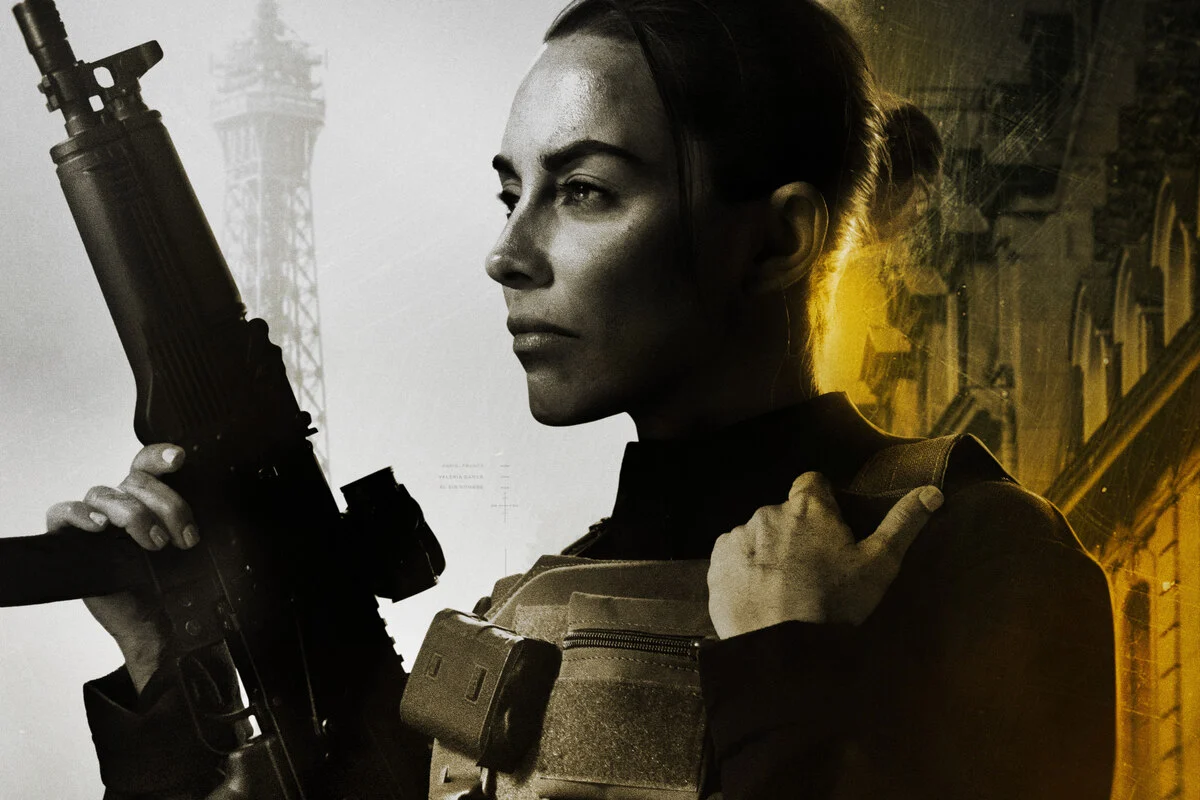
The Call of Duty franchise has long served as an interactive barometer for American foreign policy, militarism, and the cultural appetite for high-octane interventionism. With the release of Call of Duty: Modern Warfare 4, the series attempts to elevate its production values to cinematic heights. Yet, beneath the glossy exterior and the star-studded casting lies the same ideological bedrock that has defined the franchise for two decades: an unwavering, often propagandistic, endorsement of U.S. military hegemony.
In this latest iteration, the series doubles down on the "lone wolf" narrative, framing extrajudicial violence as a necessary tool in a chaotic, post-truth world. While the game represents a technical leap forward, it remains a "popcorn blockbuster"—spectacular to witness, yet morally vacant.
The Strategic Landscape: A New Front in Digital Warfare
The plot of Modern Warfare 4 is as ambitious as it is conventional. To anchor its narrative, Activision has secured the services of Mads Mikkelsen, the celebrated Danish actor known for his roles in Hannibal and various Bond villain turns. Mikkelsen provides a chilling gravitas to the game’s primary antagonist, leading a fictionalized version of North Korea into an aggressive conflict with its southern neighbor.
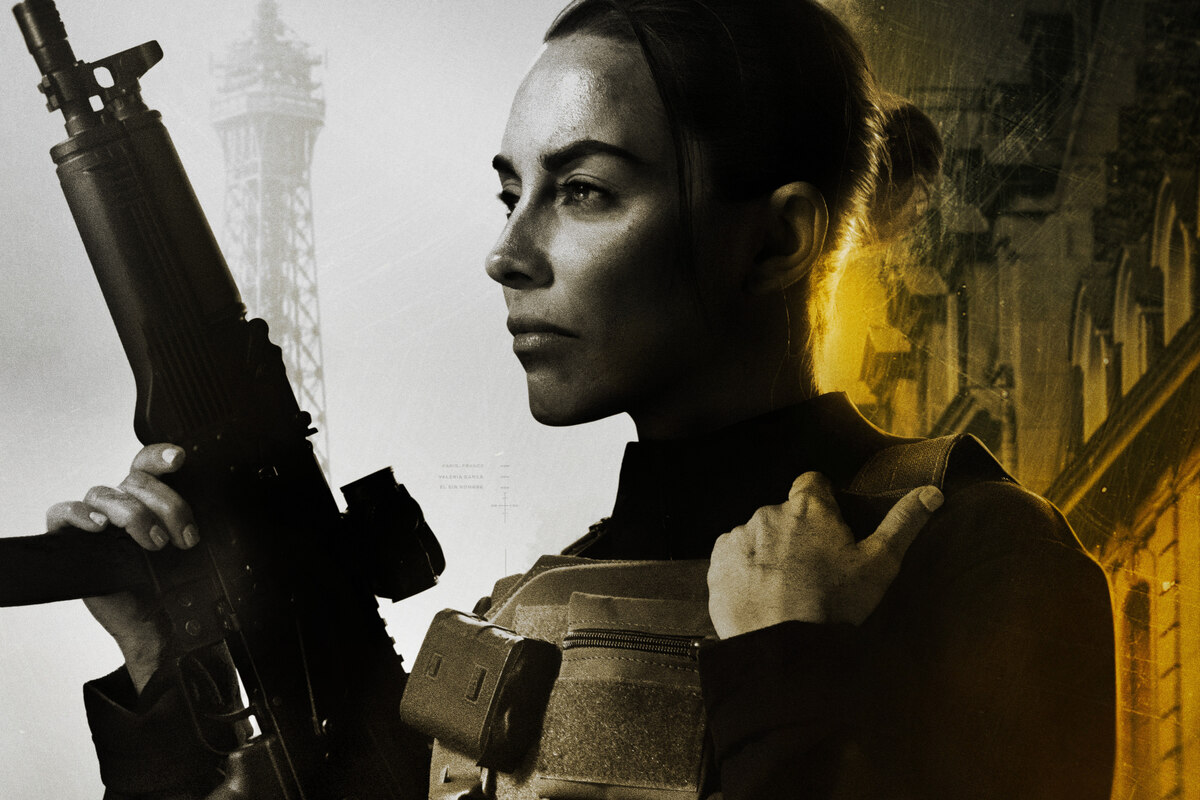
The narrative architecture forces players to navigate the internal fractures of the franchise’s most iconic figures: Captain Price and Ghost. The game leans heavily into the "vigilante justice" trope, particularly through the lens of Captain Price. His portrayal—a bearded, weary operative acting outside the confines of international law—is crafted to be an aspirational archetype. He is not merely a soldier; he is a man of action operating in an "ice-cold" climate where the state has failed, and the paramilitary must step in to restore order.
However, the game fails to capitalize on the inherent moral tension of this premise. It asks whether the ends justify the means, only to answer with a resounding "yes" via the gameplay loop, which rewards players for efficient, lethal execution rather than restraint or tactical diplomacy.
Chronology of Influence: The Partnership with the Pentagon
To understand the persistent, apologetic tone toward U.S. military interventions in Call of Duty, one must look at the franchise’s history of collaboration. The series has historically enjoyed a close, symbiotic relationship with the U.S. Army and other branches of the Department of Defense. This collaboration often blurs the lines between civilian entertainment and state-sanctioned messaging.

- The Early Years (2003–2009): The inception of the franchise focused on the "Good War" narratives of WWII. These titles were largely straightforward, but they established the template for the "heroic soldier" mythos.
- The Revisionist Pivot (2010s): As the series moved into modern settings, the need for narrative justification increased. Critics have long pointed to the "Highway of Death" mission in previous installments, where a real-life U.S. military atrocity (committed during the Gulf War) was depicted as a crime perpetrated by Russian forces.
- The Present (2024): Modern Warfare 4 does not engage in this level of overt historical revisionism, but it practices a subtler form of erasure. By focusing on the "existential threat" of a North Korean invasion—a recurring theme seen previously in Advanced Warfare (2014) and the Homefront series—the game positions the U.S. as a reactive, defensive power, ignoring the complexities of the geopolitical reality on the Korean Peninsula.
Supporting Data: Technical Proficiency vs. Creative Stagnation
Technically, Modern Warfare 4 is a triumph. The transition from the rushed, buggy, and content-starved releases of the previous two years to this polished product is evident. The campaign lasts roughly eight hours—a significant increase over recent entries—and flows with a narrative consistency that was sorely lacking in its predecessors.
The Mechanics of Violence
- Nahkampf (Close Quarters Combat): The combat is notably more dynamic. The introduction of refined counter-mechanics makes physical confrontations feel more visceral.
- Visual Fidelity: From the rain-slicked streets of Paris to the hyper-realistic, snow-covered neon of Times Square, the game is a masterclass in graphics.
- The Loop: Despite these cosmetic upgrades, the core gameplay remains unchanged: aim, shoot, crouch, reload. The "shock" factor of the violence has largely evaporated. In an era where the brutal reality of the war in Ukraine is broadcast via social media in real-time, the stylized, digital violence of a video game feels increasingly performative and detached from reality.
While "graphics fetishists" will undoubtedly praise the fidelity of the environments, the lack of mechanical innovation is becoming a critical liability. The series relies on its high-budget sheen to mask the fact that it is recycling a formula that has remained stagnant for over a decade.
Official Responses and Industry Context
Activision has maintained a calculated silence regarding the ideological criticisms of the game. In official press materials, the company emphasizes the "immersive experience" and the "cinematic storytelling." They have positioned Modern Warfare 4 as a "finished product"—a direct response to the community backlash regarding the rushed development cycles of 2022 and 2023.

Industry analysts note that the shift toward a more stable release schedule is less about artistic integrity and more about protecting the brand’s value ahead of fiscal reporting. The multiplayer mode, the engine of the game’s long-term revenue, continues to prioritize "claustrophobic, high-tempo" arenas designed to maximize engagement with microtransactions. It is a system built for addiction, not innovation.
The "Killerspiel" (killer game) debates that once plagued the industry in Germany and abroad have largely faded. As gaming has become the primary cultural medium of the modern era, the old moral panics have been replaced by a more nuanced, albeit weary, realization: the industry is less interested in the ethical implications of its content than it is in maintaining the status quo of its profit margins.
Implications: The Moral Vacuum
The central issue with Modern Warfare 4 is not the violence itself, but the lack of moral agency afforded to the player. The game presents a world of clear-cut binaries—us vs. them, order vs. chaos—where any reflection on the consequences of military action is dismissed as a distraction from the mission.

By framing the North Korean threat in such a simplistic, caricature-like manner, the game prevents any genuine engagement with the history or the human cost of the actual geopolitical tensions in the region. It is, ultimately, a product that thrives on the absence of thought.
For the player, the implication is clear: you are not meant to ask why the conflict is happening; you are meant to enjoy the sensation of the trigger pull. The game functions as a high-end, interactive propaganda piece that reinforces the comfort of "righteous" violence. It is a mirror held up to American culture—a culture that prefers the cinematic thrill of a "modern" war to the messy, unresolved, and often uncomfortable reality of actual diplomacy.
As the series moves forward, it remains to be seen whether it can ever escape the gravitational pull of its own tropes. For now, Modern Warfare 4 is the ultimate digital popcorn flick: perfectly engineered, visually stunning, and entirely forgettable once the credits roll.

Conclusion: A Cycle of Consumption
The cyclical nature of the Call of Duty release schedule suggests that the industry will continue to produce these titles as long as the market demands them. The real tragedy is not that these games exist, but that the industry has become so proficient at producing "content" that it has lost the ability to produce "meaning." Modern Warfare 4 is a testament to the fact that while technology can create a world that looks like reality, it cannot provide the moral compass required to navigate it.