Across Europe, the tech landscape is shifting. While the continent boasts a robust deep-tech sector—now reaching a cumulative valuation of approximately $690 billion—many founders are finding that home markets often hit a "growth ceiling." Despite the brilliance of European engineering, start-ups in the critical scaling phase frequently encounter funding gaps and restricted access to the deep-pocketed, late-stage venture capital required to transition from local success stories to global leaders.
In response, a new generation of European entrepreneurs is looking beyond the Atlantic, focusing instead on the dynamic promise of the East. Specifically, Hong Kong has emerged as a premier destination, serving as a gateway where capital, infrastructure, and high-tech innovation intersect. With its unique status as a global financial hub and its profound integration into the Chinese mainland, Hong Kong is rapidly evolving into a magnet for international talent.
The Catalyst: The HKTE x EuroTech Hackathon
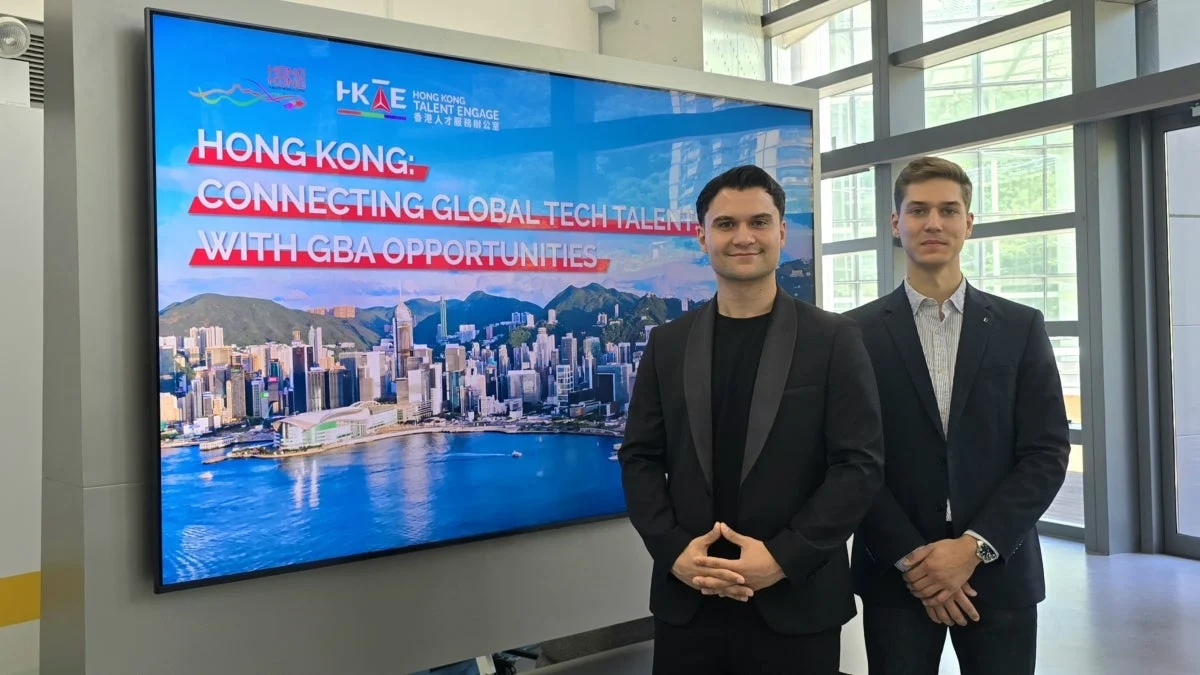
The bridge between European ambition and Asian opportunity was recently cemented through the "Hong Kong Talent Engage (HKTE) x EuroTech Hackathon." Held in Munich in June 2026, the event served as a high-stakes arena for innovation, attracting 1,200 applicants. From this pool, 250 finalists were selected to collaborate on real-world solutions for the unique urban challenges of Hong Kong.
Among the standout winners were Cem, a German medical student and founder of heal.health, and Aleksandr, a developer focused on urban infrastructure. Their projects exemplify the cross-disciplinary potential that Hong Kong seeks to attract:
- HealthTech Innovation: Cem’s project utilizes an advanced AI system capable of analyzing photographs of a patient’s eyelids to diagnose specific types of anemia prevalent in Hong Kong. By digitizing diagnostics, the solution aims to alleviate the burden on the city’s healthcare system.
- Smart City Solutions: Aleksandr’s winning entry transformed public transit and fleet vehicles into "mobile road sensors." By using standard smartphone technology or dedicated sensors on buses and taxis, the system maps road defects in real-time, notifying maintenance crews and alerting drivers to hazards instantly.
Chronology of a Strategic Pivot
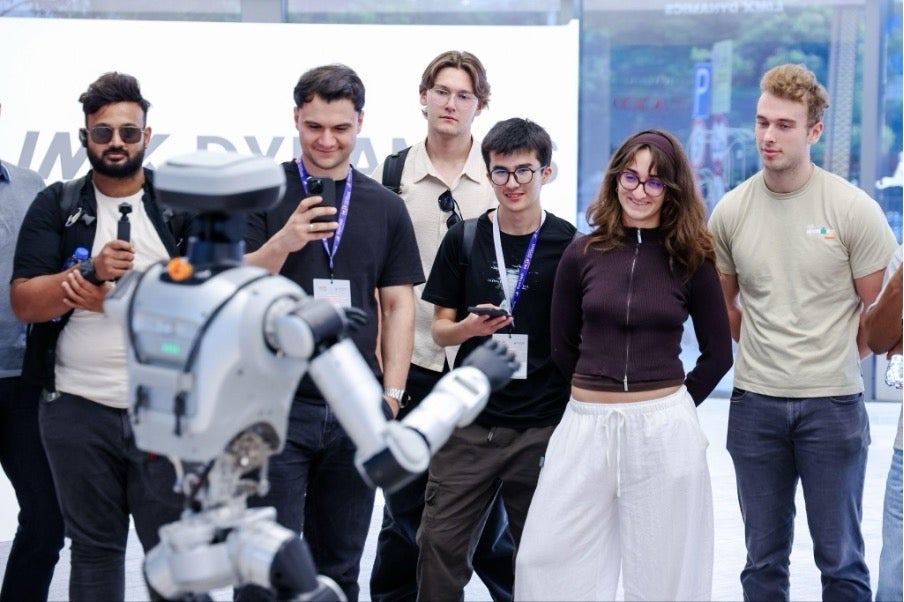
The Hackathon was not an isolated event but rather the start of a broader strategic engagement program. Following the success in Munich, HKTE orchestrated a deep-dive delegation trip in September 2026, bringing 20 of the top hackathon winners and representatives from the EuroTech Federation to the Greater Bay Area (GBA)—the economic engine encompassing Guangdong, Hong Kong, and Macau.
The Itinerary:
- Hong Kong Core: The delegation explored the Hong Kong Science Park and Cyberport, two of the region’s primary incubators. These sites offered a firsthand look at the I&T (Innovation & Technology) ecosystem and the generous government support packages available to foreign start-ups.
- Northern Metropolis Vision: A key focus was the "Northern Metropolis," a major strategic development area. The delegation examined how this new district is being engineered to serve as a hub for cross-border research and industrial collaboration.
- The GBA Industrial Deep-Dive: In Qianhai and Nansha, the participants engaged with local tech leaders to discuss industrial applications of AI, robotics, and biotechnology.
This journey was designed to transition the winners from "hackers" to "founders" within the Asian market, providing them with the networking capital that is often the hardest hurdle for foreign entrepreneurs to clear.
Supporting Data: Why the GBA Wins
The interest in the region is not merely anecdotal. The World Intellectual Property Organization (WIPO) has consistently ranked the Shenzhen-Hong Kong-Guangzhou cluster as the world’s number one innovation cluster for both 2025 and 2026. This ranking is a reflection of the region’s unparalleled ability to mobilize capital and turn raw research into scalable industrial output.
For European founders, the GBA offers a unique value proposition: the legal and financial transparency of Hong Kong, combined with the manufacturing scale and rapid prototyping capabilities of the Chinese mainland. This synergy allows companies to iterate on products at speeds rarely seen in Europe.
Official Perspectives and Talent Integration
The feedback from the delegation highlights a fundamental shift in how European entrepreneurs perceive the region.
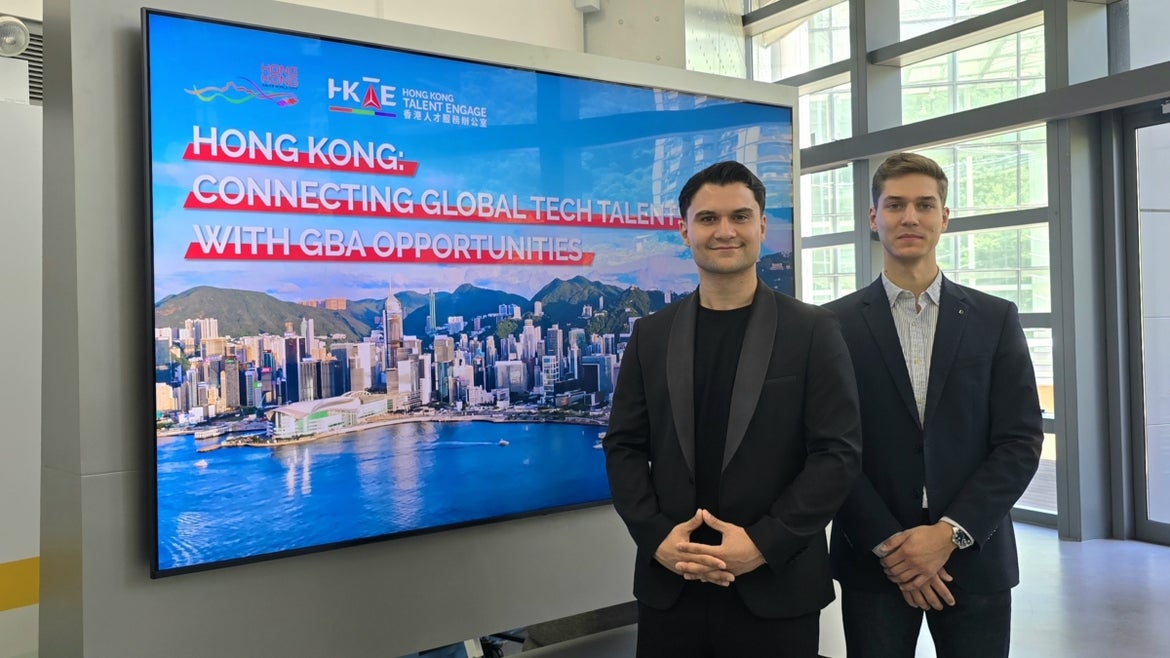
"The visit brought us into direct contact with leading tech giants like Tencent and essential hubs like Cyberport," noted Aleksandr. "It was an eye-opener regarding the sheer volume of support the region offers to budding founders. I previously viewed Hong Kong primarily as a financial center; now, I see it as a primary engine for I&T development."
Cem shared a similar sentiment, emphasizing the efficiency of the ecosystem. "The connectivity is what impresses me most. Within a few days, we moved from theoretical concepts to meeting with industry leaders and potential partners. It provided a clear, actionable roadmap for how we can scale our ideas."
Felix Chan, Director of HKTE, underscored that these events are part of a long-term commitment. "The goal is to ensure that talent doesn’t just visit—it stays. We are providing ongoing support, from career counseling to incubator matchmaking, to ensure that visionaries like Cem and Aleksandr can integrate their businesses into the local fabric."
The Global Implications: A New Era of Collaboration
The movement of European deep-tech talent to Hong Kong is a microcosm of a larger trend: the globalization of the innovation lifecycle. As European start-ups face the "series-B crunch," they are increasingly opting for markets that offer faster access to manufacturing and larger consumer bases.
For Hong Kong, this is a strategic win. By attracting top-tier European talent, the city is diversifying its human capital pool, ensuring it remains at the forefront of the global tech race. For the European founders, it represents an opportunity to scale beyond the constraints of fragmented regional markets.
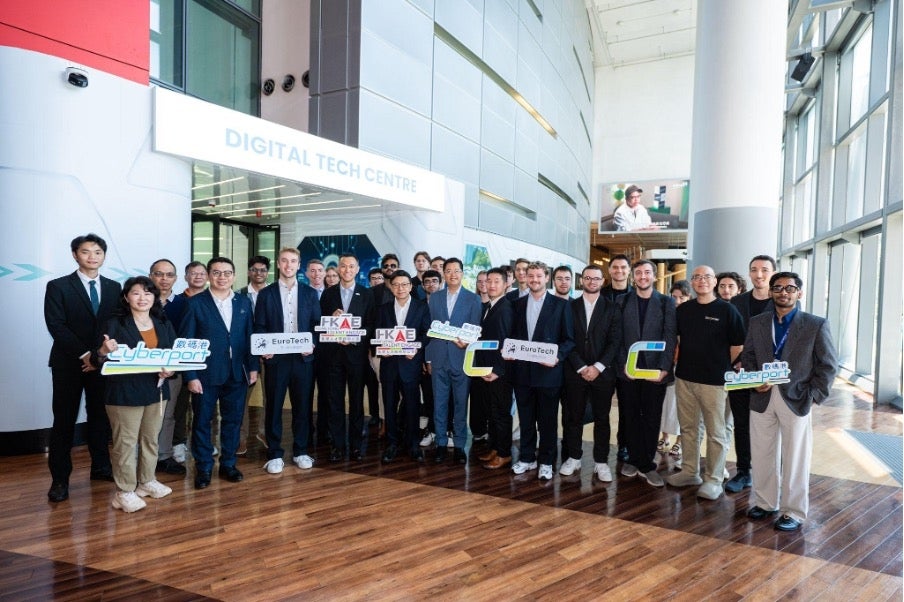
The initiative is set to continue, with upcoming outreach efforts including a high-profile career fair in London this October. The mission is clear: to demystify the path into the Asian market and provide a bridge for those ready to move their operations to the next level.
Looking Forward: The Next Step
For founders struggling with the "valley of death" in European financing, the message from the HKTE is clear: the bridge is open. Whether it is through the mentorship provided at Cyberport, the research grants available in the Northern Metropolis, or the massive scale of the GBA, Hong Kong is positioning itself as the most logical next step for ambitious tech firms.
As the lines between European innovation and Asian industrial power continue to blur, the success stories of the 2026 hackathon winners may well serve as the blueprint for the next wave of global tech giants. For those interested in exploring these opportunities, the window is wide open, and the infrastructure is already in place.
To learn more about the opportunities available for your start-up in Hong Kong, visit the official Hong Kong Talent Engage portal.