As thermometers across the globe continue to climb past the 30-degree Celsius mark, the challenge of maintaining a habitable indoor climate has shifted from a seasonal nuisance to a significant health and logistical concern. For residents in urban areas, particularly those in top-floor apartments or poorly insulated structures, the "urban heat island" effect can make home life nearly unbearable.
While there is no single "silver bullet" for cooling a living space without expensive, energy-intensive air conditioning, scientific principles—combined with practical, low-cost modifications—can significantly mitigate heat gain. In this guide, we analyze the current scientific consensus, address the ongoing debate regarding ventilation, and provide a structured approach to keeping your sanctuary cool when the mercury rises.
The Core Science: Why Heat Accumulates
To manage indoor temperatures, one must first understand how heat enters a home. Heat transfer occurs through three primary mechanisms: conduction (heat moving through solid objects like walls), convection (warm air circulating), and radiation (heat from sunlight entering through windows).
In modern residential settings, the most significant culprit is solar radiation entering through glass surfaces, which then heats the interior air and surfaces. Once this heat is inside, it is trapped, creating a thermal mass that continues to radiate warmth long after the sun has set.
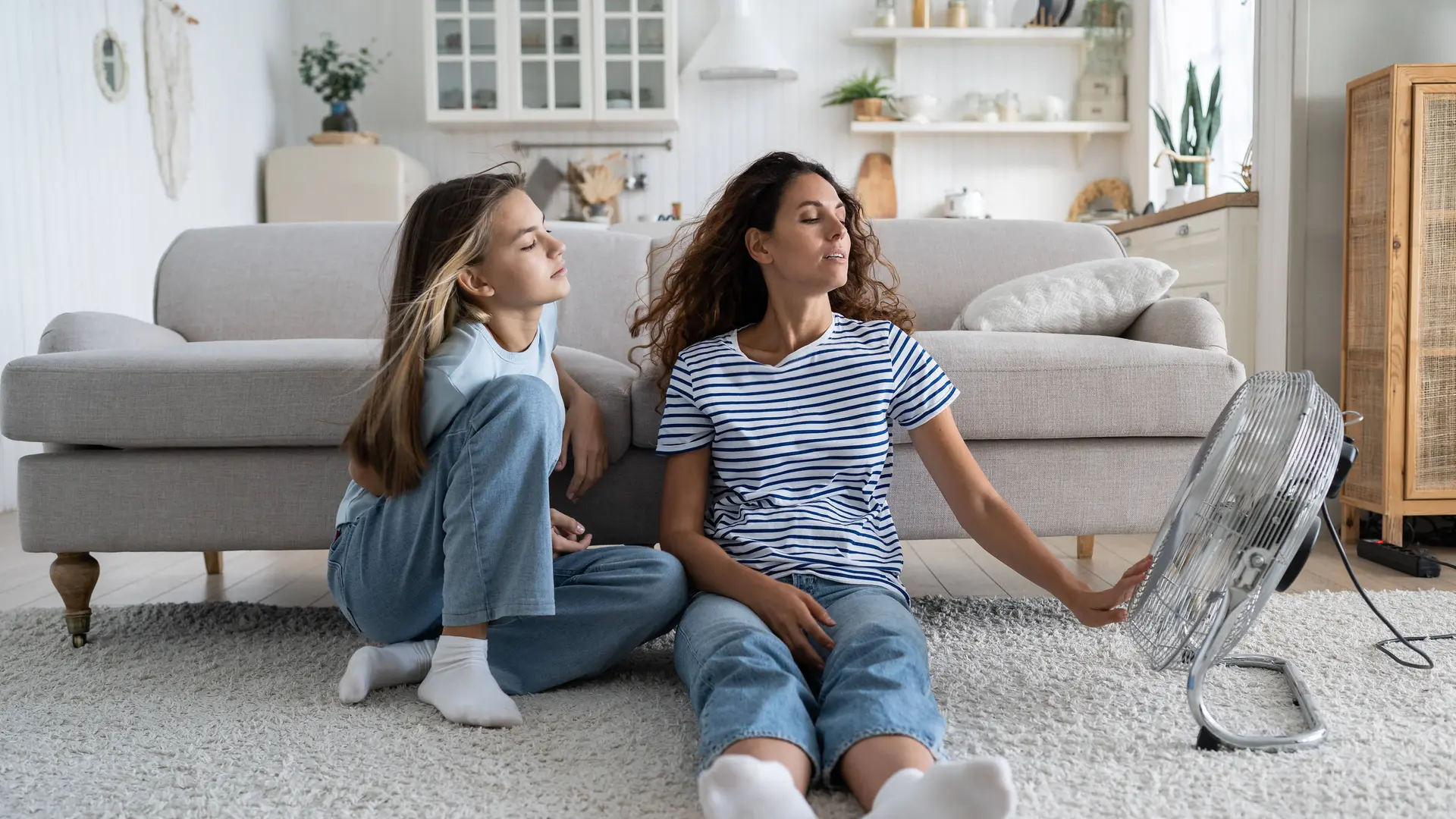
Chronology of Heat Management: A Daily Protocol
The most effective way to combat heat is through a rhythmic, time-based approach to managing your home’s air exchange and solar exposure.
The Night-time Window (The Cooling Phase)
- 02:00 – 06:00: This is the most critical window for temperature reduction. Once the outside air temperature drops below your indoor temperature, open all windows and doors to facilitate cross-ventilation.
- Active Extraction: If you own a box fan, place it in an open window facing outwards. This creates a negative pressure zone that forcibly extracts the hot air trapped in your living space, allowing cooler air to be pulled in through other openings.
The Daytime Barrier (The Preservation Phase)
- 07:00 – 20:00: As the sun rises, close all windows. The objective is to stop the convective transfer of hot air into your cooler home.
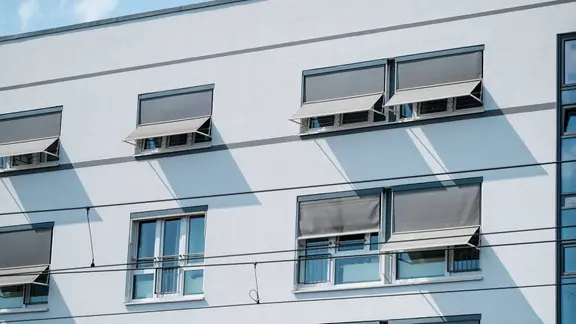
- Total Blackout: Lower all external blinds, shutters, or awnings. If you lack external shading, use internal blackout curtains or reflective window film. The goal is to prevent the "greenhouse effect" caused by direct sunlight hitting your furniture and floors.
- Open Interior Doors: Even if you aren’t using a room, opening closets and interior doors helps distribute the air mass more evenly, preventing "heat pockets" from forming in stagnant corners.
The Great Debate: To Ventilate or Not to Ventilate?
A contentious debate has emerged in recent years regarding the necessity of ventilation during extreme heat.
The Kachelmann Critique
Meteorologist Jörg Kachelmann has been a vocal critic of the traditional "keep windows closed" advice. He argues that sealing a house tightly during a multi-day heatwave leads to a dangerous accumulation of humidity and carbon dioxide ($CO_2$). Kachelmann has famously labeled strict "windows-closed" policies as potentially hazardous for the elderly or vulnerable, as indoor air quality can rapidly degrade, leading to respiratory distress and physiological strain.
The Medical Perspective
Medical experts, such as Dr. Alina Herrmann of the Heidelberg University Hospital, offer a more nuanced middle ground. While they acknowledge that keeping windows closed is essential for temperature control, they suggest that brief, strategic "shock ventilation" or leaving a window on the "tilt" position in occupied rooms is acceptable to maintain oxygen levels. The priority, according to medical professionals, must be the health of the occupants—if you feel faint or the air feels "thick," the need for fresh air outweighs the need for thermal stability.
Strategies for Thermal Reduction
Beyond ventilation, homeowners can employ several physical adjustments to lower the indoor temperature:
1. Removing Thermal Accumulators
Textiles such as thick carpets, heavy curtains, and plush rugs act as heat sinks, absorbing thermal energy during the day and releasing it slowly at night. In high-heat regions, removing these items for the summer months can lead to a noticeable drop in perceived room temperature.
2. The Color Psychology and Physics of Absorption
Dark-colored furniture and wall coverings absorb a higher percentage of solar radiation compared to lighter, reflective surfaces. While painting walls white is a long-term strategy, ensuring that external-facing blinds and curtains are light-colored can prevent the heat from being absorbed and radiated into the room.
3. Managing Internal Heat Sources
In a modern home, your appliances are essentially space heaters.

- The Kitchen: Minimize the use of ovens and stoves. Opt for cold meal preparation or use microwaves and induction hobs, which produce less ambient heat.
- Standby Mode: Computers, televisions, and gaming consoles emit heat even in standby mode. Unplugging unnecessary electronics reduces both your energy bill and the heat load of your living room.
- Laundry: Avoid using tumble dryers, which dump massive amounts of heat and moisture into the house. Air-drying clothes is more energy-efficient and avoids adding to the thermal load.
Engineering Your Own Comfort: DIY Cooling
When traditional methods fail, evaporative cooling is an accessible, science-backed solution.
The Evaporative Principle
Evaporation is an endothermic process—it requires energy (heat) to turn liquid water into gas. By accelerating this process, you can cool the surrounding air.
The "DIY Air Conditioner" Protocol:
- The Setup: Hang a wet towel or sheet in front of a floor fan.
- The Mechanism: As the fan forces air through the damp fabric, the water evaporates, drawing heat from the air and lowering its temperature before it reaches you.
- Enhancement: Using ice-filled containers in front of the fan can provide an even sharper cooling effect.
- Caution: Because this increases ambient humidity, it is vital to ensure regular air exchange to prevent mold growth and maintain air quality.
Official Recommendations and Public Health Implications
Health authorities emphasize that the most effective cooling strategies are those that focus on the human body, not just the environment.

- Hydration: Maintaining fluid intake is the most effective way to help the body regulate its internal temperature.
- Physical Cooling: Using cold water on the pulse points (wrists, neck, and ankles) is scientifically proven to assist in lowering core body temperature.
- The Heat-Sensitive Population: For the elderly, children, and those with pre-existing conditions, the indoor temperature should not be the only metric of safety. If a home becomes dangerous, authorities advise seeking refuge in public cooling centers or air-conditioned public buildings (libraries, malls, or community centers).
Technological Outlook: Heat Pumps and HVAC
As climate change increases the frequency and duration of heatwaves, the reliance on passive cooling will likely become insufficient.
Heat Pumps as Cooling Devices
Many homeowners are transitioning to heat pumps for heating. It is a common misconception that these systems only provide warmth. In reality, most modern heat pump systems are reversible; they can extract heat from the interior of a home and move it outdoors, effectively functioning as high-efficiency air conditioning units. For those considering home renovations, investing in a reversible heat pump system is perhaps the most future-proof decision for managing indoor comfort in a warming climate.
Mobile Air Conditioning
For tenants unable to install permanent systems, mobile air conditioning units remain a staple. While effective, these devices often require a vent to the outside, which can introduce warm air if the window seal is not airtight. Using specialized window-sealing kits (often made of fabric with a zipper) can significantly improve the efficiency of these portable units.
Conclusion
Managing heat in the home is a multi-faceted endeavor that requires a blend of vigilance, scientific understanding, and behavioral adjustment. By embracing the "Night-Cool, Day-Seal" protocol, managing internal heat loads, and utilizing the power of evaporation, you can significantly improve your quality of life during extreme weather events.
However, as the climate continues to evolve, we must also look toward long-term solutions, such as improved building insulation and the adoption of active cooling technologies like heat pumps. Staying cool is no longer just about comfort—it is a critical aspect of public health and domestic resilience.
This article was last updated in June 2026 to incorporate the latest findings in building physics and public health recommendations.