In a bold and controversial move to secure the future of industrial manufacturing in Eastern Germany, Saxony’s Minister-President Michael Kretschmer (CDU) has proposed the creation of a new "Auto Union" to salvage the Volkswagen production facility in Zwickau-Mosel. With over 8,000 jobs directly at risk and thousands more in the supply chain hanging in the balance, the political and economic stakes have reached a boiling point as the 2031 deadline for the plant’s current production cycle looms.
The Core Proposal: A Strategic Pivot
The automotive industry, once the undisputed backbone of the German economy, is currently navigating its most significant transformation since the invention of the assembly line. As Volkswagen aggressively shifts its focus toward global electrification and software-defined vehicles, the Zwickau-Mosel plant—a cornerstone of the group’s electric vehicle (EV) strategy—finds itself in a precarious position.
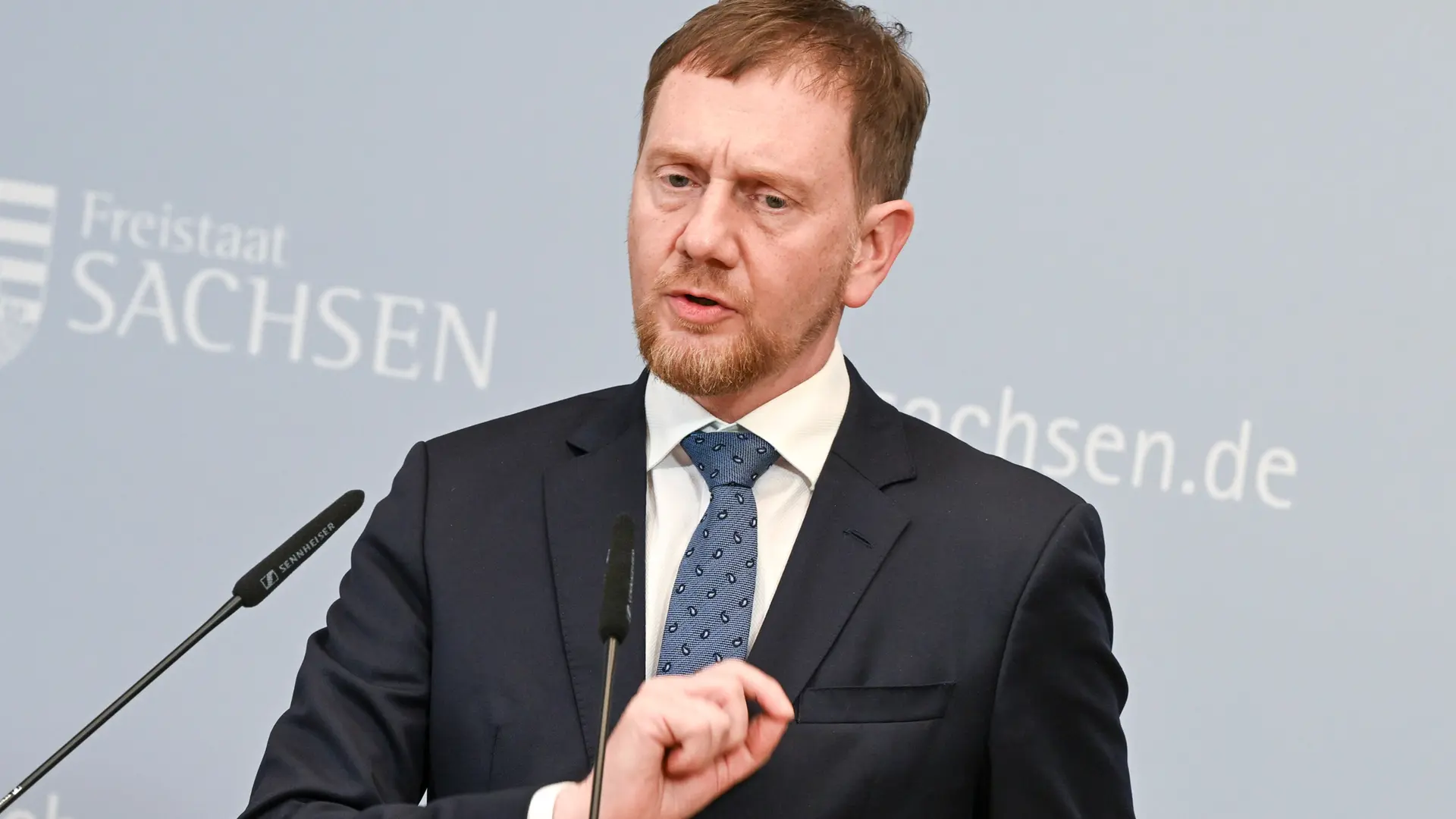
Minister-President Michael Kretschmer has argued that the status quo is untenable. His vision for a new “Auto Union” is not merely a nostalgic nod to the region’s rich automotive heritage, but a proposed structural evolution. Kretschmer envisions a specialized entity that would take over the Zwickau facility, operating with greater autonomy to foster innovation, implement flexible pay models, and streamline production costs to remain competitive in an increasingly crowded global market.
The term "Auto Union," while historically resonant—referring to the 1932 merger of Audi, DKW, Horch, and Wanderer headquartered in Chemnitz—serves here as a working title for a potential public-private partnership or a specialized subsidiary designed to insulate the site from the broader, often slow-moving corporate bureaucracy of the VW Group.

Chronology of a Crisis: From EV Pioneer to Uncertain Future
To understand the urgency behind Kretschmer’s proposal, one must look at the recent history of the Zwickau site.
- 2018–2020: Zwickau was designated as the primary European hub for the production of Volkswagen’s ID. series, representing billions in investment and a total commitment to an all-electric future.
- 2023: Early signs of market cooling for electric vehicles began to impact production schedules, leading to temporary shifts in work hours and reduced capacity utilization.
- September 2024: During a high-level state parliamentary session, Minister-President Kretschmer first floated the idea of a new industrial alliance to protect the site’s future.
- October 2026: As the official timeline for current production models approaches a scheduled conclusion in 2031, the lack of a clear follow-up strategy from VW headquarters in Wolfsburg has escalated tensions.
- October 21, 2026: Kretschmer formalizes his call for the "Auto Union" model, demanding a definitive commitment from Volkswagen to ensure the plant does not become a casualty of cost-cutting measures.
Economic Implications: A Region at Risk
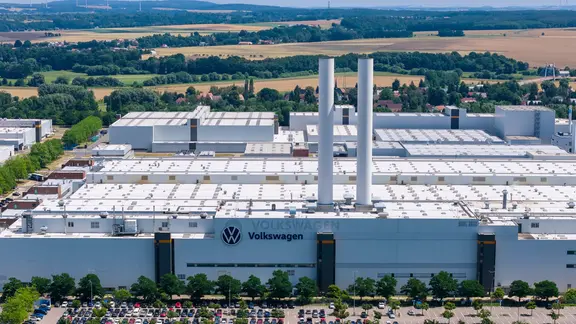
The Zwickau-Mosel plant is more than just an assembly line; it is the economic engine of Western Saxony. The 8,000 direct employees represent a significant portion of the local workforce, but the ripple effect extends much further.
The Supplier Ecosystem
The automotive supply chain in Saxony is deeply integrated. From specialized plastic injection molders to high-tech software firms and logistics providers, hundreds of SMEs (Small and Medium-sized Enterprises) depend entirely on the steady output of the Zwickau factory. A closure or a significant downsizing would not only trigger a local recession but could lead to a permanent “brain drain” as skilled engineers and technicians leave the region for more stable industrial hubs in Southern Germany or abroad.
Competitive Pressures
The primary driver of the current crisis is the dual pressure of high energy costs in Germany and the rapid rise of low-cost, high-tech competitors from China and the United States. Kretschmer argues that the Zwickau site needs to shed the "corporate baggage" of the parent group to adapt to these pressures, potentially through different wage structures or local management autonomy that would allow for more nimble reactions to market shifts.
Official Responses and The Union Stance
The response from the stakeholders involved has been markedly polarized.
Volkswagen’s Silence
As of late October 2026, Volkswagen has remained conspicuously silent on the specifics of the proposal. Industry analysts suggest this is a tactical move, as the manufacturer is likely engaged in internal negotiations regarding its global restructuring plan. For VW, the challenge is maintaining a balance between labor peace in its core German plants and the necessity of shifting production to regions where labor and energy costs are significantly lower.
The IG Metall Conflict
Perhaps the most vocal opposition to the "Auto Union" plan has come from the powerful labor union, IG Metall. Jan Otto, the district leader for Berlin-Brandenburg, has been categorical in his rejection of any plan that undermines collective bargaining.
"We acknowledge and support the efforts of the state government to advocate for the survival of the Zwickau plant," Otto stated. "However, we draw a hard line: any attempt to use the ‘Auto Union’ model as a Trojan horse to erode tariff standards or interfere with the autonomy of collective bargaining is unacceptable."
The union fears that by creating a separate entity, the workforce could be stripped of the protections afforded by national industrial agreements, effectively creating a two-tier labor system within the German automotive sector.
Innovation and the Path Forward
Despite the controversy, there is a consensus that the current model requires modernization. The "Auto Union" proposal brings several critical topics to the table that policymakers and corporate leaders must eventually address:

- Vertical Integration: By creating a more integrated, local supply chain, the Zwickau plant could reduce its reliance on global shipping, thereby cutting costs and improving carbon efficiency.
- Specialized Production: The proposal suggests moving away from high-volume, mass-market vehicles toward specialized, high-margin, or niche electric platforms that could be produced more efficiently in smaller, agile batches.
- Regional Synergy: Leveraging the existing research institutions in Dresden and Chemnitz could turn the Zwickau plant into a "living lab" for battery technology and automated assembly, potentially attracting EU innovation grants.
Implications for the Future of German Industry
The struggle for Zwickau is a microcosm of the "German Industrial Dilemma." Can a high-wage, high-energy-cost nation compete in a world that is shifting toward decentralized, automated, and hyper-efficient manufacturing?
If Kretschmer’s plan is ignored, the state of Saxony risks seeing its most prominent industrial asset wither away, leaving a void that would take decades to fill. Conversely, if the model of a regional, autonomous "Auto Union" is pursued, it could set a dangerous precedent for the dilution of national labor standards.
The next six months will be decisive. As the 2031 deadline approaches, all eyes are on the executive board in Wolfsburg. Will they embrace a radical experiment to save a legacy site, or will they pursue a path of consolidation that prioritizes the bottom line over regional industrial stability?
The history of the original Auto Union was one of survival through consolidation during the Great Depression. Today’s iteration, however, seeks survival through division—a bold, albeit risky, strategy that may define the future of the German "Mittelstand" and the automotive sector at large.
Key Data Summary
- Direct Jobs at Risk: ~8,000
- Indirect Jobs at Risk: Estimated 15,000–20,000 (Supply chain, logistics, retail)
- Target Date: 2031 (End of current production cycle)
- Core Tension: State-level intervention vs. corporate restructuring vs. labor union autonomy.
As the debate continues, one thing remains clear: the era of "business as usual" for Zwickau has ended. The path forward will require compromise, innovation, and perhaps, a reimagining of what it means to be a German manufacturer in the 21st century.