By Financial News Desk
Despite a projected windfall of over 4 billion euros in tax revenue for the year 2027, the German government remains firmly locked in a cycle of austerity. Federal Finance Minister Lars Klingbeil has effectively poured cold water on expectations of new spending programs, insisting that despite the positive projections, the nation’s fiscal reality leaves no room for maneuver. This development comes as the German state approaches a historic milestone: for the first time, total tax revenues across all levels of government—federal, state, and local—are expected to breach the one-trillion-euro threshold.
The Fiscal Snapshot: Data and Projections
The latest report from the Working Group on Tax Estimation, released this Thursday, offers a glimmer of hope in an otherwise stagnant economic climate. For 2027, the forecast anticipates an additional 4.1 billion euros flowing into the federal coffers compared to previous estimates. When considering the collective intake of the federal government, the sixteen states (Länder), and local municipalities, the total projected increase stands at 10.9 billion euros over the estimates provided in the spring.
However, a closer look at the data reveals a more nuanced and less celebratory reality. While 2027 looks promising, the immediate future remains tight. For the current fiscal year, the federal government faces a shortfall of 3 billion euros compared to the projections made in May. Meanwhile, the states and municipalities are expected to see only marginal gains—100 million euros and 800 million euros respectively for 2026—hardly enough to spark a radical shift in fiscal policy.
Chronology of the Dispute
The tension between the central government and state-level leaders has been simmering for months, but the release of the tax estimate has brought these differences to a boiling point.
- Spring 2024: Initial tax estimates were released, providing a baseline for federal budget planning.
- Summer 2024: Economic headwinds, including international instability and high energy costs, led to increased calls from state premiers for the federal government to provide relief, particularly through the reduction of electricity taxes.
- Thursday Morning: The Working Group on Tax Estimation released updated figures.
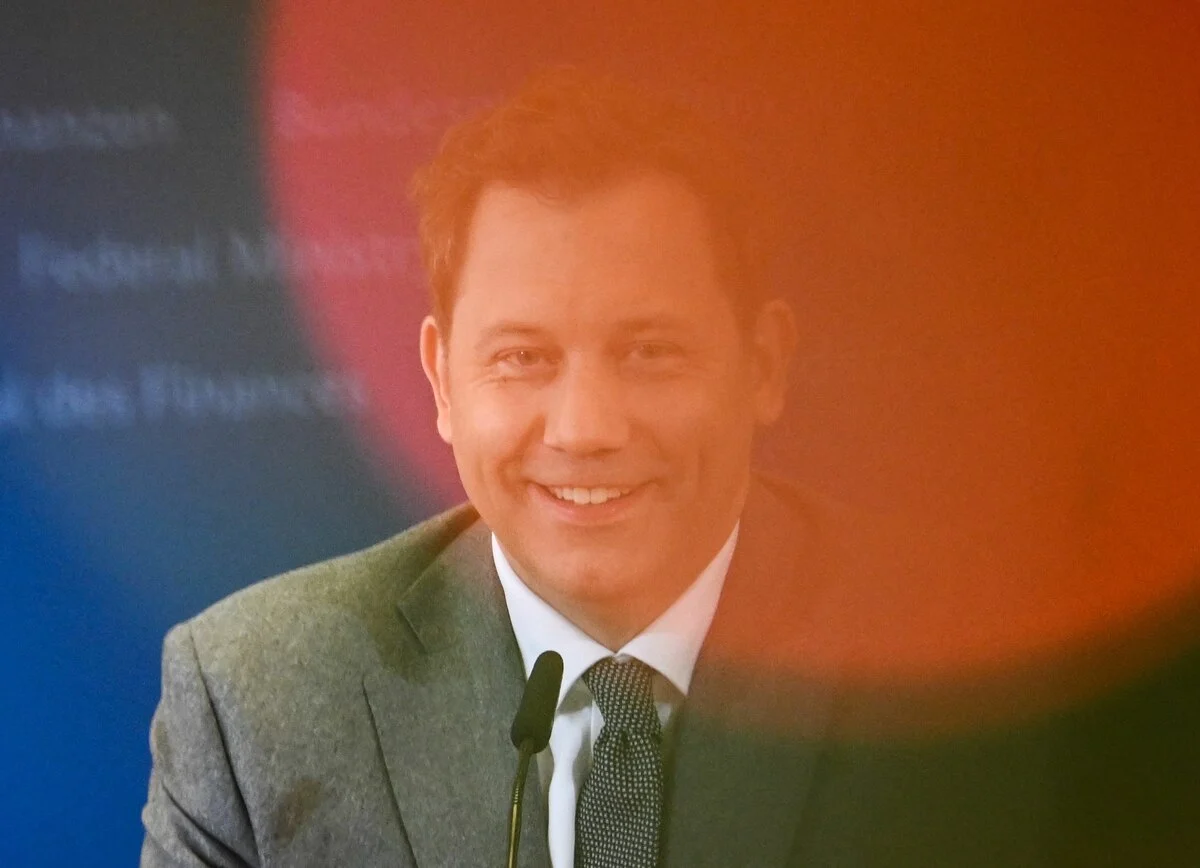
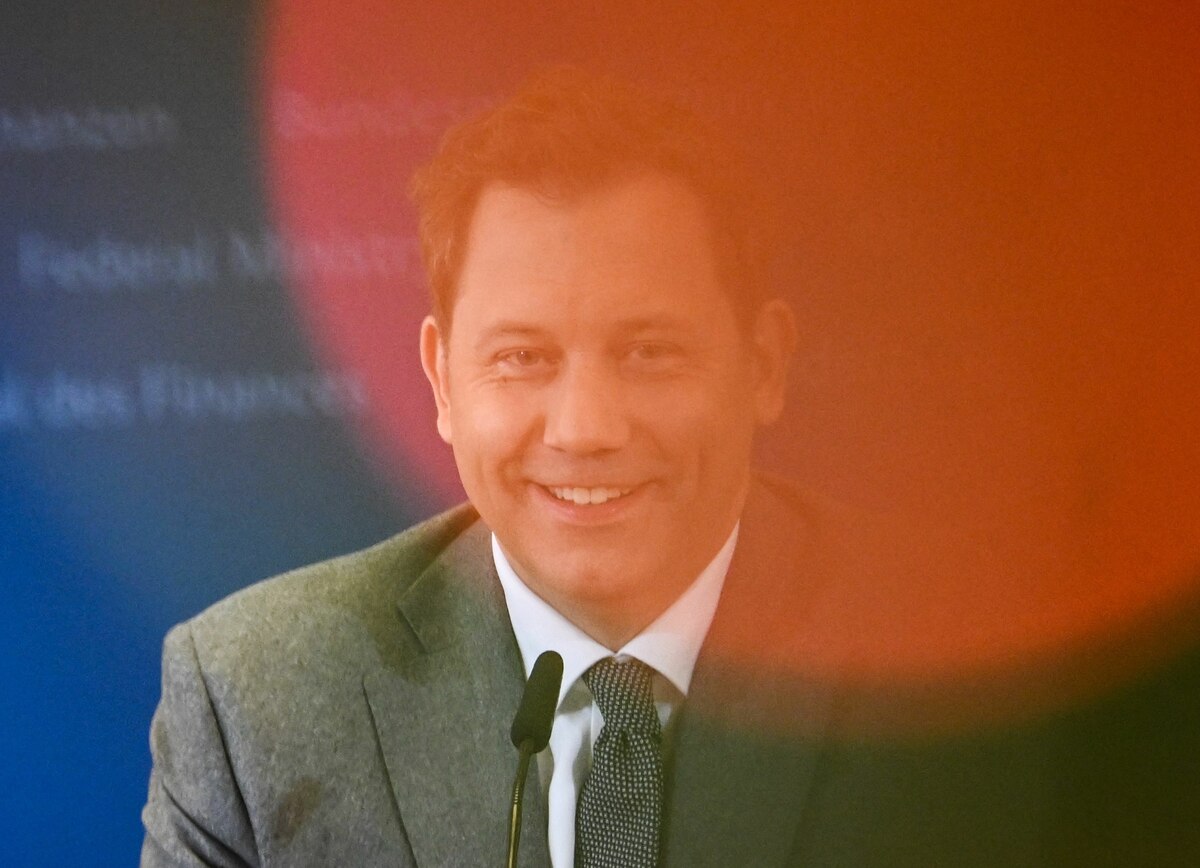
- Thursday Afternoon: Federal Finance Minister Lars Klingbeil held a press conference emphasizing a "robust" but "constrained" fiscal position, rejecting calls for new spending.
- Thursday Evening: The Minister-President of Mecklenburg-Vorpommern, Manuela Schwesig, publicly challenged the Finance Minister, reiterating the demand for immediate energy relief.
The Stance of the Federal Government
Lars Klingbeil’s messaging has been consistent: the state must prioritize consolidation. During his briefing, he framed the current economic state as one of "resilience in the face of international crises."
"We have responded to these crises, and we stand on solid ground," Klingbeil stated. However, he was quick to temper expectations. "For 2027, we are not gaining new room for maneuver, but we also do not need to close any new gaps." His rhetoric signals a commitment to the so-called "debt brake" and a broader strategy of fiscal tightening.
Klingbeil’s approach to potential stimulus measures, such as the widely discussed reduction of the electricity tax, has been strictly conditional. He argues that any proposal to cut taxes must come with a concrete, pre-calculated financing plan. "I am open to suggestions, but I have yet to hear a viable funding proposal," he remarked, dismissing the idea that the federal government could simply conjure up funds without impacting other essential areas of the budget.

The Rebellion of the States
The Minister-President of Mecklenburg-Vorpommern, Manuela Schwesig, has emerged as the leading voice for those challenging the federal government’s austerity. Following a meeting of the Conference of Minister-Presidents (MPK), Schwesig made it clear that the states view the federal government’s position as unnecessarily rigid.
"The expectation of the states is that this point—the reduction of electricity taxes—will be implemented as quickly as possible," Schwesig stated. She reminded the public that such measures were originally part of the agreement reached during the formation of the current coalition government.
This sentiment is echoed across the political spectrum. The MPK, currently chaired by the Rhineland-Palatinate CDU Minister-President Gordon Schnieder, has formally requested that the coalition government act immediately. "We are of the firm opinion that the federal government has the necessary fiscal space," Schnieder argued, directly contradicting the assessment provided by the Federal Ministry of Finance.
Economic Implications: Beyond the Tax Figures
The standoff is not merely a political disagreement; it reflects a deeper debate about the future of the German economic model. As global energy prices remain volatile and the industrial sector faces significant pressures, the question of whether the state should intervene through tax relief or prioritize long-term debt reduction has become the central fault line in German politics.

1. The Energy Price Dilemma
Energy-intensive industries in Germany have long argued that high electricity prices are driving production out of the country. Proponents of a tax cut argue that this is a strategic investment that will pay for itself through economic growth. The Finance Ministry, however, views this as a high-risk subsidy that could jeopardize fiscal stability.
2. The Burden of "Debt Consolidation"
The government’s insistence on "continuing to consolidate" the budget is a response to both domestic fiscal rules and the broader goal of maintaining investor confidence. However, critics argue that excessive austerity at a time of low growth risks damaging the very infrastructure and social programs that support long-term productivity.
3. Infrastructure and Social Spending
With tax revenues approaching one trillion euros, there is intense public pressure to address chronic underinvestment in transport, digitalization, and education. When the Finance Minister says there is "no new room for maneuver," he is implicitly saying that these areas will continue to face funding constraints, which could have long-term consequences for Germany’s competitiveness.
Conclusion: A Winter of Discontent?
As the federal government prepares its budget for the coming years, the divide between the fiscal realists in the Finance Ministry and the growth-oriented voices in the state governments is unlikely to close.

The 4.1 billion euro "bonus" projected for 2027 may look like a large sum on paper, but in the context of a national budget exceeding a trillion euros, it is essentially a rounding error. Minister Klingbeil is betting that maintaining a strict fiscal course will protect Germany from future shocks. Conversely, leaders like Manuela Schwesig believe that by failing to invest now, the government is missing an opportunity to stabilize the economy and fulfill its promises to both industry and citizens.
For now, the German state remains in a precarious position: financially stable enough to avoid collapse, but politically and economically locked in a defensive posture that leaves little room for the bold action many believe is necessary to navigate the complexities of the 21st-century global economy. As the debate continues, the "one-trillion-euro" milestone serves as a stark reminder of the massive scale of the German economy—and the immense challenge of managing it effectively in uncertain times.