

By Anja Krüger, Parliamentary Correspondent
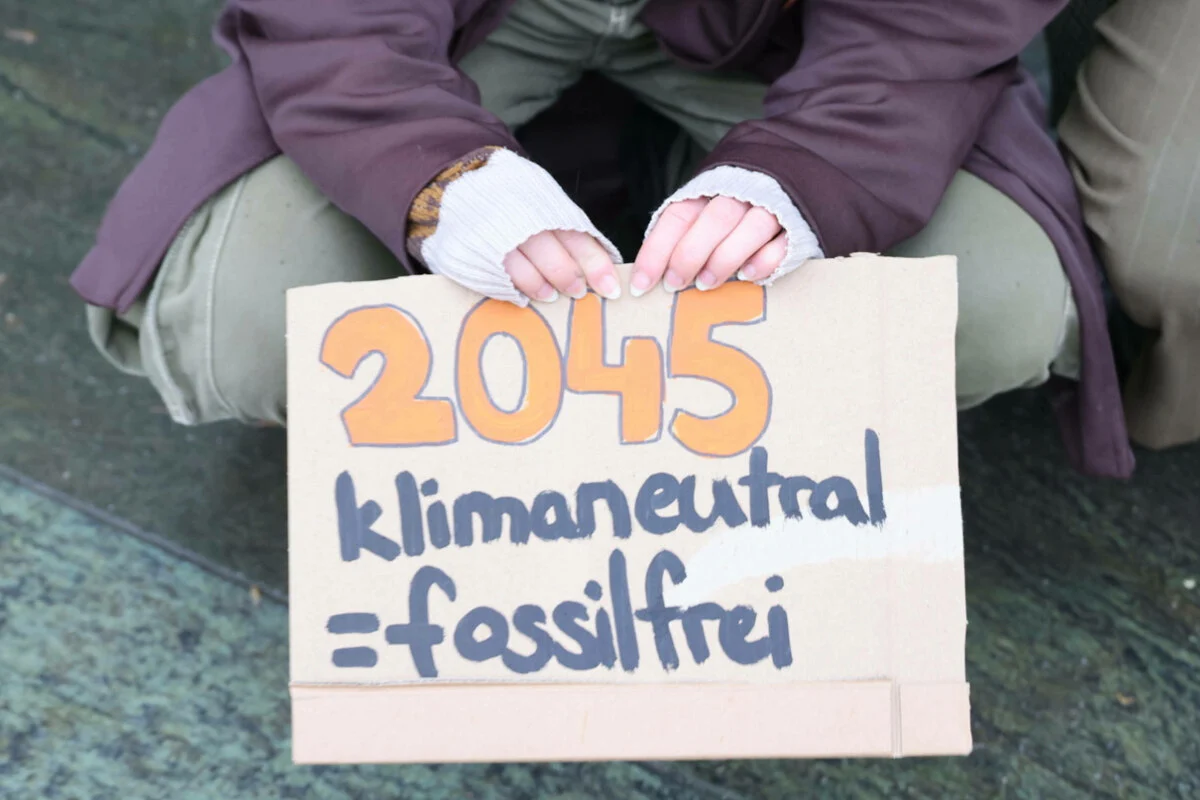
The German federal government has initiated what climate activists and energy experts are calling a "reckless rollback" of the country’s energy transition. In a move that has sent shockwaves through the environmental policy community, the Cabinet officially approved new legislative drafts regarding building heating regulations and a strategic expansion of gas-fired power plants. Should these policies, championed by Federal Minister for Economic Affairs Katherina Reiche, be implemented in their current form, Germany’s pledge to achieve climate neutrality by 2045 faces a systemic and potentially irreversible threat.
The Core Conflict: Climate Targets vs. Short-Term Convenience
The fundamental conflict at the heart of the current debate lies in the divergence between long-term ecological necessity and short-term political expediency. To meet the goal of climate neutrality by 2045, the German building sector must undergo a radical decarbonization process. This requires the systematic replacement of gas and oil heating systems with sustainable alternatives like heat pumps, district heating, and geothermal solutions.
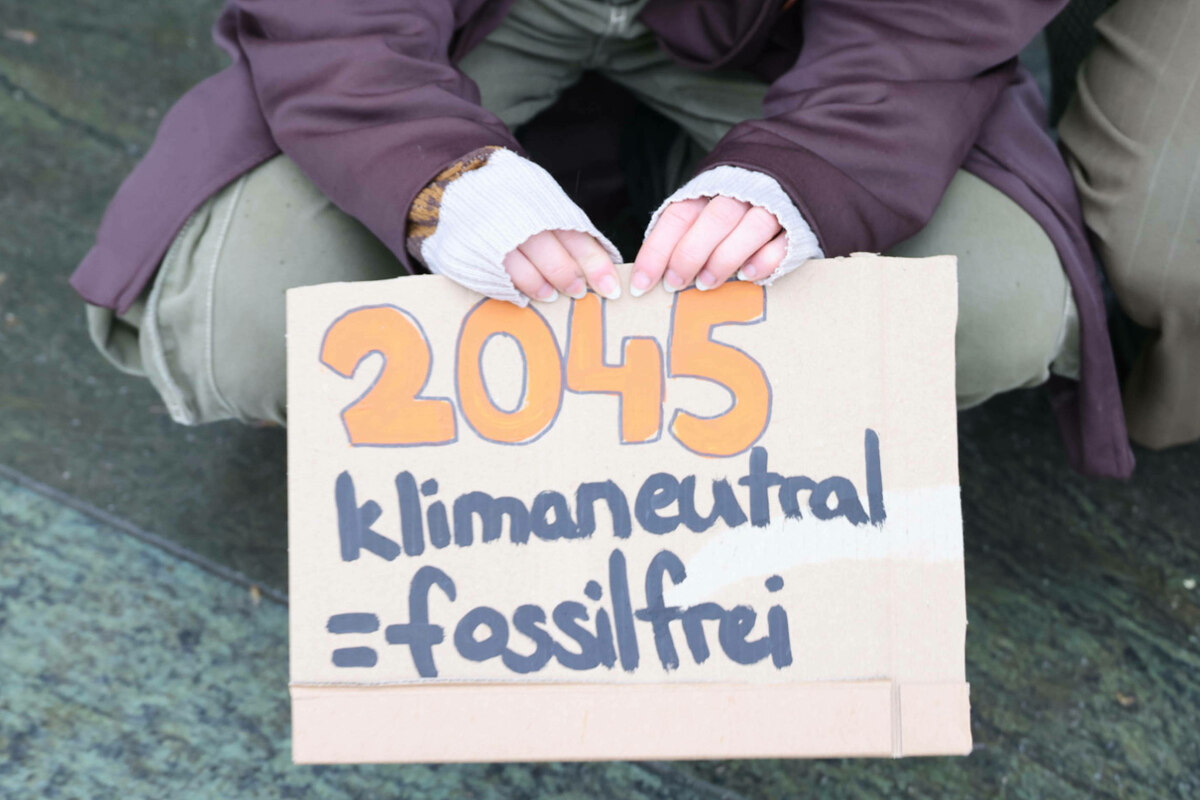
However, the new legislative framework proposed by Minister Reiche effectively dismantles the previous "phase-out" timeline. Under the new rules, fossil-fuel-based heating systems can continue to be installed and operated indefinitely. The government’s justification—that this provides "planning security" for homeowners—is viewed by critics as a direct betrayal of the energy transition.
By allowing the continued proliferation of fossil-fuel heating, the government is locking German households into a high-carbon infrastructure that will become increasingly expensive as carbon pricing mechanisms, such as the EU Emissions Trading System (ETS), continue to rise.
Chronology of a Policy Reversal
The shift in energy policy did not happen overnight, but rather through a systematic dismantling of the previous government’s consensus.

- Pre-2024: The previous "Traffic Light" coalition had established strict trajectories for phasing out fossil-fuel heating, aiming for a rapid transition to renewable energy sources.
- Early 2024: As the new coalition government took shape, the rhetoric regarding the "burden" of climate regulations began to shift, with economic policymakers expressing concerns over industrial competitiveness and consumer costs.
- Mid-2024: The Ministry for Economic Affairs began signaling a retreat from the stricter phase-out dates, arguing that the market was not ready and that social friction was too high.
- Wednesday’s Cabinet Session: The government officially signed off on the new legislative drafts, formalizing the rollback and setting the stage for a contentious legislative battle in the Bundestag.
Supporting Data: The Hidden Costs of Fossil Gas
The government’s decision to double down on gas-fired power plants is perhaps the most contentious element of its new strategy. While the administration frames these plants as "bridge technologies" necessary to ensure energy security, independent energy analysts argue that the investment is economically and environmentally flawed.
1. The Cost of Stranded Assets
By investing heavily in new gas infrastructure, Germany risks creating "stranded assets"—infrastructure that becomes economically unviable long before the end of its technical lifespan as carbon costs rise and renewable energy becomes cheaper.
2. The Fallacy of "Green" Gas
The government’s reliance on bio-fuel blending and the promise of future hydrogen conversions for these plants is viewed with deep skepticism. Experts note that sustainable bio-energy is in extremely short supply and is required for sectors that are harder to electrify than residential heating. Relying on these sources to justify the continued use of gas is, according to many environmental scientists, an act of "greenwashing."

3. Neglecting Grid Flexibility
The strategy prioritizes centralized gas plants over decentralized solutions. Modern energy systems, which rely heavily on volatile renewable sources like wind and solar, require high levels of flexibility. Batteries, demand-side management, and smart grids are significantly more efficient ways to balance the grid than burning fossil gas, yet these technologies remain marginalized in the government’s current strategy.
The Political Divide: Silence and Complicity
The role of the Social Democrats (SPD) within this coalition has been particularly scrutinized. While the SPD has historically positioned itself as a champion of the green transition, the current silence—or active support—from figures like Minister for the Environment Carsten Schneider is described by observers as "disturbing."
There is a growing sense that the government is ignoring "better knowledge." When experts and consumer advocates warn that the current policy will lead to higher energy costs for citizens in the long run, the government responds with vague promises of "evaluation" in 2030. Critics argue that this is a tactical delay: if the policy fails, the resulting climate damage will be irreversible, and the economic burden will have already been shifted to the taxpayers.

Official Responses and Justifications
The Ministry for Economic Affairs maintains that its approach is "pragmatic" and "socially responsible." Katherina Reiche has consistently argued that the transition must not be forced upon citizens at a pace that creates social instability.
"We need a secure energy supply that keeps our industry competitive," a spokesperson for the Ministry stated following the Cabinet meeting. "The transition to a climate-neutral economy cannot be achieved through mandates that ignore the realities of the housing market."
However, this pragmatic framing is contested. Environmental groups argue that "pragmatism" that leads to catastrophic climate change is, in fact, the height of irresponsibility. By failing to provide a clear exit strategy for fossil fuels, the government is failing to incentivize the private sector to invest in the very technologies—like heat pumps—that would make the transition cheaper and more efficient for consumers in the long run.

Broader Implications for Germany and the EU
The implications of this rollback extend far beyond Germany’s borders. As the largest economy in the European Union, Germany’s energy policy sets the tone for the entire bloc. If the EU’s leading nation slows its transition, it creates a dangerous precedent that could be exploited by other member states looking to backtrack on their climate commitments.
Impact on International Credibility
Germany has long held itself up as a global leader in the "Energiewende" (energy transition). A retreat now undermines the credibility of the EU’s Green Deal and could weaken the European negotiating position in future international climate summits.
The Legislative Path Forward
While the Cabinet has approved the drafts, the bills still face scrutiny in the Bundestag. There remains a slim hope among climate advocates that members of the governing parties, particularly those from the more environmentally conscious wings of the SPD, may push for amendments. Whether these "courageous members of parliament," as described by some activists, will actually stand up against the government’s course remains to be seen.

Conclusion: A Turning Point for Democracy and Climate
The current situation is not just a disagreement over energy policy; it is a fundamental test of the government’s commitment to scientific consensus and future generations. The transition to a fossil-free economy is undoubtedly complex and poses real economic challenges. However, the government’s choice to prioritize the status quo over the necessary transformation is a decision that will carry long-term consequences.
As the debate moves to the legislative floor, the public will be watching. The question is no longer just about heating systems or gas plants; it is about whether Germany has the political will to lead in the 21st century, or if it will choose to remain shackled to the fossil-fuel past, leaving the bill—both economic and environmental—to those who come next.
The decision to move forward with these laws is, in the eyes of many, a profound dereliction of duty. If Germany, with all its technological and economic resources, cannot navigate this transition, it raises the grim question of who can. For now, the energy policy in Berlin is moving backward, while the climate crisis continues to move forward.




















Leave a Reply