

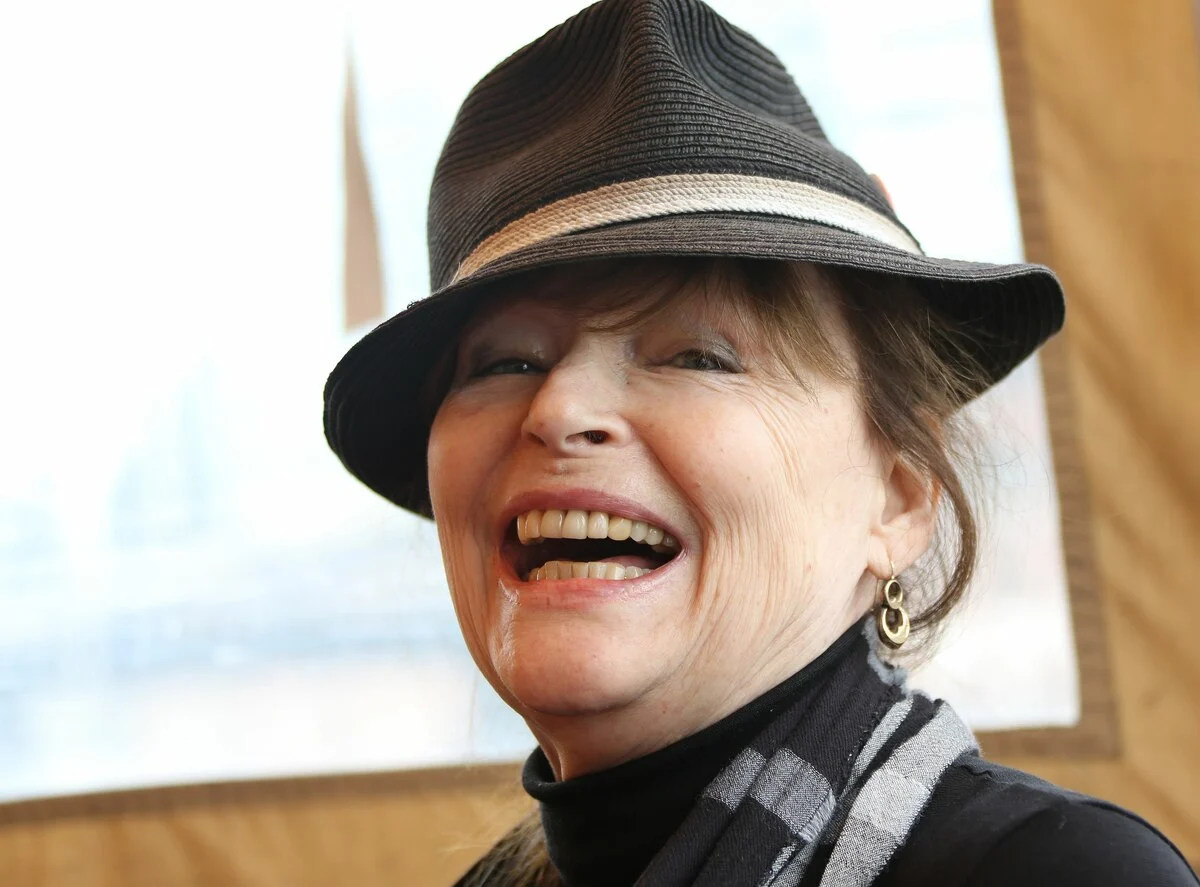
The German cultural landscape is mourning the loss of one of its most formidable artistic figures. Angelica Domröse, a titan of both East German cinema and the unified German theater stage, passed away in Berlin on Friday at the age of 85. Her death, confirmed by the DEFA Foundation, marks the end of an era for a generation that viewed her not merely as an actress, but as a symbol of the struggle for personal autonomy within the constraints of the twentieth century.
While she is internationally synonymous with the iconic 1973 DEFA production The Legend of Paul and Paula (Die Legende von Paul und Paula), her career was defined by a restless, defiant intellect that transcended the boundaries of any single role or political regime.
The Icon of a Generation: Beyond "Paula"
To understand the cultural impact of Angelica Domröse, one must look to the East German zeitgeist of the early 1970s. Directed by Heiner Carow, The Legend of Paul and Paula became a runaway success, a poetic and bittersweet exploration of love in a society obsessed with order and conformity. Domröse played the titular Paula, a single mother of two navigating the complexities of romance with a married state official.
The film was more than a romance; it was a quiet, powerful act of rebellion. Paula, as portrayed by Domröse, was vibrant, unyielding, and deeply human—a stark contrast to the rigid, sanitized expectations of the Socialist state. For millions of viewers, the film articulated a longing for emotional authenticity that the state-sponsored narrative often suppressed. Domröse’s performance imbued the character with a raw, almost visceral vulnerability that made the film an enduring masterpiece of DEFA cinema.
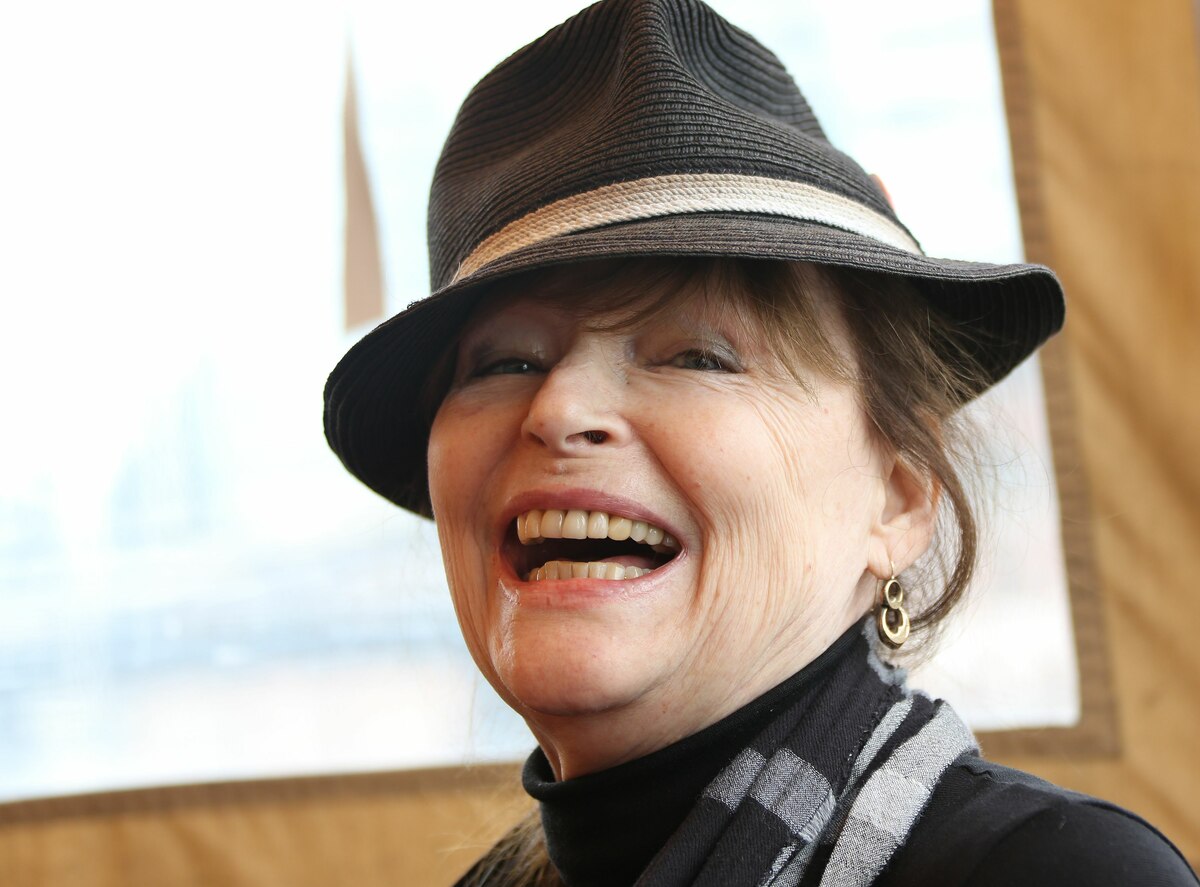
However, reducing her career to this single performance would be a disservice to her range. Before and after her rise to screen stardom, she was a fixture of the theater, a medium she often described as her true artistic home. Whether playing complex roles in classical dramas or contemporary pieces, she commanded the stage with an intensity that made her one of the most sought-after performers in the German-speaking world.
A Life in Chronology: From Berlin to Exile
Angelica Domröse’s life was inextricably linked to the seismic shifts of German history. Born in Berlin in 1941, she matured as an artist during the height of the Cold War.
- Early Success: Emerging as a major talent in the 1960s, she quickly rose through the ranks of the East German acting elite, becoming a darling of the state-run film industry.
- The 1976 Watershed: Her life underwent a radical transformation in 1976 when she added her signature to the petition protesting the expatriation of the singer-songwriter Wolf Biermann. This act of public dissent brought her into direct conflict with the SED regime.
- The Price of Conviction: Following her protest, the state began a systematic campaign to marginalize her. Roles were curtailed, and her creative freedom was stifled. Recognizing that her professional and personal life in the GDR had become untenable, she and her husband, the esteemed actor Hilmar Thate, made the difficult decision to leave the East in 1980.
- Rebirth in the West: Unlike many who struggled to transition after leaving the East, Domröse thrived. She successfully navigated the Western television landscape, most notably as Commissioner Vera Bilewski in the long-running crime series Polizeiruf 110.
- Directorial Aspirations: In the 1990s, following German reunification, she pivoted toward directing, finding a new voice behind the camera and helping shape the next generation of theatrical productions. Her husband, Hilmar Thate, remained a constant companion in her life until his passing in 2016.
Artistic Versatility and Professional Legacy
Domröse was not merely an actress who "happened" to do television; she was a craftsman of the highest order. Her work in Polizeiruf 110 demonstrated an ability to anchor a procedural drama with the same gravitas she brought to stage tragedy.
Beyond her acting and directing, she was a pioneer for women in the industry. During a time when roles for women in both the East and West were often pigeonholed, Domröse consistently demanded roles that were "unmistakable character studies." She possessed a rare ability to mirror the internal contradictions of her characters—their strength and their fragility—with a precision that audiences found deeply moving.

Official Responses: A Nation Remembers
The death of an artist of Domröse’s stature has drawn reflections from the highest levels of the German government, highlighting her role as a bridge between the divided past and the unified present.
Federal President Frank-Walter Steinmeier paid tribute to her as "one of the defining actresses of our country." In his official statement, he noted, "Her work mirrors the younger German history. We have lost a great actress, but with her films, she will always remain a part of us."
Wolfram Weimer, the Minister of State for Culture, emphasized the ideological weight of her performances. "As Paula, she taught us that love and freedom do not tolerate compromises," he stated. He praised her as an "unmistakable character study" whose work on stage and screen remained a vital part of the German cultural fabric.
Brandenburg’s Minister-President, Dietmar Woidke, spoke to the emotional connection the public felt toward her. "For decades, she moved generations of viewers. Her roles were characterized by an uncanny authenticity and artistic power that reflected the feelings of many people."

The Implications: Why Her Legacy Matters
The passing of Angelica Domröse serves as a poignant reminder of the power of the artist as a moral compass. Her career trajectory—from the darling of East German cinema to a dissident who sacrificed her status for her principles—is a blueprint for the role of the intellectual in a controlled society.
In an era where "authenticity" is often a manufactured marketing term, Domröse’s life stands as a testament to the real thing. She lived through the collapse of one political system and the adaptation to another, never losing her commitment to her craft or her integrity.
Her legacy also highlights the ongoing importance of the DEFA archives. As institutions continue to digitize and exhibit these films, the work of actors like Domröse remains a vital link for younger generations trying to understand the lived reality of the twentieth century. She was not just a relic of the "DDR-film" era; she was a modern, forward-thinking artist who continued to evolve until her final years.
Conclusion: An Enduring Presence
Angelica Domröse once said that acting was about finding the "truth of the human condition." Throughout her long and illustrious career, she pursued that truth across borders, political systems, and mediums. She leaves behind a body of work that is as much a historical document as it is a collection of artistic triumphs.

As the German public and the global film community reflect on her passing, the consensus is clear: while the curtain has fallen on her final act, the "Legend" of her talent and her courage remains. She was, and will continue to be, an essential part of the German identity—a woman who taught us that true artistry, like love and freedom, is something that never truly compromises.
In her own words, she often suggested that her life was simply a series of "necessary transitions." Today, she completes her final transition, leaving us with a wealth of performances that ensure she will, indeed, remain a part of us forever.


















Leave a Reply