

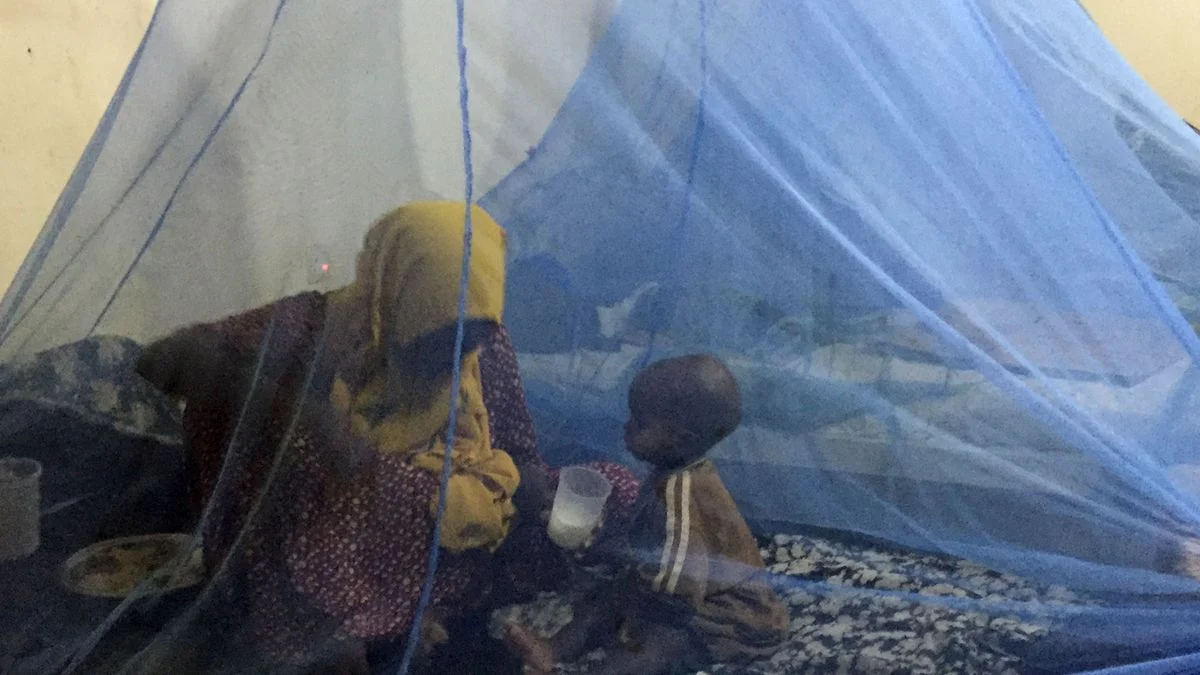
In a landmark development for global health, the World Health Organization (WHO) has announced the prequalification of the first-ever malaria treatment specifically formulated for newborns and infants weighing less than five kilograms. This medical advancement, announced in Geneva just ahead of World Malaria Day on April 25, represents a critical shift in the fight against a disease that continues to claim hundreds of thousands of lives annually, with the youngest members of society bearing the heaviest burden.
The newly approved treatment is a specialized formulation of the widely used combination therapy Artemether-Lumefantrin. Historically, infants in this weight category—often those born prematurely or with low birth weights in sub-Saharan Africa—have been treated with doses meant for older children, a practice that carries significant risks of toxicity, ineffective dosing, and adverse side effects. This new, age-appropriate formulation promises to close a dangerous gap in neonatal care.
The Magnitude of the Crisis: A Global Health Burden
To understand the significance of this development, one must consider the staggering statistics that define the current malaria landscape. According to the latest data provided by the WHO, there were approximately 265 million cases of malaria in 2024 alone, resulting in 579,000 deaths.
The geographical distribution of the disease remains alarmingly concentrated. Africa accounts for approximately 95 percent of all malaria cases and 95 percent of global malaria-related deaths. Among these fatalities, children under the age of five are the most vulnerable, representing a harrowing 75 percent of all deaths. For parents and healthcare providers in high-transmission regions, a malaria diagnosis for a newborn has long been a terrifying prospect, often complicated by the lack of drugs explicitly tested and approved for such small, delicate patients.
Chronology of a Medical Breakthrough
The path to this approval has been years in the making, involving rigorous clinical research and a coordinated effort between international health agencies, pharmaceutical developers, and local medical practitioners.
- Pre-2020: The medical community long identified a significant "dose gap" for neonates. Because clinical trials often exclude the youngest and smallest infants due to ethical and physiological concerns, standard treatment guidelines were forced to rely on extrapolated data from older children.
- 2021–2023: Accelerated research efforts focused on developing a dispersible tablet formulation that could be accurately dosed for infants weighing under five kilograms. This involved pharmacokinetic studies to ensure the drug was safe for immature liver and kidney functions in newborns.
- Early 2024: Final efficacy and safety trials were concluded, showing that the specific formulation of Artemether-Lumefantrin effectively cleared parasites in infants without the significant side-effect profiles associated with standard "off-label" dosing.
- April 24, 2026: The WHO officially grants prequalification to the treatment. This designation allows international procurement agencies and national governments to purchase and distribute the drug, signaling that it meets the highest international standards for quality, safety, and efficacy.
Bridging the Care Gap: The Science of the Treatment
The primary challenge in treating malaria in newborns is the physiological difference between a neonate and a toddler. Infants weighing less than five kilograms have different metabolic rates and drug-clearance pathways. The previous reliance on cutting up or dissolving tablets intended for older children was imprecise, leading to either under-dosing (which contributes to drug resistance) or over-dosing (which causes severe side effects).
The new formulation is designed to be easily administered and accurately dosed, ensuring that the therapeutic window—the balance between effectiveness and toxicity—is maintained. By providing a medication specifically calibrated for this weight range, the WHO is essentially providing clinicians with a "precision medicine" tool in environments where high-tech diagnostic equipment is often scarce.
The Multi-Layered Defense Strategy
While the new medication is a triumph, health experts emphasize that it does not stand alone. The WHO continues to stress the importance of a "multi-layered" defense strategy to combat malaria transmission at the source.
1. Vector Control: The First Line of Defense
The most effective way to prevent malaria remains the prevention of mosquito bites. The WHO continues to prioritize the distribution of insecticide-treated bed nets (ITNs) for infants and adults. These nets, when used correctly, provide a physical and chemical barrier that is vital in regions where Anopheles mosquitoes are active during the night.
2. The Rise of Vaccination
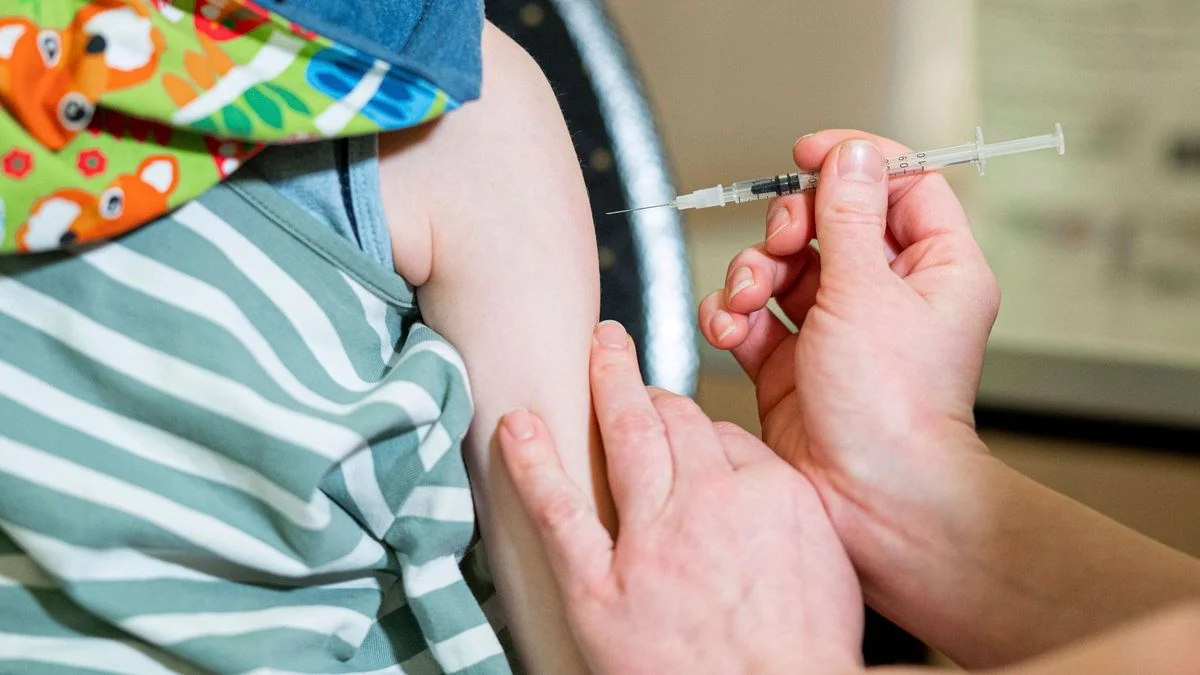
The emergence of malaria vaccines in recent years has been a turning point. These vaccines, though not 100 percent effective, provide a necessary layer of protection for the youngest populations. The combination of vaccination, vector control, and now, specialized medical treatment for infected infants, forms a comprehensive "shield" that is slowly beginning to reduce the mortality rates in the most affected areas of sub-Saharan Africa.
Implications for Public Health and Policy
The prequalification of this treatment is not merely a scientific achievement; it is a policy catalyst. By validating this medication, the WHO provides a roadmap for national health ministries in Africa to update their clinical protocols.
Implications for Clinical Practice
Doctors and nurses in rural clinics, who are often the first point of contact for sick infants, will now have a standardized, verified protocol. This reduces the cognitive burden on healthcare workers who previously had to perform complex dose calculations on the fly, often under high-pressure conditions.
Implications for Global Procurement
Prequalification is a key requirement for large-scale procurement by international organizations such as UNICEF and the Global Fund. With the WHO’s stamp of approval, the supply chain for this essential medicine can now be integrated into existing malaria-control programs, potentially reaching the 30 million babies born annually in high-transmission malaria zones.
Implications for Future Drug Development
This success sets a precedent for how to handle pharmaceutical development for neglected populations. It proves that with targeted investment and regulatory focus, it is possible to develop safe, effective, and specialized treatments for the most vulnerable demographic groups, even in resource-limited settings.
Official Responses and the Road Ahead
Global health leaders have hailed the announcement as a "victory for health equity." In statements released from Geneva, WHO representatives noted that "every child has the right to reach their fifth birthday." The focus now shifts from approval to implementation—ensuring that the drug is not just available on paper, but accessible in the remote, high-transmission areas where it is needed most.
However, challenges remain. Issues such as the rapid development of drug resistance, the stability of the supply chain in remote areas, and the need for continued funding for malaria control are at the forefront of the WHO’s agenda.
Conclusion: A New Dawn for Newborns
The fight against malaria is a long-standing war of attrition. While the disease has proven to be a resilient foe, the introduction of the first-ever neonatal-specific malaria treatment marks a significant tactical shift. It signifies that the global health community is moving beyond "one-size-fits-all" solutions and toward a future where the most vulnerable—newborns and infants—are provided with the specific medical tools they need to survive.
As the world observes World Malaria Day, this announcement serves as a poignant reminder of the progress made and the work that remains. The journey to zero malaria deaths is far from over, but for tens of thousands of families across Africa, this new treatment provides something that was previously in short supply: hope. By combining advanced medical science with robust infrastructure and persistent public health initiatives, the goal of eliminating malaria as a major killer of children is finally beginning to appear not just as an aspiration, but as a tangible reality.























Leave a Reply