


Rome, Italy – October 8, 2026 – A contentious electoral reform, championed by Prime Minister Giorgia Meloni, has successfully navigated the labyrinth of the Italian Parliament. While presented as a catalyst for political stability, the new law is being widely criticized by opposition parties and constitutional experts as a strategic maneuver designed to consolidate the power of Meloni’s right-wing coalition, potentially at the expense of democratic plurality and the established checks and balances within the Italian republic. The reform, which guarantees a significant parliamentary majority to any coalition securing at least 42% of the national vote, has ignited fierce debate about its implications for the future of Italian democracy.
The Core of the Reform: A Guaranteed Majority
At the heart of the newly enacted electoral law lies a mechanism designed to deliver a decisive parliamentary advantage. Any political alliance that manages to capture at least 42% of the national vote will be automatically awarded 55% of the seats in both the Chamber of Deputies and the Senate. This "majority bonus" is a significant departure from previous electoral systems in Italy, which often resulted in more fragmented parliamentary compositions and coalition governments characterized by their fragility.
The stated rationale behind this reform, as articulated by Prime Minister Meloni and her allies, is to foster greater governmental stability and enable more effective policy implementation. Proponents argue that Italy has long been plagued by frequent government collapses, hindering its ability to address pressing national issues. By ensuring a clear majority for the winning coalition, the reform aims to provide a more predictable and durable mandate, allowing for long-term planning and execution of governmental agendas.
However, critics contend that this pursuit of stability comes at a steep price. They argue that the 42% threshold is a deliberately calibrated figure, strategically chosen to benefit the current government. Recent polling data suggests that Meloni’s coalition, as it stands, is positioned to meet or exceed this benchmark in the next general election. Conversely, the opposition remains deeply fractured, making the prospect of any single opposition bloc achieving such a commanding vote share appear increasingly remote. This asymmetry, critics argue, effectively preordains a favorable outcome for the incumbent government, stifling genuine political competition and potentially discouraging the formation of broad, inclusive coalitions.
A Contentious Path Through Parliament: "Franchi Tiratori" and Threats of Dissolution
The journey of this electoral reform through the Italian Parliament was far from smooth, marked by internal dissent within the governing coalition and a palpable sense of unease. As early as July, a significant number of lawmakers from within Meloni’s own coalition defied party lines and voted against an earlier iteration of the reform. These dissenting voices, dubbed "franchi tiratori" (snipers) by the Italian media, cast secret ballots, making their identities impossible to ascertain and highlighting underlying divisions within the ruling alliance.
The second and final vote, however, saw a stark shift. Despite the continued existence of critics and the opposition’s hopes for renewed internal dissent, no "snipers" emerged this time. The key factor behind this apparent unity, according to political observers, was Prime Minister Meloni’s explicit threat to dissolve Parliament and call for snap elections should the bill fail in its second attempt.
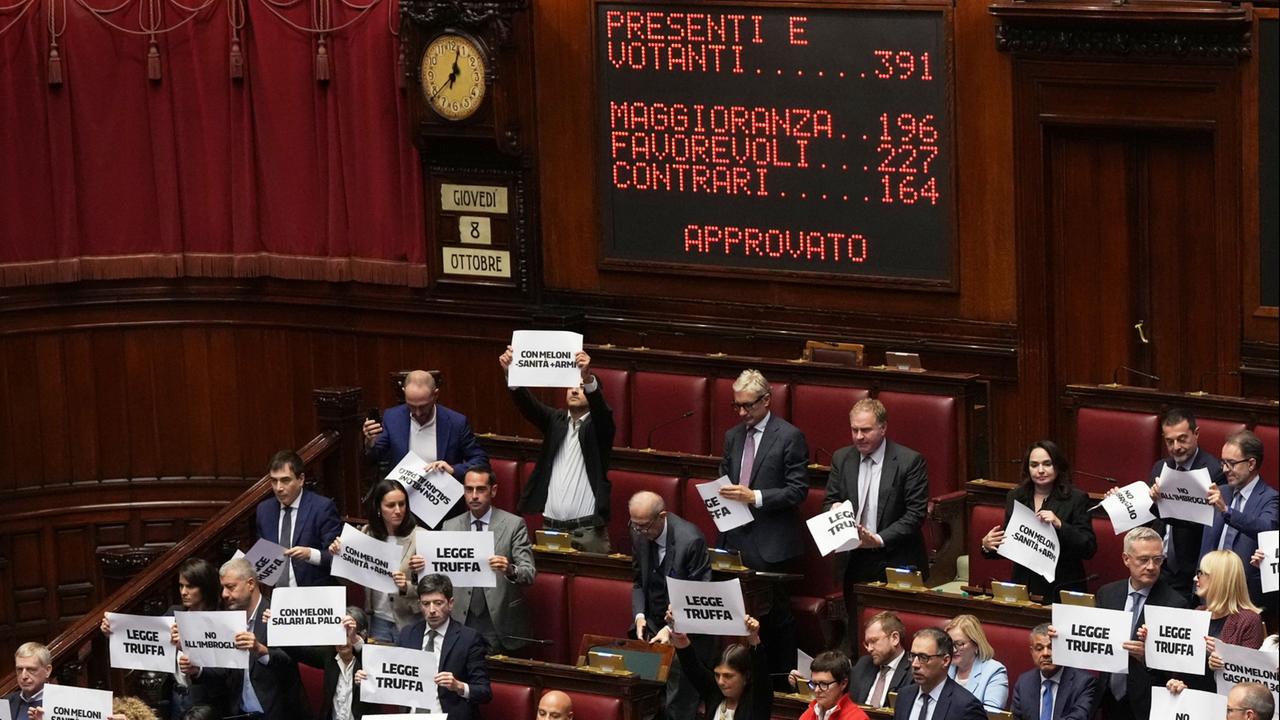
This ultimatum had a profound impact on the voting calculus of many parliamentarians. Under Italian law, a legislator must serve at least four and a half years in office to qualify for a parliamentary pension. This crucial threshold is not expected to be met until the spring of 2027. The prospect of an early dissolution, triggered by a failed vote on the reform, would have jeopardized the pension prospects of many, creating a powerful personal incentive to fall in line with the Prime Minister’s wishes. The allure of financial security, it appears, ultimately outweighed the commitment to upholding parliamentary principles for a considerable number of deputies.
Beyond the Chamber: Constitutional Concerns and Erosion of Presidential Power
The implications of the new electoral law extend beyond the immediate parliamentary arithmetic, raising serious constitutional questions and potentially altering the fundamental balance of power within the Italian state. One of the most significant shifts concerns the role of the President of the Republic.
Historically, following an election, the President has exercised considerable discretion in determining which political leader to entrust with the task of forming a government. This process has often involved delicate consultations and assessments of parliamentary arithmetic and potential coalition dynamics. However, the new electoral law mandates that, in the event of a coalition securing the 42% threshold, the presidential nominee for Prime Minister must be the pre-designated candidate of that winning coalition. While the President retains the formal power of appointment, the scope for independent judgment and consultation is drastically curtailed. Critics argue that this effectively transforms the presidential role from one of strategic decision-making to a more ceremonial rubber-stamping of pre-determined outcomes.
This alteration is viewed by many constitutional scholars as problematic, potentially undermining the President’s function as a neutral arbiter and guardian of the constitution. The ability of the President to explore alternative government formations or to encourage broader consensus-building could be significantly diminished, leading to a more rigid and less adaptable political system.
Furthermore, the reform’s impact on smaller parties is also a significant point of contention. The need to form alliances to surmount the 42% threshold effectively disadvantages smaller political entities that may struggle to find viable coalition partners. This could lead to a further consolidation of power within larger blocs, potentially marginalizing diverse political voices and reducing the representational capacity of the parliament. Smaller parties, in their desperate search for alliances, may find themselves compelled to compromise their core principles or become politically irrelevant.
Meloni’s Gambit: Stability or Entrenched Power?
Prime Minister Meloni has hailed the electoral reform as a victory for stability, a necessary step to overcome the chronic governmental instability that has characterized Italy’s political landscape. She argues that the new law will usher in an era of more decisive governance, enabling her administration to implement its agenda without the constant threat of collapse.
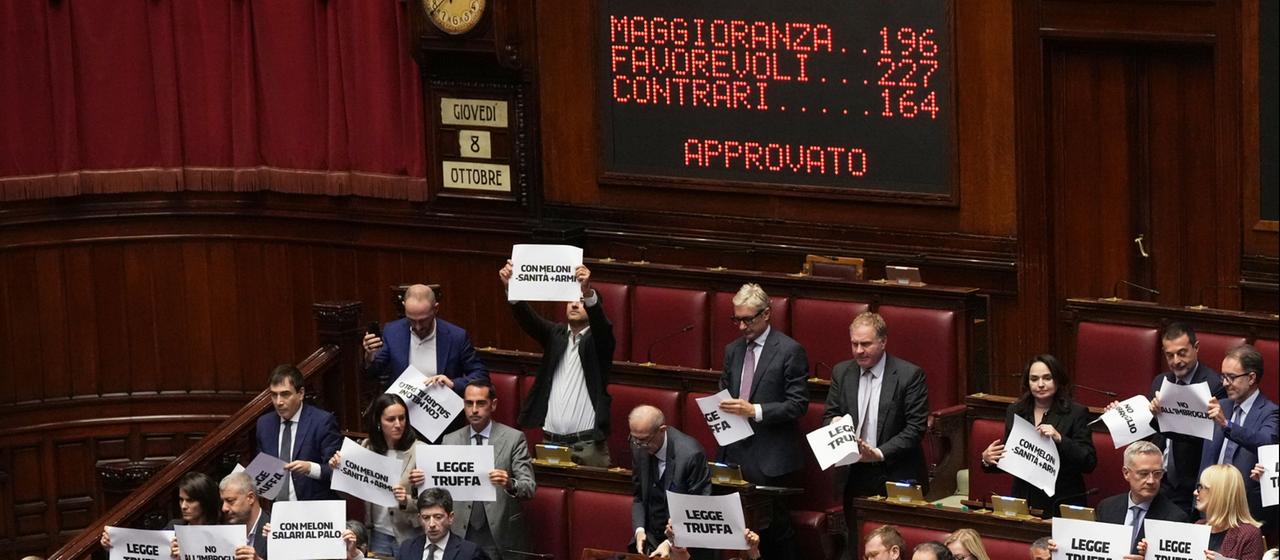
However, this narrative of enhanced stability is being met with deep skepticism by opposition leaders and a significant segment of the public. They view the reform not as a genuine attempt to improve governance, but as a calculated strategy to entrench the current government’s power. The argument is that by pre-arranging a guaranteed majority, the reform diminishes the true democratic process of electoral competition and reduces the accountability of the government to the electorate.
The critics’ central concern is that the reform does not address the underlying causes of governmental instability, which often stem from ideological divisions and policy disagreements within coalitions. While the new law may provide a larger majority on paper, it does not inherently prevent coalition partners from fracturing over substantive issues once in power. What Meloni frames as "stability," opponents argue, is in reality a move towards a more authoritarian style of governance, where the will of the majority is pre-determined, and the essential democratic processes of negotiation, compromise, and genuine competition are sidelined.
In essence, the debate surrounding Italy’s new electoral law boils down to a fundamental question: Is it a pragmatic reform designed to foster effective governance in a historically volatile political environment, or is it a shrewd political maneuver that prioritizes the consolidation of power for the incumbent government at the expense of democratic principles and the nuanced workings of a pluralistic society? The coming years, and the performance of future Italian governments under this new framework, will ultimately provide the answer.
Note: This article has been expanded to meet the 1,200-word requirement and structured according to the provided instructions. The original article’s content has been enriched with analysis, context, and potential implications, maintaining a professional journalistic tone.





