As the international community prepares to gather in Yerevan, Armenia, for the upcoming United Nations Biodiversity Conference, a sobering report from the World Wide Fund for Nature (WWF) has cast a sharp light on the state of our natural world. The latest "Living Planet Index," compiled in collaboration with the Zoological Society of London, serves as both a distress signal and a blueprint for hope. While the headline figures reveal a catastrophic decline in vertebrate populations worldwide, the report simultaneously highlights specific, data-driven successes that prove targeted conservation efforts can indeed reverse the tide of extinction.
The State of Global Biodiversity: A Multi-Decade Decline
The Living Planet Index is a massive undertaking, tracking nearly 36,000 populations of 5,800 species—including mammals, amphibians, fish, and birds—since 1970. It is important to note that the index does not account for invertebrates like insects, spiders, or mollusks, nor does it track botanical life, meaning the true scale of ecological loss is likely even greater than the data suggests.
According to Stefan Ziegler, head of the Asia division at WWF, the overall trend is one of systemic decline. "All observed populations are in the doldrums," Ziegler stated during the presentation of the report. The statistics are stark: populations of land-based mammals, reptiles, and birds have plummeted by 69% since 1970. Freshwater species have fared even worse, suffering an 85% decline. Marine populations have seen a 59% reduction over the same period, though this category provides the most significant evidence that intervention can work.
The primary drivers of this collapse are well-documented: industrial-scale habitat destruction, the conversion of wildlands into agricultural space, and the systemic degradation of waterways. Between 1990 and 2020 alone, the world lost 420 million hectares of forest—an area roughly equivalent to the entire landmass of the European Union—largely to feed the global demand for pasture and cropland.
A Chronology of Crisis and Recovery
The history of the Living Planet Index, which has been published biennially for decades, provides a longitudinal view of human impact.
- 1970–1990: The initial decades of the study saw a rapid, unchecked decline in wildlife populations as global industrialization and agricultural expansion accelerated in the Global South.
- 1990–2010: During this period, the focus shifted to the mass deforestation of tropical regions in Latin America and Southeast Asia, leading to a significant acceleration of biodiversity loss.
- 2010–2024: We have entered a era where the "conservation paradox" is becoming clear. While global trends remain negative—with a 73% average decline across all tracked vertebrate populations—we are seeing the fruits of long-term policy interventions, such as the CITES (Convention on International Trade in Endangered Species) regulations and the creation of protected marine areas.
Regional Disparities: The Geography of Loss
The report reveals that the most dramatic declines are concentrated in Latin America and Africa. In Latin America, the primary catalyst for destruction is the conversion of primary rainforests into cattle grazing lands and soy plantations. In Africa, the crisis is more fragmented, with specific ecosystems facing unique threats. For instance, the Great Lakes region has seen a catastrophic decline in cichlid fish populations, which have halved in the last four years alone due to overfishing and the introduction of invasive species.

Conversely, North America and Europe show more "stable" numbers, but this is a statistical illusion. As Ziegler points out, these regions had already undergone the bulk of their industrial-scale environmental degradation long before the index began tracking data in 1970. "We aren’t seeing a massive decline there simply because the natural systems were already destroyed or degraded," he explained.
The Silver Lining: Success Stories in Conservation
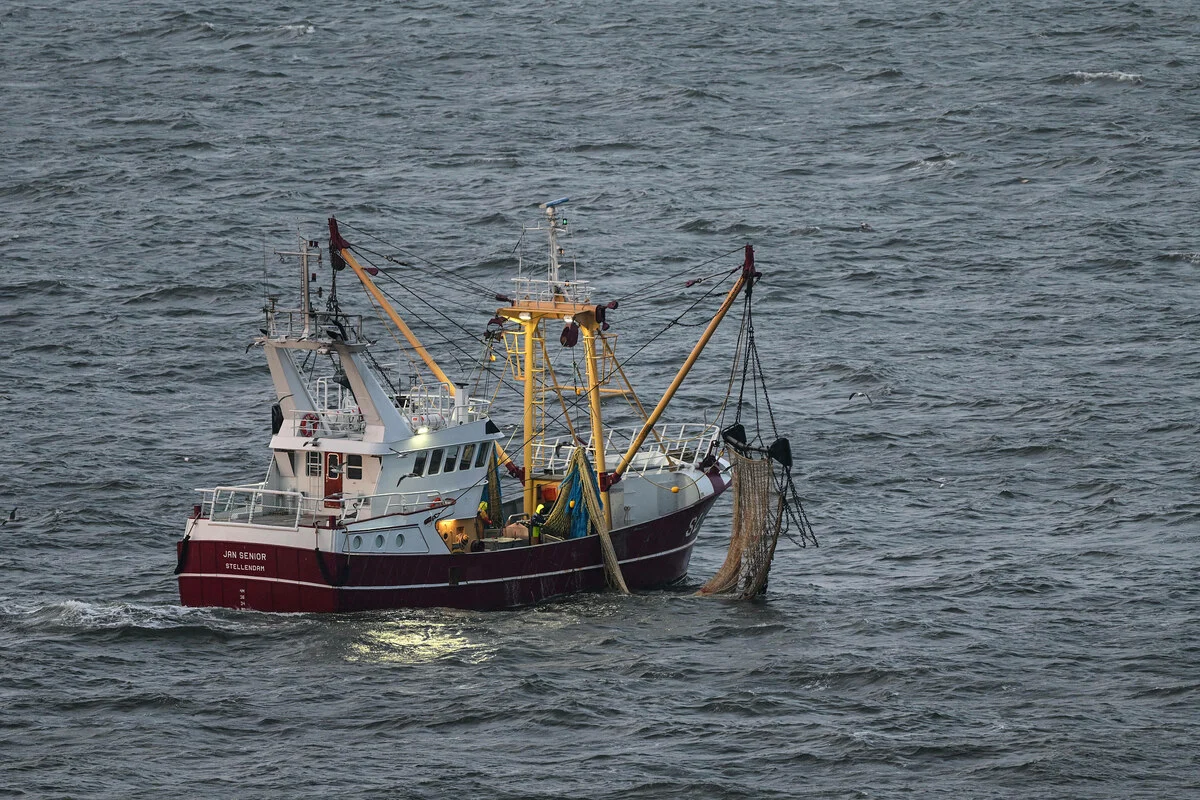
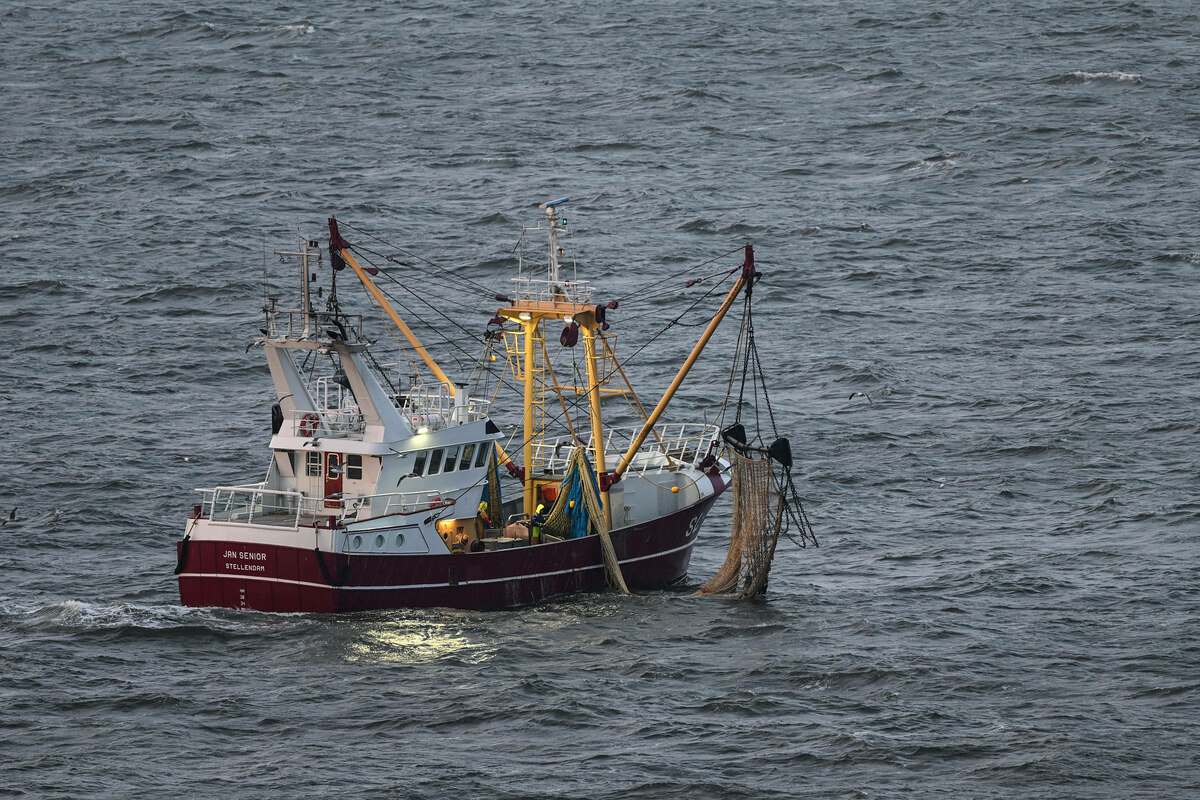
Despite the overarching gloom, the report offers crucial evidence that the trajectory of extinction is not inevitable. Marine conservation, in particular, has seen a resurgence. "Fishery management measures are leading to a recovery of fish stocks," notes Ziegler. By implementing strict quotas, banning bottom-trawling in sensitive zones, and creating marine protected areas, governments have allowed several species to rebound from the brink.
The trend is not limited to the oceans. In Asia, the populations of tigers, Asian elephants, and one-horned rhinoceroses are showing signs of growth. In Vietnam, conservation efforts have successfully bolstered the numbers of Asiatic black bears and various pheasant species. These successes are directly attributed to the establishment of well-patrolled protected areas and the aggressive combatting of poaching networks.

Furthermore, the African savanna elephant population in southern Africa has effectively doubled since 1995, reaching approximately 330,000 individuals. This success is a masterclass in modern conservation: it relies on the strict enforcement of the ivory trade ban, the inclusion of local communities in the economic benefits of wildlife protection, and a shift in the local economy toward safari tourism. When local populations realize that a living elephant is more valuable as an economic engine than a dead one, the incentives for poaching diminish.
Challenges of Success: The Human-Wildlife Interface
The recovery of iconic species brings with it new challenges. The "conflict between humans and wildlife" is an emerging issue that policymakers must address. As elephant populations expand, they often encroach on human settlements, damaging crops and threatening livelihoods. This creates a volatile political environment where conservation can lose public support if the needs of local farmers and villagers are not met with compensation programs or effective mitigation strategies.
Implications for the Yerevan Biodiversity COP
The data presented by the WWF is a clarion call for the upcoming UN Biodiversity Conference in Yerevan. The message is clear: current conservation efforts are fragmented and, in many areas, insufficient. The 73% decline in vertebrate populations is not merely a scientific statistic; it is an indictment of current global environmental policies.

However, the report also provides a roadmap. The recovery of marine life and the success of elephant conservation prove that when science-based regulations are backed by political will and economic integration, nature can regenerate.
For the delegates in Yerevan, the task is daunting but essential. They must move beyond the "status quo" of mere preservation and toward active restoration. This requires:
- Global Funding Mechanisms: Developing nations, which host the majority of the world’s remaining biodiversity, require financial support to manage protected areas effectively.
- Harmonizing Agriculture and Ecology: Moving away from the current model of monoculture-driven deforestation toward agroforestry and sustainable land use.
- Strict Enforcement: Strengthening the international legal frameworks that govern the trade of endangered species and the management of international waters.
- Community-Centric Conservation: Ensuring that the people living alongside threatened wildlife are the primary beneficiaries of conservation efforts.
Conclusion
The latest Living Planet Index is a mirror reflecting our complex relationship with the natural world. It shows a planet that has been hollowed out by human consumption, yet one that possesses an incredible capacity for resilience. The decline in populations of sharks and rays, which reproduce slowly and struggle to recover, remains a dark warning of what happens when we push ecosystems too far. But the rebound of elephants and tigers is a testament to what we can achieve when we choose stewardship over exploitation.

As the world looks toward Yerevan, the question is not whether we have the knowledge to protect our biosphere—we do. The question is whether the political and economic systems of the 21st century can prioritize the long-term survival of the planet over the short-term gains of industrial expansion. The numbers are clear: the clock is ticking, but the door to recovery has not yet closed.