In a remarkable intersection of modern pop culture and classical taxonomy, a research team from the University of California, Riverside, has immortalized global music icon Taylor Swift in the annals of biology. By naming a newly discovered genus of Australian plant bugs Swiftiephylus, scientists have bridged the gap between chart-topping melodies and the intricate, often overlooked, biodiversity of the natural world.
Main Facts: A Taxonomic Tribute
The scientific discovery, published in the peer-reviewed journal Insect Systematics and Evolution, documents the classification of twelve previously unknown species of plant bugs (family Miridae). Among these, four distinct species have been grouped into the newly established genus Swiftiephylus.
The nomenclature is a direct nod to Taylor Swift’s expansive discography, with each species name reflecting a specific era or album from her career:
- Swiftiephylus taylorae: Named after her 2006 debut album, Taylor Swift.
- Swiftiephylus amator: A tribute to the 2019 album Lover.
- Swiftiephylus intrepidus: Inspired by the 2008 breakthrough album Fearless.
- Swiftiephylus poetorum: A reference to her 2024 release, The Tortured Poets Department.
The choice of name for the genus, Swiftiephylus, is an explicit homage to the "Swifties"—the singer’s dedicated and expansive global fanbase. This naming convention serves not only as a creative identifier but also as a strategic move to generate public interest in entomology, a field that frequently struggles to capture mainstream attention.

Chronology of Discovery: From Fieldwork to Publication
The story of these insects began long before the current hype cycle surrounding the singer. The specimens in question were collected in various regions across Australia between 1995 and 2004. For over two decades, these tiny creatures sat within institutional collections, waiting for the expertise and analytical tools necessary to identify them as unique entities.
The research team, led by entomologist Sarah Schroeder, spent years meticulously examining 593 individual specimens. The process involved high-resolution imaging, morphological analysis, and, where necessary, genetic comparisons to determine that these individuals did not belong to any previously known genus or species. The culmination of this multi-year effort resulted in the formal description of five new genera and twelve new species, with the Swiftiephylus group representing the most high-profile segment of the findings.
Supporting Data: Understanding the Swiftiephylus
The family Miridae, to which these bugs belong, is the largest family of true bugs in the world, encompassing over 11,000 known species. Despite their prevalence, many species remain uncatalogued due to their minute size—often only a few millimeters in length—and their highly specialized ecological niches.
Swiftiephylus species are particularly fascinating for their evolutionary adaptation to the Australian landscape. They reside exclusively on Casuarina trees, a widespread family of evergreen trees and shrubs in Australia. Their physical appearance, which caught the attention of the researchers, is characterized by a pale, yellowish base color accented with striking red stripes or spots.
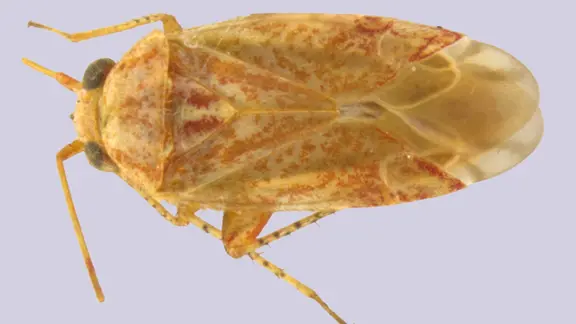
According to lead researcher Sarah Schroeder, this visual aesthetic provided the "aha!" moment for the naming convention. "Her [Swift’s] signature look involves blonde hair and bold red lips," Schroeder noted. "These insects have a pale, yellow-blonde body with distinct red markings. It felt like a perfect, natural fit."
The Scientist as a "Swiftie": Motivation and Methodology
The decision to name a biological genus after a pop star is not without precedent, but it is rarely executed with such transparency regarding the author’s personal motivation. Sarah Schroeder, the study’s lead author, has openly identified as a lifelong fan of the singer.
In the scientific publication, Schroeder justifies the nomenclature by citing the singer’s profound cultural influence. She argues that Swift’s talent for songwriting, combined with the joy and solace her music has provided to millions, warrants a permanent place in scientific history.
"For me, as a lifelong Swiftie, it felt authentic to honor Taylor in this way," Schroeder explained. "It allows us to celebrate her impact while simultaneously drawing the public’s eyes to the critical, yet underfunded, work of discovering and cataloging biodiversity."
While some purists in the scientific community occasionally criticize the use of "celebrity names" in taxonomy, the consensus among many modern researchers is that such names act as a vital PR tool. In an era where biodiversity loss is accelerating, the ability of a name to make a headline and trigger media coverage is a legitimate, albeit unconventional, tool for conservation awareness.
Implications for Future Research
The discovery of Swiftiephylus carries significant implications for the broader scientific community, particularly regarding the state of natural history collections. The fact that these insects were sitting in a museum for twenty years before being identified as new species underscores a major challenge in modern biology: the "taxonomic backlog."
The Hidden Treasure of Natural History Museums
There are millions of specimens in museum collections worldwide that have yet to be formally described. These collections serve as time capsules of the planet’s biodiversity, yet they require continuous funding and specialized researchers to be fully utilized. The Swiftiephylus case serves as a call to action for institutions to prioritize the digitization and expert analysis of these archives.
Biodiversity and Climate Change
These insects are highly specialized, relying on specific Casuarina hosts. Such specialization often makes them highly vulnerable to environmental changes, including climate change and habitat fragmentation. By identifying these species now, researchers can begin to track their distribution and assess whether they are at risk. The "Swiftie" label provides a platform to discuss these broader environmental issues with an audience that might otherwise never engage with entomology.

Cultural Legacy vs. Scientific Longevity
In the grand scheme of Taylor Swift’s career, the Swiftiephylus genus is a unique footnote. She has earned dozens of Grammy awards, shattered concert attendance records, and influenced the global economy. However, as noted in the research, this biological tribute offers something her chart-topping hits do not: the potential for geological permanence.
"A song can top the charts for a season," notes a colleague of the research team. "But a scientific name is a permanent, formal classification. As long as taxonomy exists as a discipline, Swiftiephylus will remain in the records. It is a form of legacy that is literally written into the fabric of the natural world."
Conclusion: Bridging Two Worlds
The naming of Swiftiephylus is more than just a quirky news story. It represents a modern shift in how science communicates with the public. By weaving the narratives of pop culture into the rigorous framework of taxonomy, researchers like Sarah Schroeder are successfully lowering the barrier to entry for the general public to engage with the natural sciences.
As we look toward the future, the hope is that this newfound visibility for "tiny, blonde-and-red bugs" will inspire a new generation of entomologists. While the music of Taylor Swift continues to define a generation, the Swiftiephylus bugs will continue their quiet, vital work in the Australian bush—a testament to the fact that even in the deepest corners of nature, there is room for a little bit of pop-star flair.