Berlin, Germany – Germany finds itself at a critical juncture, navigating a complex tapestry of internal political dissent, a disturbing surge in organized crime within its capital, and an escalating agricultural crisis fueled by climate change. As the nation prepares for crucial regional elections and grapples with economic uncertainties, these intertwined challenges test the resilience of its democratic institutions and the effectiveness of its leadership. From an unexpected surge in letter-writing among Social Democrats to a brazen new wave of mafia-style extortion in Berlin and the stark realities facing its farmers, the country is confronting a period of intense scrutiny and urgent demands for action.
A Deluge of Dissent: The SPD’s Unexpected Letter Revival
In an era increasingly dominated by instant digital communication, a surprising trend is unfolding within Germany’s Social Democratic Party (SPD): a veritable "letter frenzy." While Deutsche Post has consistently reported declining mail volumes for years, the SPD appears to defy this national pattern, with an increasing number of party members, from grassroots activists to seasoned functionaries, opting for traditional written correspondence. These letters, often laden with frustration and demands for change, are predominantly addressed to the party’s co-leaders, Bärbel Bas and Lars Klingbeil, signaling a deep-seated unrest within the party ranks.
Main Facts: A Counter-Trend in Communication
The core phenomenon is the unexpected resurgence of letters as a primary mode of internal communication within the SPD. Far from being a nostalgic exercise, this "acute urge to write" (Akute Schreibwut) reflects a profound dissatisfaction that members feel compelled to articulate formally and personally. The volume of incoming mail is reportedly significant, suggesting a widespread and organized effort rather than isolated grievances. The recipients, Bas and Klingbeil, are understood to be receiving a substantial amount of this correspondence, which, according to observers, brings them little joy.
The Deep Roots of Frustration: Chronology and Supporting Data
This wave of dissent is not a sudden outburst but rather the culmination of years of simmering discontent. According to Andreas Niesmann, a seasoned SPD correspondent at SPIEGEL’s Berlin bureau, "The SPD is still alive." He explains that after an extended period characterized by "bitter discipline" – a reference to the party’s often stifled internal debates and top-down decision-making – a significant "resistance" is now brewing. This resistance is primarily directed against the party’s alarming decline in national poll numbers, which threaten to push the SPD into single-digit approval ratings, a historically devastating prospect for one of Germany’s oldest and most influential political parties.
The frustration is multi-faceted. It stems from perceived policy missteps, a lack of clear direction, and, crucially, a deep-seated disillusionment with the current leadership duo, Bas and Klingbeil. Niesmann elaborates, "The frustration over the decline under the leadership duo Bas and Klingbeil runs so deep that more and more comrades want a reckoning this autumn, regardless of the outcomes of the elections in Saxony-Anhalt, Berlin, and Mecklenburg-Vorpommern." This sentiment highlights a critical timeline: the internal rebellion is unfolding even as state election campaigns are underway, indicating that the grievances transcend immediate electoral cycles and point to fundamental issues within the party’s strategic direction and leadership effectiveness. The implication is clear: members are not waiting for election results to voice their demands for a leadership overhaul, suggesting a loss of confidence that could have far-reaching consequences.

Leadership Under Scrutiny: Official Responses and Silence
While the content of these letters is not publicly disclosed in the article, their existence alone constitutes a potent form of internal criticism. The fact that party co-chairs are the primary recipients means the grievances are being directed at the very top. Official responses from Bas and Klingbeil have been notably absent or understated, at least in the public domain. This silence, or perhaps a cautious internal handling of the letters, could be interpreted in several ways: as an attempt to de-escalate the situation, as a sign of being overwhelmed by the volume of criticism, or as a strategic move to avoid validating the dissent publicly.
However, the very act of members resorting to formal letters, rather than relying solely on internal party channels or digital forums, suggests a perceived breakdown in traditional avenues for dialogue and influence. It implies that members feel their voices are not being heard through conventional means, forcing them to adopt a more formal, almost protest-like, method of communication. This puts immense pressure on the leadership to acknowledge and address the underlying causes of discontent, especially given the party’s precarious electoral standing.
Implications for the SPD’s Future
The "letter frenzy" carries significant implications for the future trajectory of the SPD. Firstly, it signals a potential leadership challenge. Should the party’s electoral fortunes continue to dwindle in upcoming state and federal elections, the calls for a change in leadership, hinted at by the desire for an "accounting this autumn," could intensify dramatically. This internal strife risks further destabilizing a party already struggling to regain its footing in the German political landscape.
Secondly, it raises questions about the SPD’s ability to present a united front to the electorate. A party deeply divided and openly critical of its leadership struggles to project an image of competence and cohesion. This internal turmoil could exacerbate voter disillusionment, pushing the SPD further into the political margins.
Finally, this phenomenon underscores a broader challenge for established political parties in an era of rapid social and political change. The need for democratic vitality within parties, for genuine dialogue, and for responsive leadership is paramount. The SPD’s letter-writing trend, while unusual, might be interpreted as a desperate attempt by its base to inject new life and direction into a party perceived by many as drifting aimlessly. The coming months will reveal whether this internal awakening can lead to a revitalization or if it merely heralds deeper divisions and further decline.

Berlin’s Dark Underbelly: The Resurgence of Organized Crime
Berlin, a city often celebrated for its vibrant culture and liberal spirit, is confronting a darker reality: a disturbing resurgence of organized crime. A recent investigative report by SPIEGEL colleagues has unveiled the alarming activities of a new Turkish mafia operating within the capital, challenging the city’s self-perception and raising serious concerns about public safety and law enforcement effectiveness.
Main Facts: A City Under Siege
The core issue is a series of escalating protection rackets primarily targeting businesses run by individuals of Turkish descent. These include cafés, kiosks, and supermarkets, which have become the unwilling targets of extortionists demanding "penalty payments" (Strafzölle) in sums ranging from an audacious €50,000 to a staggering €500,000. The methods are chillingly modern and direct: initial contact is made via phone calls or WhatsApp messages. Failure to comply with these demands results in swift and violent retaliation, most notably through bullet-riddled shop windows, a clear demonstration of force and intent. This pattern of intimidation and violence has shattered the sense of security for many business owners and residents.
Anatomy of the Extortion Racket: Chronology and Supporting Data
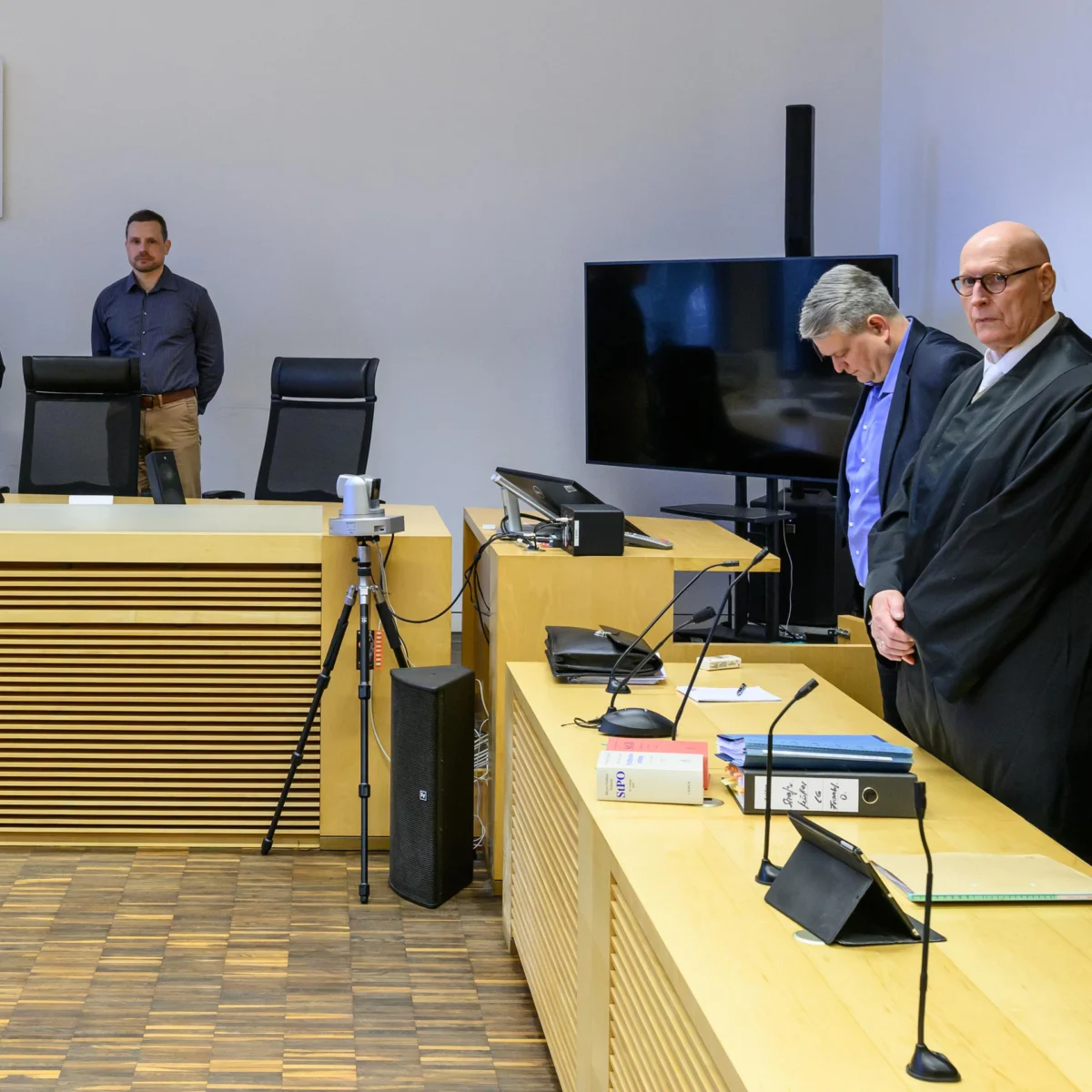
The investigative team, led by Ulrich Kraetzer, meticulously pieced together the anatomy of this criminal network. Their work involved a comprehensive analysis of police files, indictments, court verdicts, and close observation of court proceedings. They also engaged directly with investigators, experts, and victims to gain a full understanding of the operations. Their findings reveal that not one, but "several gangs" have infiltrated the protection racket business.
Prominently featured are gangsters from Turkey who have adopted the moniker "Daltons," a reference to the notorious comic book villains from Lucky Luke. These new players operate alongside established Berlin criminals with extensive histories in organized crime. A particularly disturbing detail is the recruitment of young individuals, often for minimal pay, to act as shooters, highlighting a cynical exploitation of vulnerable youth into a cycle of violence. The precise timeline of this resurgence is indicated by the journalist’s initial dismissal of Berlin’s "broken, dangerous city" cliché, which was only overturned after reading the report, suggesting this escalation is a relatively recent, or at least newly exposed, phenomenon. The Volt party’s provocative "Unf*ck Berlin" election slogan, seen on posters ahead of the late September Abgeordnetenhaus election, ironically encapsulates the growing public sentiment that the city needs to be "put back in order," even before the full extent of this criminal activity was widely known.
The investigation also uncovered unsettling connections between this local criminal milieu and broader international networks, with ties reportedly extending "as far as Russia." This detail points to a sophisticated and deeply entrenched organized crime landscape that transcends national borders, making law enforcement efforts significantly more complex.

Law Enforcement’s Uphill Battle: Official Responses
The Berlin police force is depicted as actively striving to "bring order back to the city," but it is facing an undeniably "difficult undertaking." The nature of these gangs, their international connections, and their willingness to employ extreme violence pose significant challenges. Police efforts involve intelligence gathering, surveillance, and targeted operations, but the fluid nature of these networks and the fear among victims make investigations arduous.
Politically, the revelations put pressure on city authorities to reassure the public and demonstrate a robust response. While the article doesn’t detail specific official statements from Berlin’s political leadership, the public reaction to such reports typically involves calls for increased police presence, enhanced investigative powers, and greater cooperation between federal and international law enforcement agencies. The "Unf*ck Berlin" slogan, despite its casual tone, underscores a broader public demand for effective governance and safety in the capital, a demand now amplified by these disturbing reports.
Broader Implications for Urban Security
The resurgence of organized crime in Berlin carries profound implications for urban security and governance. Firstly, it erodes public trust in law enforcement and the state’s ability to guarantee safety. For affected businesses, it creates an environment of fear and economic instability, potentially driving entrepreneurs away.
Secondly, the reported international connections, particularly to Russia, raise concerns about the broader geopolitical dimensions of organized crime, suggesting that Berlin could be a hub for illicit activities with global reach. This necessitates a re-evaluation of national security strategies and international cooperation frameworks.
Finally, the recruitment of youth for violent acts highlights a societal problem: the vulnerability of young people to criminal influence. Addressing this requires not only law enforcement intervention but also comprehensive social programs aimed at prevention and rehabilitation. The challenge for Berlin is not just to apprehend the criminals but to dismantle the underlying structures that allow such organized crime to flourish, thereby truly "unfucking" its image and reality.

Germany’s Fields of Despair: The Unfolding Agricultural Crisis
Germany’s agricultural sector is facing an existential threat from an unprecedented heatwave and prolonged drought. The current harvest season is projected to be significantly below average, leading to substantial financial losses for farmers and raising concerns about food security and animal welfare across the nation.
Main Facts: Drought’s Devastating Toll
The immediate and most pressing fact is the devastating impact of persistent heat and drought on German agriculture. The German Raiffeisen Association recently announced that approximately three million tons of grain and rapeseed have been lost since mid-June due to the extreme weather conditions. This translates into a staggering revenue loss for the agricultural sector exceeding €600 million. These figures paint a grim picture of an industry under severe strain, directly attributable to the escalating effects of climate change.
The Fodder Shortage and its Ripple Effects: Chronology and Supporting Data
Beyond crop losses, an even more critical issue has emerged: the widespread shortage of green fodder for livestock. Regions like Bavaria, Hesse, and Baden-Württemberg are particularly hard-hit. In Baden-Württemberg, the state farmers’ association reported a 30 to 40 percent reduction in available fodder compared to typical levels for this time of year. This drastic scarcity has immediate and severe consequences for animal husbandry.
Farmers are being forced to make difficult decisions, including the premature slaughter of animals. This is not merely an economic decision but a deeply emotional one for many livestock farmers. The severity of the situation is underscored by reports from areas like Swabian Hall, where abattoirs are already operating with waiting lists, indicating a bottleneck created by the sudden influx of animals needing to be processed. This early slaughter disrupts normal breeding cycles, impacts animal welfare, and could lead to future shortages in meat and dairy products, driving up consumer prices. The crisis has unfolded rapidly since mid-June, with the full extent of the damage becoming apparent as the harvest season progresses and fodder reserves dwindle.
A Minister’s Quandary: Calls for Action
In the face of such a critical situation, the role of the Federal Minister of Agriculture becomes paramount. This would ordinarily be the opportune moment for the minister to step forward as a "crisis manager" and articulate a clear strategy to support farmers and address the long-term implications of climate change on food supply. However, Alois Rainer of the CSU party is perceived by many as conspicuously inactive.

While Minister Rainer has acknowledged that the drought is developing into a "serious burden" for farmers, he has yet to present concrete ideas for a sustainable, climate-friendly agricultural policy. His public statements have been met with skepticism and frustration. A particularly telling remark, "I can’t make it rain, otherwise I would," has been widely criticized for its dismissive tone and for sidestepping the broader responsibilities of his office. Critics argue that while no minister can control the weather, effective crisis management involves implementing relief measures, advocating for climate adaptation strategies, and developing long-term resilience plans for the agricultural sector. The absence of such proactive engagement has left many farmers feeling abandoned and unheard.
Long-Term Outlook and Policy Debates
The ongoing agricultural crisis highlights Germany’s vulnerability to climate change and underscores the urgent need for robust adaptation strategies. The implications extend beyond immediate economic losses for farmers; they touch upon national food security, environmental sustainability, and the broader economic stability of rural communities.
Policy debates are intensifying around several key areas: direct financial aid for affected farmers, investments in drought-resistant crops and irrigation technologies, and a fundamental shift towards more climate-resilient farming practices. There are also calls for greater integration of climate policy into agricultural planning, moving away from short-term reactive measures towards a comprehensive, forward-looking strategy. The perceived inaction of Minister Rainer has also ignited political discussions about leadership accountability and the effectiveness of the current government’s approach to environmental and agricultural challenges. The crisis demands not just rainfall, but a clear vision and decisive action from political leaders to safeguard Germany’s agricultural future.
Political Ascents and Daily Insights
Beyond these pressing national crises, the German political landscape also sees individual trajectories, while media outlets like SPIEGEL continue to offer diverse content to its readership.
Frederik Bouffier: A Rapid Rise in the CDU/CSU
The "winner of the day" is Frederik Bouffier, a 35-year-old lawyer whose political career is experiencing a swift ascent. As the son of former Hessian Minister-President Volker Bouffier, his name carries political weight, yet his rise is also attributed to his own capabilities. He is poised to join the inner leadership circle of the CDU/CSU parliamentary group in the Bundestag.

Bouffier is set to become the Parliamentary Secretary of the CDU/CSU faction, succeeding Catarina dos Santos-Wintz, who is expected to be elected as the First Parliamentary Secretary. This move positions Bouffier as her deputy, a significant role in parliamentary management and strategy. Despite only becoming a member of the Bundestag last year, representing the Gießen-Alsfeld constituency, Bouffier has quickly made his mark. He serves on the committees for Internal Affairs and Research Policy. Until now, he has maintained a relatively low public profile, but this rapid promotion into a key leadership position is expected to change that dramatically, thrusting him into the national spotlight and offering him a platform to shape the Union’s parliamentary agenda.
Engaging with Germany’s Future: SPIEGEL Initiatives
In its commitment to inform and engage its audience, SPIEGEL continues to offer various features. Readers can test their knowledge with the latest "Daily Quiz" and explore more puzzles like "Viererkette," "Wordle," and "Paarsuche" on SPIEGEL Games.
Furthermore, SPIEGEL is participating in "Deutschland spricht 2026" (Germany Talks 2026), a nationwide initiative aimed at fostering personal conversations between individuals with differing political viewpoints. SPIEGEL Editor-in-Chief Dirk Kurbjuweit has hailed the participation as "a good deed for democracy." Interested individuals are invited to answer a series of questions and register for conversations scheduled for August 30th, with some discussions even taking place at the SPIEGEL canteen in Hamburg. The initiative aims to bridge societal divides by encouraging constructive dialogue. Additionally, SPIEGEL Extra offers practical insights, such as a guide on "What grows when?" focusing on seasonal produce.
Conclusion: A Nation in Flux
From the internal struggles of the SPD to the challenging realities of urban crime and the profound impact of climate change on its agricultural heartland, Germany is a nation in flux. These diverse challenges demand nuanced responses, strong leadership, and a collective commitment to democratic values and sustainable practices. As political figures navigate these turbulent waters and citizens grapple with evolving societal issues, the coming months will be crucial in shaping Germany’s trajectory, determining whether it can effectively address its current predicaments and emerge stronger.