The latest installment of the CB-Funk podcast, episode 179, serves as the final broadcast before the editorial team heads into their scheduled summer hiatus. Hosts Jan and Fabian utilize this platform to dive deep into a contentious technical landscape, headlined by Nvidia’s controversial push into DLSS 5, the evolving roadmap for Intel’s processor architecture, and a provocative cultural examination of gore in modern gaming.
Main Facts: The Evolution of Neural Rendering
Nvidia’s DLSS 5 has been the subject of significant industry speculation since its initial unveiling in March 2026. Following months of relative silence and a palpable "shitstorm" of public criticism, Nvidia finally broke its strategic hiatus during the SIGGRAPH 2026 conference. The core promise of DLSS 5 lies in the fusion of classical rasterization with advanced neural rendering—a paradigm shift that Nvidia CEO Jensen Huang claims will "bring computer graphics to life."
However, the technology remains polarizing. Critics argue that Nvidia’s reliance on AI-driven upscaling and frame generation represents "AI slop," potentially masking optimization failures in modern game development. The CB-Funk hosts examine whether this technology is a genuine leap in visual fidelity or a crutch for developers who are increasingly neglecting traditional, hardware-level optimization.
Chronology of the DLSS 5 Narrative
To understand the current state of DLSS 5, one must look back at the timeline of its development and public perception:
- March 2026: Nvidia officially announces DLSS 5, sparking immediate backlash from tech enthusiasts who view the technology as a potential dilution of native resolution performance.
- April – July 2026: A period of relative technical silence ensues. During this time, the community debates the merits of neural-driven image reconstruction versus traditional rendering pipelines.
- August 2026: At SIGGRAPH 2026, Nvidia releases a detailed 22-minute technical briefing. This session marks the first significant attempt by the company to defend the architectural changes in DLSS 5, specifically addressing concerns regarding latency and artifacting in neural-rendered scenes.
- Late August 2026: CB-Funk episode 179 breaks down these findings, weighing Nvidia’s technical claims against the reality of the software’s performance in early implementations.
Supporting Data: Hardware Shifts and Processor Roadmaps
Beyond the software front, the episode shifts its focus to the hardware foundation of the coming year. As gamers navigate the complexities of AI-upscaled graphics, they must also contend with a changing CPU landscape.
Intel’s Nova Lake (Core Ultra 400)
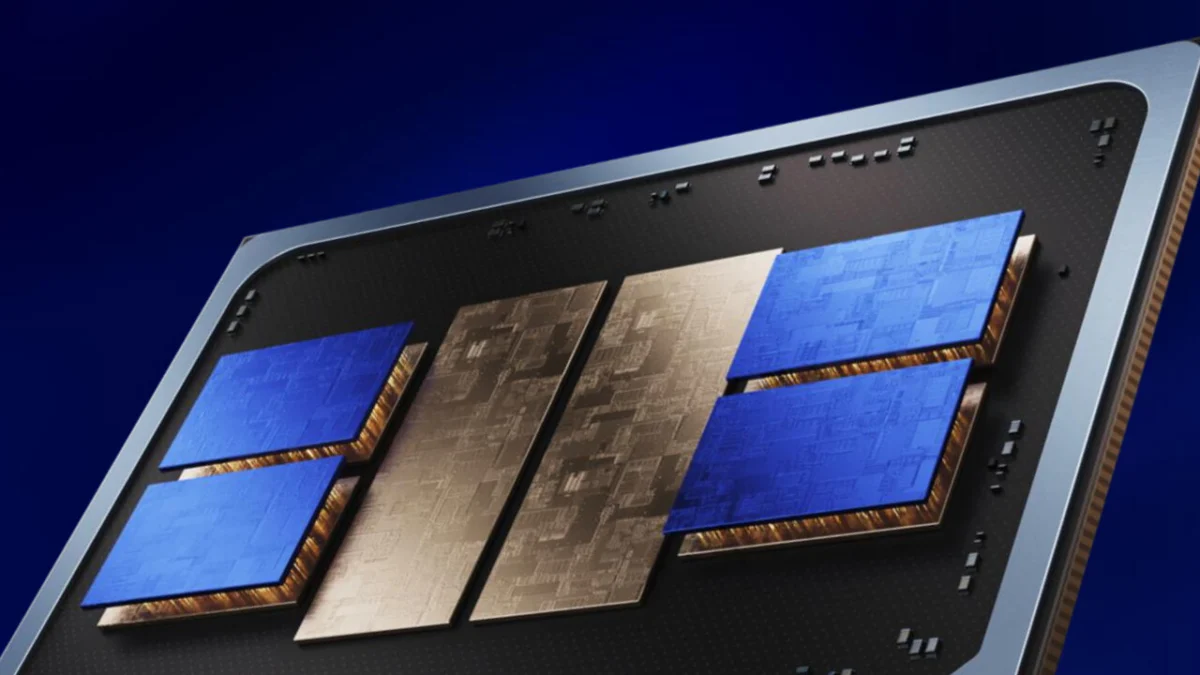
Intel has solidified its roadmap from the CES 2027 window through to Computex 2027. The upcoming "Nova Lake-S" series, rebranded as Core Ultra 400, is set to be the flagship of this period. With rumors pointing to a 28-core architecture specifically tuned for high-end gaming, the industry is watching to see how Intel will compete with the efficiency of the emerging Windows 11 on ARM ecosystem.
Windows 11 on Arm
The hosts also touch upon the arrival of the first GeForce drivers for Windows 11 on Arm. This development is significant, as it signals a shift in the gaming ecosystem toward mobile-first, high-efficiency architectures. While the performance metrics for these drivers are still in their infancy, the long-term implication is a move toward more portable, energy-efficient high-performance computing.
Official Responses and Industry Sentiments
The tension between Nvidia and its user base has been palpable. Jensen Huang, in defense of the company’s direction, recently dismissed the "AI slop" critique as fundamentally misinformed. According to Huang, users who criticize the move toward neural rendering are failing to see the inevitable evolution of hardware-bound graphics into software-defined visual experiences.
The CB-Funk hosts contrast this top-down corporate narrative with the bottom-up sentiments of the gaming community. The core debate is not merely about whether DLSS 5 "looks good," but whether it signals an era where raw hardware power is increasingly subordinate to AI algorithms. If developers can achieve "acceptable" visuals through neural inference rather than brute-force rasterization, does this incentivize laziness in code optimization? The hosts suggest that this is the primary point of contention for power users who value transparency in rendering.
Implications: The Ethics of Gore and Digital Representation
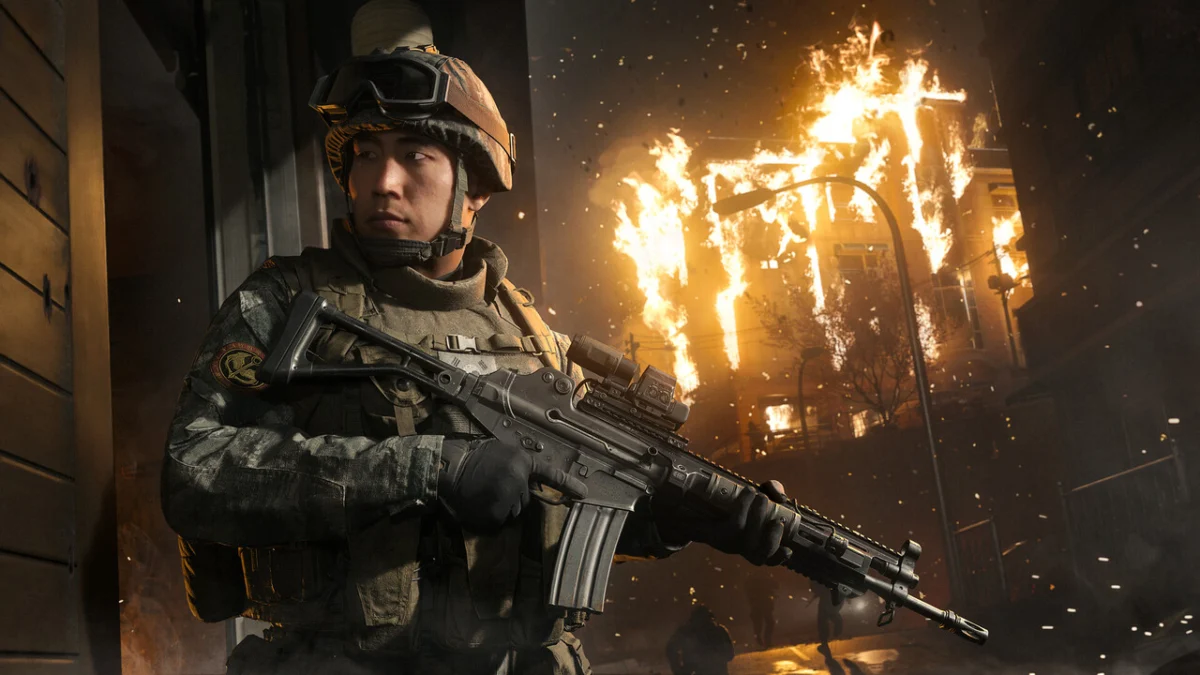
The final segment of the podcast takes a turn toward the philosophical, addressing the "Sunday Question" regarding the depiction of blood and gore in video games. This discussion serves as a bridge between the clinical, cold world of silicon and the visceral, often disturbing nature of interactive entertainment.
The Normalization of Violence
As graphics engines become more capable—partly due to advancements like DLSS 5—the fidelity of environmental and biological destruction has increased exponentially. The hosts pose a critical question: Does the pursuit of hyper-realistic gore in games serve a gameplay purpose, or is it merely an exercise in technical excess?
Industry Standards vs. Artistic Expression
The discourse touches on the historical tension between regulatory bodies (like the ESRB or PEGI) and developers. While some argue that explicit violence is a cornerstone of artistic freedom in dark-themed games, others contend that the gaming industry is reaching a threshold where the "realism" of simulated harm requires a more mature and nuanced discussion regarding its impact on the player and the industry’s public perception.
Conclusion: Looking Ahead
As CB-Funk enters its summer hiatus, the landscape of technology remains in a state of rapid flux. The transition to AI-driven graphics, the emergence of a new generation of Intel processors, and the ongoing cultural debate surrounding the content of games underscore a period of profound transition.
Listeners are encouraged to engage with the editorial team through the provided channels—Discord, email, and the forum—to keep the conversation alive during the break. Whether it is the technical merits of neural rendering or the moral implications of virtual violence, the dialogue fostered by the CB-Funk community continues to be a vital pulse-check for the tech industry at large.
How to Engage with CB-Funk
For those looking to catch up on the back catalog or join the discussion, the podcast is available on all major platforms:
- Spotify: High-fidelity streams for on-the-go listening.
- Apple Podcasts: Integrated for seamless library management.
- Amazon Music & Deezer: Broad support for diverse listener preferences.
- YouTube: Video-supplemented discussions for visual learners.
- RSS: For enthusiasts who prefer direct feed management, the feed is available at
https://computerbase.podigee.io/feed/opus.
As the industry prepares for the next quarter of developments, the insights provided by Jan and Fabian serve as a essential guide for navigating the intersection of hardware performance and digital ethics. We invite all readers and listeners to revisit the CB-Funk archives on the official ComputerBase website to ensure no detail is missed before the next chapter of the tech saga begins.