The Tour de France, cycling’s most prestigious and grueling test of human endurance, has found itself embroiled in an intense debate that stretches far beyond the mountain climbs and sprint finishes. At the center of the storm is the International Testing Agency (ITA) and its controversial policy of conducting unannounced, late-night doping controls on the race’s top contenders.
As the 2026 edition of the Tour progresses, the recent decision to wake yellow-jersey favorites Tadej Pogačar and Jonas Vingegaard in the early hours of the morning has ignited a firestorm of criticism, prompting urgent calls for reform from riders, teams, and the professional cycling union alike.
The Core Conflict: Performance vs. Integrity
The tension revolves around the delicate balance between maintaining a clean sport and respecting the biological needs of world-class athletes. Under the current regulations set by the Union Cycliste Internationale (UCI), anti-doping authorities are permitted to conduct tests between the hours of 11:00 PM and 6:00 AM, provided there is a "serious and concrete suspicion" that a rider may be involved in illicit activities.
However, the application of this rule at the Tour de France has drawn sharp condemnation. Critics argue that in a race where riders push their physiological limits for weeks on end, sleep is not a luxury—it is the primary medical tool for recovery and long-term health. By disrupting the sleep cycle, the ITA is being accused of compromising the very safety of the competitors they are tasked with protecting.
Chronology of the Midnight Incident
The controversy reached a boiling point on the eve of the 15th stage. In the early hours of Sunday, doping control officers arrived at the team hotels of Tadej Pogačar and Jonas Vingegaard. The athletes were awakened from their rest to provide samples.
When the news broke the following morning, it sent shockwaves through the peloton. Pogačar and Vingegaard, while expressing understanding for the necessity of anti-doping efforts, were vocal about the poor timing. The incident was not isolated; the ITA later confirmed that other riders had been subjected to similar nocturnal visits throughout the race, emphasizing that these tests were part of a broader, strategic effort to catch substances that possess short detection windows.
The fallout was immediate. By the end of the 15th stage, the fatigue and frustration were palpable. Pogačar, reflecting on the stress of the event, even speculated whether the sleep deprivation caused by such interventions might have contributed to the increased risk of accidents, referencing the unfortunate, high-speed crash of a rival earlier in the race.
Official Responses: The ITA Stands Its Ground
In response to the mounting backlash, the International Testing Agency has taken a firm, defensive stance. A spokesperson for the ITA explained to the ARD that the tests were conducted in full compliance with existing regulations.
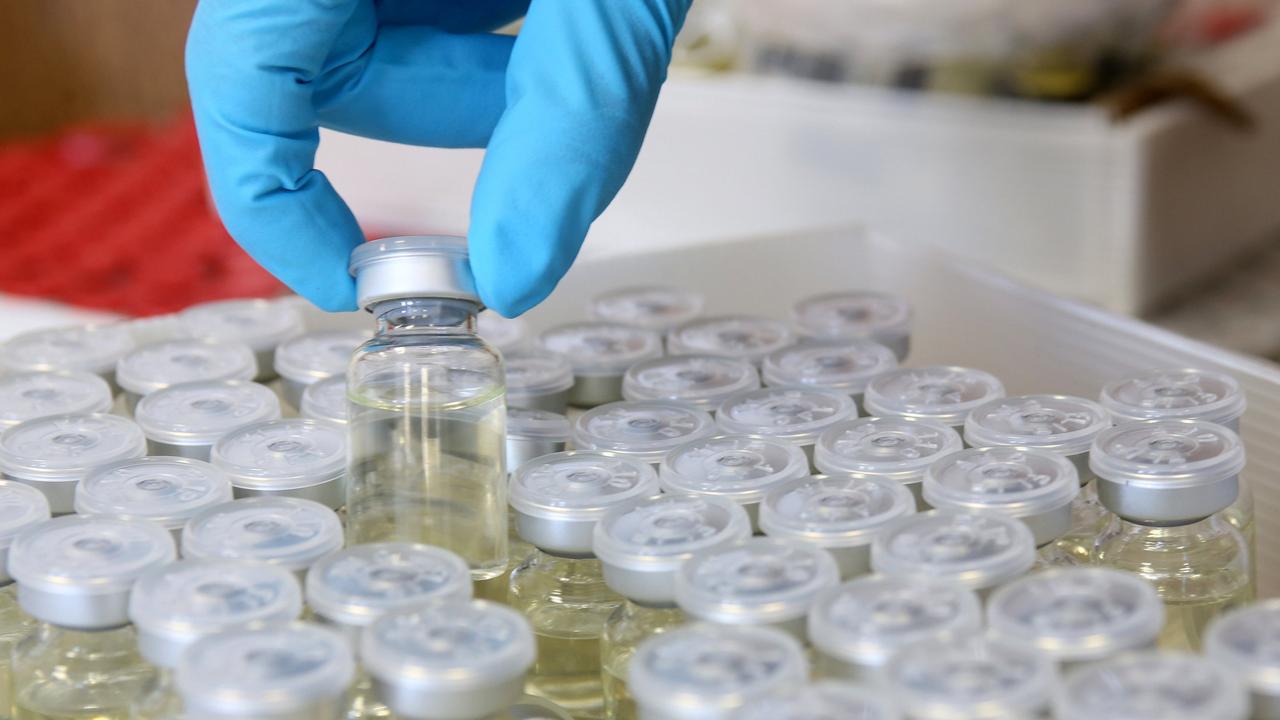
"There were indicators suggesting that something might be amiss with the athletes in question," the spokesperson stated. However, they were careful to clarify that a nighttime test does not constitute a formal accusation or proof of a doping violation. Instead, the ITA maintains that modern doping protocols require agility. Because certain substances can be metabolized and vanish from the system within hours, "surprise" testing at irregular times—including the dead of night—is a necessary tool to ensure the legitimacy of the Tour.
The agency noted that results from these specific samples would likely not be available for at least a week, placing the findings well beyond the conclusion of the Tour. This delay, however, does little to soothe the nerves of the teams, who feel that the "guilty until proven innocent" cloud hanging over their stars is an unfair psychological burden.
The Professional Peloton’s Uprising: "Respektlos"
The most stinging critique came from Remco Evenepoel, who did not mince his words after his stage victory on the Plateau de Solaison. Describing the midnight intrusions as "respektlos" (disrespectful), the Belgian star articulated a sentiment shared by many in the peloton: that the current system is overly intrusive and lacks a human element.
Evenepoel’s comments served as a rallying cry for the Cyclists’ Professional Association (CPA), which issued a formal statement on Monday. The organization, representing the interests of the riders, has called for an urgent review of the nighttime testing policy.
"Waking athletes in the middle of the night for a doping control should be seriously reconsidered," the CPA statement read. The union emphasized that the Tour de France demands extreme physical exertion, and that sleep is fundamental to the riders’ safety. By disrupting this recovery, the authorities may be unintentionally creating a more dangerous racing environment, where exhausted riders are more prone to errors and catastrophic crashes.
Implications for Anti-Doping Strategy
The situation highlights a fundamental tension in modern sports administration: the race between the cheats and the testers. As anti-doping science becomes more sophisticated, so too do the methods of evasion, forcing agencies like the ITA to adopt increasingly unconventional strategies.
However, the CPA’s counter-argument is compelling. They suggest that the focus on "invasive" tactics might be misplaced. Instead of increasing the number of midnight knocks on the door, the union advocates for higher investment in scientific research and advanced detection technologies. They argue that if the anti-doping movement relies too heavily on psychological warfare against clean athletes, it risks alienating the very people who should be the movement’s strongest allies.
The Path Forward: Can the System Evolve?
As the 2026 Tour de France heads toward its finale, the debate serves as a microcosm of the wider struggle for the soul of professional cycling. The sport has worked tirelessly to distance itself from the dark eras of systematic doping, and the presence of rigorous testing is a non-negotiable requirement for the Tour’s continued credibility.
Yet, there is a growing consensus that the "at any cost" approach to testing needs refinement. A compromise could involve stricter criteria for what constitutes a "serious and concrete suspicion," or perhaps a move toward more advanced, non-invasive biomarker monitoring that doesn’t require waking a rider at 3:00 AM.
For now, the riders remain caught in the middle. They understand that the yellow jersey must be earned on the road, free from chemical assistance. But they are also human beings operating at the edge of physical capability, and they are demanding that their basic rights to rest be respected.
The incident involving Pogačar and Vingegaard is likely to serve as a catalyst for a broader discussion between the UCI, the ITA, and the riders’ unions. The future of anti-doping in cycling will depend on whether these groups can find a path that ensures fairness without sacrificing the well-being of the athletes who define the sport. Until then, the midnight knock at the hotel door will remain a source of anxiety—a reminder that in the world of professional cycling, the race never truly stops, even when the lights go out.