The 2026 FIFA World Cup, hosted jointly by the United States, Mexico, and Canada, reaches its crescendo this Sunday at the MetLife Stadium in East Rutherford, New Jersey. In what has been billed as the most ambitious sporting event in human history, the final match between Spain and Argentina serves as more than just a battle for the golden trophy; it has become a focal point for international diplomacy, high-stakes political theater, and a global pop-culture spectacle.
The Diplomatic Stage: A Presidential Summit
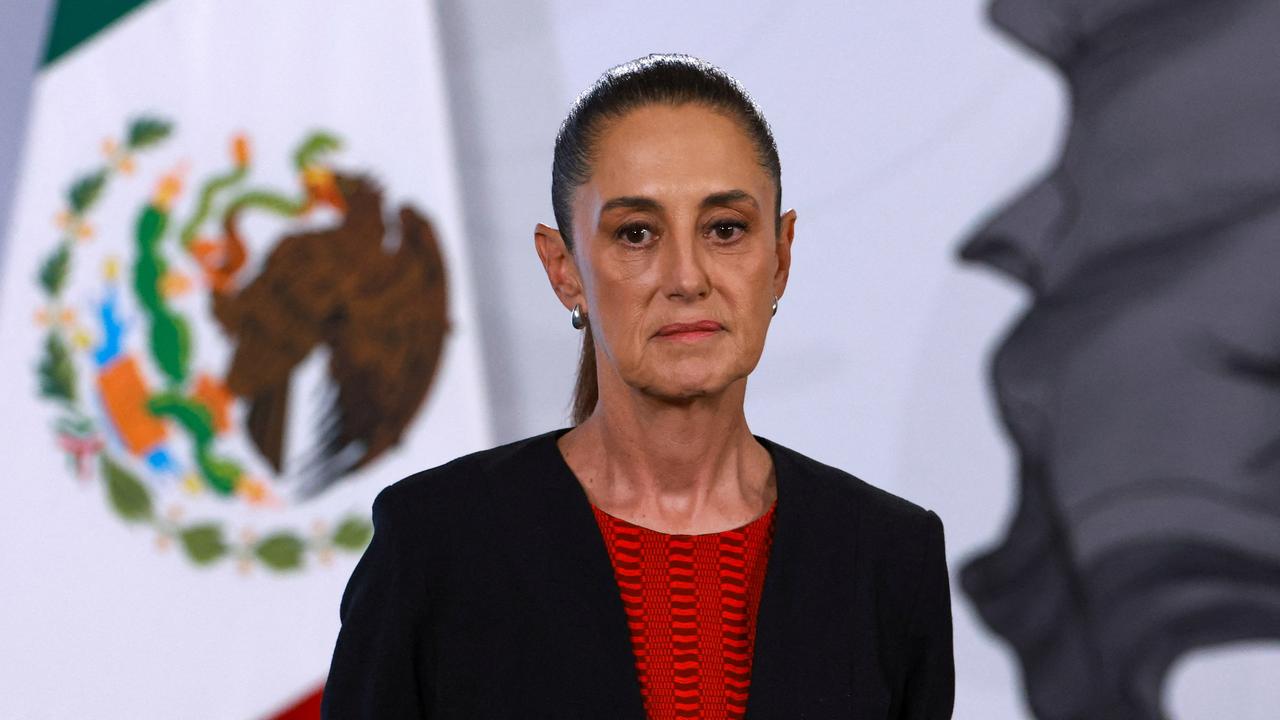
As the world turns its eyes to New Jersey, the presence of global leaders underscores the magnitude of the event. Mexican President Claudia Sheinbaum has confirmed she will attend the final following a formal invitation from United States President Donald Trump. This high-level meeting in the presidential box comes against a backdrop of intense geopolitical maneuvering, as the two leaders prepare to watch the culmination of a tournament that has tested the logistical and social fabric of the North American hosts.
President Trump, who will be making his sole appearance of the tournament at the final, has been vocal about the success of the 2026 event. During a recent reception at Trump Tower, the U.S. President lauded the tournament as the most successful sporting event in world history. "I thought we weren’t a soccer country," Trump remarked. "It turns out we are. I believe that will remain the case."
The presence of Spanish Prime Minister Pedro Sánchez and the Spanish Royal Family—King Felipe VI, Queen Letizia, and their daughters—adds another layer of European royalty to the American soil. The optics of these leaders convening in the heart of the New Jersey-New York metropolitan area highlight the enduring power of the World Cup to command the attention of the highest levels of government.
The FIFA Vision: The "Happiness Provider"
FIFA President Gianni Infantino has utilized the final days of the tournament to rebrand the governing body’s global image. During a press event at Trump Tower, Infantino delivered a sweeping address, calling the World Cup the "greatest human, social, and cultural event that humanity has ever experienced."
In a statement that has sparked both amusement and critique, Infantino declared, "The FIFA is the official happiness provider of humanity." While the rhetoric is quintessentially Infantino, the sentiment reflects a calculated effort to frame the tournament as an unmitigated success, regardless of the various controversies that have dotted the landscape—from pitch quality issues to political provocations between participating nations.
Chronology: The Road to the Final
The journey to the 2026 final has been marked by narrative shifts, injury scares, and tactical debates that have dominated headlines for weeks.
- The Rise of Spain: Following a decisive 2-0 victory over France in the semi-finals, Spain enters the final with immense momentum. Tactical brilliance from the coaching staff, combined with the emergence of young sensation Lamine Yamal, has made them a formidable force. Despite a health scare after a heavy challenge against France, Yamal has been cleared to play, with trainer Luis de la Fuente confirming his "optimal form."
- The Argentinian Resilience: Led by the legendary Lionel Messi, Argentina continues to defy expectations. Goalkeeper Emiliano Martínez, playing through a broken ringfinger sustained in May, has been a pillar of strength for the team. Martínez’s emotional pleas to his teammates to "enjoy the moment" have underscored the squad’s unity.
- The England Debacle: The elimination of England has led to a national soul-searching session. Manager Thomas Tuchel has faced scathing criticism from media and legends like Wayne Rooney and Gary Lineker for his perceived overly defensive tactics in the semi-final loss to Argentina. Even President Trump weighed in on the controversy, humorously questioning Tuchel’s decision to put Harry Kane, England’s best striker, into a defensive role.
Supporting Data: Infrastructure and Controversy
The tournament has not been without its logistical hurdles. The pitch at MetLife Stadium, initially criticized by players for being "hard and uneven," has undergone significant rehabilitation during a two-week buffer period. Alan Ferguson, FIFA’s head of pitch management, claims the surface is now at "95 percent" of the required standard, a stark contrast to the complaints voiced by players like Adrien Rabiot during the group stages.
Environmental concerns have also loomed large. A smoke warning, stemming from wildfires in Canada and Minnesota, forced health officials to issue air quality alerts across New York and New Jersey. While officials expect the air quality to improve by match day, the situation served as a reminder of the environmental fragility surrounding modern mega-events.
Furthermore, the final will be a departure from tradition. For the first time, a "Super Bowl-style" halftime show featuring Madonna, Shakira, and BTS will take place. This has drawn sharp criticism from former FIFA President Sepp Blatter, who decried the move as a "copy of the Super Bowl" and a dilution of the sport’s purity. The halftime break is expected to stretch to 25 minutes to accommodate the stage setup and performance, a significant deviation from the traditional 15-minute intermission.
Official Responses and Tactical Implications
The final is being framed as a tactical chess match. Rodri, Spain’s midfield maestro, has warned that Argentina is far more than just Lionel Messi. "We have shown we can beat great rivals, and now we face the toughest," Rodri stated, emphasizing that Spain’s approach will prioritize collective cohesion over individual heroics.
Meanwhile, Argentina continues to deal with the fallout of a controversial banner displayed by the team referencing the Falkland Islands. The British government has formally requested a FIFA investigation into the matter, citing the organization’s long-standing prohibition on political messaging. FIFA has remained uncharacteristically quiet on the issue, choosing to focus on the celebratory aspects of the final.
The Legacy of the 2026 World Cup
As the curtains fall, the implications of this tournament will resonate for years. The introduction of "Winner’s Rings"—a concept imported from American professional sports—to accompany the traditional gold medals marks a permanent shift in how FIFA rewards its champions.
The tournament has also highlighted the changing landscape of player movement and club economics. The record-breaking €70 million transfer of Swiss player Johan Manzambi to Aston Villa is a testament to the massive valuation shifts triggered by strong World Cup performances.
The exit of Didier Deschamps as French national coach, following the third-place match against England, marks the end of an era for Les Bleus. Deschamps, reflecting on his 14-year tenure, noted that "the curtain is falling," signaling a transition phase for one of the world’s footballing powerhouses.
Conclusion: A New Era for Global Football
The 2026 World Cup Final is more than a game; it is a synthesis of the modern age. It features the convergence of the world’s most popular sport with the geopolitical influence of the United States, the massive commercialization of the halftime show, and the enduring, almost mystical draw of players like Lionel Messi and Lamine Yamal.
Whether one views this as the "greatest event in human history," as Infantino suggests, or a bloated spectacle that sacrifices tradition for entertainment, one thing is certain: the eyes of the world will be fixed on the MetLife Stadium this Sunday. As Spain and Argentina take the pitch, they carry the weight of their respective nations, the scrutiny of global leaders, and the legacy of a tournament that has redefined the boundaries of sport, politics, and culture. The 2026 World Cup has proven that in an increasingly divided world, the language of football—for better or worse—remains the most powerful medium of global connection.