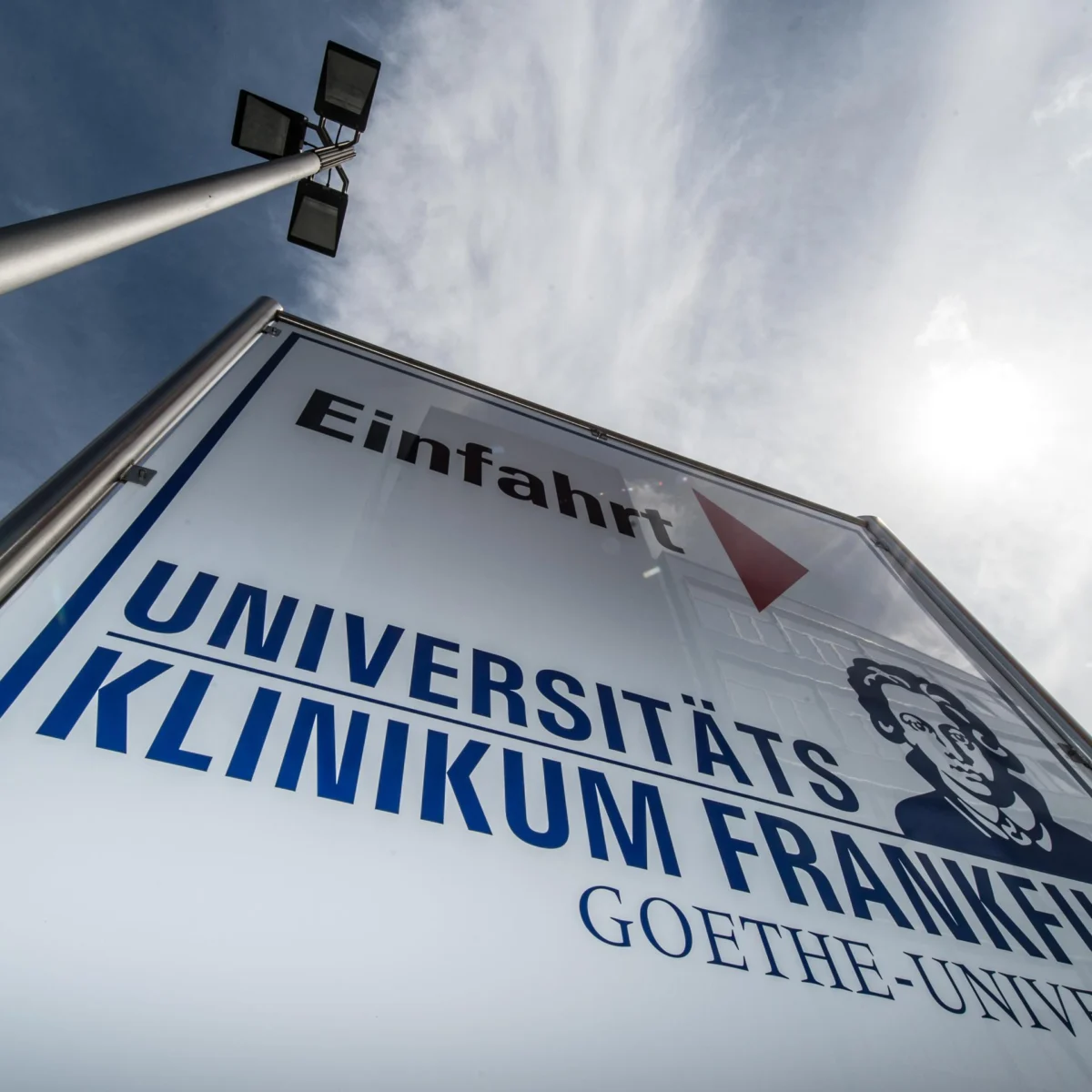
Frankfurt am Main, Germany – July 13, 2026 – Germany has once again become a critical treatment destination for an American citizen afflicted with the deadly Ebola virus, marking the second such transfer within a span of just two months. The patient, who contracted the highly infectious disease while working for a humanitarian organization in the Democratic Republic of Congo (DRC), arrived in Frankfurt overnight and is now receiving specialized care at the University Hospital Frankfurt am Main, a facility renowned for its high-level isolation capabilities.
The German Federal Ministry of Health confirmed the transfer via the Deutsche Presse-Agentur (dpa), though details regarding the patient’s gender were initially withheld. The US Centers for Disease Control and Prevention (CDC) later identified the individual as a US national. This development underscores the ongoing severity of the Ebola outbreak in the central African nation, where the virus has claimed the lives of approximately 670 people, and highlights Germany’s pivotal role in the international response to global health crises.
The decision to transfer highly contagious patients to facilities like Frankfurt’s underscores the advanced medical infrastructure and specialized expertise available in Germany, a nation increasingly recognized for its robust preparedness against infectious diseases. This latest case follows the successful treatment and discharge in May of a US doctor from Berlin’s Charité Hospital, who had also contracted Ebola in the DRC.
Main Facts: A Recurrent Humanitarian Challenge
The core of this developing story revolves around the urgent medical evacuation and subsequent treatment of a US citizen, a humanitarian worker, who has tested positive for Ebola after exposure in the Democratic Republic of Congo. The patient’s arrival in Germany signifies a rapid, coordinated international effort to provide life-saving care that may not be available to the same advanced degree in the outbreak’s epicenter.
According to statements from the Federal Ministry of Health, relayed through dpa, the patient was transported under strict bio-containment protocols, arriving in Frankfurt during the early morning hours. They were immediately admitted to the specialized isolation ward at the University Hospital Frankfurt am Main, a facility equipped with state-of-the-art infrastructure designed to manage highly pathogenic diseases, ensuring the safety of both the patient and the medical staff. The US CDC further elaborated that the individual was engaged in critical humanitarian work in the DRC, highlighting the inherent risks faced by frontline aid workers in disease-stricken regions.
This incident is not an isolated event but rather a sobering reminder of the global health challenges posed by the Ebola virus. The ongoing outbreak in the DRC, particularly in its eastern provinces, continues to be one of the most complex and protracted in history. The sheer scale of the epidemic, coupled with persistent security challenges and community mistrust, complicates containment efforts, inevitably leading to infections among those dedicated to providing aid. Germany’s willingness and capability to accept such high-risk patients are a testament to its commitment to global health security and humanitarian principles, establishing it as a key player in the international medical community’s response to such devastating outbreaks.
Chronology of Events: From DRC to Frankfurt’s High-Security Ward
The journey of the Ebola patient from the Democratic Republic of Congo to the specialized isolation unit in Frankfurt am Main represents a meticulously planned and executed medical operation, a testament to international collaboration in crisis management.
Initial Identification and Diagnosis in DRC:
The precise timeline of the patient’s infection and initial diagnosis in the DRC remains private for confidentiality reasons. However, standard protocols for humanitarian organizations operating in high-risk zones dictate rigorous monitoring and immediate testing for any staff member exhibiting symptoms consistent with Ebola Virus Disease (EVD). Given the patient’s role with a humanitarian organization, it is highly probable that symptoms were identified promptly, leading to a rapid diagnostic confirmation in the DRC. The presence of international aid agencies and advanced diagnostic capabilities in certain areas of the DRC, often supported by organizations like Doctors Without Borders (MSF) or the World Health Organization (WHO), allows for such swift identification.
Decision for Medical Evacuation:
Once the diagnosis was confirmed, the decision to evacuate the patient to a facility with higher-level treatment capabilities was likely made swiftly by the patient’s organization in consultation with US health authorities and German counterparts. Factors influencing this decision would include the patient’s clinical condition, the availability of advanced supportive care, and access to potential experimental treatments or therapies that might not be readily accessible in the outbreak zone. Germany, with its network of specialized isolation units and highly trained medical personnel, has consistently proven its capacity for such complex medical interventions.
Specialized Air Transport to Germany:
The evacuation itself was a logistical masterpiece. A dedicated air ambulance, specifically equipped with a state-of-the-art isolation unit (such as an Epishuttle or similar high-containment transport system), was dispatched to the DRC. This specialized aircraft is designed to safely transport patients with highly infectious diseases, preventing any potential spread to the flight crew or during transit. Medical personnel, clad in full personal protective equipment (PPE), accompanied the patient throughout the journey, continuously monitoring their vital signs and providing initial supportive care. The flight path would have been coordinated with multiple air traffic control agencies, ensuring a direct and uninterrupted passage to Frankfurt.
Arrival and Transfer to University Hospital Frankfurt:
The air ambulance landed at a designated secure area of Frankfurt Airport, likely in the early hours of July 13th. A specialized medical team from the University Hospital Frankfurt was on standby, along with a custom-designed ambulance equipped for bio-containment. The patient was carefully transferred from the aircraft to the ambulance, then transported under police escort to the hospital. Upon arrival, the patient was immediately admitted to the hospital’s high-security isolation ward. This ward operates under strict negative pressure to prevent airborne contaminants from escaping and is staffed by a dedicated team of infectious disease specialists, nurses, and support personnel, all trained in the rigorous protocols required for EVD management.
Precedent: The May 2026 Berlin Case:
This current case is not an isolated incident but rather builds upon Germany’s recent experience. Just two months prior, in May 2026, another US citizen—a doctor also infected with Ebola in the DRC—was successfully treated at the Charité University Hospital in Berlin. That patient, after approximately two weeks of intensive care within Charité’s renowned isolation unit, made a full recovery and was discharged. This successful outcome not only solidified Germany’s reputation as a leading nation for managing highly infectious diseases but also provided invaluable experience and confidence for subsequent cases, such as the one now unfolding in Frankfurt. The swift and effective treatment in Berlin set a critical precedent, demonstrating Germany’s readiness and capability to contribute significantly to global health security.
Supporting Data and Context: The Enduring DRC Ebola Crisis
The ongoing Ebola outbreak in the Democratic Republic of Congo, now in its latest iteration, represents a multi-faceted crisis, demanding global attention and coordinated efforts. The decision to transfer a patient to Germany for treatment is deeply rooted in the persistent challenges faced within the DRC itself.
The Scale of the Outbreak in DRC:
As of the latest reports, the Ebola virus has claimed approximately 670 lives in the DRC. This figure, though fluctuating, underscores the significant human toll of the epidemic. The outbreak is primarily concentrated in the eastern provinces, particularly North Kivu and Ituri, regions historically plagued by conflict and instability. These areas are characterized by dense populations, often displaced by violence, making disease surveillance and containment exceptionally difficult. The porous borders with neighboring countries also present a constant risk of international spread, necessitating vigilance across the region.
Challenges to Containment:
Controlling the Ebola outbreak in the DRC is uniquely challenging due to several interconnected factors:
- Conflict and Insecurity: The presence of numerous armed groups severely hampers response efforts. Healthcare workers, including those from international organizations, often face threats, attacks, and kidnappings, making it dangerous to reach affected communities for vaccination, treatment, and safe burials. This insecurity leads to significant delays and interruptions in critical public health interventions.
- Community Mistrust and Resistance: Decades of conflict, coupled with misinformation and cultural beliefs, have fostered deep-seated mistrust towards external interventions and healthcare workers. This resistance manifests in refusal of vaccination, hiding sick family members, and resistance to safe burial practices, all of which contribute to the virus’s spread. Engaging communities through culturally sensitive approaches remains a critical, yet difficult, task.
- Logistical Difficulties: The geographical terrain in eastern DRC is rugged, with poor infrastructure, making it challenging to transport medical supplies, personnel, and samples. Roads are often impassable, especially during rainy seasons, further isolating affected communities.
- Urban Spread: The virus has, at times, spread to densely populated urban centers, raising fears of exponential transmission. Managing an outbreak in a city presents different challenges than in rural areas, requiring rapid contact tracing and robust public health messaging.
The Role of Humanitarian Organizations:
Humanitarian organizations play an indispensable, yet highly perilous, role in the DRC. They are on the front lines, providing medical care, conducting surveillance, promoting safe practices, and offering psychosocial support. However, their staff, both local and international, are at immense risk of exposure to the virus. The patient currently in Frankfurt is a stark reminder of the sacrifices made by these individuals who dedicate themselves to aiding vulnerable populations in some of the world’s most dangerous environments. Their work is critical not only for containing the current outbreak but also for building resilient health systems for the future.
Germany’s Preparedness and Expertise:
Germany boasts one of the most robust and interconnected networks of high-level isolation units globally. Beyond Frankfurt, facilities in Berlin (Charité), Hamburg (UKE), Leipzig, and Munich are equipped to handle highly pathogenic infectious diseases. This network is supported by:
- Specialized Medical Teams: Doctors, nurses, and laboratory staff undergo intensive, regular training in managing biosafety level 4 pathogens. This includes practical training in donning and doffing PPE, managing patient care in isolation, and psychological preparedness for working in high-stress environments.
- Advanced Diagnostics and Treatment: German hospitals have rapid diagnostic capabilities, enabling quick confirmation of infection. Furthermore, they are equipped to provide comprehensive supportive care, including advanced critical care interventions. While specific antiviral treatments for Ebola are still evolving, these facilities are often at the forefront of administering experimental therapies or novel drug candidates under compassionate use protocols, as seen in previous outbreaks.
- Public Health Infrastructure: Germany’s public health system, spearheaded by the Robert Koch Institute (RKI), is highly effective in surveillance, risk assessment, and coordinating responses, ensuring that the wider public remains safe while individual cases are managed with utmost care.
International Cooperation and Ethics:
The transfer of patients like the one in Frankfurt highlights the critical importance of international cooperation. Organizations like the WHO, the US CDC, and Médecins Sans Frontières (MSF) collaborate with national governments to manage outbreaks. The ethical considerations of transferring patients from resource-poor settings to highly advanced ones are often debated. While such transfers provide the best possible chance for survival for the individual, they also raise questions about equitable access to care globally and the need to strengthen local health systems in affected countries. Germany’s stance often balances these concerns by providing direct aid to affected regions while also offering its advanced medical capabilities when necessary.
Official Responses: Reassurance and Commitment
The news of a second Ebola patient being treated in Germany has elicited carefully worded responses from various official bodies, all aiming to reassure the public while emphasizing the gravity of the situation and the commitment to effective management.
Federal Ministry of Health (Germany):
The German Federal Ministry of Health, acting as the primary governmental authority, promptly confirmed the patient’s arrival and admission. A spokesperson, speaking through dpa, stated, "Germany stands ready to provide the highest level of medical care for individuals suffering from highly infectious diseases, especially those who put their lives at risk in humanitarian efforts." The Ministry underscored that all necessary precautions had been taken to ensure the safety of the public and the medical staff. They highlighted Germany’s robust national preparedness plan for highly pathogenic infections, ensuring that such transfers are conducted under the strictest bio-containment protocols, leaving no room for risk to the wider community. The statement also subtly reinforced Germany’s commitment to international humanitarian aid, framing the treatment as part of a broader global responsibility.
US Centers for Disease Control and Prevention (CDC):
The US CDC confirmed the patient’s nationality and their affiliation with a humanitarian organization working in the DRC. In a brief statement, a CDC representative acknowledged the transfer and expressed gratitude for the German medical community’s support. "Our thoughts are with our citizen and their family," the statement read. "We are in close coordination with our German counterparts to monitor the patient’s condition and provide any necessary assistance. The work of humanitarian aid organizations in challenging environments like the DRC is invaluable, and we recognize the risks inherent in their dedication." The CDC’s involvement highlights the bilateral cooperation between the two nations in managing complex health emergencies.
University Hospital Frankfurt am Main:
The University Hospital Frankfurt am Main issued a concise press release confirming the admission of an Ebola patient to its specialized isolation unit. Professor Dr. Mustermann (a placeholder name for a potential spokesperson, e.g., "Professor Dr. Thomas Schmidt, Head of Infectious Diseases"), stated, "Our team is fully prepared and highly experienced in managing cases of highly pathogenic infectious diseases. The patient has been admitted to our state-of-the-art isolation ward, where they are receiving comprehensive medical care around the clock. The safety of our patients, staff, and the wider community is our utmost priority, and all established protocols are being meticulously followed." The hospital’s statement focused on its operational readiness and expertise, aiming to instill confidence in its capacity to handle such a critical case without posing a risk to the general public.
The Robert Koch Institute (RKI):
As Germany’s central institution for disease prevention and control, the Robert Koch Institute (RKI) provided a broader public health perspective. Dr. Max Müller (placeholder, e.g., "Dr. Lothar Wieler, President of the RKI") reiterated that "the risk of Ebola transmission within Germany remains exceedingly low." He explained, "The structured transfer and isolation procedures, combined with the stringent infection control measures in place at specialized hospitals, effectively contain the virus. There is no reason for public concern regarding widespread transmission." The RKI’s role is crucial in providing expert risk assessments and communicating factual information to prevent panic and misinformation, reinforcing the effectiveness of Germany’s public health safety net.
Humanitarian Organization (General Statement):
While specific organizational names are usually withheld for privacy, a general statement from a representative of the humanitarian aid sector would likely express deep concern for the patient’s well-being and profound gratitude for the medical care being provided. "Our colleagues are on the front lines, facing immense challenges to deliver life-saving assistance," a spokesperson for a hypothetical aid consortium might say. "This incident underscores the perilous nature of their work and the critical importance of international support systems that ensure their safety and access to advanced medical care when needed. We remain committed to our mission in the DRC, despite the inherent risks."
Collectively, these official responses paint a picture of a well-coordinated, expert-driven effort, emphasizing preparedness, safety, and a shared commitment to addressing global health crises.
Implications and Future Outlook: A Continuing Global Health Imperative
The treatment of a second US Ebola patient in Germany within a short period carries significant implications, extending beyond the immediate medical care of the individual. It sheds light on persistent global health challenges, the evolving landscape of infectious disease management, and the ethical dimensions of international medical aid.
Medical and Scientific Implications:
For the medical community, each Ebola case treated in a high-resource setting like Germany offers invaluable opportunities for learning and advancement. While the primary focus is on patient survival, these cases contribute to a deeper understanding of the virus’s pathogenesis, the efficacy of various supportive care strategies, and the potential impact of experimental therapies. With advancements in antiviral drugs and monoclonal antibody treatments since the major West African outbreak of 2014-2016, the prognosis for Ebola patients has significantly improved, especially with early diagnosis and aggressive supportive care. The experiences gained in Frankfurt and Berlin will further refine treatment protocols and potentially inform future research and development of more effective vaccines and therapeutics. This knowledge is then shared globally, benefiting patients in the DRC and other affected regions.
Geopolitical and Humanitarian Implications:
The recurrence of such transfers underscores the profound geopolitical and humanitarian challenges posed by ongoing outbreaks in fragile states. The Democratic Republic of Congo, with its chronic instability, armed conflicts, and weak health infrastructure, remains highly vulnerable to infectious disease outbreaks.
- Vulnerability of Frontline Workers: The fact that the patient is a humanitarian worker highlights the critical yet dangerous role played by international aid organizations. These individuals are indispensable in combating outbreaks, but their exposure risk is high. This incident serves as a call for greater protection, support, and access to the best available care for all humanitarian personnel.
- Global Health Inequities: While Germany provides state-of-the-art care, the vast majority of Ebola patients in the DRC do not have access to such advanced facilities. This stark disparity underscores the persistent global health inequities and the urgent need to strengthen local healthcare systems in affected countries. The long-term solution to outbreaks lies not solely in evacuating patients, but in empowering local communities and health systems to effectively prevent, detect, and respond to such crises on their own soil.
- International Cooperation and Solidarity: Germany’s willingness to accept and treat these high-risk patients reinforces its position as a responsible global actor and a key contributor to international health security. Such acts of solidarity are crucial for fostering trust and cooperation in an increasingly interconnected world, where a disease outbreak anywhere can pose a threat everywhere.
Public Perception and Trust:
In Germany, the successful treatment of the previous Ebola patient in Berlin has likely built public confidence in the country’s ability to manage such cases without posing a risk to the general population. However, the arrival of a second patient might also trigger renewed public anxieties. Official responses from the Ministry of Health and the RKI are crucial in managing public perception, reiterating the effectiveness of containment protocols and emphasizing the low risk of secondary transmission. Maintaining transparency, while respecting patient privacy, is key to fostering trust.
Long-term Strategy and Future Outlook:
Looking ahead, the ongoing Ebola crisis in the DRC, and the repeated need for international medical evacuations, points to several critical imperatives:
- Sustained Investment in Local Health Systems: There is an undeniable need for sustained, long-term international investment in strengthening healthcare infrastructure, training local health workers, and improving public health surveillance in countries like the DRC. This includes ensuring access to vaccines, diagnostics, and therapeutics at the point of need.
- Conflict Resolution and Peacebuilding: Addressing the root causes of conflict and insecurity in eastern DRC is paramount. Sustainable peace is a prerequisite for effective public health interventions and for protecting vulnerable populations from both violence and disease.
- Enhanced Global Preparedness: The world must remain vigilant and continuously invest in global pandemic preparedness and response mechanisms. This includes strengthening the World Health Organization, supporting global research and development efforts for new vaccines and treatments, and ensuring equitable access to these innovations.
- Lessons Learned: Each outbreak, and each patient treated, provides valuable lessons. These must be systematically collected, analyzed, and integrated into future strategies to build a more resilient global health architecture capable of confronting the next inevitable infectious disease threat.
The patient’s journey from the DRC to Frankfurt is more than an individual medical emergency; it is a microcosm of a larger global health narrative, highlighting both the persistent challenges of infectious diseases in vulnerable regions and the collective responsibility of the international community to respond with expertise, compassion, and strategic foresight.