In a quiet corner of the Saxon countryside, ten kilometers west of Dresden, a radical experiment is underway. It is a project that seeks to bridge the chasm between industrial-scale agriculture and ecological restoration. Here, amid the rustling stalks of golden oats, the hum of insects is not a fading memory, but a thriving reality.
For decades, the standard narrative of modern farming has been one of stark separation: vast, sterile monocultures optimized for yield, versus designated "set-aside" areas or flower strips pushed to the margins of the field. Now, a team of researchers led by Professor Knut Schmidtke of the Dresden University of Applied Sciences (HTW Dresden) is challenging this paradigm. By integrating blooming flora directly into the heart of the grain crop, they are pioneering a concept that could redefine the future of food production.
The Core Concept: Redefining the Agrarian Landscape
The "Blühhafer" (Flowering Oat) project operates on a simple but disruptive principle: Why separate the crop from the biodiversity it should ideally support?
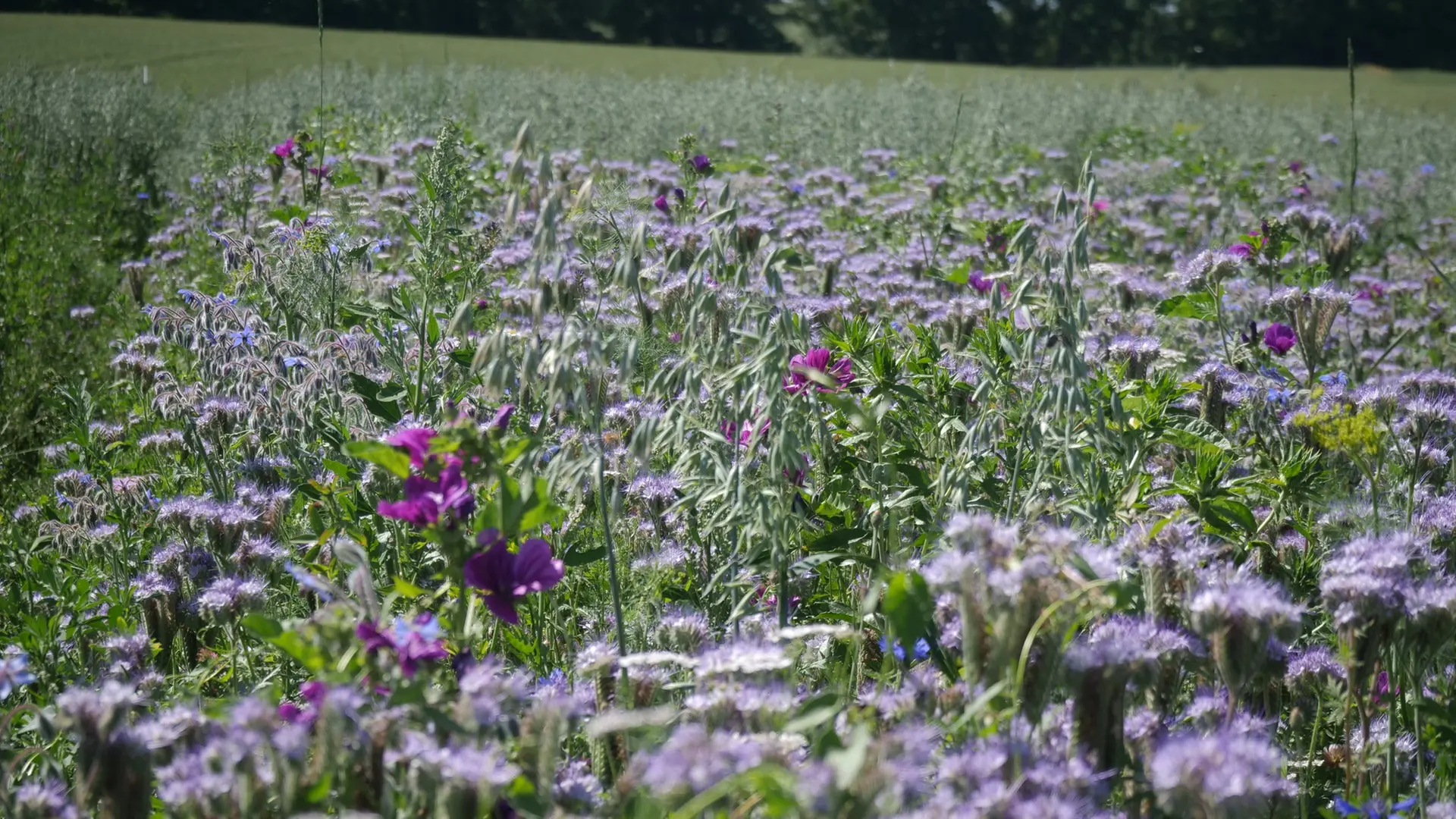
"We are attempting to transform agricultural culture in such a way that we do not simply use the target plant as a raw material or food source," explains Professor Schmidtke. "Instead, we cultivate companion plants alongside the main crop—plants that provide a tangible benefit to pollinators and beneficial insects, covering the entire surface of the field."
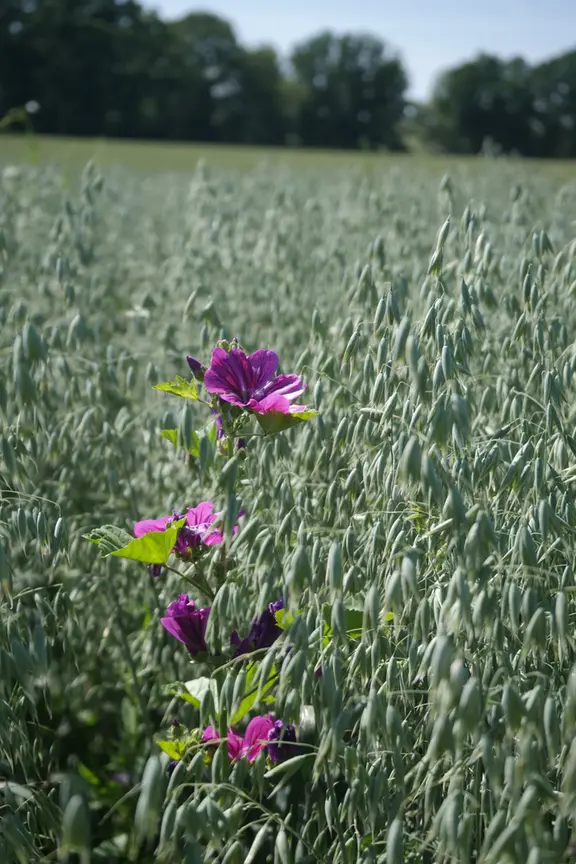
The experiment utilizes a variety of arrangements. In some test plots, flowering plants are sown in single or double rows between the oat stalks. In others, the researchers have created "flowering lanes"—1.5-meter-wide strips of wildflowers alternating with 12-meter-wide bands of oats. This layout is designed not only to provide food for bees, butterflies, and hoverflies but also to serve as a high-speed "pollinator highway" through the landscape.
A Chronology of the Experiment
The path to this prototype has been one of rigorous iteration.
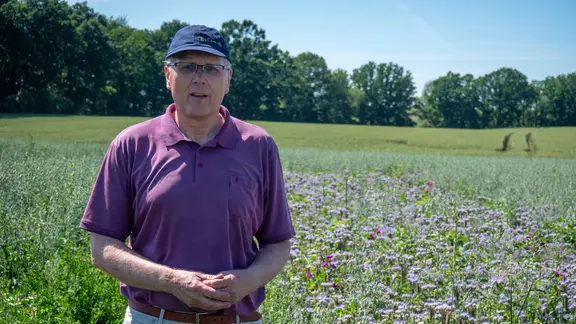
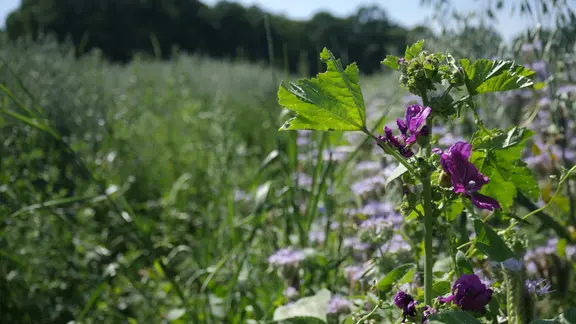
- Phase 1: Species Selection (Year 1): The team spent a full year identifying 16 plant species that could thrive in the shadow of the oats without suppressing the crop’s yield. The selection includes Phacelia (a classic "bee pasture"), mallows, dill, coriander, and the iconic sunflower. Each plant was chosen for its ability to bloom synchronously with the needs of local insect populations while maintaining compatibility with agricultural machinery.
- Phase 2: Field Implementation (Current Stage): Working with organic farmer Frank Pötzsch, the researchers began planting on a production scale. Pötzsch, who is an advocate for sustainable agriculture, chose oats specifically for their robustness and rapid early growth, which effectively suppresses weeds—a crucial factor when companion plants are competing for sunlight and soil nutrients.
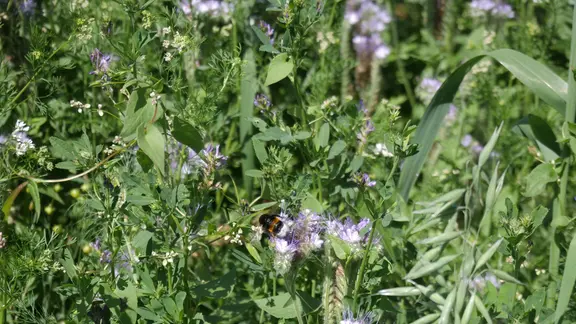
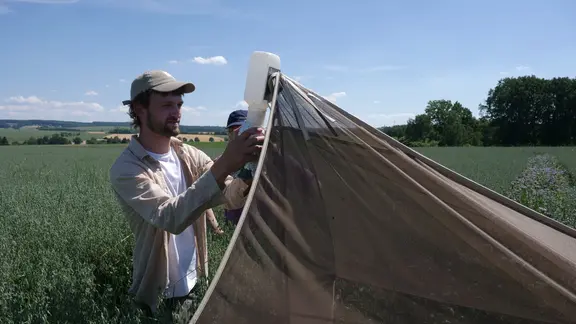
- Phase 3: Data Collection: To ensure the project moves beyond anecdotal evidence, the team deployed "Malaise traps" across the fields. These scientific instruments, which capture flying insects in a non-selective manner, allow researchers to quantify the increase in biomass and species diversity compared to traditional monoculture fields.
Supporting Data: The Scale of the Crisis
The urgency of this project cannot be overstated. Decades of agricultural intensification—characterized by the removal of hedgerows, the heavy use of pesticides, and excessive fertilization—have left the European landscape depleted.
Current scientific data paints a grim picture of the decline:
- Butterflies: Populations have plummeted by 47 percent since 1991.
- Farmland Birds: Species that rely on the open, rural landscape have seen a decline of 57 percent.
- Insects/Pollinators: Some studies estimate that we have lost up to 75 percent of total insect biomass in certain regions over the last few decades.
The "Blühhafer" project arrives at a critical juncture. With the implementation of the EU’s Nature Restoration Law, member states are under increasing pressure to set binding, quantifiable targets for the recovery of ecosystems. The Dresden model provides a practical, scalable blueprint for how these targets can be met without sacrificing the land’s primary purpose: the production of human food.
Official Responses and Strategic Implications
The project has garnered significant interest from both the scientific community and agricultural policymakers. While the formal results are expected to be compiled and published this autumn, early observations suggest a success that is both audible and visible.
"If we succeed here, this will be the starting point for developing similar concepts in other crop systems," says Professor Schmidtke. The goal is to move beyond the experimental plot and into the supermarket. By branding the output as "Blühhafer," the project hopes to create a market-ready product—such as oat flakes or oat drinks—that carries the true cost of biodiversity-friendly farming.
While the end product may carry a slight price premium to compensate for the labor and land-use requirements, the researchers believe that consumers are increasingly willing to pay for products that tangibly contribute to the reversal of the biodiversity crisis.
Economic Viability: The Farmer’s Perspective
A crucial component of this research is its economic feasibility. Frank Pötzsch, the farmer providing the land, emphasizes that the project must be more than just a philanthropic endeavor.
"Oats are a resilient crop," Pötzsch notes. "They have a quick development phase, which is excellent for weed control, and there is a steady demand in the market."
By proving that the "flowering lanes" do not catastrophically reduce yield, the project team is addressing the primary fear of the agricultural sector: that environmental conservation is fundamentally incompatible with economic survival. If the "Blühhafer" can yield a profit while providing a home to thousands of pollinators, it removes the last barrier to widespread adoption.
Implications for Future Agriculture
The project’s implications extend far beyond the borders of Saxony. It represents a shift from "extraction-based" agriculture to "coexistence-based" agriculture.
1. Breaking the Binary
The most profound impact is the dissolution of the "field vs. flower strip" binary. By creating a mosaic of production and conservation, the land itself becomes an ecosystem. This has the potential to reduce the need for external chemical inputs by fostering natural predator-prey dynamics—where beneficial insects thrive in the flowering lanes and, in turn, control crop pests.
2. Consumer Education
By branding the final product, the project creates a direct link between the breakfast table and the field. Every box of "Blühhafer" sold acts as a voter’s ballot, signaling to the industry that the public values the health of the planet as much as the nutritional profile of the grain.
3. Policy Alignment
The project provides a ready-made solution for government officials struggling to implement the EU’s ambitious green goals. Instead of demanding that farmers take vast swaths of land out of production, this method allows them to integrate conservation directly into their existing crop cycles, making compliance easier and more sustainable.
Conclusion: A Hopeful Horizon
As the sun sets over the Dresden test site, the contrast is stark. In the neighboring fields, the land is silent, defined by its uniformity. Here, in the "Blühhafer" plots, the ecosystem is alive.
The researchers are already planning to expand the experiment next year, covering larger areas and testing different combinations of crops. They are not claiming to have solved the entire biodiversity crisis, but they have proven that the rigid, sterile fields of the past are not the only way to farm.
"We want to reach the opposite of what has been done for decades," concludes Professor Schmidtke. "We want to show that we can offer far more for specific insects within the agricultural production area than we have ever offered before."
In the rustle of the oats and the steady hum of the bees, there is a clear message: agriculture can be a force for restoration. If the "Blühhafer" project continues to scale, it may be the catalyst for a quiet, green revolution—one that feeds our bodies while healing our land.