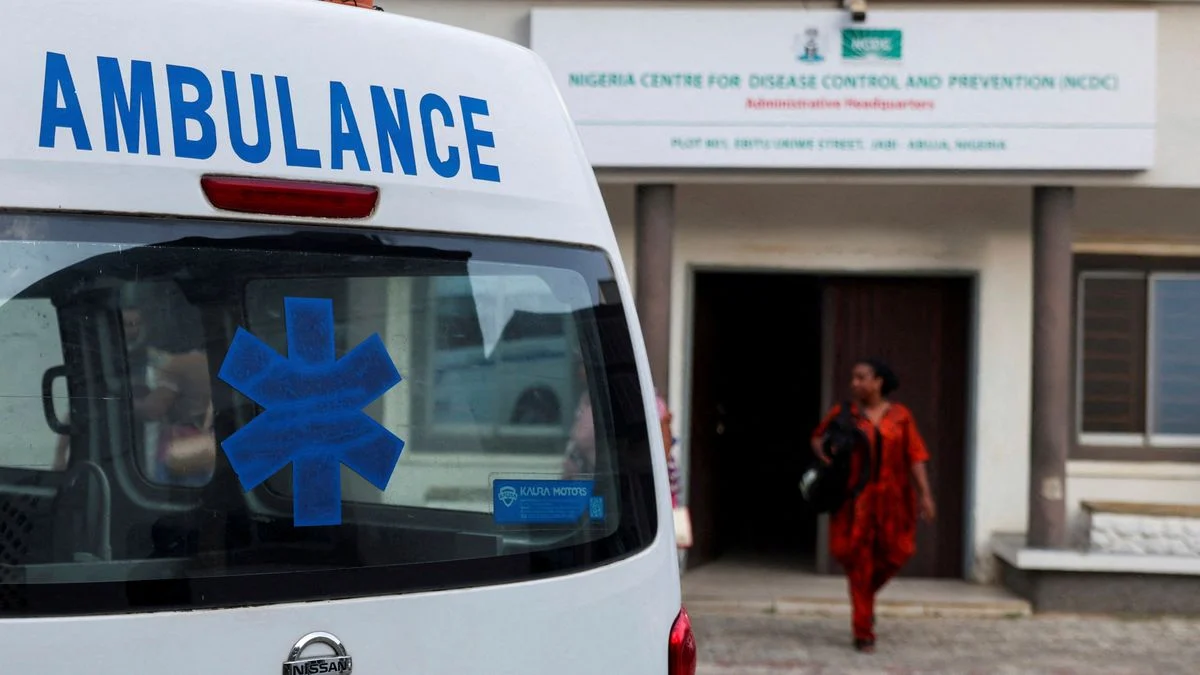
As temperatures across Germany soar to a staggering 41.7°C, the nation finds itself grappling with a "heat dome" that has shattered historical records. Once considered a seasonal inconvenience, extreme heat is now being recognized as a systemic public health emergency that threatens not only the vulnerable but the very foundation of the labor market and urban infrastructure.
The Escalation: A New Reality of Scorching Temperatures
The data from early July 2026 is unequivocal: Germany is experiencing a climate phenomenon of unprecedented scale. Following a series of record-breaking days, the country saw a peak of 41.7°C, accompanied by "tropical nights" where temperatures refused to drop below 20°C. Meteorologists describe this as a "heat dome"—a powerful high-pressure system that traps hot air over Europe, turning the continent into an oven.
While heatwaves are a recurring meteorological event, the current intensity is "unprecedented for the time of year," according to experts. The persistence of these temperatures, coupled with high humidity, has created a dangerous environment where the human body can no longer efficiently cool itself, regardless of an individual’s baseline fitness or health status.
The Biological Threshold: When the Body Fails
Human beings have evolved to function optimally at a core body temperature of 36.5°C, ideally in an ambient temperature of around 23°C. Professor Claudia Traidl-Hoffmann, Director of the Institute for Environmental Medicine at the University Hospital Augsburg, warns that we are pushing our physiological limits.
"At temperatures outside these ranges, our systems no longer function optimally," Traidl-Hoffmann explains. "We lose the ability to think clearly, cognitive performance drops, and labor efficiency plummets. When the body fights to keep its core temperature stable, it effectively ‘shuts down’ other metabolic processes."
The danger is not confined to the elderly or the chronically ill. Recent weeks have seen healthy, athletic individuals suffer from multi-organ failure. Traidl-Hoffmann recalls cases of marathon runners and laborers who were hospitalized in intensive care units after overestimating their resilience. "Heat is fundamentally a danger to everyone," she stresses.
The Humidity Factor: A Multiplier of Risk
The lethal potential of a heatwave is not dictated by the thermometer alone. Max Bürck-Gemassmer, deputy chairman of the German Alliance for Climate Change and Health (KLUG), highlights the critical role of humidity.
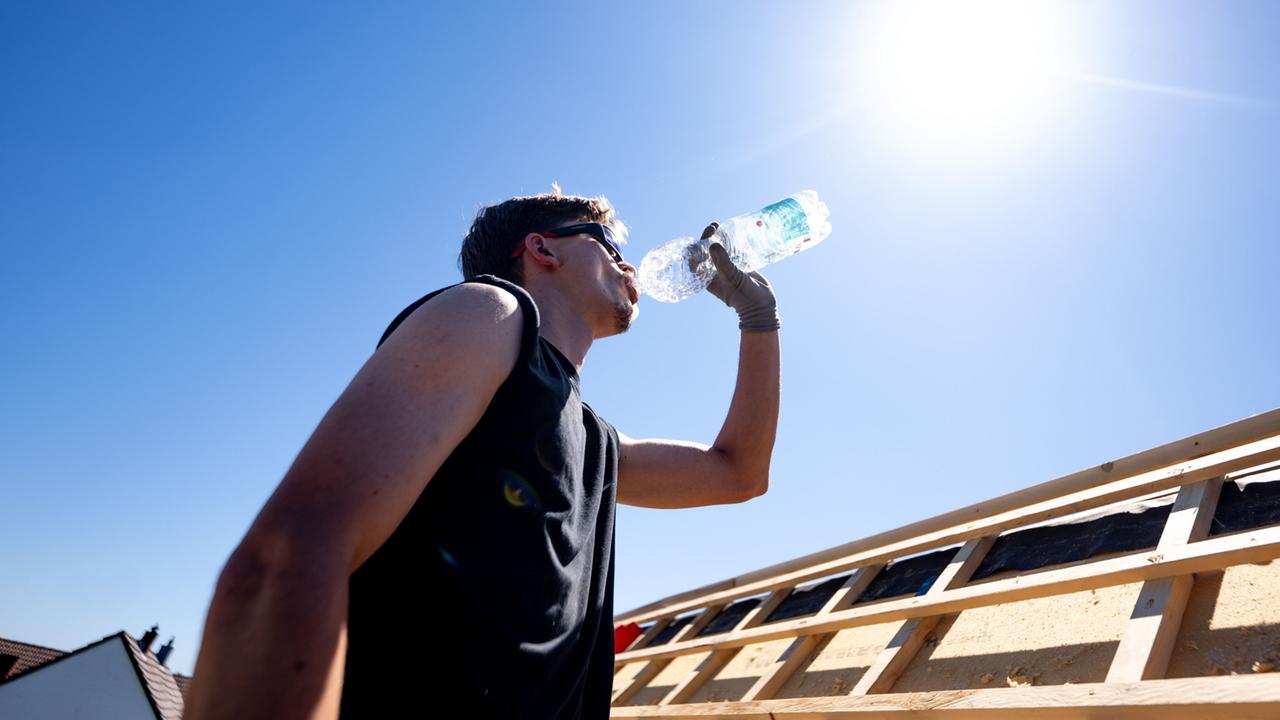
"The higher the humidity, the harder it is for the body to dissipate heat through sweat," he notes. Previously, it was believed that healthy individuals could survive up to six hours in 35°C heat at 100% humidity. New data suggests this threshold is significantly lower—potentially as low as 31°C for the average person. With German humidity levels often fluctuating between 50% and 80%, the risk of heatstroke becomes a daily threat during these summer peaks.
Economic Consequences: The Cost of Overheating
Beyond the medical toll, the economic impact is massive. A report by the research institute Prognos highlights that a single extreme heat day costs the German economy at least 430 million euros. This loss is driven by "efficiency drops"—when cognitive fatigue leads to reduced output in offices, construction sites, and hospitals.
"If I can only process five emails instead of thirty because my brain is fogged by the heat, or if a doctor can only treat half their usual patients, that is a direct economic contraction," says Traidl-Hoffmann. In this context, climate protection is not merely an environmental policy; it is "economic protection."
Infrastructure and Urban Planning: The "Heat Island" Problem
Germany’s urban landscape is currently a contributor to the crisis. Cities are characterized by asphalt-heavy, concrete-dense environments that store heat throughout the day and release it at night. In some urban "heat hotspots," temperatures can be 8 to 10 degrees higher than in surrounding rural areas.
Experts argue that current building standards are woefully inadequate. Schools, hospitals, and residential homes are often built without sufficient thermal insulation, natural ventilation, or green shading. "We need to move toward climate-resilient architecture," says Traidl-Hoffmann. This includes widespread urban greening, mandatory shading for new developments, and the retrofitting of existing structures to prevent the "oven effect" in apartment buildings.
Policy Gaps: The Struggle for Institutional Change
Despite the obvious danger, institutional responses remain fragmented. While heat action plans have been developed, they often suffer from a lack of consistent funding and staffing.
Max Bürck-Gemassmer calls for a fundamental overhaul of labor laws. For sectors such as construction, policing, and emergency services, he advocates for mandatory, legally binding heat protocols. This would include flexible working hours, mandatory shaded rest areas, and in extreme cases, temporary work stoppages to prevent the collapse of the healthcare system under a surge of heat-related injuries.
While Federal Environment Minister Carsten Schneider has suggested that the 100-billion-euro special fund for infrastructure and climate neutrality could be tapped for municipal heat protection, experts remain skeptical. The scale of the "mammoth task" of cooling down German cities requires more than just one-off funding; it requires a structural commitment to public health that transcends current fiscal cycles.
Protecting the Vulnerable: A Social Responsibility
The most tragic consequences of heatwaves are often hidden behind closed doors. The elderly and the isolated are the most frequent casualties of extreme heat.
"The main group dying during heatwaves are people who can no longer leave their top-floor apartments and who, due to cognitive decline or isolation, are unable to call for help," notes Bürck-Gemassmer. He urges a societal shift: checking on neighbors, particularly those living in the upper floors of older, non-insulated buildings, is now a necessary act of public safety.
Conclusion: The Path Forward
The 2026 heatwave serves as a sobering reminder that the climate crisis is not a distant threat—it is an immediate, daily reality. The scientific consensus is clear: while individual protective measures like hydration, early-morning ventilation, and specialized cooling clothing are necessary, they are not enough.
"We are reaching the limits of adaptation," says Bürck-Gemassmer. "The later we act, the more expensive it will become—not just in euros, but in human lives."
To mitigate the worst impacts, Germany must accelerate its transition toward a climate-resilient society. This involves a three-pronged approach: rigorous climate protection to address the root cause, massive investment in urban cooling infrastructure to protect the population, and the implementation of strict, mandatory labor protections for the workforce. As the mercury continues to climb, the message from the medical community is unanimous: the time for incremental change has passed. We must rethink how we live, work, and build in a warming world.