In the heat of a German summer, a public facility in Halle (Saale), Saxony-Anhalt, has ignited a nationwide debate over social cohesion, discriminatory practices, and the limits of “house rules.” Mathias Nobel, the manager of the popular Heidebad, has implemented a controversial policy: guests who do not possess sufficient German language skills are now subject to potential entry refusal. While the operator frames the decision as a pragmatic safety measure, critics and civil rights observers see it as a thinly veiled exclusionary practice that targets marginalized groups.
The Core Policy: “Safety” or Discrimination?
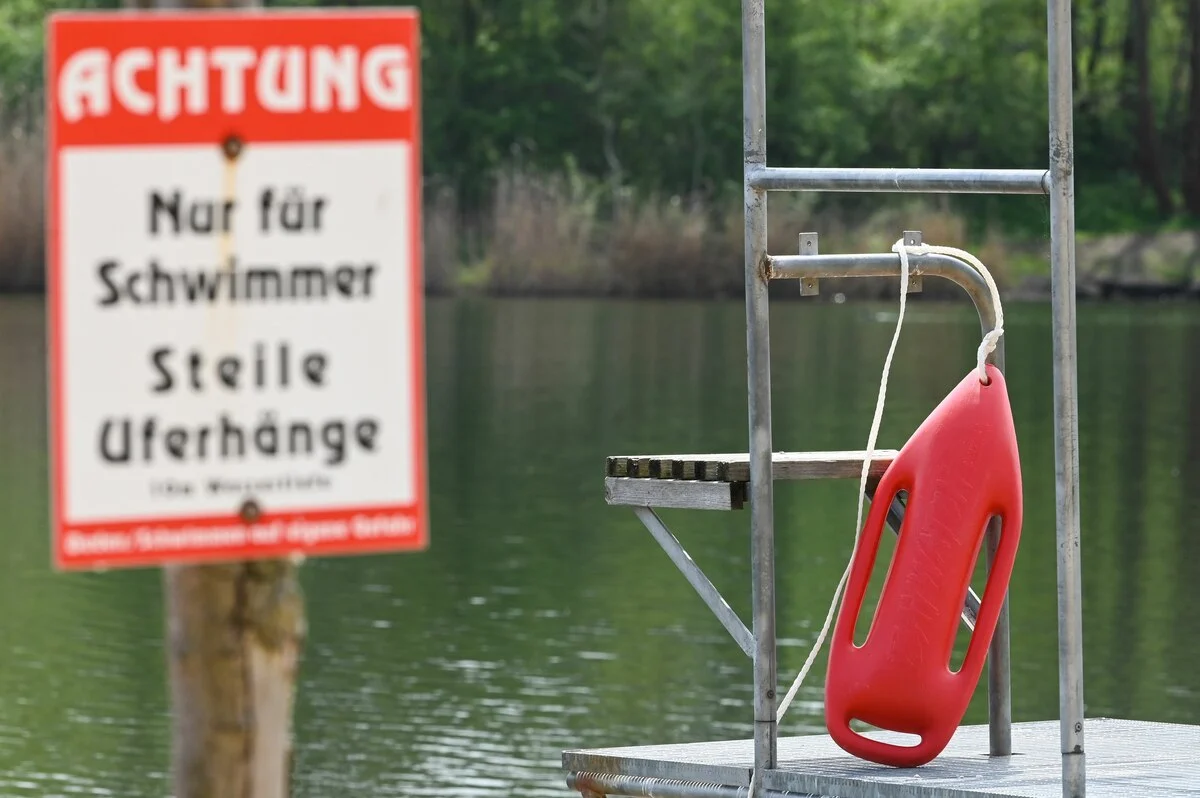
The rule, which has been in effect for several days, stipulates that staff at the entrance will assess whether prospective bathers understand the posted safety regulations. If a guest—or a group—demonstrates significant difficulties in comprehending German, the management reserves the right to deny them access.
“We must be certain that visitors understand our swimming rules, and we must be consistent to ensure the safety of all bathers,” Nobel told the German Press Agency (dpa). He describes the measure as a necessary evolution in his facility’s management, particularly during high-traffic summer days when the sheer volume of visitors makes it difficult for staff to supervise everyone effectively.
The policy has drawn immediate fire. By tying the right to use public recreational space to linguistic proficiency, the Heidebad has entered a legal and ethical grey area. Critics argue that such a policy is inherently discriminatory, as it lacks objective criteria and places the power of "gatekeeping" into the hands of staff members who may harbor implicit biases.
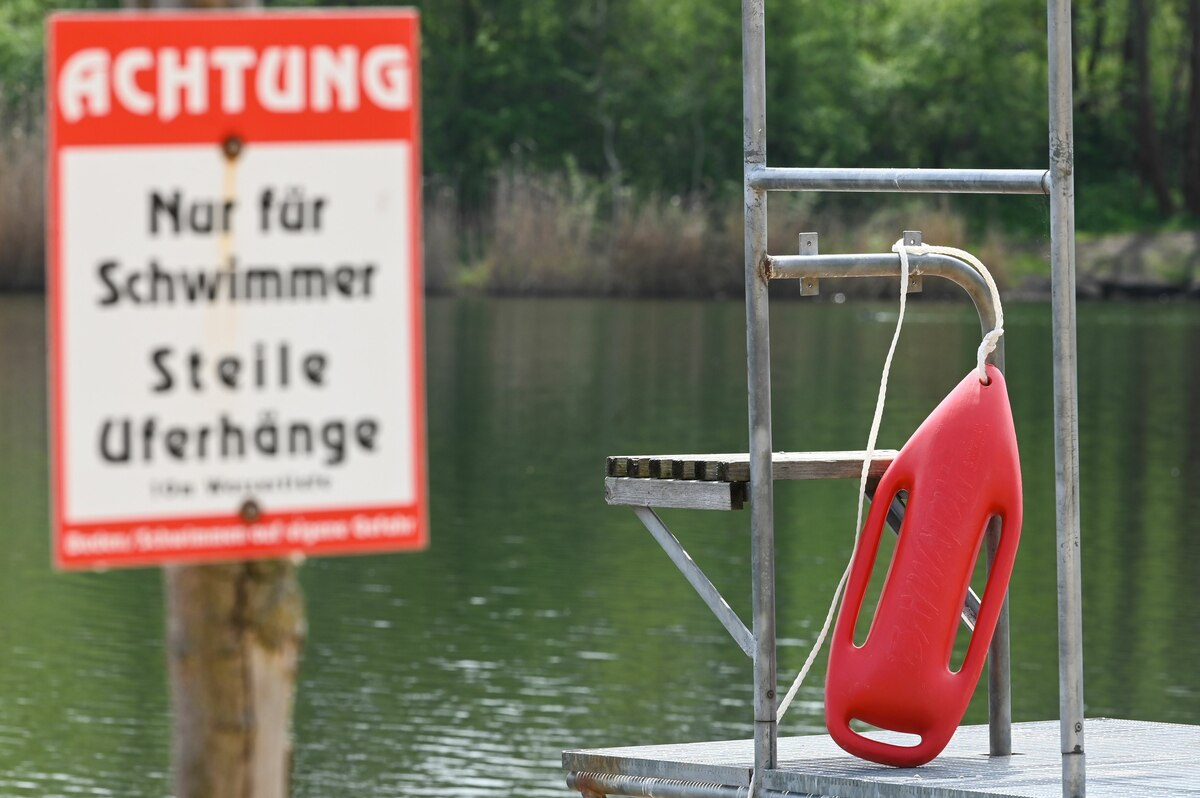
A Chronology of the Decision
The impetus for this policy, according to Nobel, was an incident that occurred during the previous weekend. As a trained lifeguard, Nobel intervened to rescue a small child who had ventured into water that was too deep for their swimming ability.
Following this event, management argued that the responsibility for safety cannot rest solely on lifeguards. They claim that parents and supervisors must also be capable of understanding the rules and responding to direct instructions from the staff. According to Nobel, there have been past instances where communication between staff and bathers broke down entirely, leading to situations where lifeguards were forced to use translation apps—a process that management claims is unsustainable given the current workload and staffing limitations at the pool.
The decision was not made in a vacuum. The management maintains that they had already tried to mitigate risks through signage and verbal communication. The "language check" at the door is, in their view, simply the final step in a necessary security strategy.
The Broader Context: Saxony-Anhalt’s Political Climate
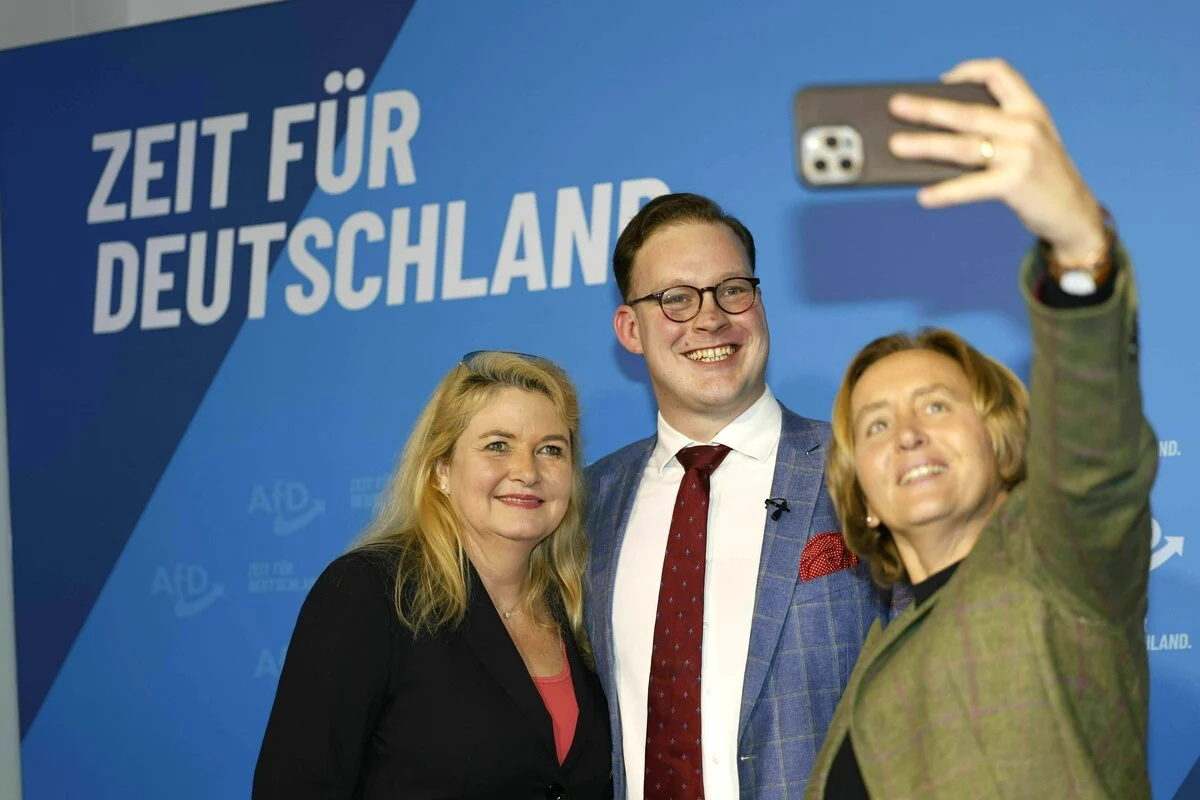
It is impossible to analyze the situation in Halle without addressing the volatile political atmosphere of Saxony-Anhalt. As the state approaches a crucial landtag election, the political discourse has shifted significantly to the right. The far-right Alternative for Germany (AfD) party is currently polling at over 40 percent in the region, raising the specter of a potential absolute majority.

This political shift has been accompanied by a documented rise in hate crimes and xenophobic sentiment. According to the Mobile Opferberatung (Mobile Victim Counseling) in Saxony-Anhalt, there were 229 registered instances of right-wing, racist, antisemitic, and queer-hostile attacks in the state last year alone. Of these, 130 were explicitly motivated by racism, with 68 victims being children or adolescents.
In this context, the Heidebad policy is seen by many activists not as a neutral safety rule, but as a symptom of a growing intolerance toward non-German speakers. When a business imposes language barriers as a condition for entry, it risks signaling that certain segments of the population—immigrants, refugees, and tourists—are unwelcome in public spaces.
Official Responses and Public Reaction
The management of the Heidebad has doubled down on their stance, despite the backlash. Nobel insists that while the policy has drawn criticism, the management remains "consistent." He claims that his primary motivation is to relieve the burden on his staff, who are already at their breaking point.
However, legal experts and social observers are raising questions about the legality of this "language test." Under German law, public accommodation must generally be open to all, provided they follow the rules of the facility. Denying access based on language could potentially violate the General Equal Treatment Act (AGG), which prohibits discrimination based on ethnic origin.

While the operator claims the policy is about "understanding the rules," opponents point out that there are many ways to communicate safety regulations—such as pictograms, multilingual leaflets, or visual demonstrations—that do not involve judging a person’s grasp of the German language at the gate. By choosing an exclusionary path, the facility has effectively placed the burden of proof on the visitor to prove their "German-ness" before they are allowed to enjoy the water.
Implications for Social Cohesion
The incident at the Heidebad is more than a local dispute; it reflects a deeper struggle within Germany regarding the integration of diverse populations and the preservation of public order.
The Argument for Operational Control
Proponents of the policy argue that private or semi-private operators have a duty to manage their facilities in a way that minimizes liability. If a lifeguard cannot warn a guest of a danger because the guest does not speak the language, the risk of drowning or injury increases. From this perspective, the policy is an exercise in responsible management.
The Argument for Inclusion and Rights
Conversely, civil rights advocates argue that this is a dangerous precedent. If one public facility is allowed to set a language requirement, what stops other venues—restaurants, cinemas, or transport services—from doing the same? This could lead to a fragmented society where individuals are segregated based on their linguistic background, effectively creating a "two-tier" society.

Furthermore, the focus on "German language skills" serves as a proxy for racial profiling. In a diverse city like Halle, the assumption that a non-German speaker is automatically a "danger" or incapable of following rules is a form of prejudice that reinforces existing societal divisions.
Conclusion: A Test of Democratic Values
The case of the Heidebad in Halle is a microcosm of the challenges facing contemporary Germany. It brings into sharp focus the tension between the need for public safety and the fundamental right to equal treatment.
As the state of Saxony-Anhalt moves toward a potentially transformative election, the rhetoric used in the public sphere—whether it concerns swimming pools or political platforms—will have lasting effects. The decision to prioritize "language proficiency" over universal access is one that resonates far beyond the gates of the pool. It challenges the community to decide what kind of society it wants to be: one that uses language as a barrier to exclude, or one that uses communication to bridge differences and ensure the safety and inclusion of all.
For now, the Heidebad continues to operate under its new, restrictive regime. Whether this policy will stand up to legal scrutiny or public pressure remains to be seen. However, the outcry it has generated suggests that for many, the "safety" of the pool is being bought at too high a price: the erosion of equality in the public square.