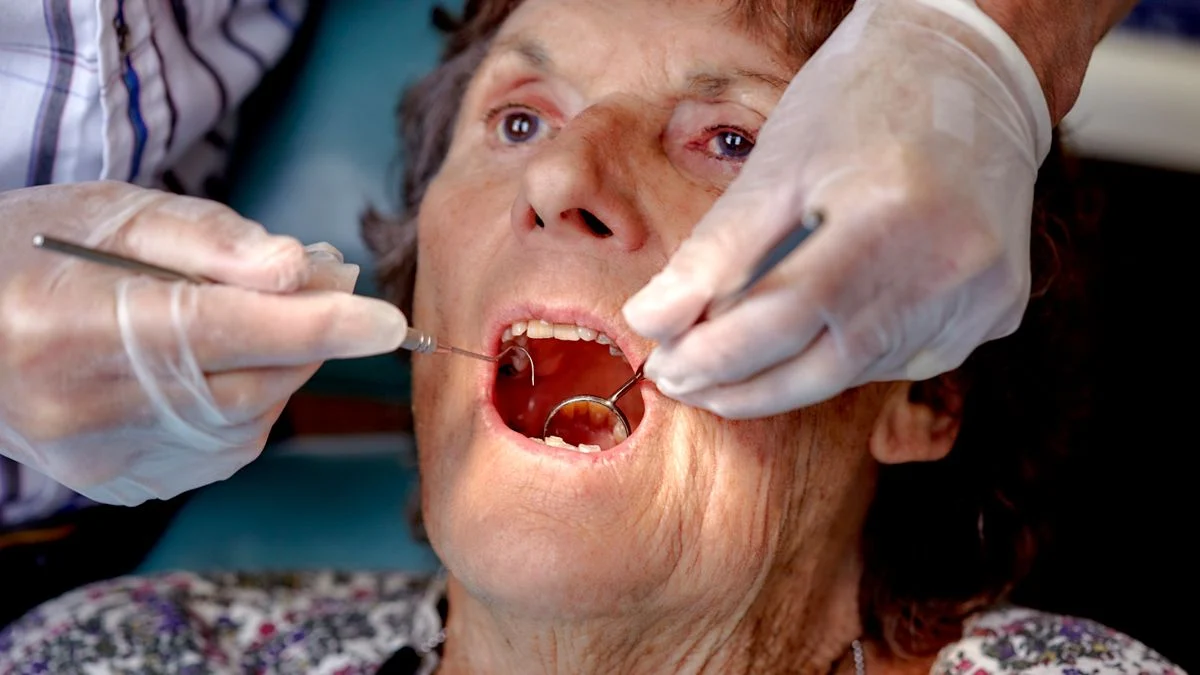
A recent investigation by the health insurance fund Barmer has revealed a deeply troubling reality: thousands of elderly, care-dependent individuals in Germany are falling through the cracks of the healthcare system, specifically regarding their oral health. Despite the introduction of specialized billing codes designed to facilitate home visits, the vast majority of these patients remain without adequate dental screening or preventative care.
The Core Problem: A Disconnect in Care
The investigation, released on June 2, 2026, paints a stark picture of a demographic left behind. For many elderly people, a trip to a traditional dental practice is not merely an inconvenience—it is often a physical or logistical impossibility. When care-dependent individuals do not receive dental examinations in their own environment, they suffer from a "care gap" that has profound consequences for their overall well-being.
The Barmer report highlights that the deficit is particularly acute in nursing homes that have failed to establish formal cooperation agreements with local dentists. Without these institutional bridges, the likelihood of a patient receiving a basic oral health assessment drops to near zero.
A Chronology of Policy and Implementation
To understand why this gap persists, one must look at the regulatory history of dental care for the elderly.
- 2018: The Legislative Shift. Recognizing the growing number of elderly patients unable to visit clinics, authorities introduced specific billing codes. These were designed to empower dentists to conduct "oral health status" assessments and create "oral health plans" directly in care settings. This was intended to incentivize house calls by ensuring that dentists were financially compensated for the extra time and logistics involved.
- 2019–2023: The Stagnation Period. In the years following the reform, the uptake was sluggish. While there was a slight uptick in awareness, the structural barriers—lack of personnel, transport issues, and administrative hurdles—remained largely unaddressed.
- 2024: The Reality Check. Data from the 2024 reporting year shows that even after six years of these billing opportunities, dentists performed these vital assessments for only a little over one-quarter of nursing home residents insured by Barmer. For those receiving outpatient care, the situation is far worse: the utilization rate remains stuck at a dismal three percent.
Supporting Data: Regional Disparities and Institutional Failure
The Barmer "Zahnreport" (Dental Report), which analyzed anonymized billing data from insured persons over the age of 65 between 2013 and 2024, reveals a landscape of massive inequality.
Geographic Inconsistency
The data highlights a "geography of neglect." For nursing home residents, the frequency of dental preventative care varies wildly depending on the state. Berlin leads the country with a 45.5 percent utilization rate, followed closely by Hamburg (42.7%) and Saxony (42.6%). In stark contrast, Niedersachsen (Lower Saxony) struggles with a rate of just 16.8 percent.

For those living at home and receiving outpatient care, the numbers are universally low, though Eastern German states like Saxony still show a significantly higher rate (9%) compared to Western states, which remain consistently below the three-percent threshold.
The Power of Cooperation Agreements
The most telling metric in the report concerns the existence of "cooperation contracts." Roughly 80 percent of all preventative dental services were performed in nursing homes that had entered into formal agreements with dental practices. However, fewer than half of all German nursing homes have established such partnerships. In facilities without these contracts, the probability of a resident receiving a check-up is negligible, accounting for only two percent of the total services rendered.
Official Responses and Expert Analysis
The findings have ignited a fierce debate among policymakers, health insurers, and patient advocates.
Christoph Straub, CEO of Barmer, did not mince words when addressing the findings: "For those in stationary care, visiting a dental practice is virtually impossible. We are seeing a structural breakdown in care. If they aren’t being examined on-site, they are effectively being denied their right to health." Straub emphasized that the solution lies in mandatory, institutionalized cooperation between nursing homes and the dental profession.
Michael Walter, the lead author of the report, described the situation for outpatient care recipients as "deeply worrying." He stressed that the current trajectory is unsustainable and requires immediate, systemic intervention.
Eugen Brysch, Chairman of the German Foundation for Patient Protection, offered a more scathing assessment. He criticized both nursing facilities and the Associations of Statutory Health Insurance Dentists. According to Brysch, the issue is not just the lack of contracts, but the lack of accountability. "In many nursing homes, nobody feels responsible for ensuring dental care," he stated. "It is an unacceptable state of affairs. These vulnerable people rely on doctors coming to them. We need a clear, mandatory duty of care for dentists toward these patients."

The Human Cost: Implications of Poor Oral Health
The medical implications of this neglect extend far beyond a toothache. The Barmer report underscores that the neglect of oral hygiene in the elderly is a precursor to systemic health decline.
- Nutritional Deficits: Poor dental health leads to difficulty chewing, which results in the avoidance of essential foods. This frequently leads to malnutrition and unintentional weight loss.
- General Frailty: Malnutrition, in turn, exacerbates frailty and physical weakness, increasing the risk of falls and reducing the overall resilience of the elderly patient.
- Chronic Inflammation: Untreated periodontitis and other oral infections are linked to systemic health issues, including cardiovascular disease and complications with diabetes.
- Dignity and Quality of Life: Beyond physical health, the inability to speak, eat, or socialize due to oral pain significantly diminishes the quality of life for the elderly, leading to social withdrawal and psychological distress.
Conclusion: A Call for Systemic Reform
The Barmer investigation serves as a wake-up call for the German healthcare system. While the legal framework to provide dental care to the elderly exists, the current implementation is fragmented, regionalized, and fundamentally inadequate.
To close this gap, experts suggest a multi-pronged approach:
- Mandatory Agreements: Legislating that every nursing facility must have a formal cooperation agreement with a dental practice.
- Mobile Dentistry Units: Investing in specialized mobile dental clinics that can reach those receiving outpatient care at home.
- Professional Responsibility: Clarifying the legal obligations of practitioners to ensure that "house calls" are treated as a professional priority rather than an elective service.
As the population ages, the number of people requiring long-term care will continue to rise. If the current system continues to treat dental care as an optional luxury for the elderly, the health consequences will place an even greater burden on the already strained care system. The consensus among analysts is clear: the status quo is not just a failure of logistics; it is a failure of care.