

A year ago, they stood as symbols of a burgeoning transatlantic right-wing alliance. Today, Italy’s Prime Minister Giorgia Meloni and former U.S. President Donald Trump are locked in a bitter public feud, a dramatic turn of events with potentially significant implications for global politics. What began as a seemingly strong personal and political bond has fractured under the weight of geopolitical crises and sharp disagreements, leaving a trail of diplomatic fallout and political recriminations.
The once-touted camaraderie between the American populist leader and the Italian premier, a figure who rose to prominence with roots in post-fascist politics, has dissolved into a public spat that has captured international attention. This dramatic shift from apparent mutual admiration to outright hostility underscores the volatile nature of international relations and the personal dynamics that can shape them.
A Promising Partnership: The Genesis of an Alliance
The initial alignment between Donald Trump and Giorgia Meloni was seen by many as a natural progression of the global rise of right-wing, nationalist, and populist movements. Meloni, who leads the Brothers of Italy party, had openly embraced conservative and nationalist principles, while Trump’s presidency championed an "America First" agenda that resonated with similar sentiments worldwide.
Their early interactions were characterized by a public display of mutual respect and shared ideology. Meloni, in particular, made a point of cultivating this relationship. She was notably the only EU head of government to attend Donald Trump’s inauguration, a move that signaled her strategic intent to forge a strong connection with the then-U.S. President. At the time, she defended her decision, emphasizing the importance for a nation like Italy to "send a signal for the willingness to strengthen relations in a time when the challenges are global and interconnected." This demonstrated a clear understanding of the potential benefits of a close working relationship with the leader of the free world.
The narrative that emerged was one of two strong, assertive leaders, often at odds with established political norms, finding common ground. Meloni’s background, marked by her rise from a grassroots movement and her unapologetic embrace of Italian national interests, seemed to mirror Trump’s own political playbook. This shared aesthetic and ideological inclination fueled speculation about a potential new axis of conservative power on the international stage.
The Cracks Appear: Divergent Paths on the Global Stage
However, the seemingly solid foundation of their alliance began to show significant cracks as major international crises unfolded. The geopolitical landscape, marked by escalating tensions and complex conflicts, proved to be a stark test of their nascent political partnership.
One of the earliest and most significant points of divergence emerged in the context of a hypothetical conflict involving Pope Leo XIV and a subsequent Iran War. While the specifics of this fictionalized scenario remain part of the evolving narrative, it marked a critical moment where Meloni publicly distanced herself from Trump’s stance. This deviation from Trump’s often more aggressive and interventionist approach signaled that Meloni, despite her right-wing credentials, was not a purely ideological echo of the former U.S. President. Her decision to align with the Pontiff, a figure of moral authority, over Trump’s more confrontational posture indicated a calculated move to maintain a degree of international respectability and to prioritize Italian interests as she perceived them.
Furthermore, Meloni’s growing discomfort with Trump’s evolving stance on the Ukraine conflict and his perceived leniency towards Russian President Vladimir Putin became increasingly evident. Italy, as a key member of NATO and the European Union, is deeply invested in maintaining stability in Eastern Europe and upholding the principles of international law. Trump’s rhetoric, often seen as questioning the value of alliances and expressing admiration for authoritarian leaders, created a significant dilemma for Meloni, who needed to balance her domestic political base with her country’s international commitments. The article notes that Trump’s "erratic behavior" was a stark contrast to Meloni’s "highly organized party politics for more than half her life." This suggests a fundamental difference in their political styles and approaches to diplomacy.
The Breaking Point: The Iran War and a Public Confrontation
The simmering tensions between Trump and Meloni erupted into a full-blown diplomatic crisis following Trump’s initiation of a war against Iran. This development served as the ultimate catalyst, pushing their relationship past the point of repair.
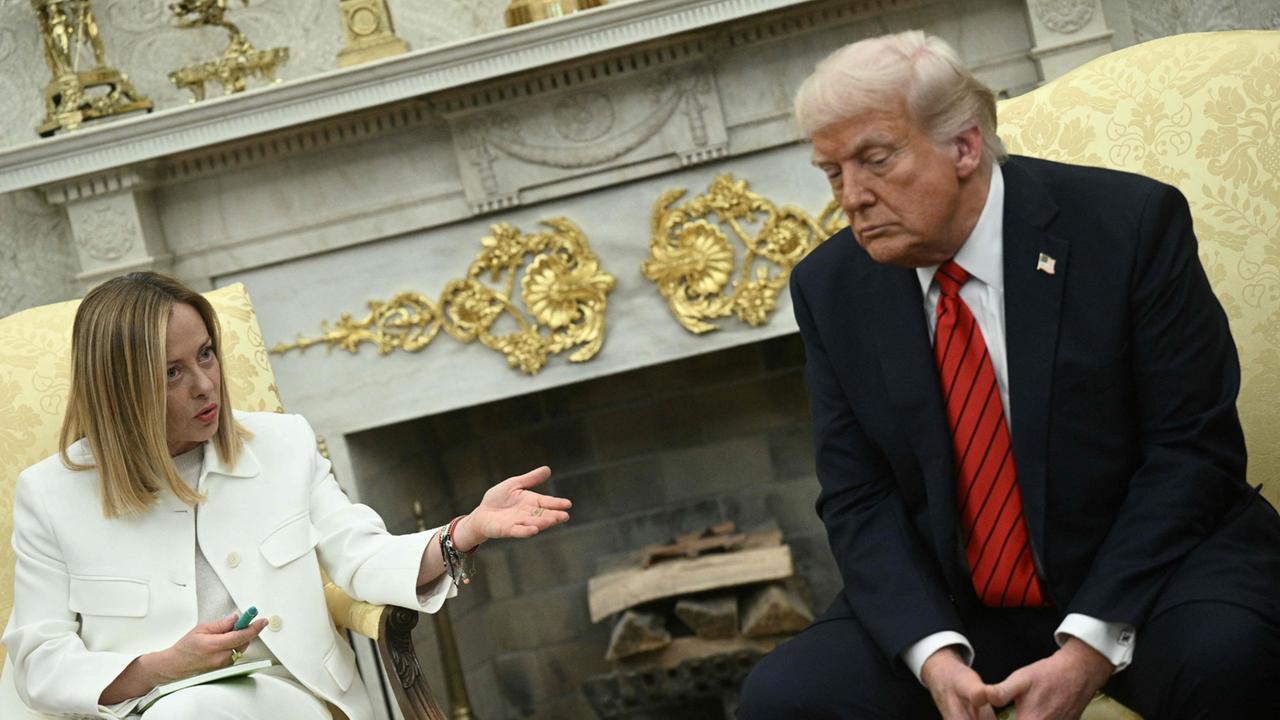
Meloni’s outright refusal to grant the U.S. access to the Sigonella military base in Sicily for operations against Iran marked a decisive moment. Her firm stance was articulated with unwavering clarity: "Our line is very clear. Italy is not part of the conflict and has no intention of becoming part of the conflict." This was a direct rejection of a significant request from the former U.S. President, underscoring her commitment to Italian neutrality and her aversion to being drawn into a conflict she deemed "senseless."
This rejection was not a subtle diplomatic maneuver; it was a public and unequivocal declaration of independence from Trump’s foreign policy agenda. It demonstrated that while Meloni might share some ideological ground with Trump, her ultimate loyalty lay with Italy’s national interests and its established role within international alliances.
The fallout from this decision was immediate and severe. The article describes a public exchange on social media that showcased the animosity that had developed between the two leaders. Trump, in a television interview, claimed that Meloni had "begged" him for a photo opportunity during a G7 summit. Meloni, responding with palpable anger in an Instagram video, retorted with a pointed threat: "He should always remember one thing: I and Italy never beg." This exchange, filled with personal attacks and boasts, escalated the conflict from a diplomatic disagreement to a public spectacle.
Escalation and Recrimination: The Public Feud Intensifies
The public spat did not end with Meloni’s initial sharp retort. Donald Trump, known for his combative style and his tendency to engage in tit-for-tat exchanges, continued to escalate the confrontation. He publicly accused Meloni of being concerned about her declining poll numbers and seeking his proximity to bolster her own image.
Meloni, undeterred, responded again on social media, this time in writing but with no less emotional intensity. Her riposte was a stinging indictment of their past relationship: "As for my popularity: your friendship has certainly not helped it." This statement implied that Trump’s association had become a liability for her, a significant blow to his ego and a clear indication of the damage their public feud was inflicting on both their images.
The intensity of this public exchange has not been lost on observers. Nicola Procaccini, a close confidant of Meloni, reinforced her position, stating: "Neither Italy nor Meloni are subjects, they take orders from no one. Trump must take note of this." This sentiment encapsulates Meloni’s broader political persona: a leader who is fiercely protective of Italy’s sovereignty and unwilling to be dictated to by any foreign power, including the United States under Trump’s influence.
The article also touches upon Meloni’s known propensity for confronting male political colleagues, citing past clashes with figures like Silvio Berlusconi and Matteo Salvini. This characteristic, perhaps born from her own experiences as a woman in a male-dominated political arena, suggests a personal resilience and a willingness to stand her ground, even against powerful figures like Donald Trump.
Diplomatic Fallout and Political Implications
The dramatic deterioration of the Trump-Meloni relationship carries significant political implications, not only for Italy and the United States but also for the broader European political landscape.
What might have been dismissed as a personal spat between two strong personalities has evolved into a matter of considerable diplomatic consequence. For European leaders who had hoped that Meloni might serve as a bridge between the EU and a potentially re-elected Trump administration, this public feud has dashed those hopes. The article states that the opposite has occurred: "The opposite has happened." This suggests that instead of facilitating dialogue, Meloni’s conflict with Trump has potentially hardened positions and created further divisions.
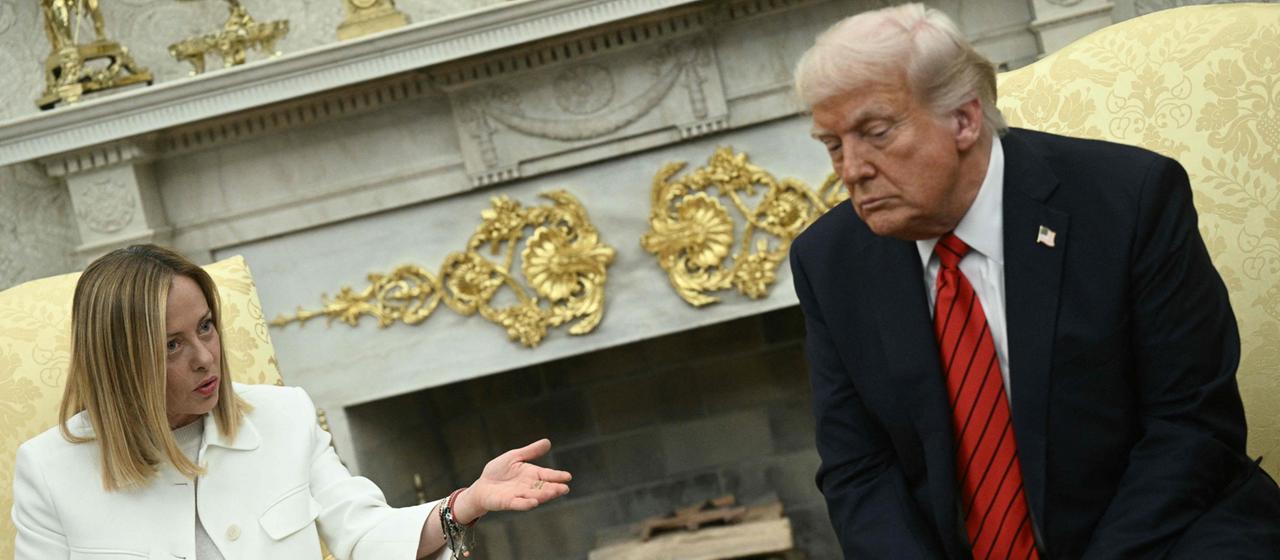
The breakdown in relations has also emboldened Meloni’s political opponents in Italy. The left-wing opposition has reportedly followed the conflict with a degree of schadenfreude, suggesting that Meloni is now facing the consequences of her past attempts to align herself with Trump. The narrative that she sought to "profile herself as a friend of Trump" is now being used against her, highlighting the potential risks of such high-profile political associations.
The contrasting political styles and temperaments of Trump and Meloni are also a crucial factor. Trump’s "self-made billionaire" persona, characterized by his "erratic behavior," stands in stark contrast to Meloni’s disciplined and calculated political career. Her ability to navigate complex political landscapes, often with a pragmatic approach, suggests a different understanding of international diplomacy than Trump’s more impulsive and transactional style.
The conflict has also exposed the fragility of alliances built on personality rather than enduring strategic alignment. While Meloni and Trump may have shared a common ideological outlook on certain issues, their fundamental approaches to foreign policy, national interest, and international responsibility have proven to be irreconcilably different. The article’s concluding thought that Trump’s "erratic behavior" is alien to Meloni, who has dedicated her life to organized party politics, underscores this fundamental divergence.
Conclusion: A Fractured Alliance and Uncertain Futures
The once-promising alliance between Donald Trump and Giorgia Meloni has imploded, leaving behind a trail of public recriminations and diplomatic fallout. What began as a symbol of a potential right-wing resurgence on the global stage has devolved into a bitter personal and political feud.
The conflict, fueled by disagreements over major international crises like the Iran War and the Ukraine conflict, has highlighted the stark differences in their political approaches and national priorities. Meloni’s unwavering commitment to Italian sovereignty and her refusal to be drawn into what she deems unnecessary conflicts stand in contrast to Trump’s more aggressive and unilateral foreign policy.
The implications of this fractured relationship extend beyond the two individuals involved. It has complicated the potential for future dialogue between the United States and Europe, particularly within the context of a potential Trump presidency. For Meloni, the public spat has presented both challenges and opportunities, exposing her to criticism from political opponents while perhaps reinforcing her image as a strong and independent leader to her supporters.
As the dust settles on this dramatic public confrontation, one thing is clear: the envisioned transatlantic alliance between Trump and Meloni has crumbled. The future of their relationship, and the broader implications for international politics, remain uncertain, but the current state of affairs serves as a potent reminder of the volatile and often unpredictable nature of global diplomacy.