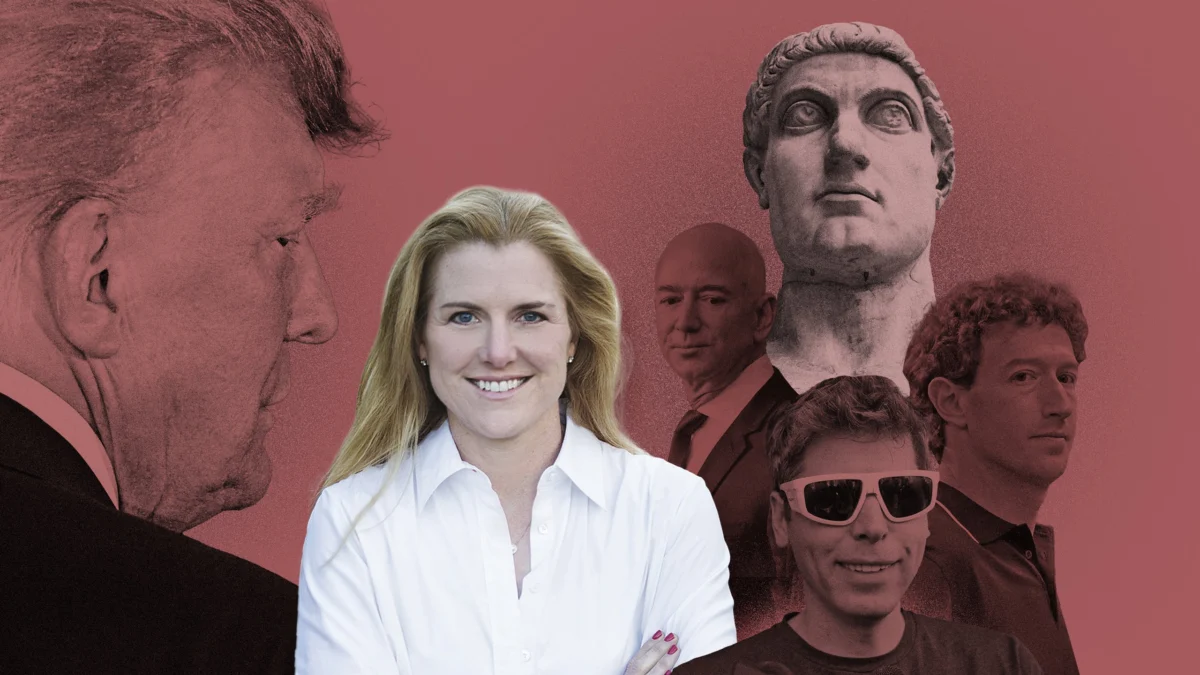
The recent political realignment within the American technology sector has sent shockwaves through global financial markets and social discourse alike. As Donald Trump secured his return to the White House, the traditional distance between Silicon Valley’s libertarian-leaning pioneers and the populist Republican platform has evaporated. Instead, a new, pragmatic—and some would argue, opportunistic—alignment has emerged. Figures such as Mark Zuckerberg, Elon Musk, and a host of venture capitalists have transitioned from skeptical observers to active participants in the nascent Trump administration’s orbit.
This article explores the complexities of this transformation, examining the motivations behind this "Great Pivot," the historical context of tech-political relations, and the profound implications for the future of American regulation, innovation, and democracy.
The Main Facts: A Shift in Power Dynamics
For over a decade, the relationship between Big Tech and the federal government was defined by friction. From data privacy hearings to antitrust investigations, Silicon Valley was frequently the target of legislative scrutiny. However, the post-election landscape reveals a striking reversal.
The primary driver of this shift is a mutual desire for deregulation. Tech leaders, weary of the Biden administration’s aggressive stance on antitrust enforcement and AI safety oversight, see in Trump a "business-first" executive who prioritizes economic output over bureaucratic red tape. Furthermore, there is a strategic alignment regarding geopolitical competition, particularly with China. Tech moguls believe that Trump’s protectionist, "America First" industrial policy—when tailored to their specific needs—could insulate them from foreign competition while providing the government subsidies necessary for capital-intensive projects like AI infrastructure and domestic semiconductor manufacturing.
A Chronology of the Alignment
To understand how we arrived at this moment, one must trace the evolution of the tech-Trump relationship.
1. The Era of Distrust (2016–2020)
During Trump’s first term, the tension was palpable. Silicon Valley was overwhelmingly aligned with the Democratic establishment, viewing Trump’s rhetoric on trade, immigration, and globalism as anathema to the borderless, meritocratic ethos of the tech industry. High-profile executives frequently criticized the administration’s travel bans and environmental policies.
2. The Mid-Term Fracture (2021–2023)
The landscape began to shift as the "anti-woke" movement gained momentum within the investor class. Figures like Peter Thiel and Marc Andreessen began vocalizing their frustration with what they termed the "administrative state." This period saw the rise of the "Techno-Optimist" manifesto, which argued that government regulations were stifling human progress.
3. The 2024 Realignment (The Campaign)
The defining moment occurred during the 2024 campaign cycle. Elon Musk’s public endorsement of Trump, coupled with significant donations from high-net-worth individuals in the venture capital space, signaled that the industry was no longer monolithic in its political support. Mark Zuckerberg’s recent efforts to "reset" his relationship with Trump—characterized by public praise and private outreach—served as the final seal on this geopolitical shift.
Supporting Data: Economic Incentives and Regulatory Capture
The logic behind this pivot is rooted in cold, hard data. Industry insiders point to three key areas where a Trump administration is expected to provide significant relief:
- Antitrust Enforcement: The FTC’s aggressive pursuit of companies like Amazon, Google, and Apple under the current administration has been a primary source of anxiety. Trump’s appointees are expected to prioritize market consolidation over consumer welfare theories, effectively halting pending litigation.
- AI Governance: Silicon Valley fears a top-down, safety-first regulatory framework that would limit the speed of AI deployment. Trump’s team has signaled a preference for "innovation-first" policies, which would grant companies more freedom to experiment with large-scale models without the burden of extensive compliance reporting.
- Taxation and Capital Markets: Beyond personal wealth protection, the promise of corporate tax extensions and a relaxed approach to IPOs has energized the venture capital ecosystem. Data from recent VC fundraising rounds suggest that investors are betting on a surge in M&A activity, fueled by the expectation that the Department of Justice will look the other way when big tech companies acquire smaller, disruptive startups.
Official Responses and Public Discourse
The response from the public and the political establishment has been bifurcated. Supporters within the industry argue that this is a "pragmatic necessity." As one venture capitalist noted, "We are in a race for technological dominance. If the U.S. government hampers its own companies, we lose to China. It’s not about party; it’s about survival."
Conversely, critics within the tech sector—including a silent but growing contingent of employees and ethicists—are sounding the alarm. They argue that by courting an "autocratically-inclined" leader, these companies are compromising their core values of free speech, diversity, and global inclusivity. Furthermore, civil liberties organizations have pointed out that the alliance between the world’s most powerful information platforms and a populist administration poses a structural risk to the democratic process, particularly regarding how content is moderated and how data is utilized for political targeting.
Implications: A New Era for Corporate America
The implications of this alignment are far-reaching, reshaping the social contract between the private sector and the state.
The Erosion of the "Independent Tech" Ethos
Silicon Valley has long marketed itself as an independent, meritocratic force that operates above traditional politics. This illusion has now been shattered. By openly backing a political candidate, these companies have effectively entered the fray as political actors. This will inevitably lead to increased demands for transparency and accountability from the public, which may ironically invite the very oversight they sought to avoid.
Geopolitical Consequences
As tech titans lean into the Trump administration’s foreign policy, we can expect a more aggressive stance on global trade. This could lead to a "splinternet," where American tech platforms are further bifurcated from the Chinese ecosystem. While this serves the interests of national security, it also threatens the global nature of the internet, leading to a fragmented digital landscape that is more expensive and less efficient for consumers.
The Internal Culture War
Inside companies like Meta, Google, and SpaceX, this alignment is causing significant internal strife. Younger employees, who lean heavily progressive, are increasingly at odds with the executive leadership. We are likely to see a surge in unionization efforts and internal whistleblowing as workers grapple with the ethical implications of their companies’ political allegiances.
A Test for Democracy
Finally, the most significant implication is the effect on the democratic process. When the gatekeepers of information—the people who run the algorithms—are ideologically and financially aligned with the head of state, the potential for manipulation is unprecedented. While proponents argue that the current system is already biased, skeptics worry that a "state-tech" fusion will only accelerate the spread of misinformation and deepen societal polarization.
Conclusion: A High-Stakes Gamble
The pivot of Silicon Valley toward Donald Trump is a high-stakes gamble. By trading their reputation for political neutrality for the promise of deregulation and protection, these tech titans are betting that the long-term economic gains will outweigh the social and democratic costs.
However, history suggests that such alliances are rarely stable. When power shifts again, or when the interests of the administration inevitably clash with the global needs of these companies, the tech industry may find that the government they helped empower is no longer a partner, but a master. As we look toward the future, the question remains: Can Silicon Valley continue to drive global innovation while tethered to a volatile political agenda, or will this alignment prove to be the undoing of the very freedom that enabled their rise?
The coming years will provide the answer. For now, the "Tech-Trump" era has begun, and the world is watching to see who really holds the leverage in this new, unpredictable arrangement.